Team of divers looking for wreckage in the Bermuda Triangle end up finding something extraordinary and unexpected
Published on Mar 16, 2026 at 4:00 AM (UTC+4)
by Claire Reid
Last updated on Mar 16, 2026 at 4:00 AM (UTC+4)
Edited by
Claire Reid
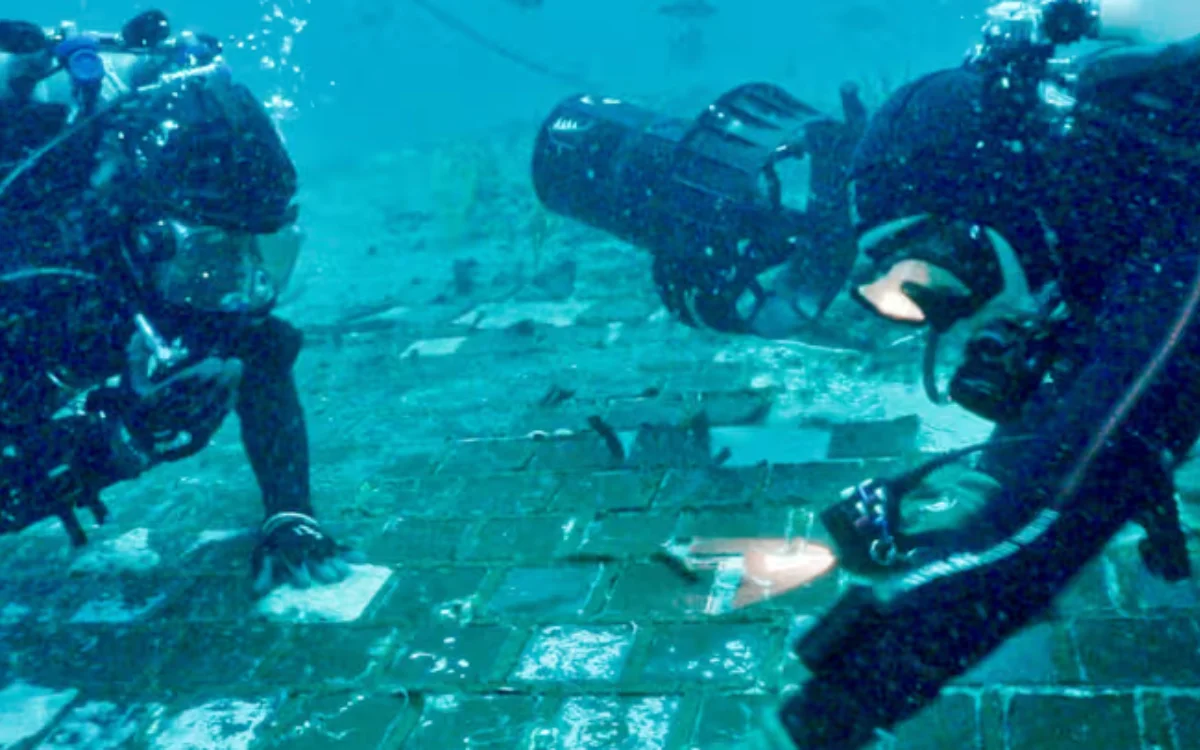
A team of divers looking for the wreckage of a World War II-era plane in the Bermuda Triangle ended up discovering a completely unexpected, unrelated artefact.
The crew was sent down to look for the old aircraft for the History Channel documentary The Bermuda Triangle: Into Cursed Waters.
However, while exploring the seafloor off the east coast of Florida, the team made a remarkable and surprising discovery.
After finding some human-made eight-inch square tiles, the team was initially unsure of what it had found, but an expert opinion was able to confirm it.
Click the star icon next to supercarblondie.com in Google Search to stay ahead of the curve on the latest and greatest supercars, hypercars, and ground-breaking technology
The divers made an unexpected discovery while exploring the Bermuda Triangle
Back in 2022, the History Channel began filming for its The Bermuda Triangle: Into Cursed Waters series.
“Our goal for creating this series was to give a name to some of the thousands of wreck sites that call the Bermuda Triangle home and, in turn, share their stories, historical significance, and even provide answers as to how they came to be there,” the TV network said of the show.
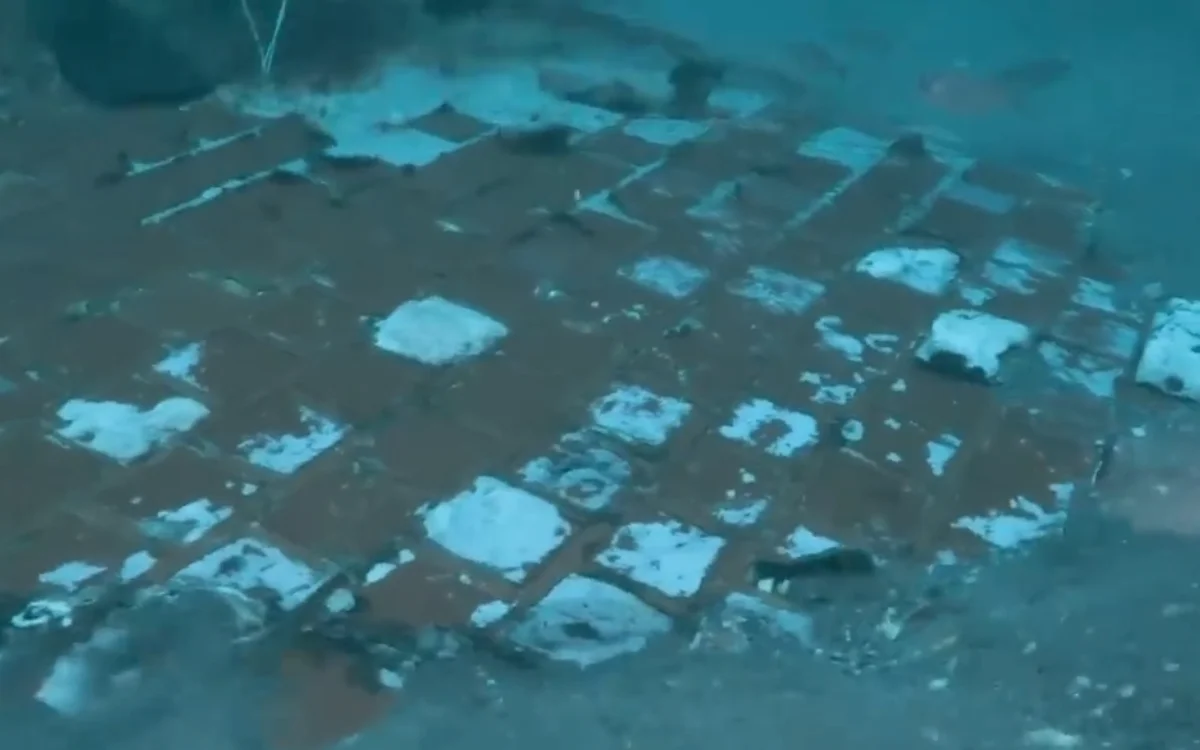
In March of that year, a team of divers was sent to investigate the potential wreck site of a PBM Martin Mariner Rescue Plane that vanished in 1945.
But while down there, they discovered a ‘modern-looking aviation structure’.
Initially confused by what they saw, the team consulted with an outside expert and carried out a second dive a couple of months later, before presenting what they had found to retired American astronaut Bruce Melnick.
Melnick suspected that the 20-foot segment was a part of the Challenger space shuttle – and this was later confirmed by NASA.
The Challenger launched from NASA’s Kennedy Space Center in Florida on January 28, 1986.
But just 73 seconds after liftoff, the shuttle suffered a major malfunction and broke up in a plume of smoke and fire, killing all of those on board.
“We recognized the necessity of bringing this find to the immediate attention of NASA,” underwater explorer and marine biologist Mike Barnette, who led the History Channel team, said.
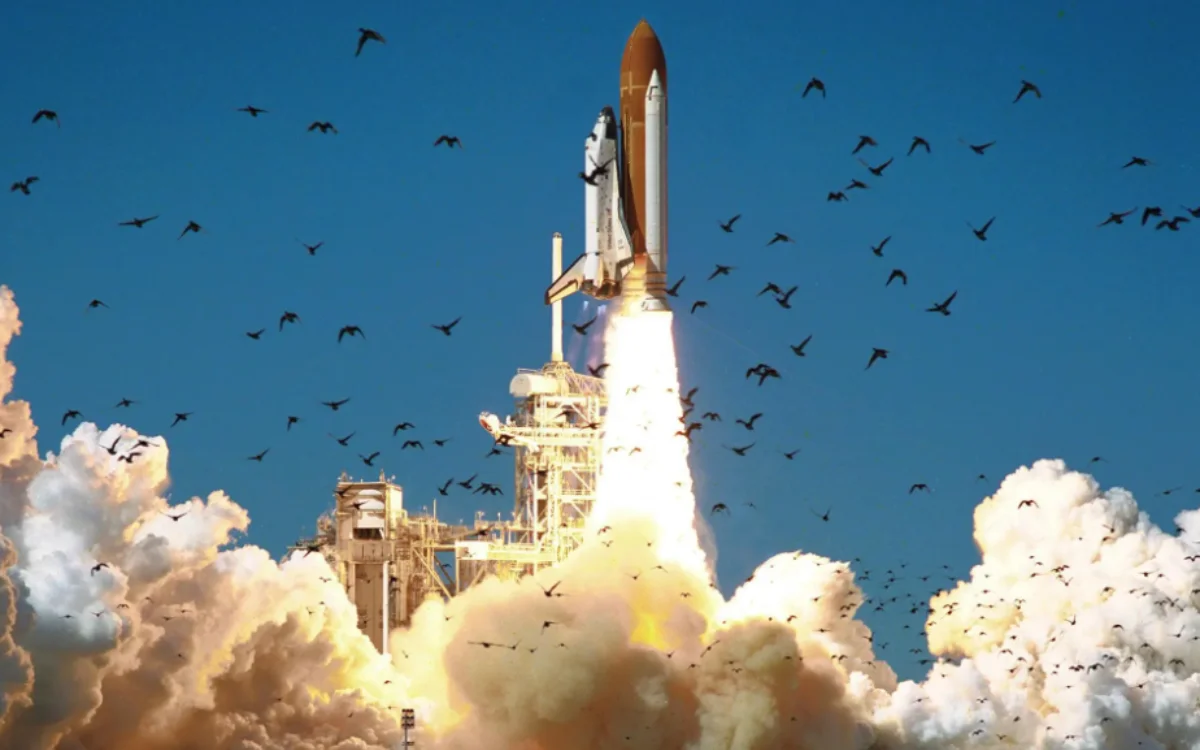
“The site, which is outside of the Bermuda Triangle off the Florida coast, marks the loss of seven brave astronauts — fellow explorers — and the Challenger disaster was a tragic setback for America’s space program.
“But from this horrific event, important lessons were learned that have ultimately led to remarkable advances in space exploration.”
Seven people died on board Challenger shortly after lift off
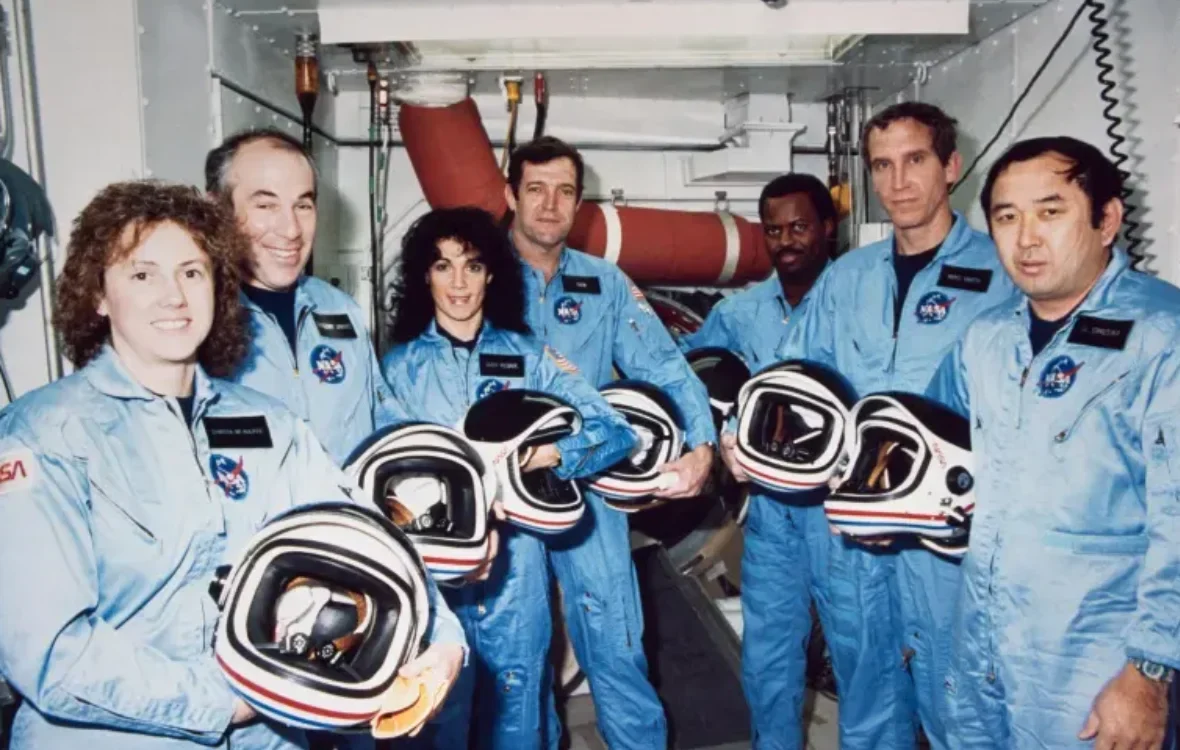
Seven people were on board the last Challenger mission, known as
The last Challenger mission, known as STS-51L, had seven people on board when tragedy struck: Francis R. Scobee, Michael J. Smith, Ronald E. McNair, Ellison S. Onizuka, Judith A. Resnik, Gregory B. Jarvis and S. Christa McAuliffe.
An investigation after the incident found that unexpectedly cold temperatures had affected the O-ring seals in the solid rocket booster segment joints.
NASA confirmed the part found by the History Channel divers to be a piece of the Challenger in November 2022.
“This discovery gives us an opportunity to pause once again, to uplift the legacies of the seven pioneers we lost, and to reflect on how this tragedy changed us,” then-NASA Administrator Bill Nelson said in a press release at the time.
“At NASA, the core value of safety is – and must forever remain – our top priority, especially as our missions explore more of the cosmos than ever before.”
The US space agency went on to
DISCOVER SBX CARS: The global premium car auction platform powered by Supercar Blondie
With a background in both local and national press in the UK, Claire has covered a range of topics, including technology, gaming, and cryptocurrency, since joining the editorial team at Supercar Blondie in May 2024. Her ability to be first to a story has been integral to making SB’s coverage of scientific discovery, AI, and global tech news a slick 24/7 operation.