Scientists attached a GoPro to a polar bear to study what they actually do and learnt some important information
Published on Mar 15, 2026 at 10:40 PM (UTC+4)
by Daisy Edwards
Last updated on Mar 13, 2026 at 2:40 PM (UTC+4)
Edited by
Mason Jones
Some curious scientists decided to attach a GoPro to a polar bear to study what they actually do and made some new discoveries.
The footage gave researchers an extremely rare look at how these massive Arctic predators behave when humans aren’t around.
A team from the US Geological Survey fitted special camera collars onto several polar bears living on the sea ice.
What the cameras captured helped scientists better understand how the animals hunt, move, and survive in one of the harshest environments on Earth.
Click the star icon next to supercarblondie.com in Google Search to stay ahead of the curve on the latest and greatest supercars, hypercars, and ground-breaking technology
Scientists attached a GoPro to a polar bear
Studying polar bears in the wild is incredibly difficult because they live in remote Arctic regions and are extremely dangerous to approach, so using tech to get close to the magnificent beasts makes the most sense.
To get around the issue of possibly being eaten, researchers fitted the bears with collars equipped with small cameras that could record their daily activities.
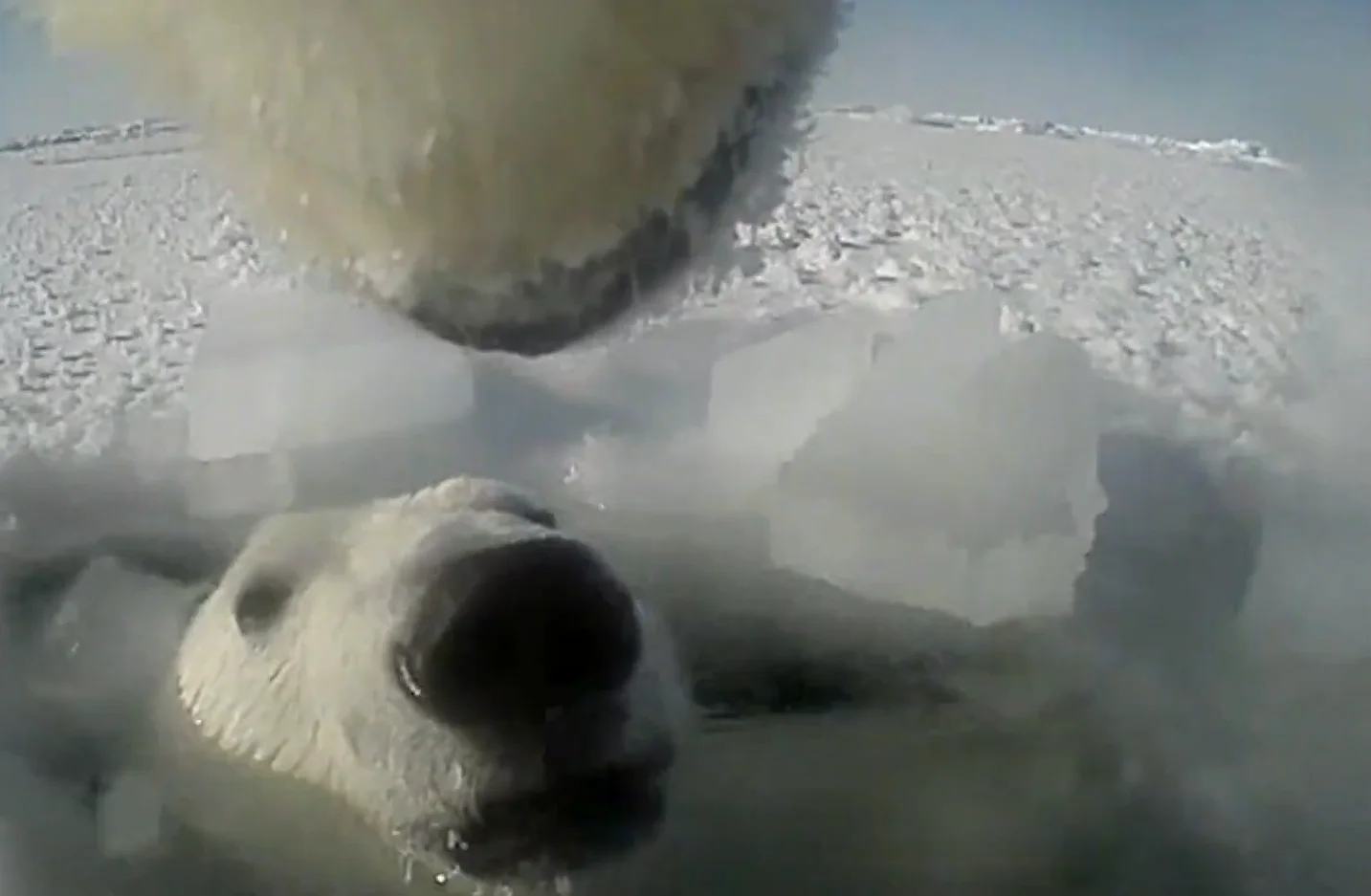
The footage used in the study dates back to 2014, but it offered something scientists had never really had before: a true polar bear point of view.
Tech has been the window into a lot of animal worlds without disturbing their routines.
Much of what researchers previously knew about polar bear behavior actually came from studies that were more than 40 years old.
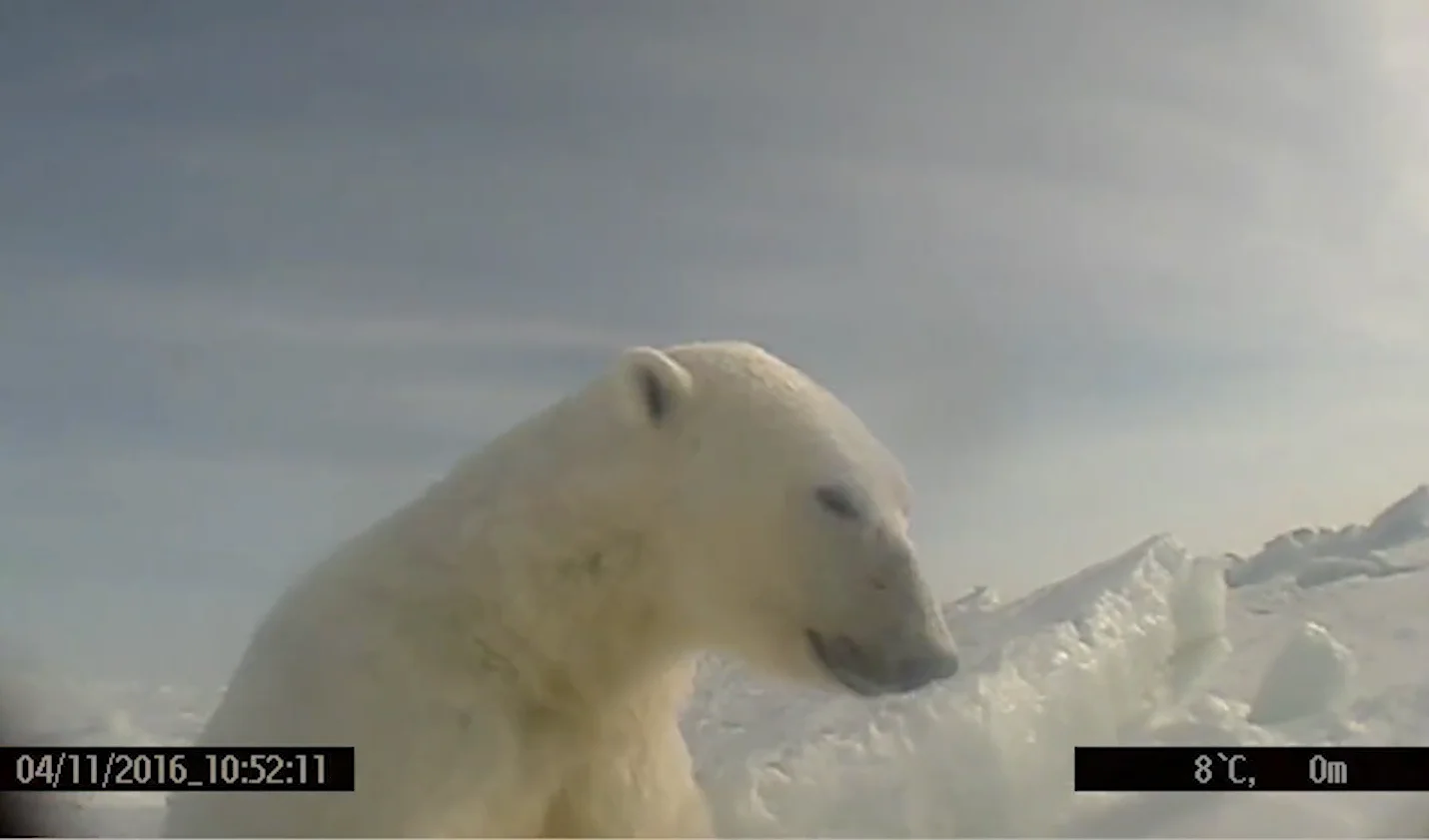
The cameras allowed scientists to watch how the animals spent their time without disturbing them or putting researchers in danger.
This gave them a far clearer picture of how polar bears behave when they’re roaming across the sea ice alone.
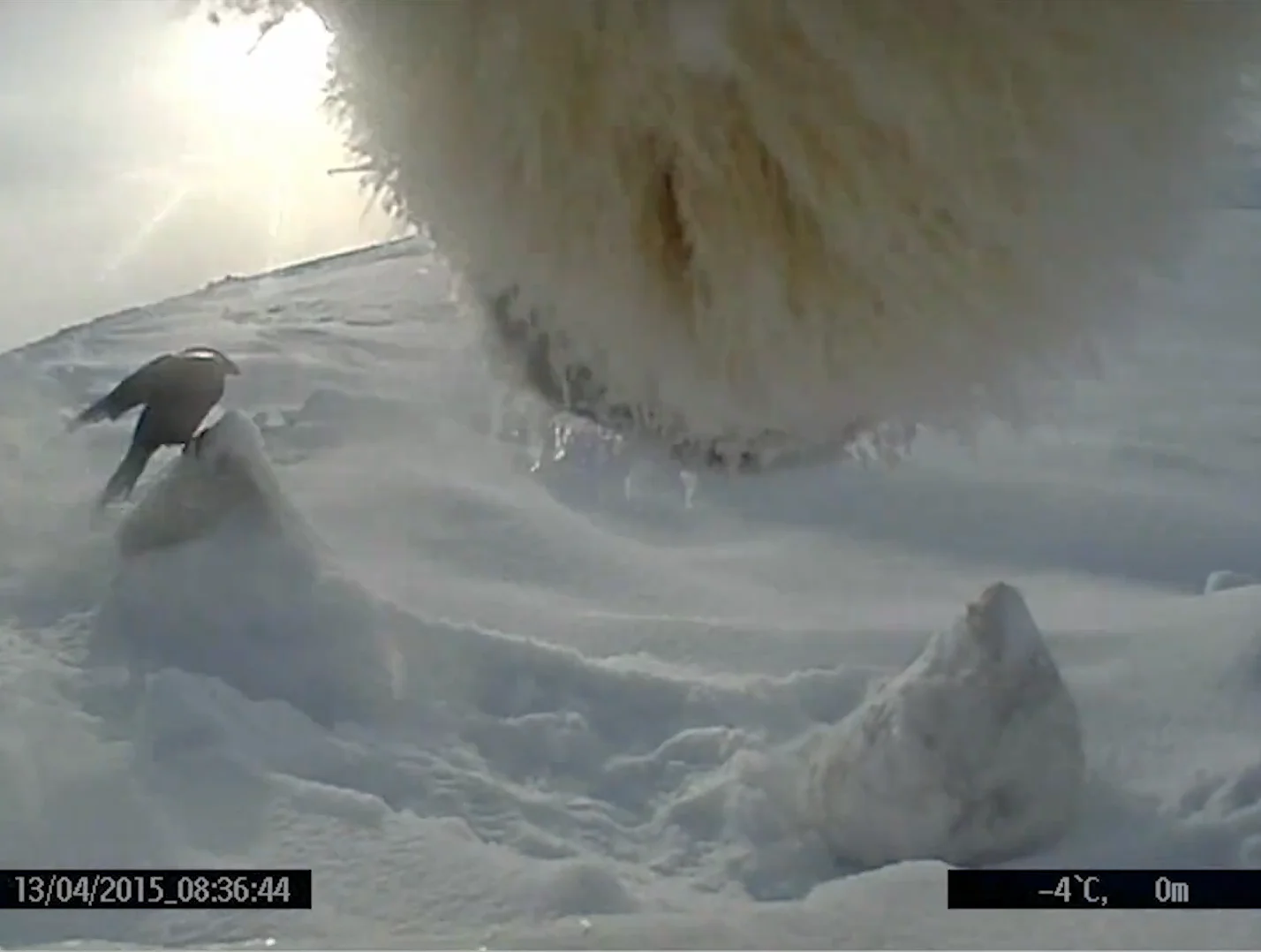
The important information scientists learnt
One of the biggest discoveries was just how patient polar bears are when hunting. These animals are ambush predators and can spend hours waiting beside seal breathing holes in the ice.
In some cases, they were recorded waiting for up to half a day for the right moment to strike.
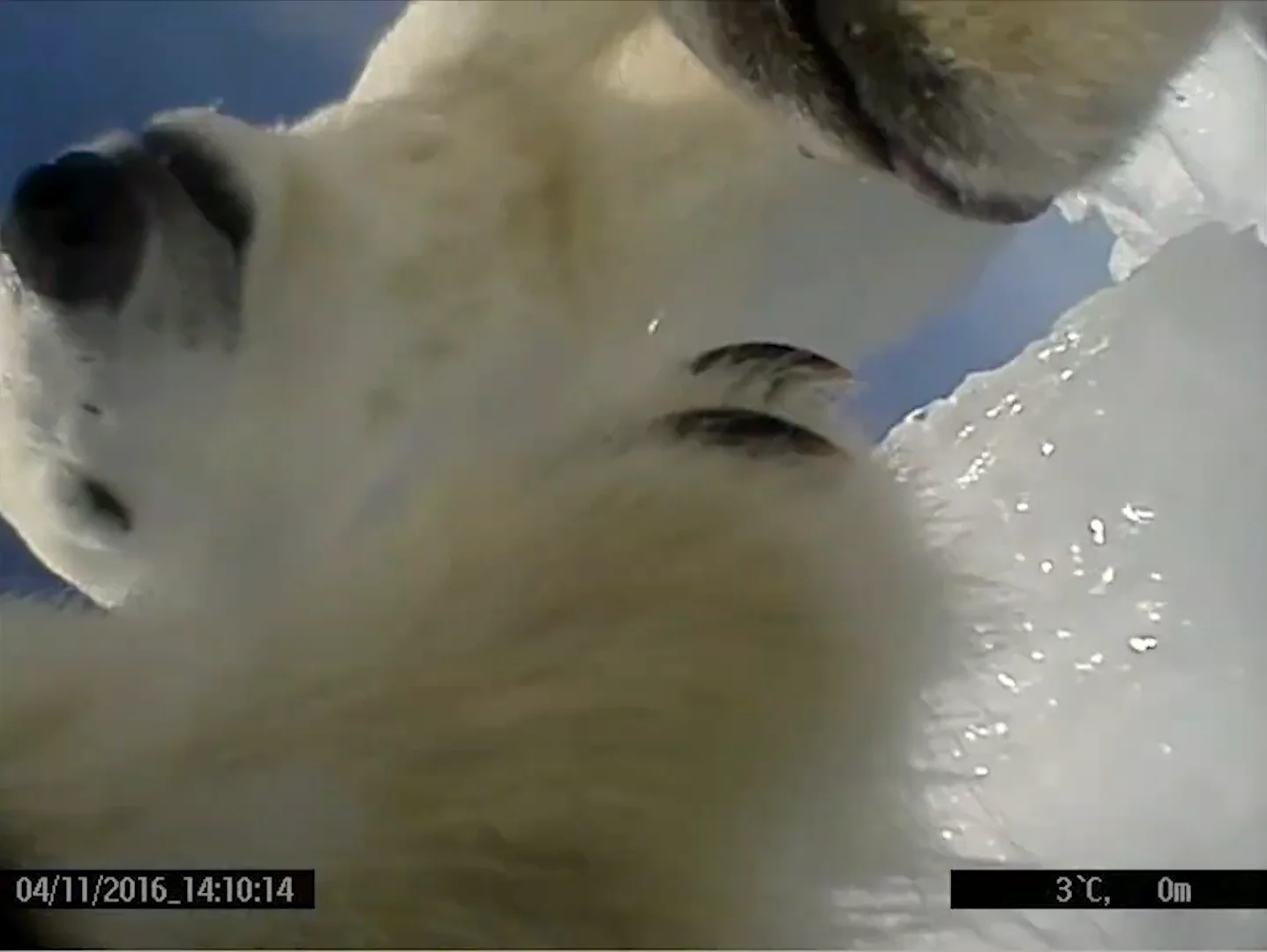
The cameras also revealed how much ground the bears cover while searching for food, how often they attempt to hunt seals, and how frequently they encounter other bears while traveling across the ice.
All of this information is incredibly important because it helps scientists understand how polar bears use their environment and how changing sea ice conditions could affect their survival.
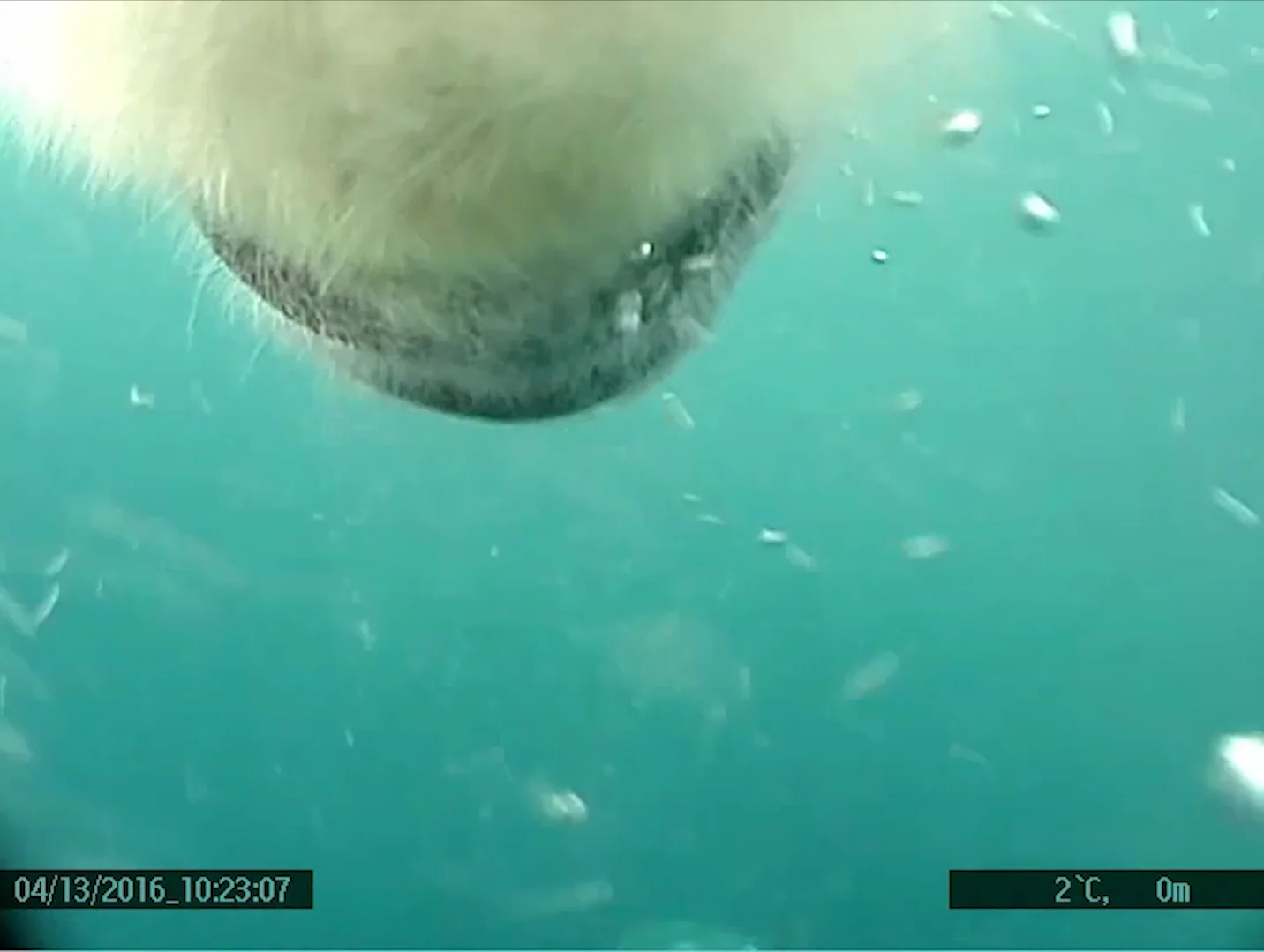
By simply attaching a GoPro-style camera to a collar, researchers were able to witness the day to day life of one of the planet’s most powerful predators in a way that had never been possible before.
DISCOVER SBX CARS: The global premium car auction platform powered by Supercar Blondie