US man powers his entire house with a new battery to see if it's better than a Tesla Powerwall
Published on Jan 26, 2026 at 6:23 AM (UTC-5)
by Daisy Edwards
Last updated on Jan 26, 2026 at 12:43 PM (UTC-5)
Edited by
Emma Matthews
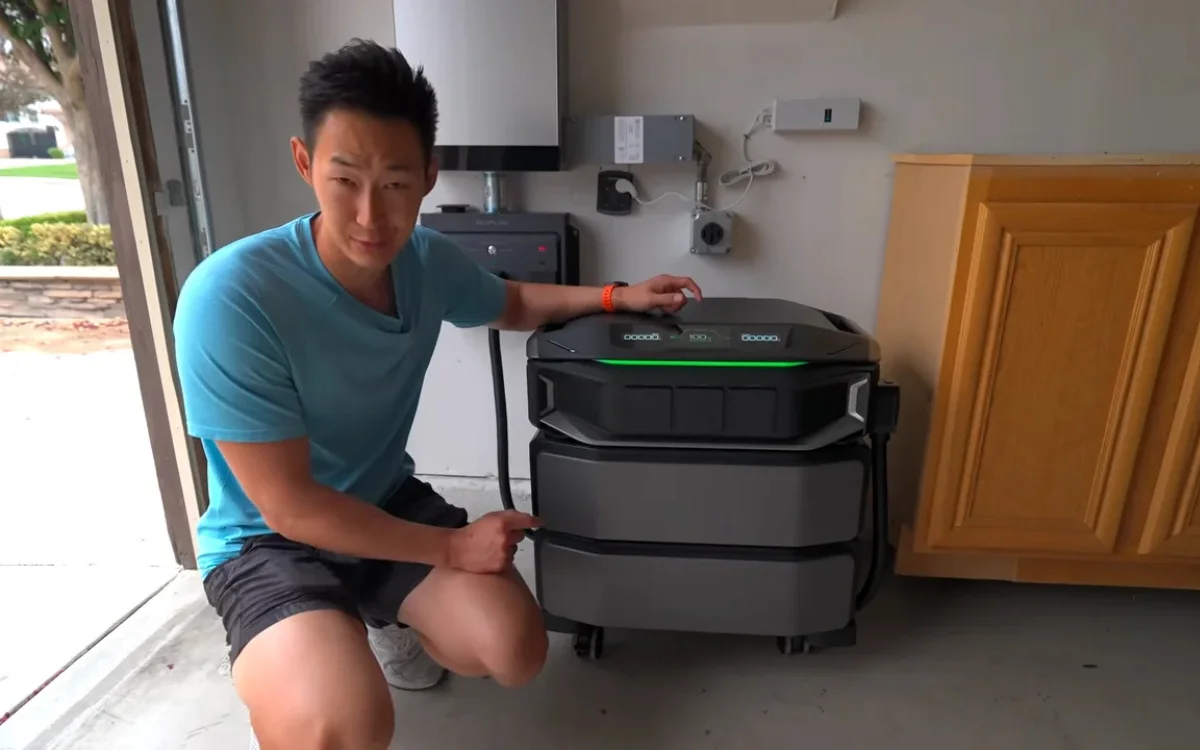

A US man decided to power his entire house with a new battery to see if it’s better than the highly advertised Tesla Powerwall.
With electricity bills climbing, he wanted a way to run his home without leaning on the grid during expensive peak hours.
So he brought in EcoFlow’s new Delta Pro Ultra X and Smart Home Panel 3 for a full home test.
The goal was simple: find out if a modular battery setup can beat the big-name backup box on the wall.
EXPLORE SBX CARS – Supercar auctions starting soon powered by Supercar Blondie
Man’s new battery powers his entire house
This American content creator said that his new battery system cost roughly $6,000 for the hardware, plus about $2,000 for installation, landing near $9,000 all in.
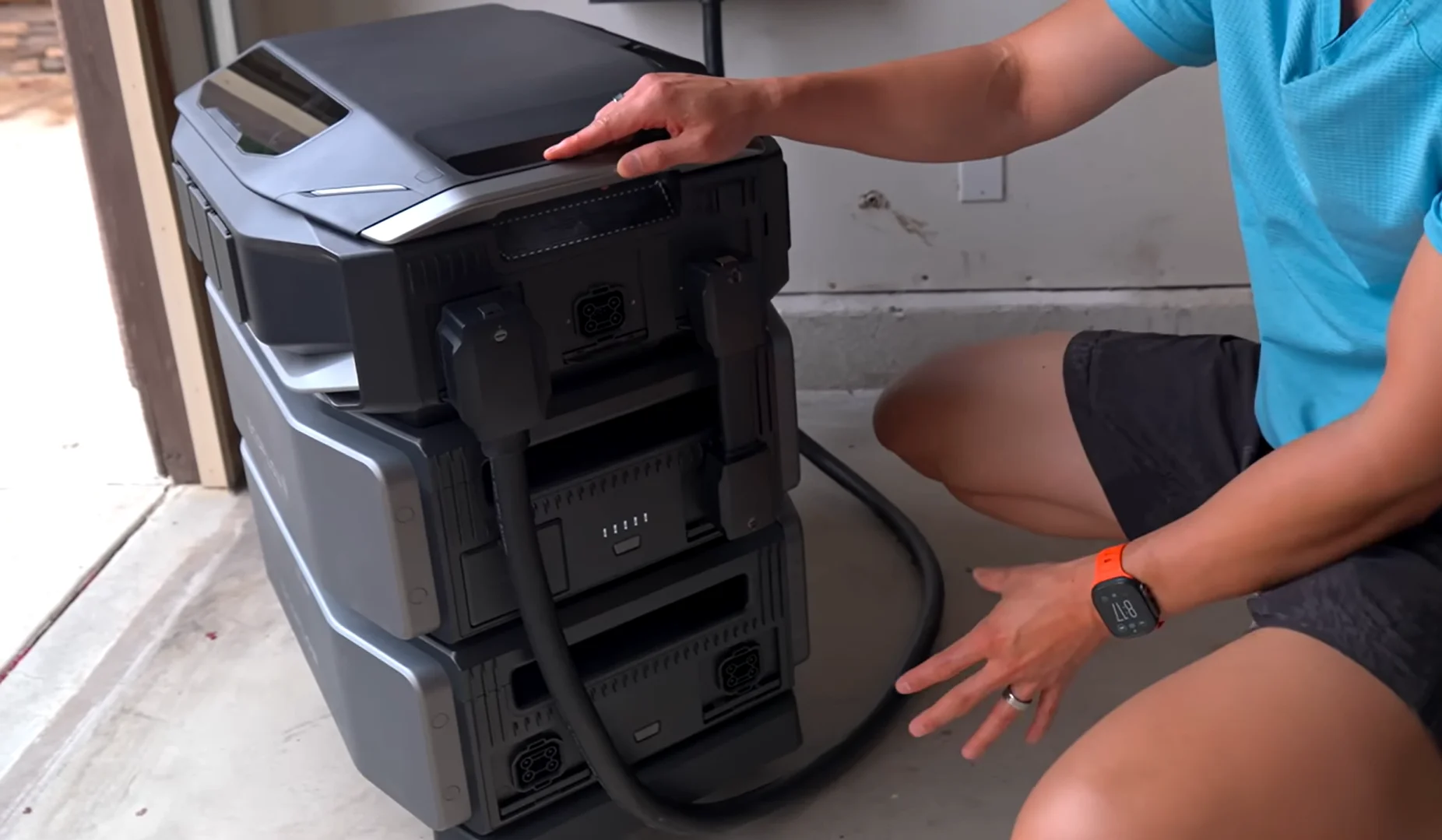
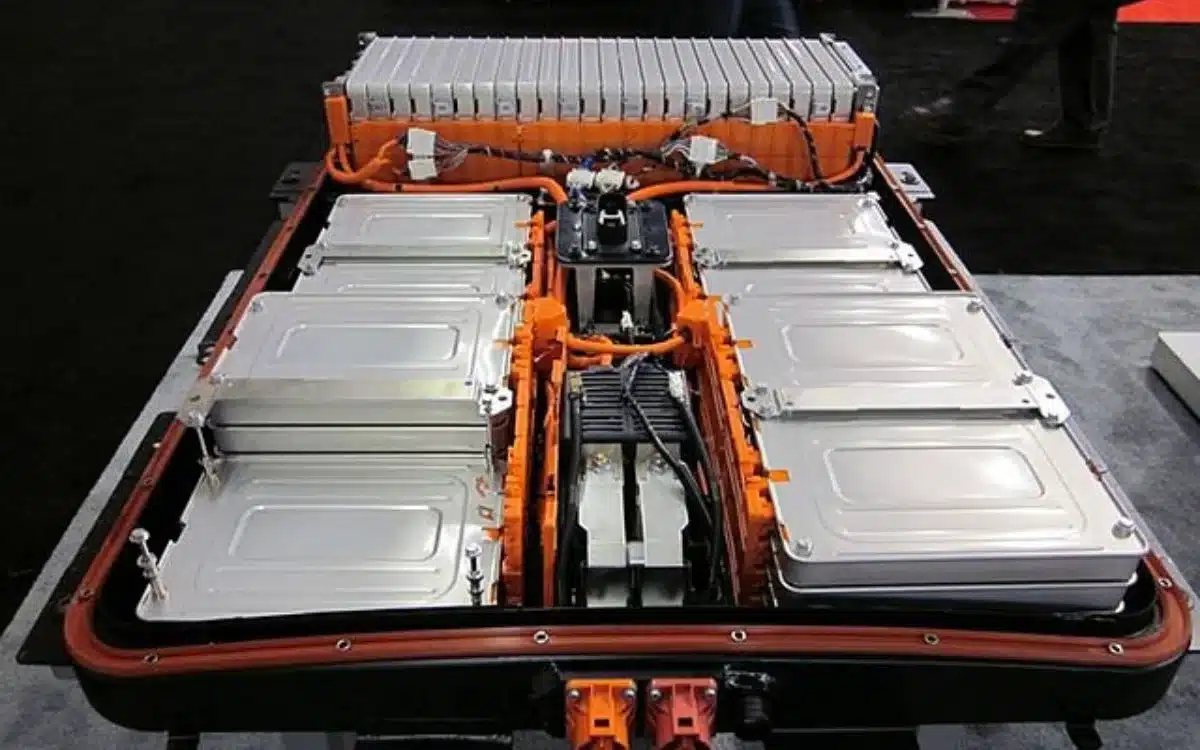
EcoFlow’s Delta Pro Ultra X is built to scale, with a single inverter rated at 12kw and the option to expand with additional inverters and battery packs.
Unlike fixed, wall-mounted batteries like the Tesla Powerwall, this setup is designed to be moved around – it’s even on wheels.
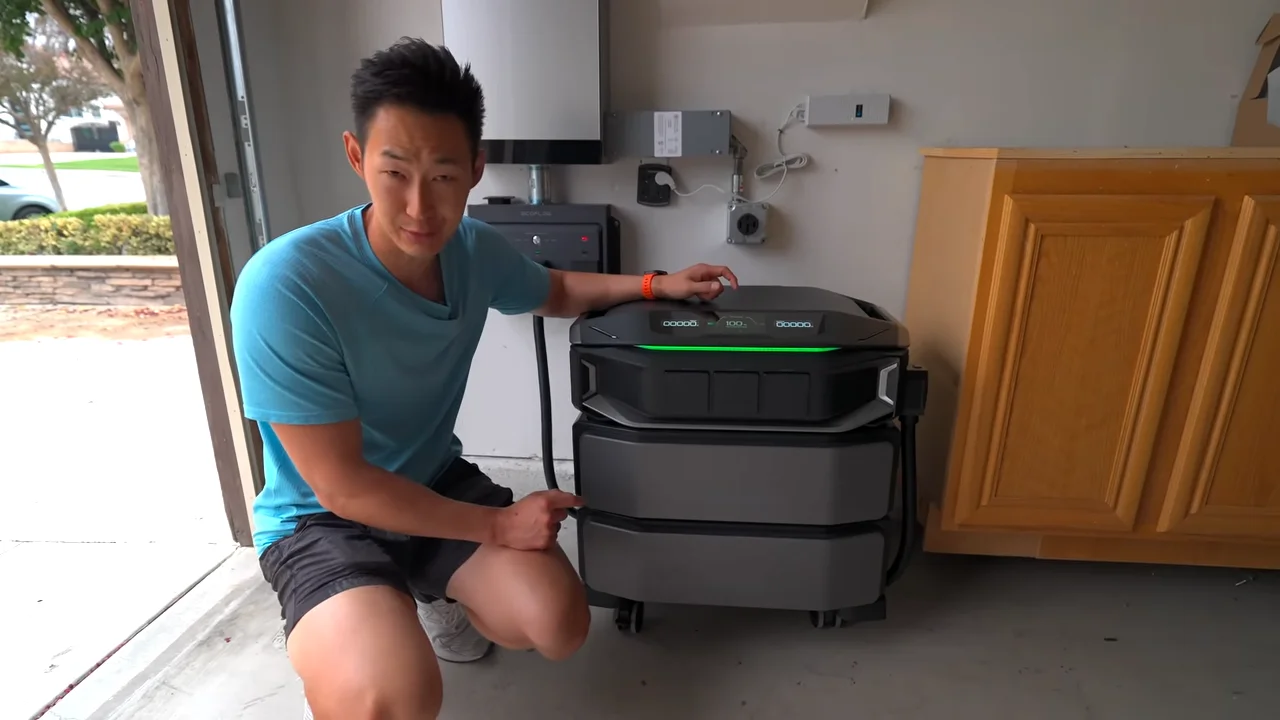
To make it a true whole-home solution, an electrician installed the Smart Home Panel 3, which supports up to 32 breakers and switches over in around 20 milliseconds if the grid drops.
The installer backed up nearly everything in the house, leaving out only one AC unit, and the total install time was about seven hours.
This was a huge improvement versus the months-long process he experienced with a solar and Powerwall setup with Tesla, so it was an improvement on the Powerwall in that regard.
Click the star icon next to supercarblondie.com in Google Search to stay ahead of the curve on the latest and greatest supercars, hypercars, and ground-breaking technology
Better than a Tesla Powerwall
Once the app was configured, the system behaved a lot like Tesla’s energy dashboard on his phone, showing grid power, battery percentage, home consumption, and backup estimates.
It also added a circuit-level control, letting the guy manually shut off individual circuits, set priorities for outages, and schedule battery use during peak rate windows like 4pm to 9pm to save money.
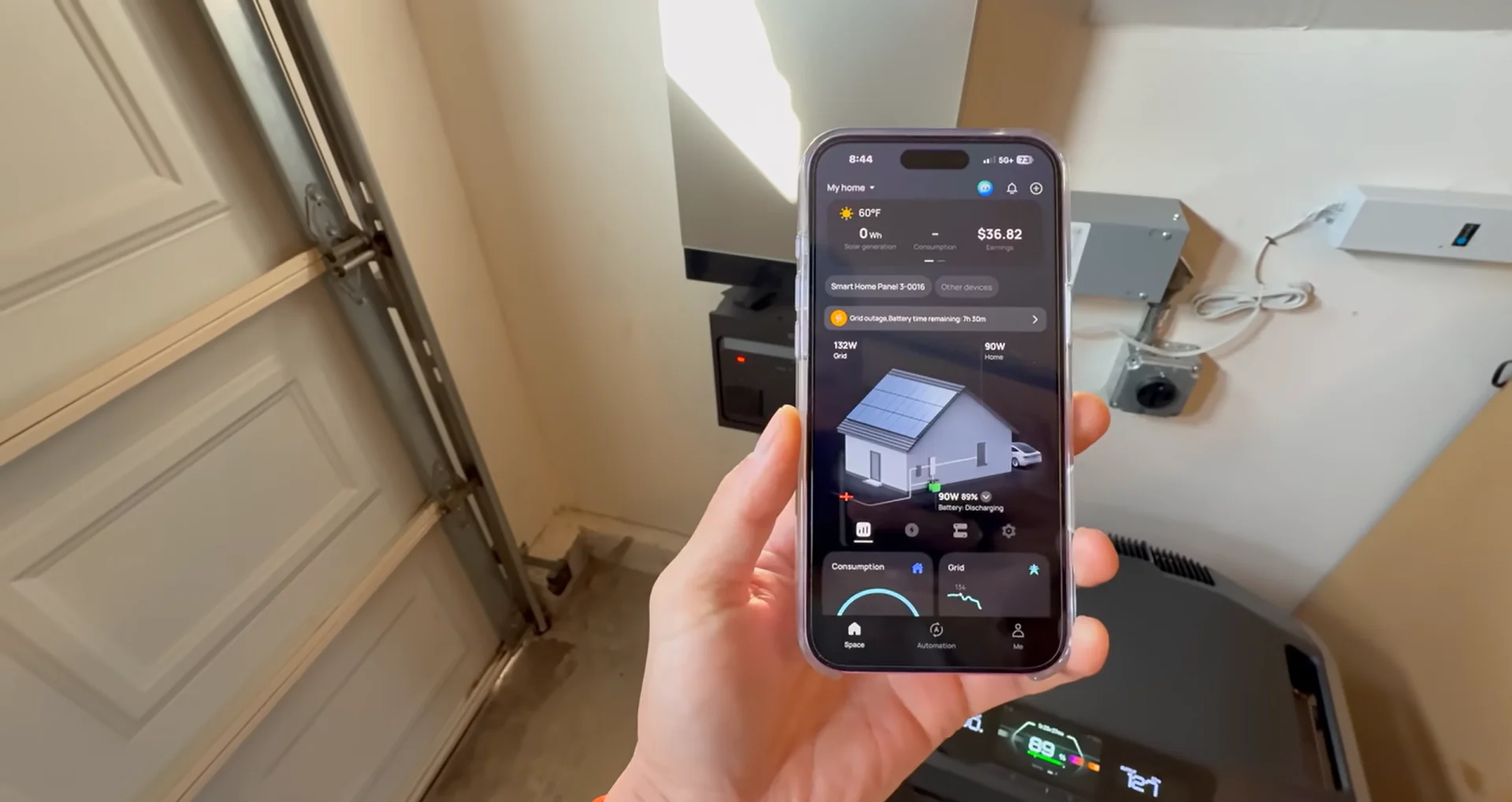
In a blackout test, the whole house stayed live as the panel flipped to battery power; however, with the AC running, the battery estimate dropped fast.
But the system still held surprisingly steady under its very increased load.
The biggest advantage he highlighted over a Tesla Powerwall is the flexibility you get when it comes to charging.

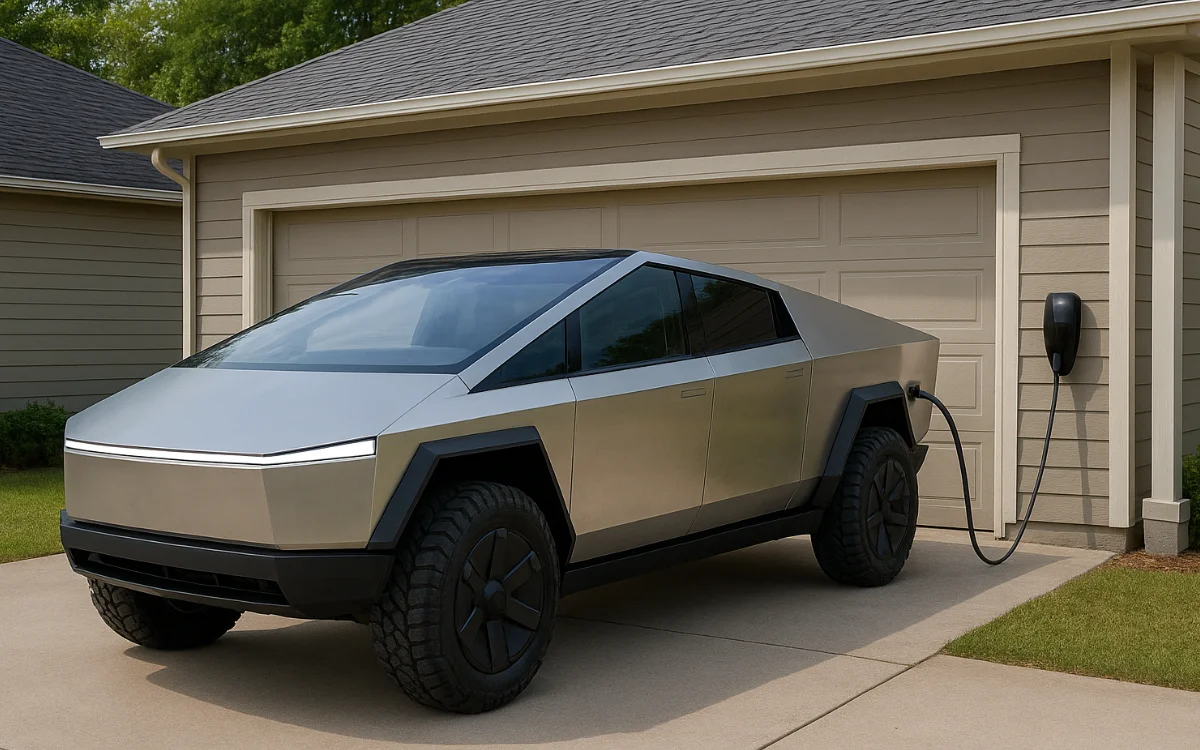
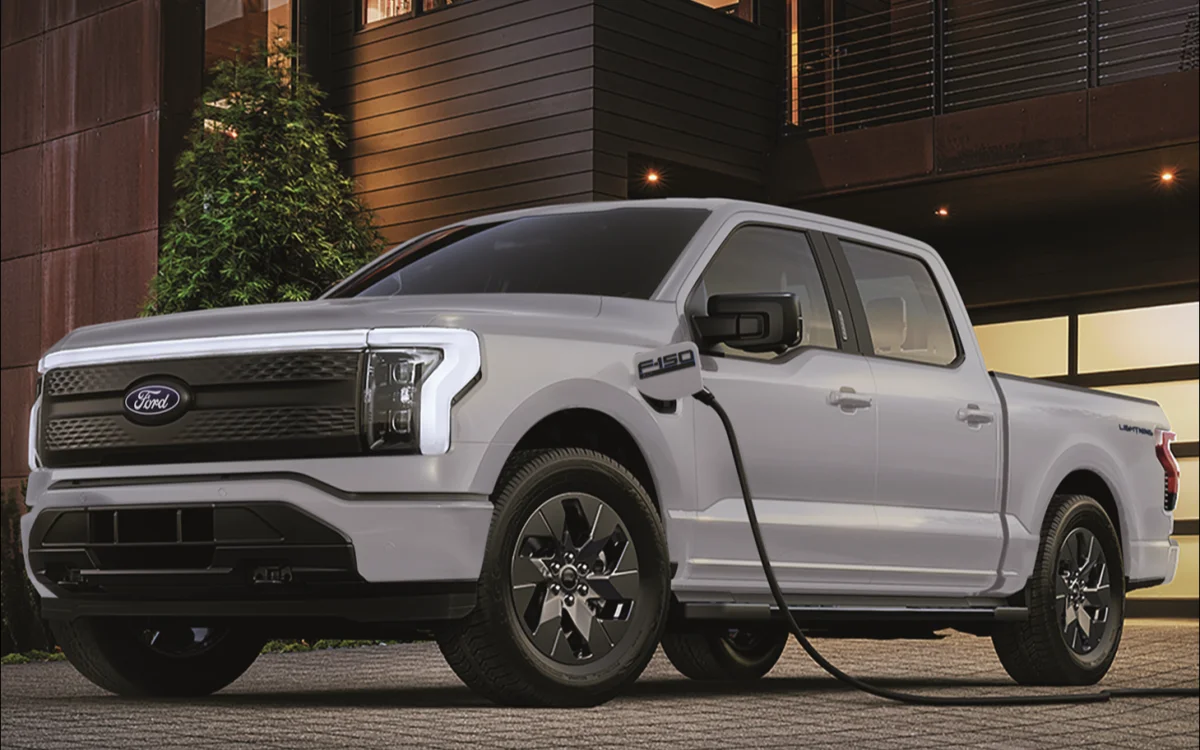
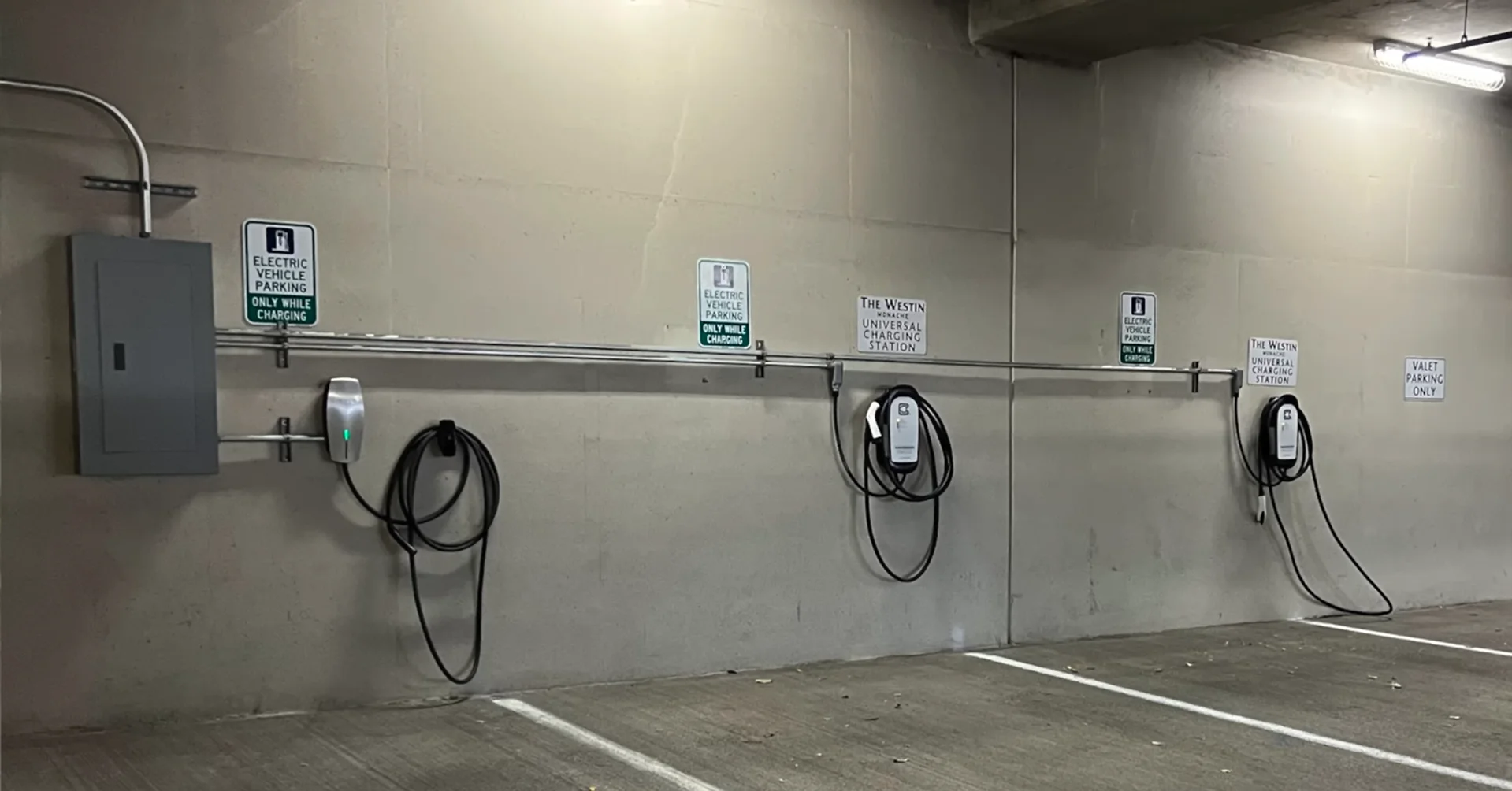
The EcoFlow can be charged from the grid or solar power, plus it can also take charge from a gas generator with an adapter, or even from a Level 2 EV charger, giving it more ways to stay topped up when conditions get rough, like a big winter storm.
Daisy is a technology and automotive journalist covering artificial intelligence, consumer tech, Apple news, cryptocurrency, emerging technologies, and transportation innovation. Since joining the team in 2025, she has reported on everything from AI-powered startups and major iOS updates to viral car stories and the latest developments shaping transportation and the digital economy. Drawing on her background in automotive journalism and a degree in History and Journalism from Goldsmiths, University of London, Daisy specializes in breaking down complex topics into clear, engaging reporting for a global audience. Her work spans cutting-edge technology, innovative vehicles, and the people driving change across both industries. Daisy has gained first-hand access to some of the world's most talked-about technologies and innovators, including meeting Tesla's Optimus humanoid robot during its first European appearance in London. She has also discussed the future of space exploration with an astronaut, bringing unique insights and real-world perspectives to her coverage of emerging technology.




