Japan planning to dispatch solar-powered flying 5G mobile base station
- Several countries are rolling out 5G, China has already installed 3 million stations
- Japan wants to launch flying stations, rather than stations on the ground
- A flying station can provide up to 60 times more coverage than one on the ground
Published on Jan 03, 2024 at 9:01 AM (UTC-5)
by Alessandro Renesis
Last updated on Jan 09, 2024 at 9:50 AM (UTC-5)
Edited by
Amelia Jean Hershman-Jones
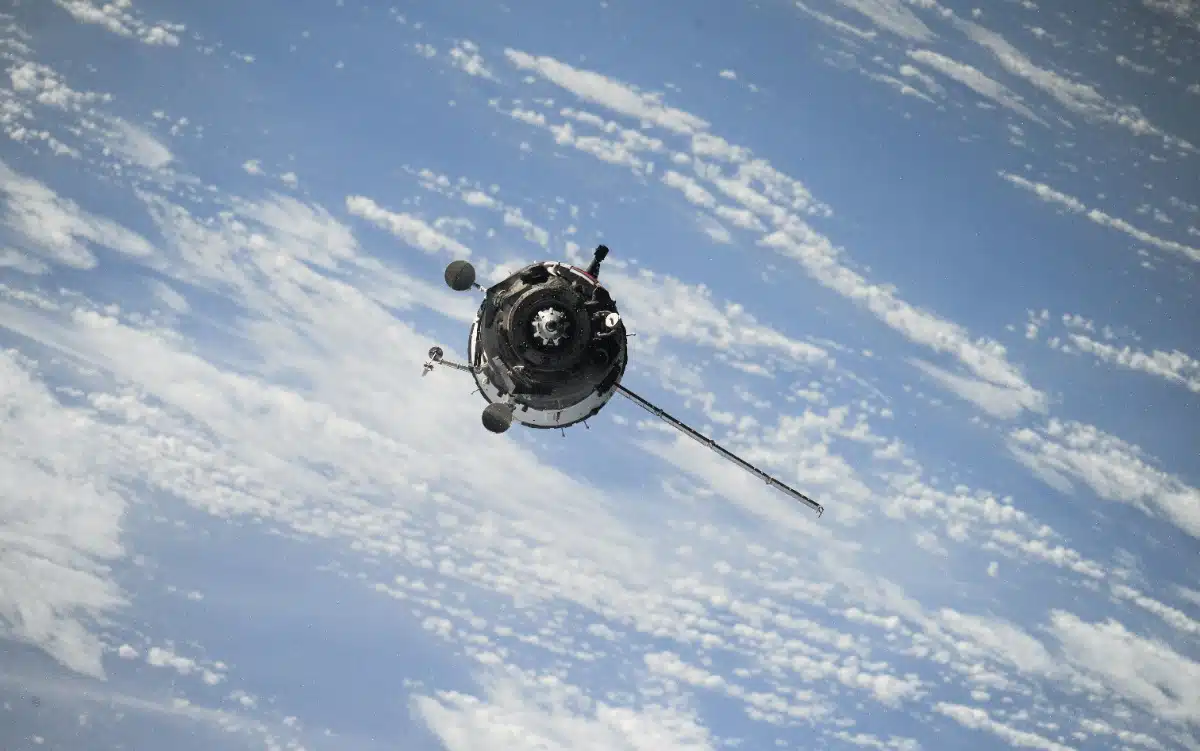

Japan wants to change the telecommunication industry with an avant-garde system to handle 5G.
If everything goes the plan, the country will deploy 5G flying stations in the coming years.
READ MORE: NASA’s car-sized rover makes startling discovery on Mars
The flying stations, which are scheduled for launch in 2025, are called High Altitude Platform Stations, or HAPS for short.
The technology aims to provide network coverage from above, rather than from the ground.
Several countries are working hard to roll out 5G, especially the US and China.
China in particular has already installed three million base stations.
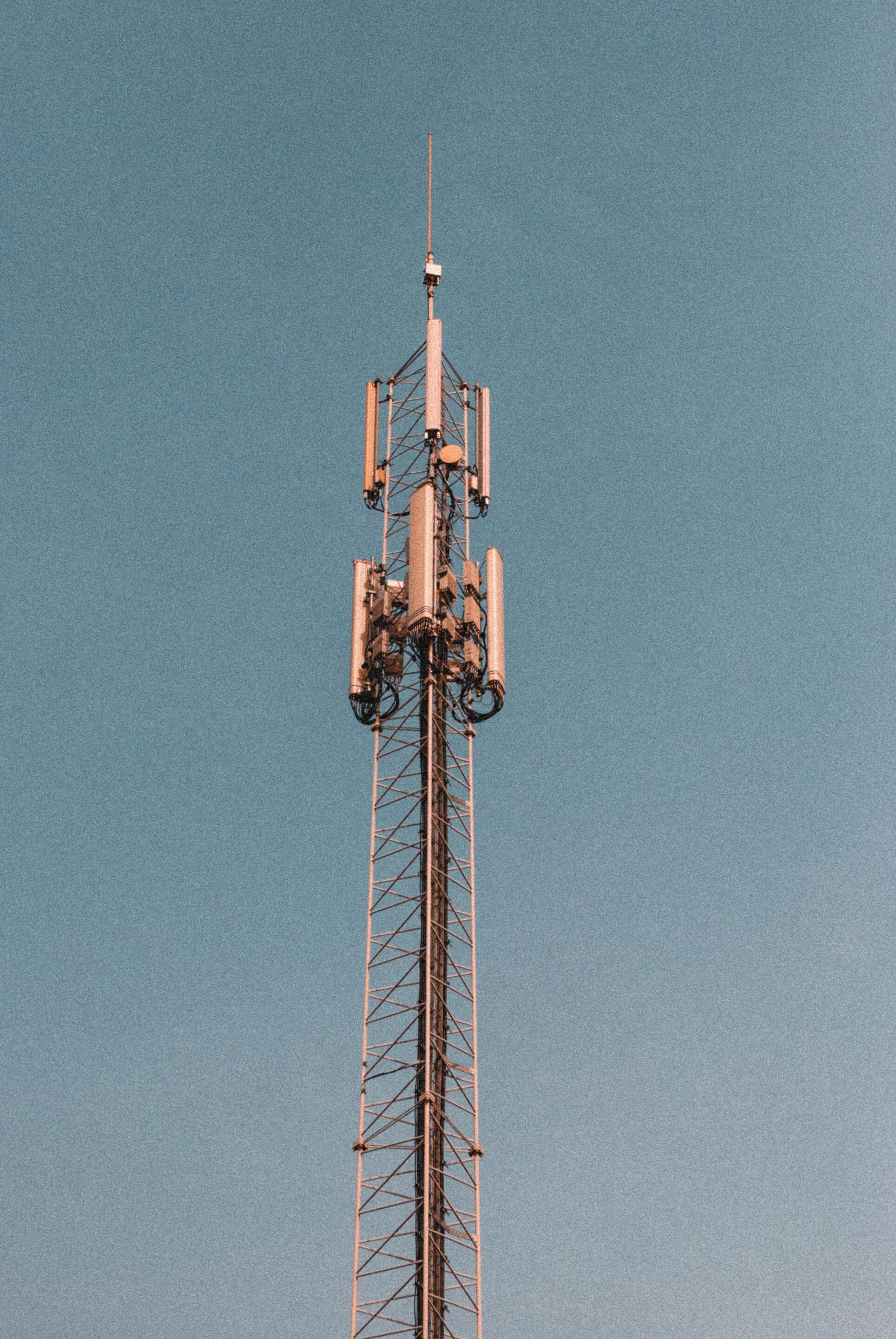
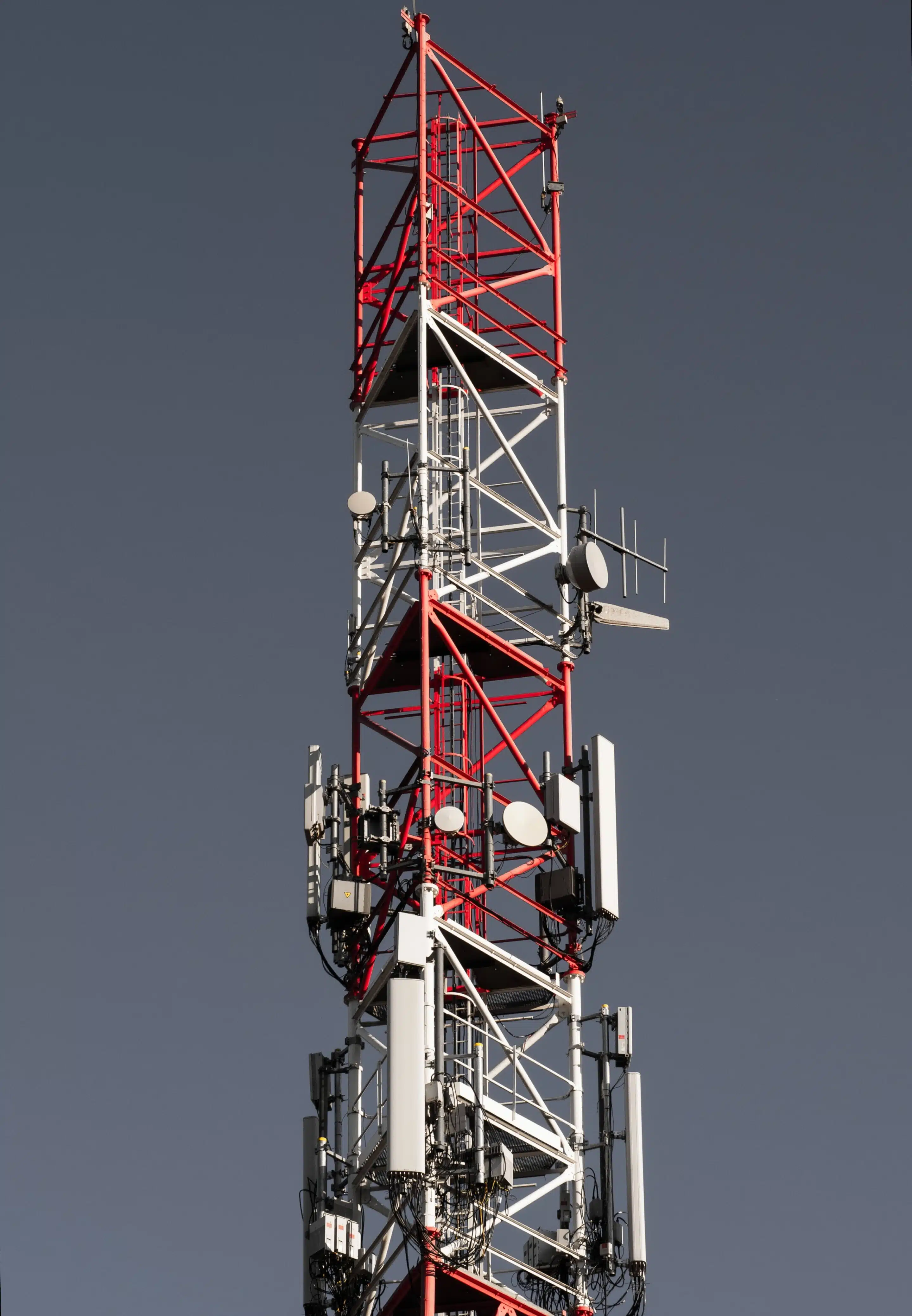
Japan wants to stay ahead of the curve by launching solar-powered flying stations, which, in theory, work better than stations on the ground for two reasons.
First, they are more reliable and second, they’re also more sustainable considering they’re powered by solar energy.
A ground-based station has a relatively limited range.
It varies depending on the topography but, ballpark, they cover between 2 and 7 miles (3-10 km).
It’s good but not great.
By contrast, a solar-powered HAPS covers over 120 miles.
So not only are they more efficient and provide better range, but we need fewer of them to cover larger areas.
One of the most widely used ‘flying’ station systems, and arguably the most famous, is Starlink.
Owned and run by Elon Musk’s SpaceX, Starlink is a satellite internet constellation system that provides coverage in over 70 countries.
It is used by countries and governments, but it can be used by individuals as well.
SpaceX even sells a portable ‘router’ called Starlink Roam, which can be bought by anyone and used just about anywhere.
Earlier this year, a guy actually turned his sedan into an 80 mph WiFi router by mounting Roam on the roof of his car.


Alessandro is an automotive journalist with 10 years of experience covering supercars, automotive history, emerging vehicle technology, and luxury transportation. He wrote the first article published on SupercarBlondie.com when the website launched in 2022 and has since built a reputation for insightful reporting across the automotive and transportation industries. His expertise is grounded in hands-on experience. Alessandro has driven every Tesla model ever produced, from the original Roadster to the Cybertruck, and regularly covers the latest developments in electric vehicles and automotive innovation. His passion for transportation extends beyond cars, he has even flown a Boeing 787 Dreamliner simulator in Addis Ababa, Ethiopia. His reporting spans everything from classic American muscle cars and rare automotive discoveries to luxury yachts, private aircraft, high-end watches, and cutting-edge vehicle technology. Known for his deep knowledge of automotive history and ability to uncover the stories behind iconic vehicles, Alessandro brings readers a blend of historical context, technical expertise, and first-hand experience.




