Man given Elon Musk’s Neuralink brain chip says it feels 'magical'
Published on Jan 29, 2026 at 11:18 AM (UTC-5)
by Daisy Edwards
Last updated on Jan 29, 2026 at 1:49 PM (UTC-5)
Edited by
Emma Matthews
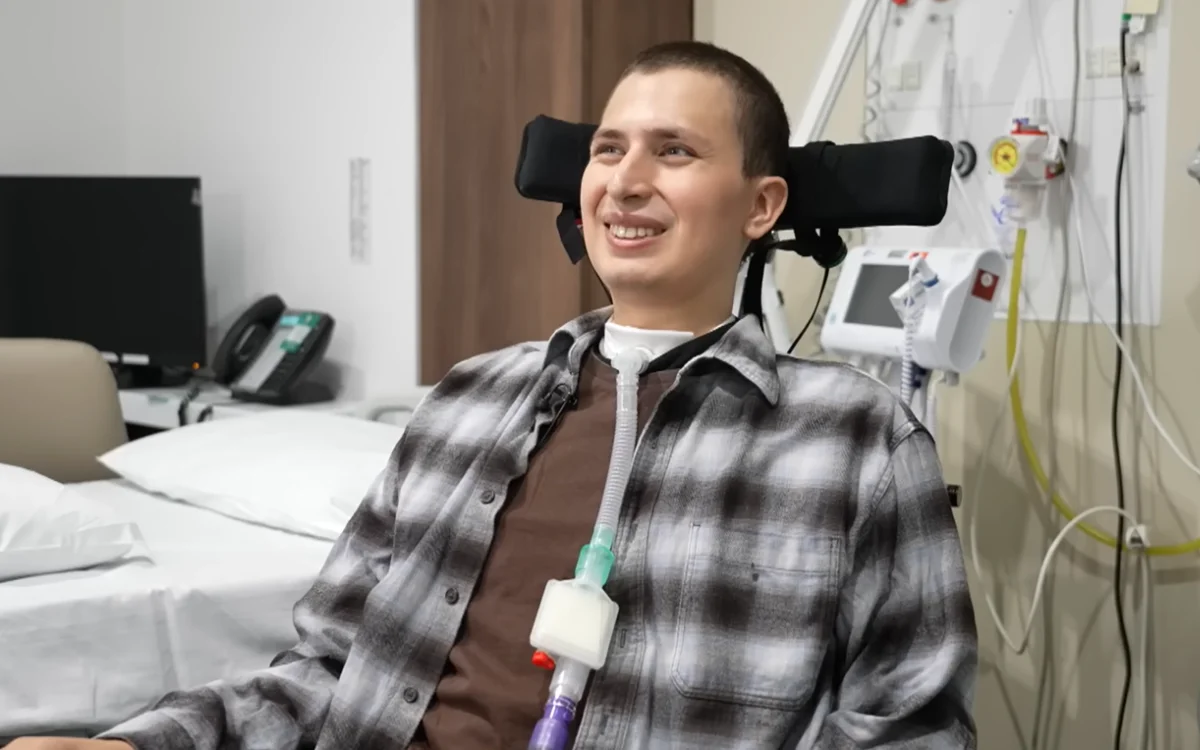

A man taking part in a UK trial of the Neuralink brain chip says the tech ‘feels magical’ after it helped him control a computer using only his thoughts.
The volunteer, Sebastian Gomez-Pena, was paralyzed from the neck down after an accident just as he was starting medical school.
Now, he says the implant has given him ‘a new piece of hope’ as he works toward getting more independence back.
The breakthrough is being seen as a major step forward for brain-computer interface technology.
EXPLORE SBX CARS – Supercar auctions starting soon powered by Supercar Blondie
Elon Musk’s Neuralink brain chip has changed this man’s life
Sebastian Gomez-Pena is one of seven people in the UK fitted with Neuralink’s implant as part of a tech study focused on safety and reliability.
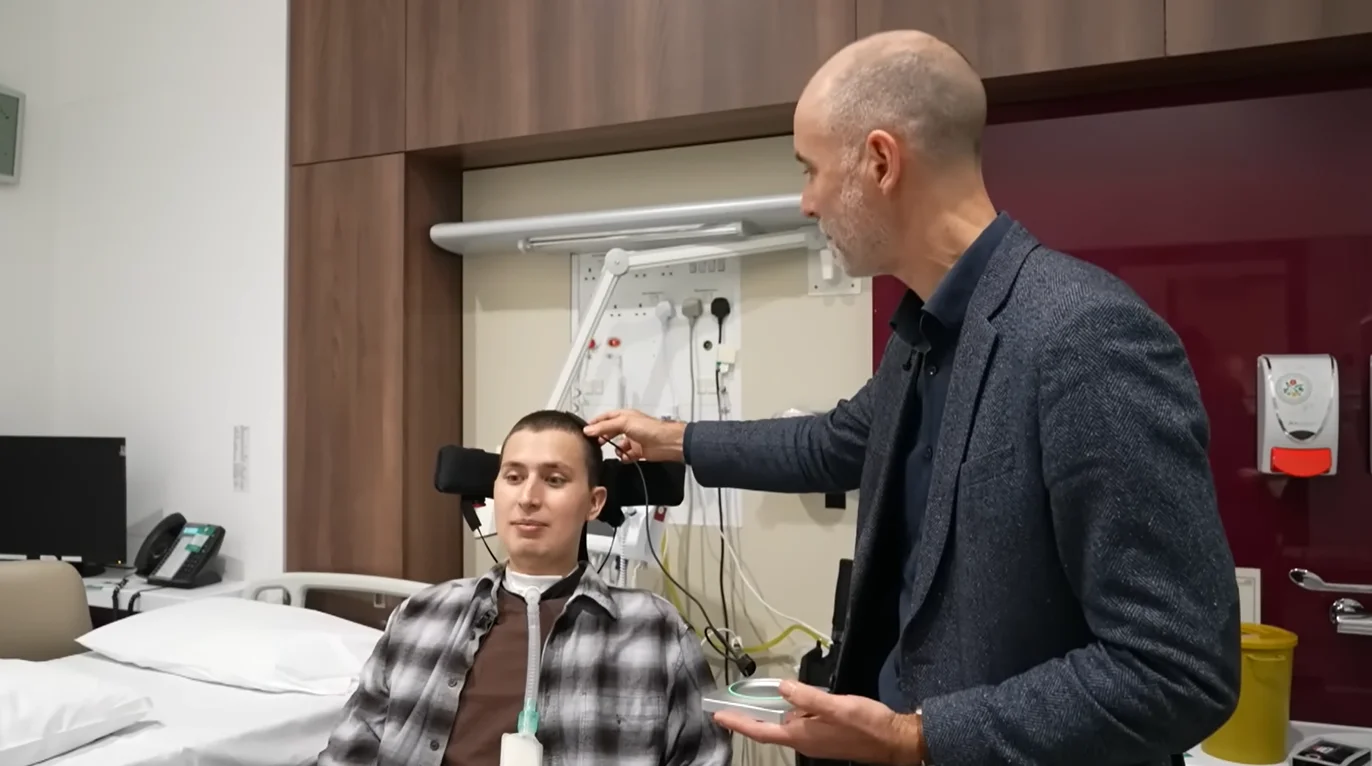
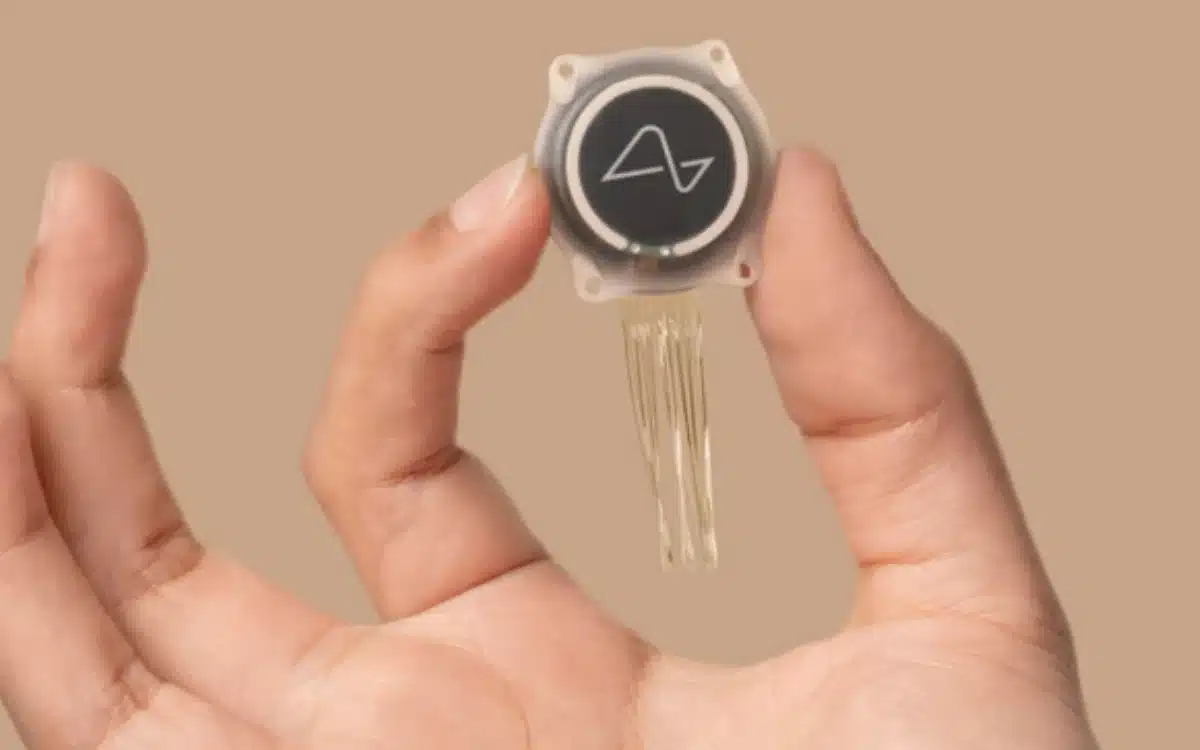
The device was implanted during a five-hour operation at University College London Hospital, using Neuralink’s R1 surgical robot to place microscopic electrode threads into his brain tissue.
In his case, the implant links to 1,024 electrodes positioned in the area of the brain involved in hand movement.
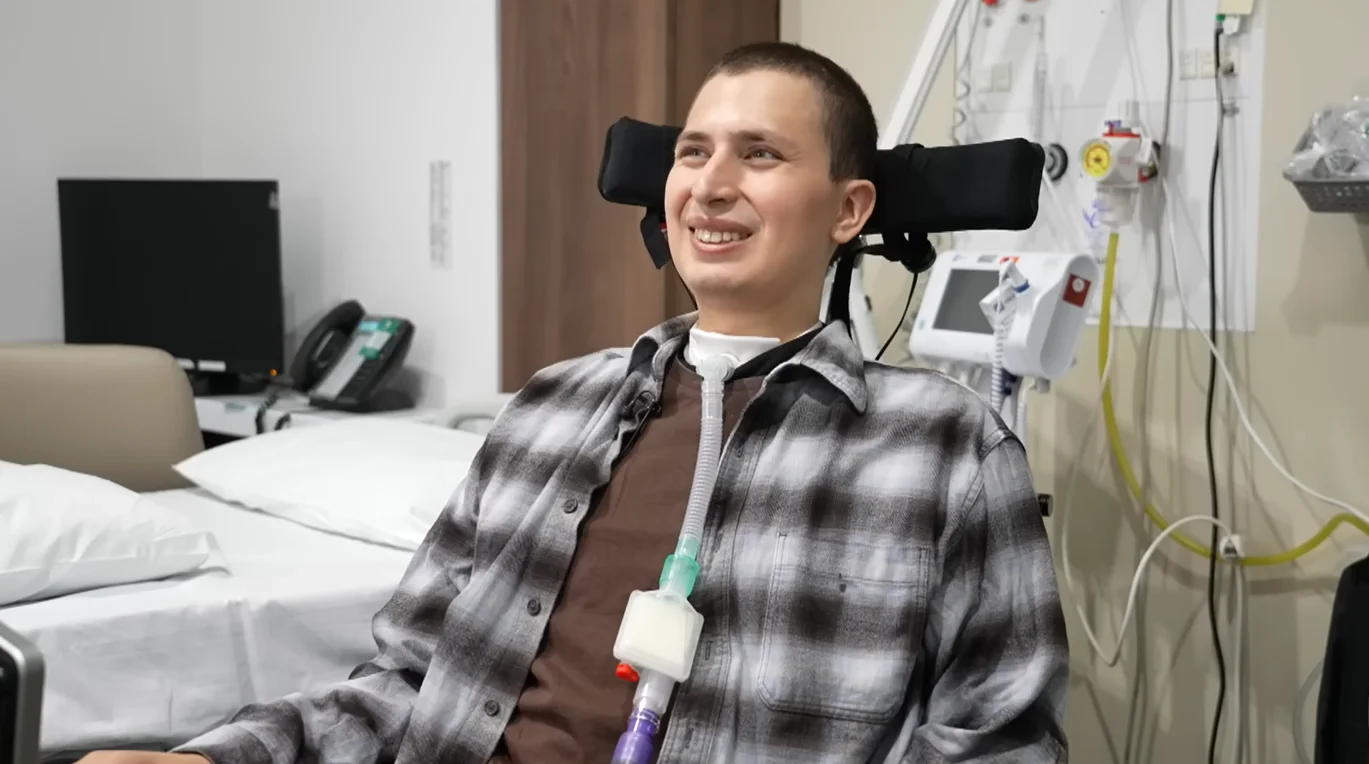
Neuralink says the system sends data wirelessly to a computer, where AI software learns to interpret the electrical signals.
When Gomez-Pena thinks about moving his hand or tapping a finger, that intent is translated into cursor movement and mouse clicks on the screen.
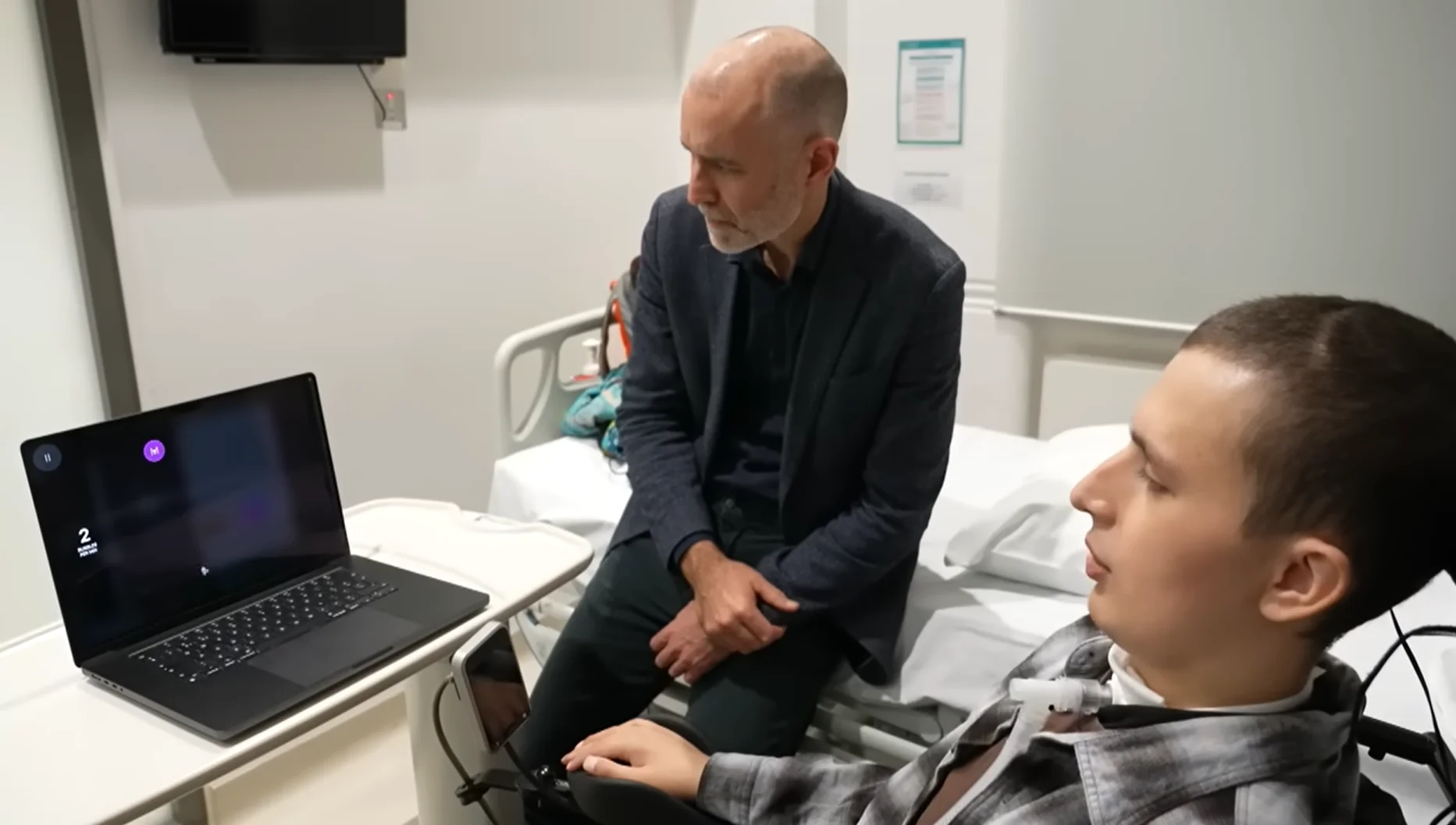
Sky News watched him flip through medical school reading, highlight text, and open and close windows at a speed that looked comparable to a typical mouse or trackpad user.
Gomez-Pena described it as a rare moment where thinking about movement leads to something real happening again.
Click the star icon next to supercarblondie.com in Google Search to stay ahead of the curve on the latest and greatest supercars, hypercars, and ground-breaking technology
He says it feels ‘magical’
The neurosurgeon leading the UK trial, Harith Akram, called the level of control ‘mindblowing’ and said the technology could be a ‘game-changer for people with severe neurological disability, in a world built around screens.
Neuralink’s results have not yet been published in peer-reviewed journals, but the trial is part of a wider push.
Reports say 21 people across the US, Canada, the UK, and the UAE now have the implant, all with severe paralysis from causes including spinal injury, stroke, or conditions like ALS.
Some users have reportedly progressed to typing on a virtual keyboard, while others have used a robotic arm to feed themselves.
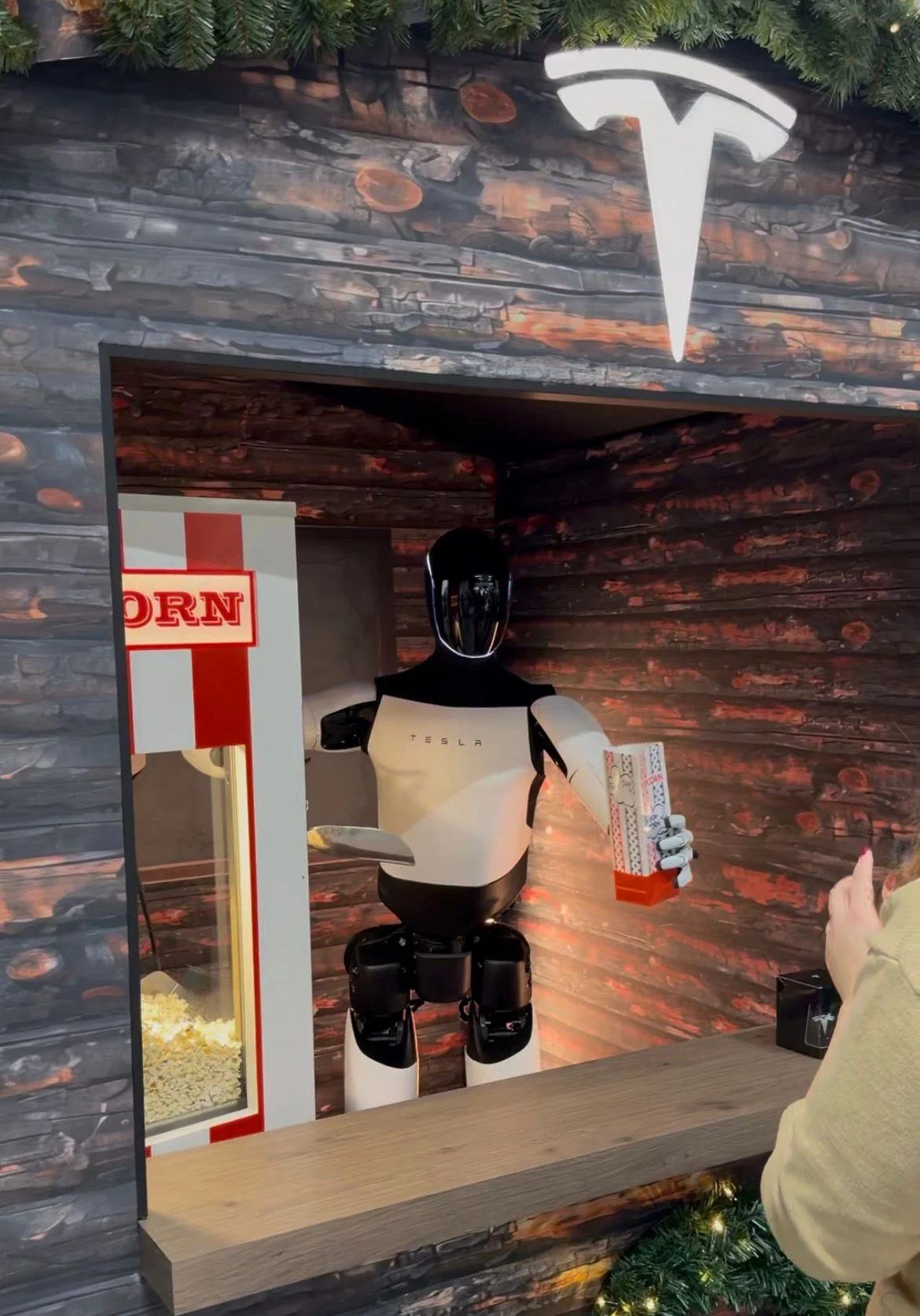
Neuralink has even floated the idea of connecting the system to a Tesla Optimus robot, effectively letting a person ‘inhabit’ a robotic body.
This is a great use of modern technology, giving disabled people their lives back.
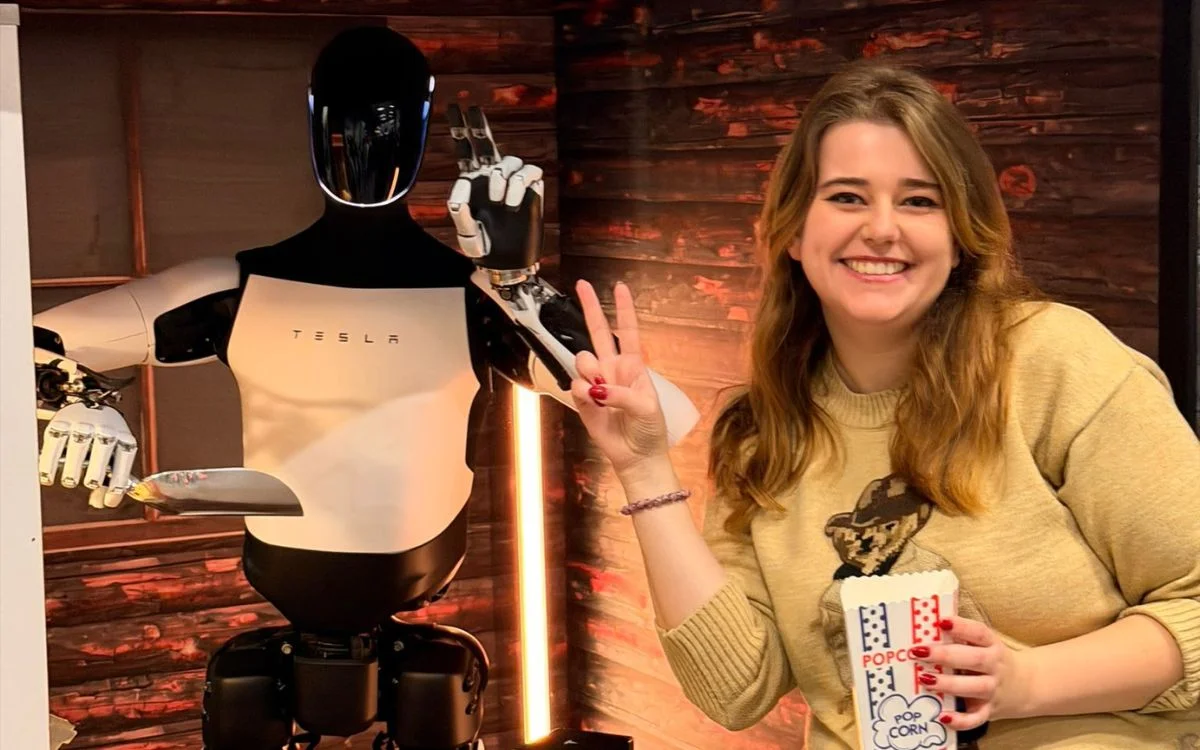
Daisy is a technology and automotive journalist covering artificial intelligence, consumer tech, Apple news, cryptocurrency, emerging technologies, and transportation innovation. Since joining the team in 2025, she has reported on everything from AI-powered startups and major iOS updates to viral car stories and the latest developments shaping transportation and the digital economy. Drawing on her background in automotive journalism and a degree in History and Journalism from Goldsmiths, University of London, Daisy specializes in breaking down complex topics into clear, engaging reporting for a global audience. Her work spans cutting-edge technology, innovative vehicles, and the people driving change across both industries. Daisy has gained first-hand access to some of the world's most talked-about technologies and innovators, including meeting Tesla's Optimus humanoid robot during its first European appearance in London. She has also discussed the future of space exploration with an astronaut, bringing unique insights and real-world perspectives to her coverage of emerging technology.




