Mystery packages are showing up on American doorsteps with QR codes on them and the FBI says it is a trap
Published on Mar 09, 2026 at 8:55 AM (UTC+4)
by Claire Reid
Last updated on Mar 09, 2026 at 8:55 AM (UTC+4)
Edited by
Claire Reid
The FBI issued a warning as homes across the US began receiving unsolicited packages with dubious QR codes that could see victims scammed out of their cash.
Sadly, modern tech is used all too often by scammers.
And back in July, the FBI alerted the public to a new scam that’s been popping up throughout the US.
It starts with the victim receiving a package out of the blue, but if they’re not careful, it could land them in serious financial trouble.
Click the star icon next to supercarblondie.com in Google Search to stay ahead of the curve on the latest and greatest supercars, hypercars, and ground-breaking technology
The scam uses QR codes on mystery packages to try and lure in victims
The scam is a variation of less harmful ‘brushing scams’, which have been around for a while.
Typically, a brushing scam involves a company sending out a product to an unsolicited stranger and then writing a fake review in that person’s name to improve their online ratings.
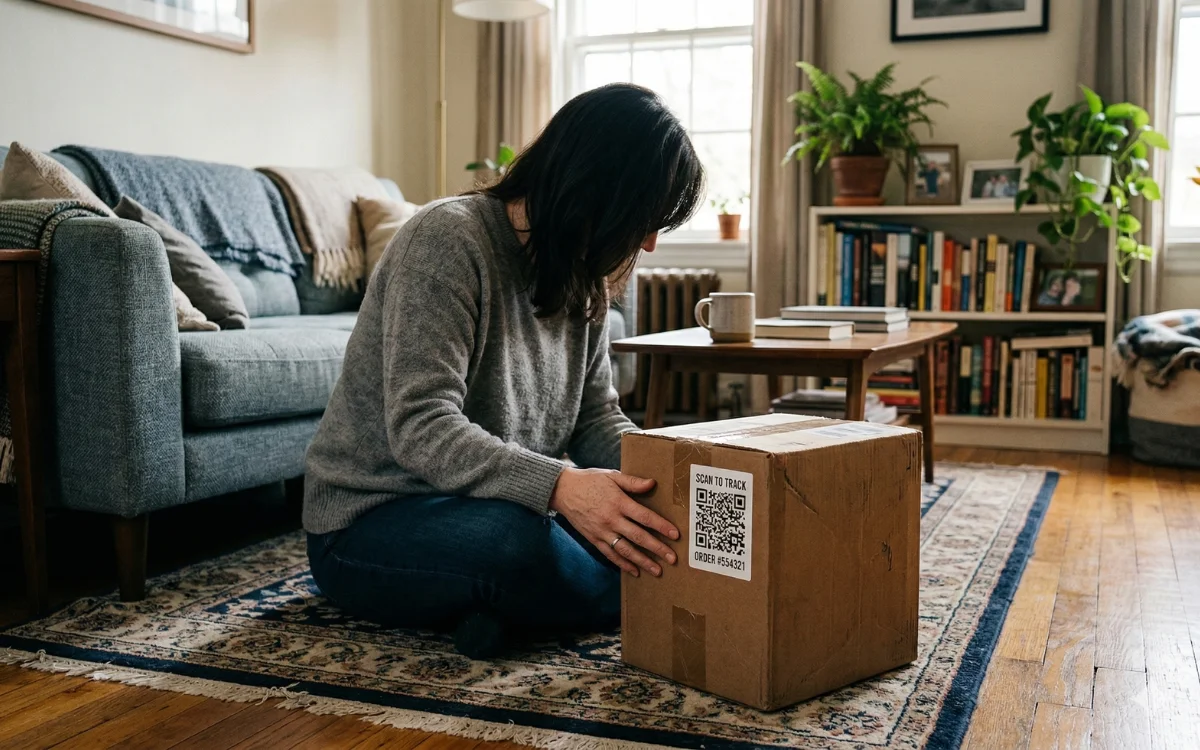
However, while traditional brushing scams are more of an annoyance than a serious crime, the new variation is a lot more harmful.
This time around, scammers are sending out unsolicited parcels that come with a printed QR code either on the packaging or inside.
The boxes don’t come with a return address, so the person who has received it will have no clue where it originated from.
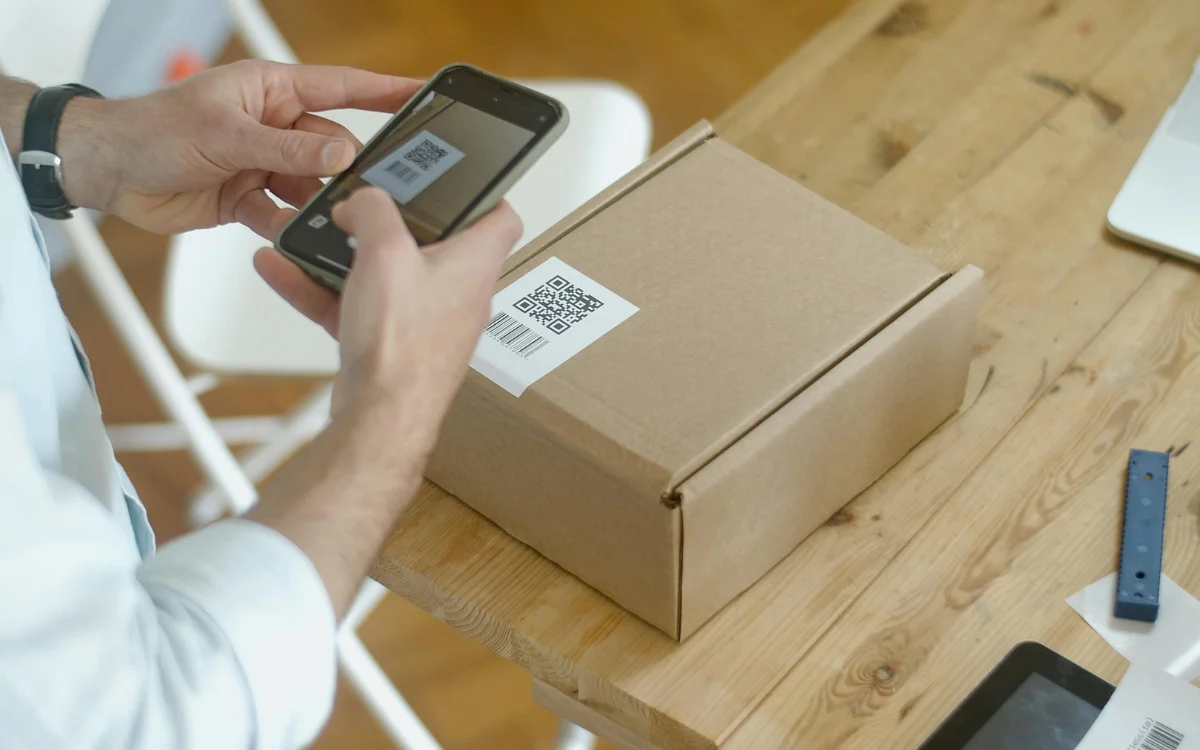
If the recipient then scans that QR code, they’ll be taken to a fraudulent phishing website where they’ll be asked to input sensitive information, like credit card details or banking information.
These websites can look very similar to the real deal, which means folks may share their details without realizing they’re about to be scammed.
Even more worryingly, cybersecurity company NordVPN told CNBC that a whopping 73 percent of Americans scan QR codes without verification, and more than 26 million people admit to being sent to malicious sites.
The FBI and FTC have issued warnings about the scams
The scam has been around for at least a couple of years, but last year the FBI issued a warning to people to be alert, particularly if they find themselves in receipt of a package they didn’t order.
In the warning, the FBI noted that the scam is still fairly rare, but urged Americans to be vigilant to avoid being scammed.
“The FBI warns the public about a scam variation in which criminals send unsolicited packages containing a QR code that prompts the recipient to provide personal and financial information or unwittingly download malicious software that steals data from their phone,” the agency said.
The statement went on to request that anyone who had been a victim of the scam report it to the FBI.
A few months prior to the FBI warning, the Federal Trade Commission shared its own statement about the scams and offered some advice for those who may have been duped.
“If you scanned the QR code and entered your credentials, like your username and password, into a website, change your password right away,” the FTC said.
“Create a strong password that is hard to guess, and turn on two-factor authentication.”
You can also request a free credit report to check whether anyone has used your information fraudulently.
DISCOVER SBX CARS: The global premium car auction platform powered by Supercar Blondie
With a background in both local and national press in the UK, Claire has covered a range of topics, including technology, gaming, and cryptocurrency, since joining the editorial team at Supercar Blondie in May 2024. Her ability to be first to a story has been integral to making SB’s coverage of scientific discovery, AI, and global tech news a slick 24/7 operation.