Astronaut takes awe-inspiring picture of Earth's airglow from space
- Earth’s airglow is one of many phenomena generated by the collision of different atoms and particles
- Depending on the weather, it can also be visible to the naked eye
- NASA and ESA astronaut Andreas Mogensen was able to take one of the best airglow pictures we’ve ever seen
Published on Feb 01, 2024 at 11:48 AM (UTC-5)
by Alessandro Renesis
Last updated on Feb 02, 2024 at 11:46 AM (UTC-5)
Edited by
Adam Gray
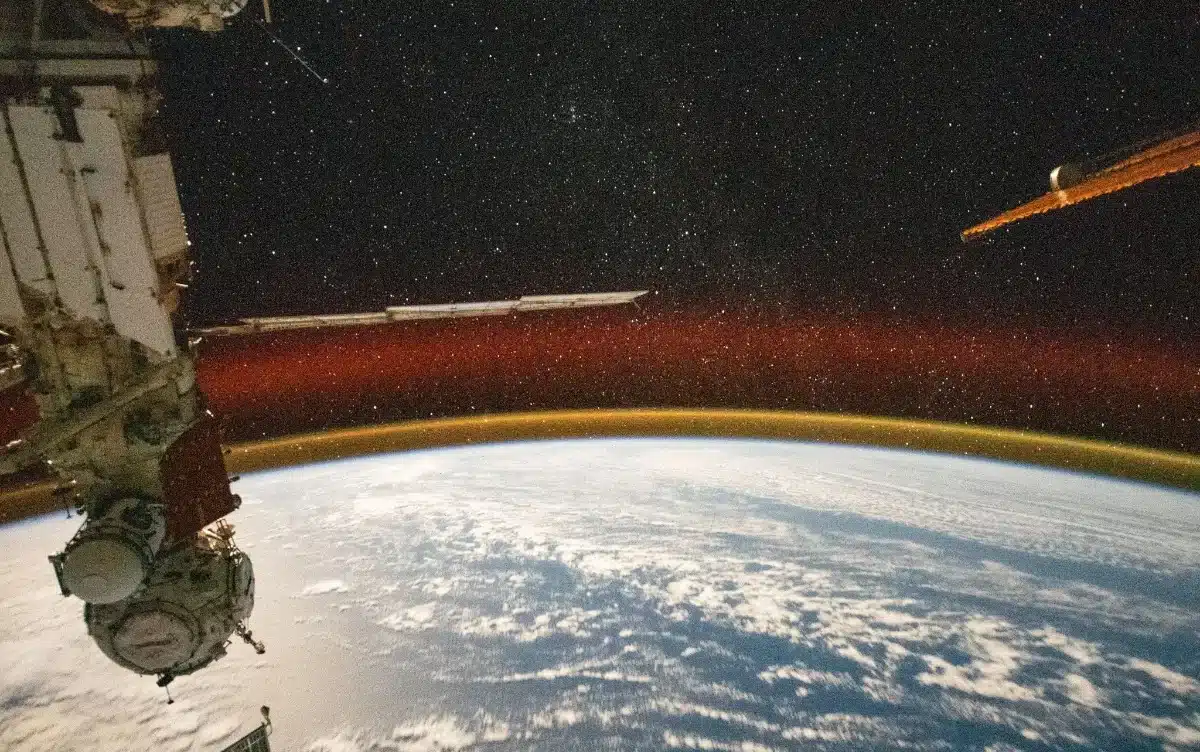

Earth’s airglow is one of many glowing phenomena known to mankind.
And it is arguably one of the most beautiful to behold.
READ MORE: Astronaut Mark Vande Hei returned to earth a changed man after 355 days aboard the ISS
A variety of glowing phenomena can be created by the interaction between light from the sun and atmosphere particles.
That is exactly what generates the Northern and Southern lights.
But it also generates a lesser known effect known as airglow.
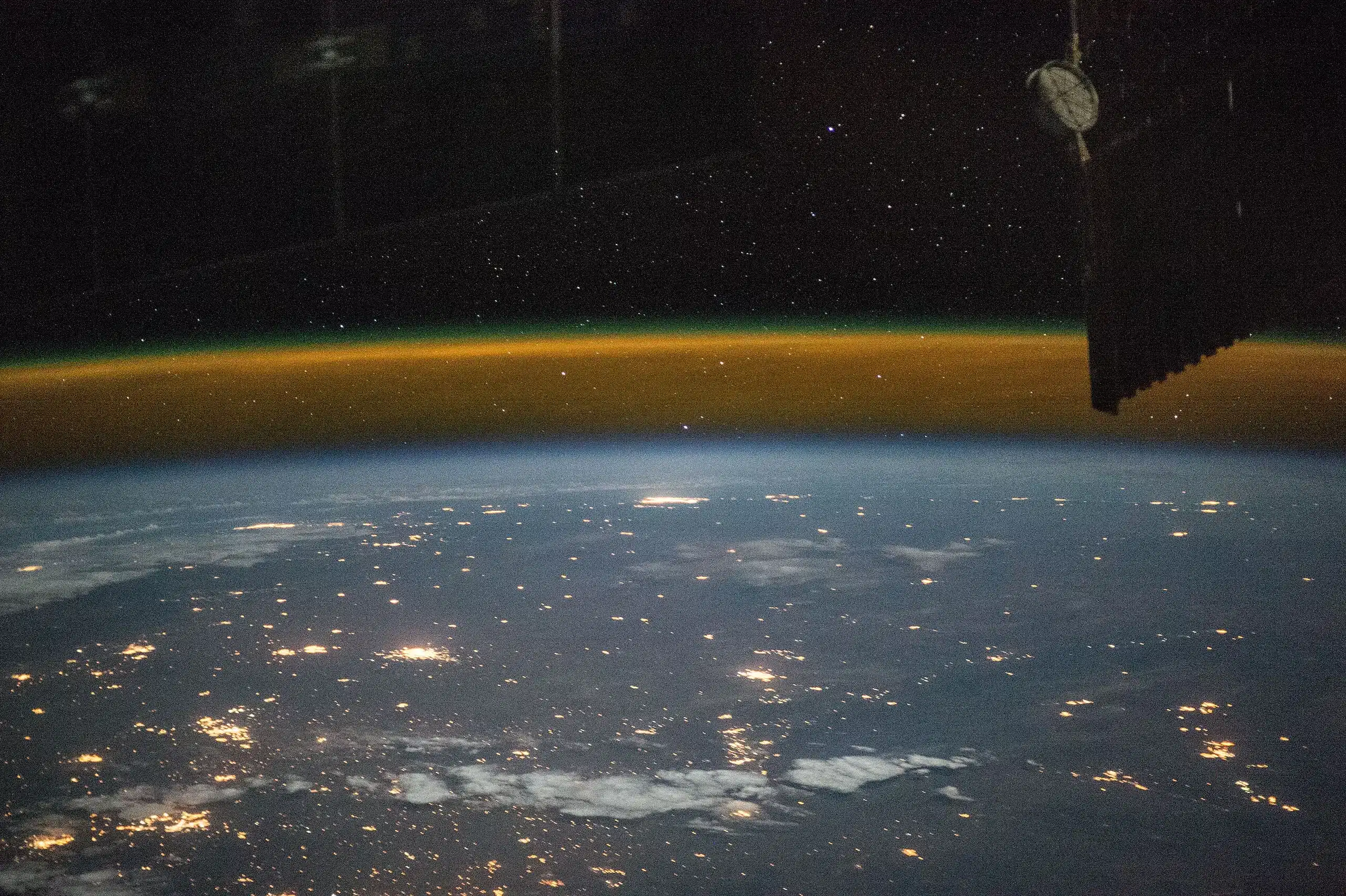
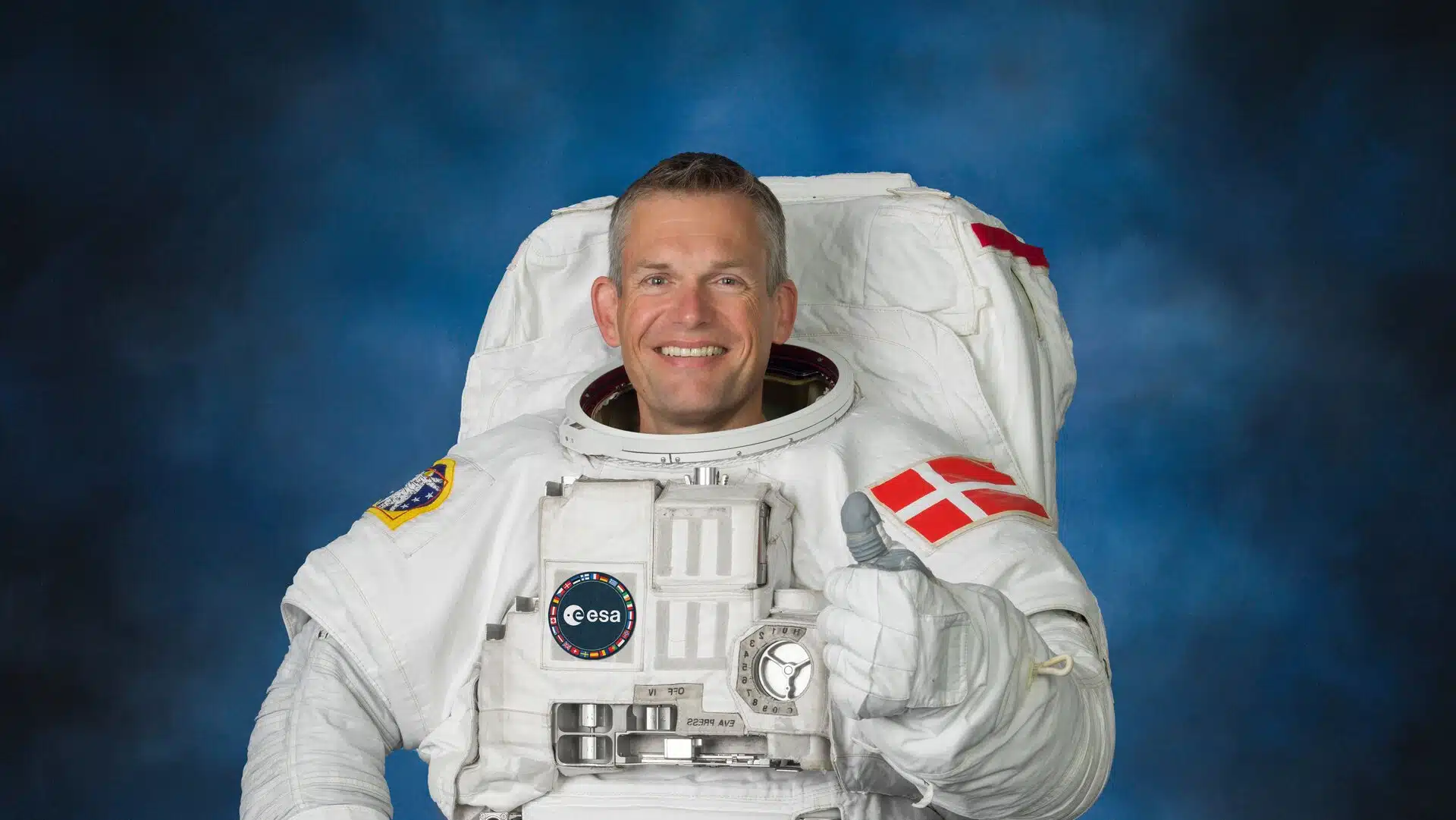
One of the best and clearest picture of Earth’s airglow was taken by NASA and ESA astronaut, Andreas Mogensen (pictured below), from the ISS.
He was able to capture a double airglow in the atmosphere and it’s absolutely magnificent.
The combination of yellow and red glow is created by sodium and oxygen respectively and, in some cases, hydroxyl, which is a blend of oxygen and hydrogen.
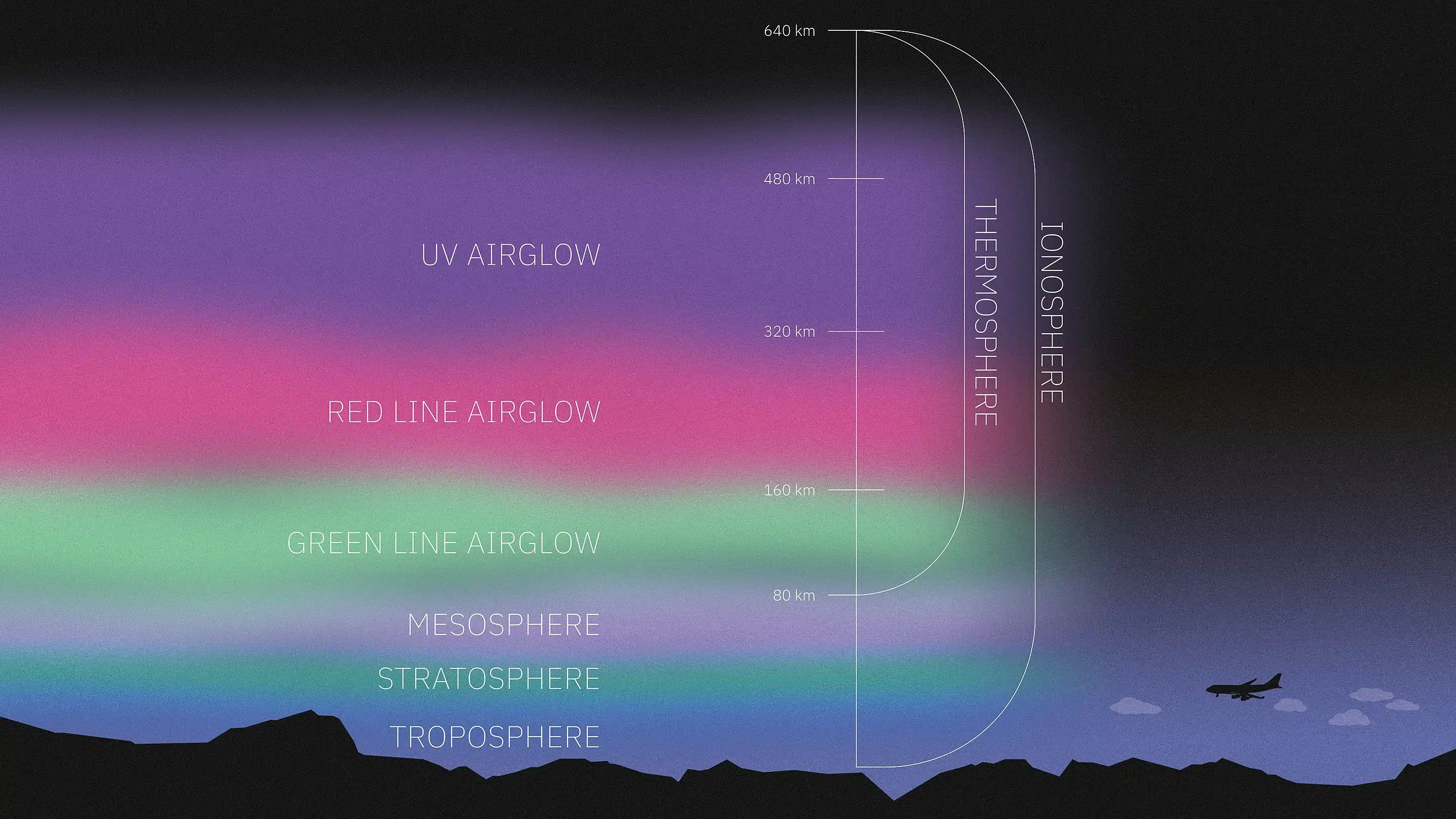
When the molecules and atoms interact, a weak luminescence in the upper atmosphere appears.
Molecules are energized by the sun, but that energy is then lost within hours.
However, before the energy fades away, the airglow is created.
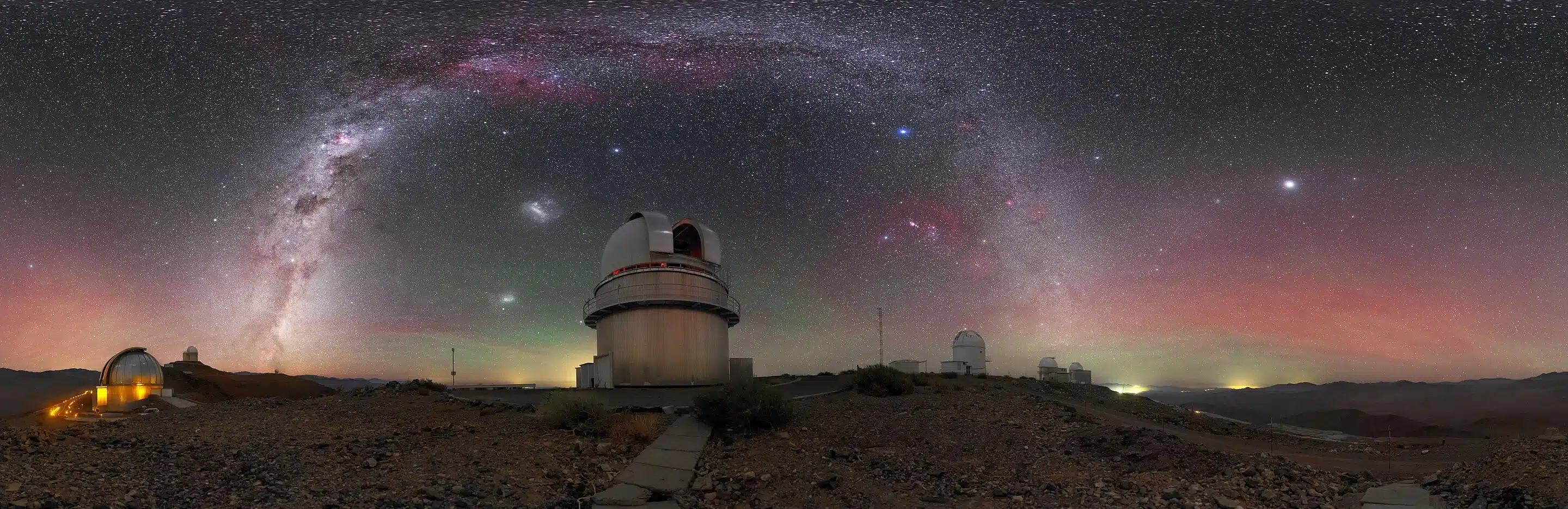
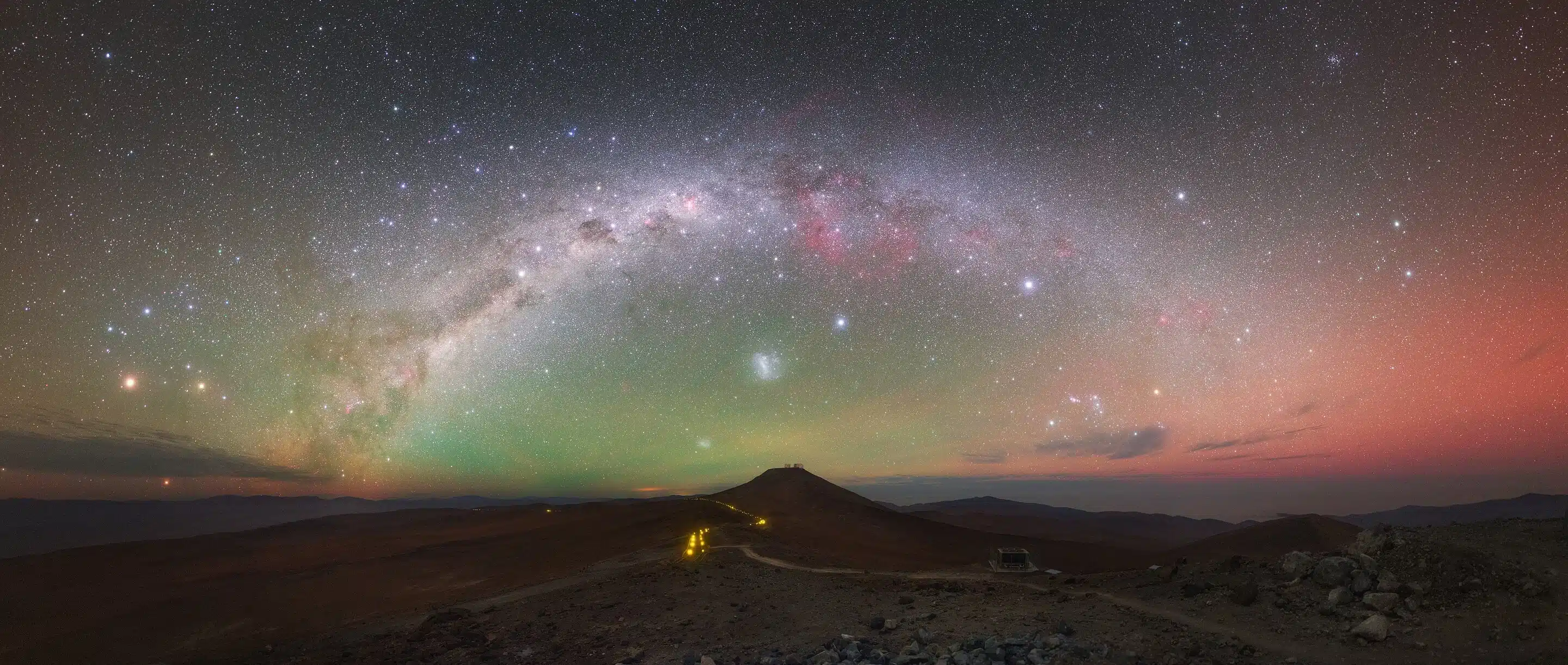
The interaction between separate atoms and molecules can generate different types of light depending on location, time of day and night, and a variety of other factors.
Most of these are barely visible to the naked eye, but when they are, we tend to notice because it’s always quite beautiful.
And it’s further proof we’re making outstanding progress when it comes to the Space Race now that we are, some might say, ‘finally’, exploring space again.
India recently became the fourth country to reach the Moon and NASA is now capable of sending pictures from Mars.

Alessandro is an automotive journalist with 10 years of experience covering supercars, automotive history, emerging vehicle technology, and luxury transportation. He wrote the first article published on SupercarBlondie.com when the website launched in 2022 and has since built a reputation for insightful reporting across the automotive and transportation industries. His expertise is grounded in hands-on experience. Alessandro has driven every Tesla model ever produced, from the original Roadster to the Cybertruck, and regularly covers the latest developments in electric vehicles and automotive innovation. His passion for transportation extends beyond cars, he has even flown a Boeing 787 Dreamliner simulator in Addis Ababa, Ethiopia. His reporting spans everything from classic American muscle cars and rare automotive discoveries to luxury yachts, private aircraft, high-end watches, and cutting-edge vehicle technology. Known for his deep knowledge of automotive history and ability to uncover the stories behind iconic vehicles, Alessandro brings readers a blend of historical context, technical expertise, and first-hand experience.




