NASA astronaut comments on 'great view' after blasting off on Artemis II mission
Published on Apr 01, 2026 at 8:19 PM (UTC-4)
by Claire Reid
Last updated on Apr 07, 2026 at 12:31 PM (UTC-4)
Edited by
Mason Jones
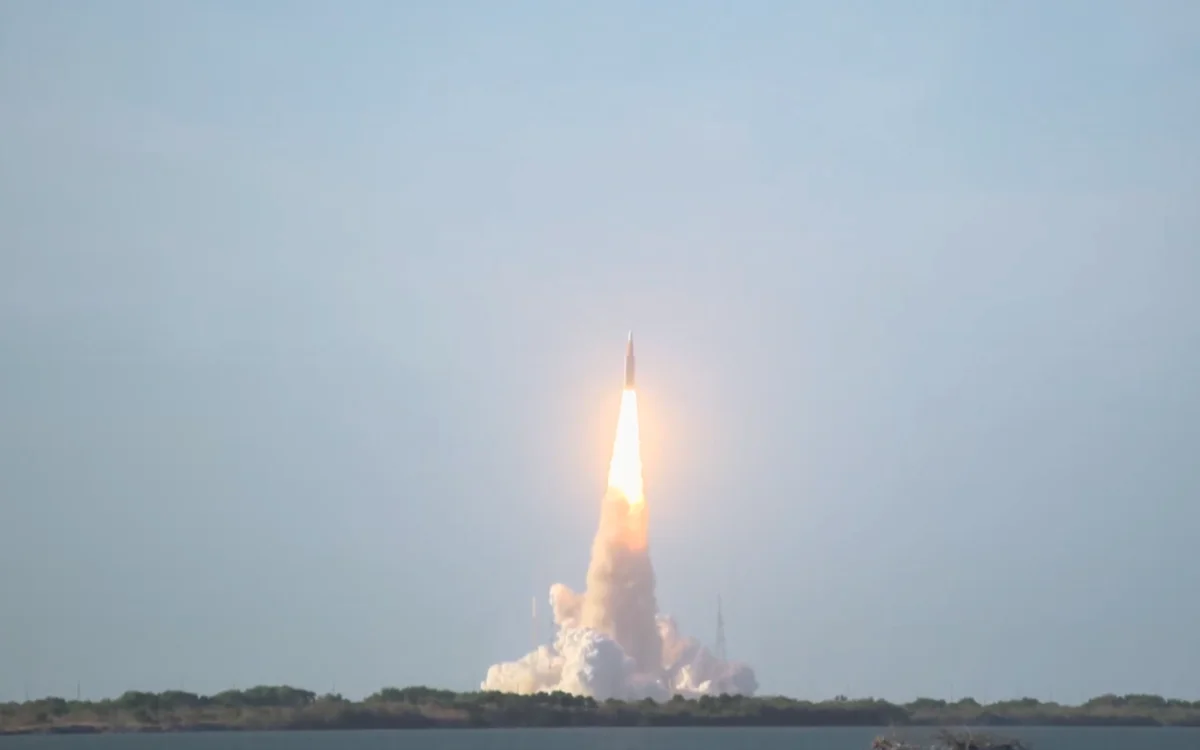

NASA astronaut Reid Wiseman commented on the ‘great view’ just minutes after blasting off on the Artemis II mission to send humans to the Moon for the first time in 50 years.
The 10-day mission launched today (April 1) at 6:35pm ET from the Kennedy Space Center.
The mission will see the team of four astronauts head further into space than anyone has ever been as they fly around the Moon and back again.
NASA is hoping the mission will pave the way for humans landing on the lunar surface in a couple of years’ time.
Reid Wiseman complimented the view from NASA’s most powerful rocket ever
The Artemis II mission is now underway, with the team heading off on the 250,000-mile journey to the Moon.
The rocket used is the most powerful NASA has ever built and came with a pair of thrusters that helped push it to a whopping 10,000mph.
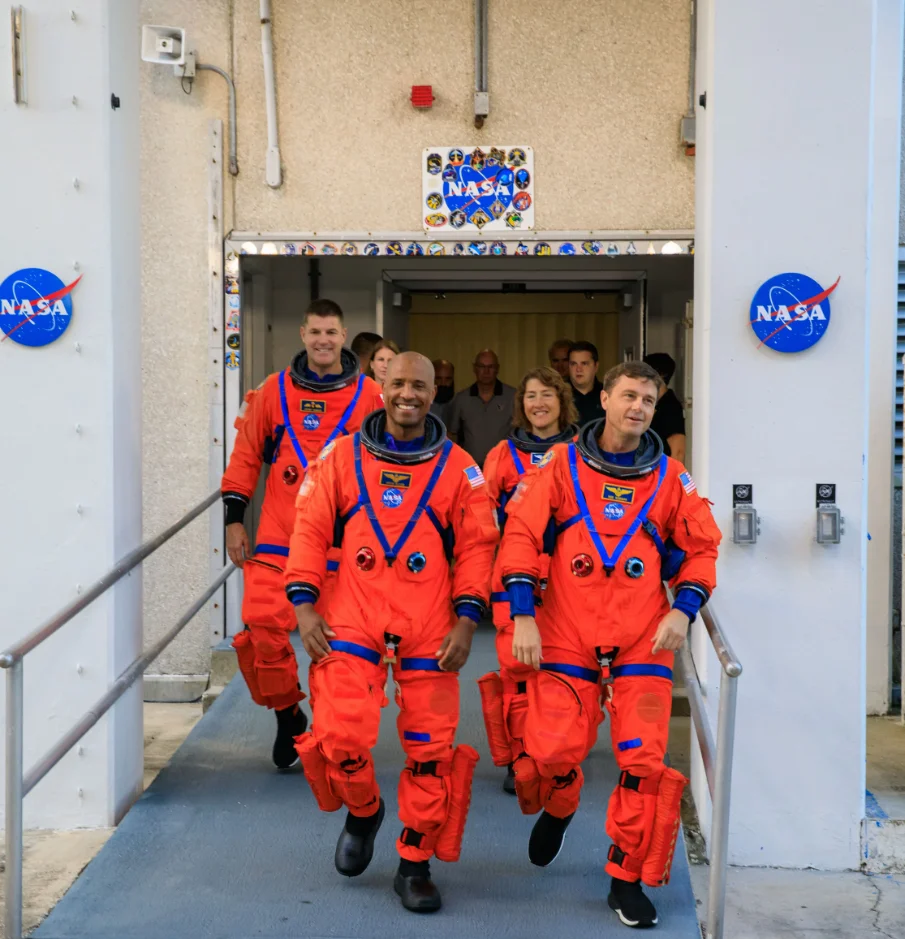
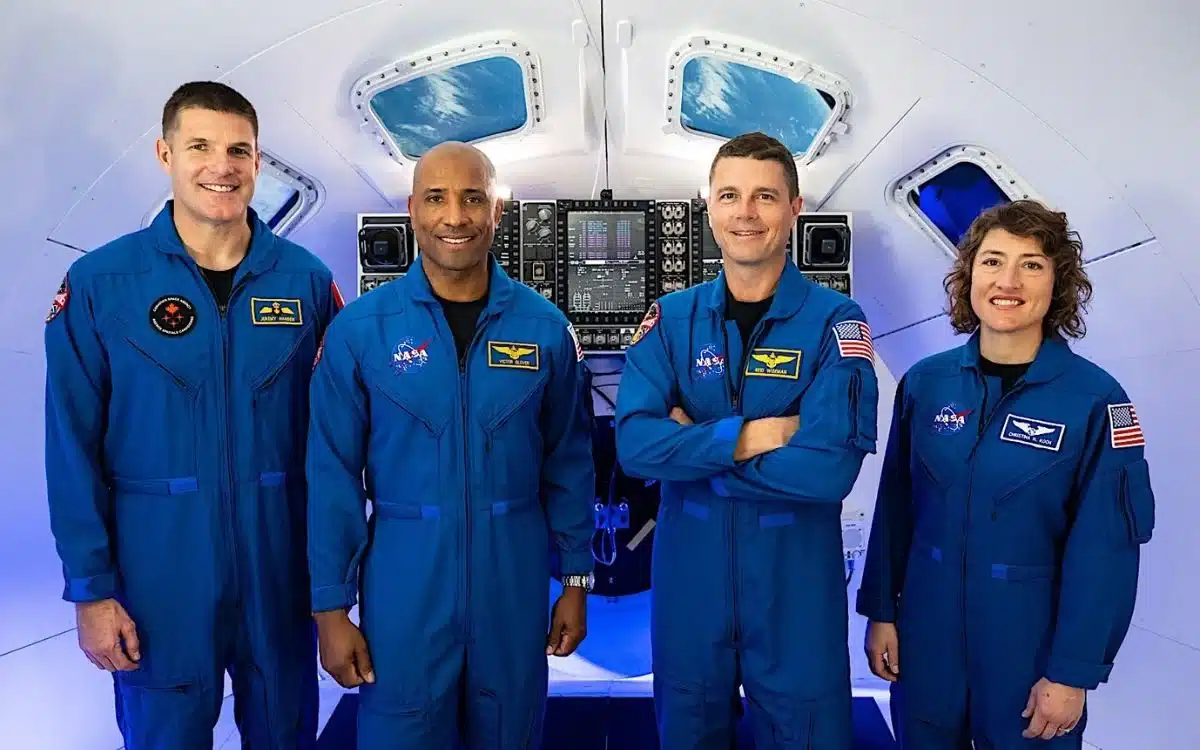
The launch kicks off the 10-day mission, which will see three NASA astronauts: Reid Wiseman, Victor Glover, and Christina Koch, as well as Jeremy Hansen of the Canadian Space Agency, travel around the Moon and back again.
“They’re going at least 5,000 nautical miles, that’s around 5753 regular miles, past the Moon, which is much higher than previous missions have gone,” Artemis II flight director, Jeff Radigan, said back in September.
A few minutes after launch, Wiseman took over comms and commented on the view that only a handful of people have ever seen.
“Great view,” he said.
“We have got a great moonrise”.
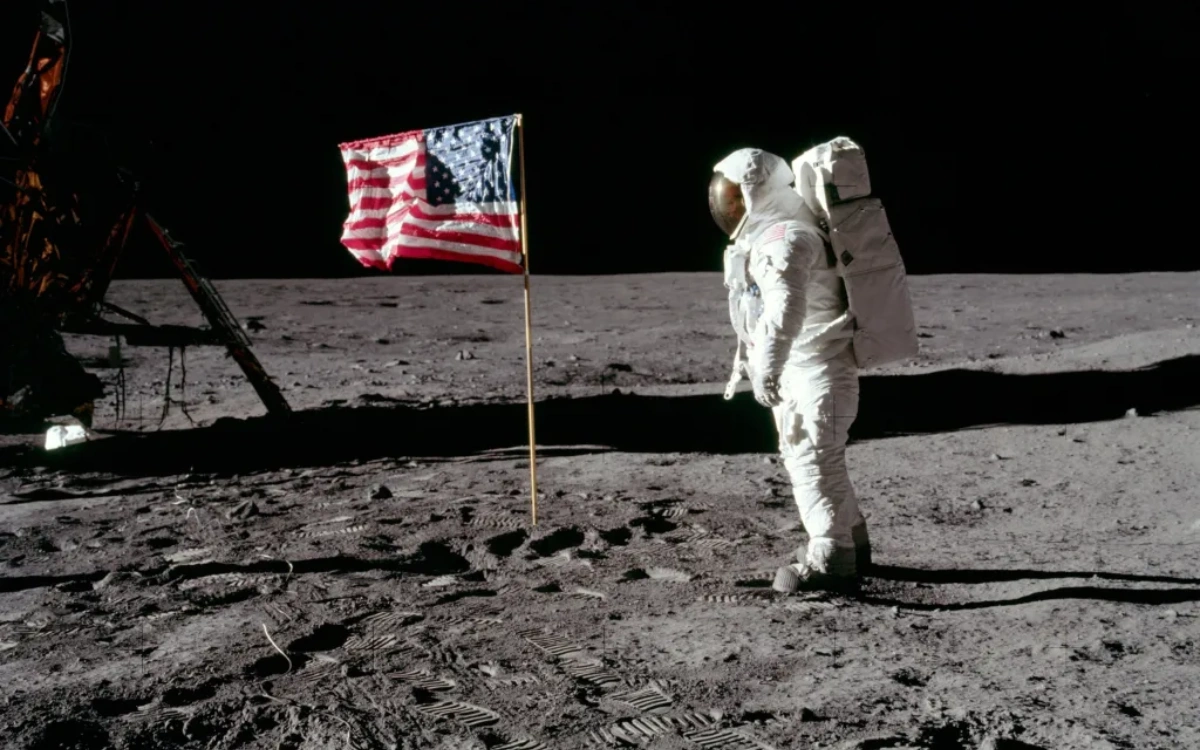
This time around, the astronauts won’t be landing on the Moon, but if all goes well, NASA is hoping to send humans to the lunar surface as soon as 2028 on the Artemis IV mission.
Related

The historic Artemis II mission drew huge crowds of onlookers
The astronauts will remain close to Earth for the first 25 hours, checking the capsule in its orbit, before firing the main engine that’ll blast them off to the Moon.
Crowds of people gathered to watch the historic launch, with most of them too young to remember the previous Apollo missions to the Moon.
“There are a lot of people who don’t remember Apollo,” NASA’s science mission chief Nicky Fox said earlier this week.
Liftoff.
— NASA (@NASA) April 1, 2026
The Artemis II mission launched from @NASAKennedy at 6:35pm ET (2235 UTC), propelling four astronauts on a journey around the Moon.
Artemis II will pave the way for future Moon landings, as well as the next giant leap — astronauts on Mars. pic.twitter.com/ENQA4RTqAc
“There are generations who weren’t alive when Apollo launched. This is their Apollo.”
And even those who couldn’t make it out to Florida eagerly watched along online.
“What a time to be alive! Witnessing the relaunch of humans to the moon after a long pause,” one wrote on X.
“Four astronauts, one mission, and the dreams of 8 billion people. Go, Artemis,” said another.
With a background in both local and national press in the UK, Claire has covered a range of topics, including technology, gaming, and cryptocurrency, since joining the editorial team at Supercar Blondie in May 2024. Her ability to be first to a story has been integral to making SB’s coverage of scientific discovery, AI, and global tech news a slick 24/7 operation.




