NASA astronauts share the bizarrely basic tasks they found impossible on Earth after 230 days in space
Published on Feb 25, 2026 at 10:41 AM (UTC-5)
by Daisy Edwards
Last updated on Feb 26, 2026 at 12:19 PM (UTC-5)
Edited by
Emma Matthews
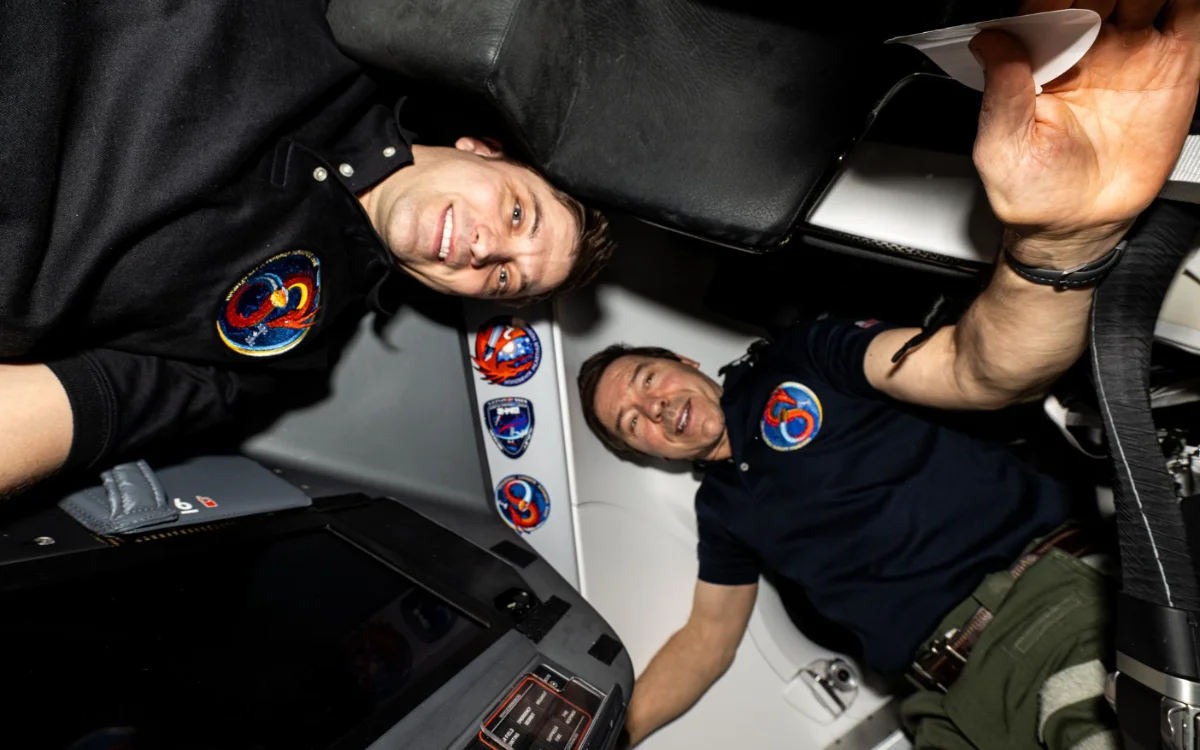

Living in space for over 200 days came with some completely bizarre consequences for these NASA astronauts, who found they couldn’t complete some basic tasks on their return to Earth
After spending more than seven months floating in microgravity, coming home was not just emotional; it was physically overwhelming.
While you might expect dramatic tales about re-entry or high-tech systems, the real surprises were far more ordinary.
In fact, some of the hardest challenges involve things most of us never even think about.
EXPLORE SBX CARS – Supercar auctions starting soon powered by Supercar Blondie
NASA astronauts have to readjust to being on Earth
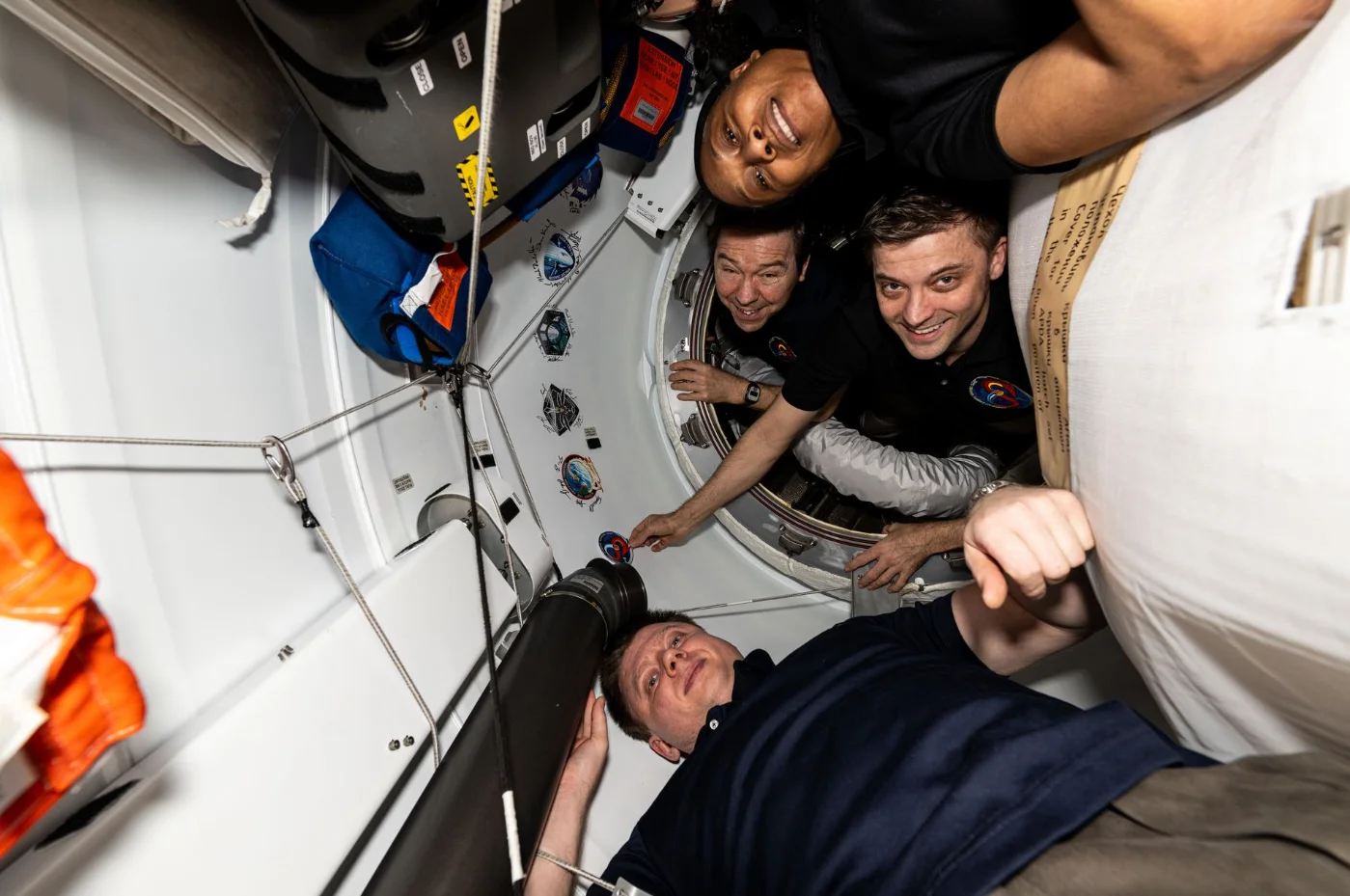
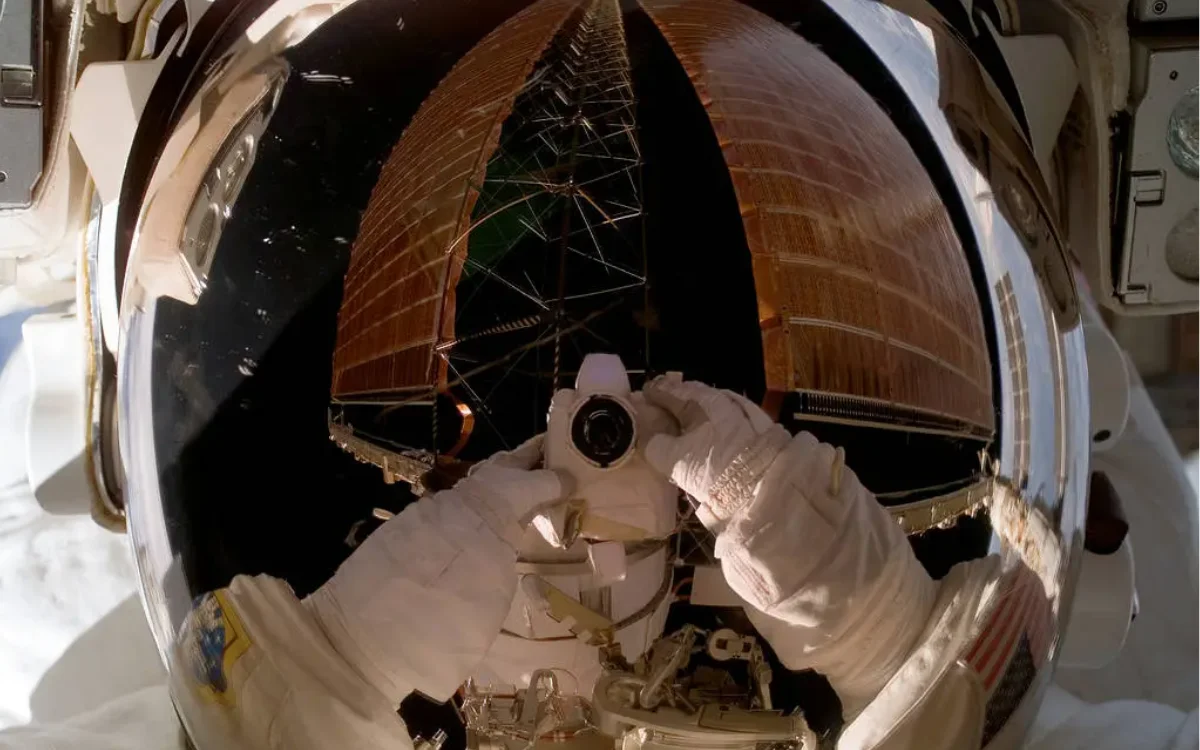
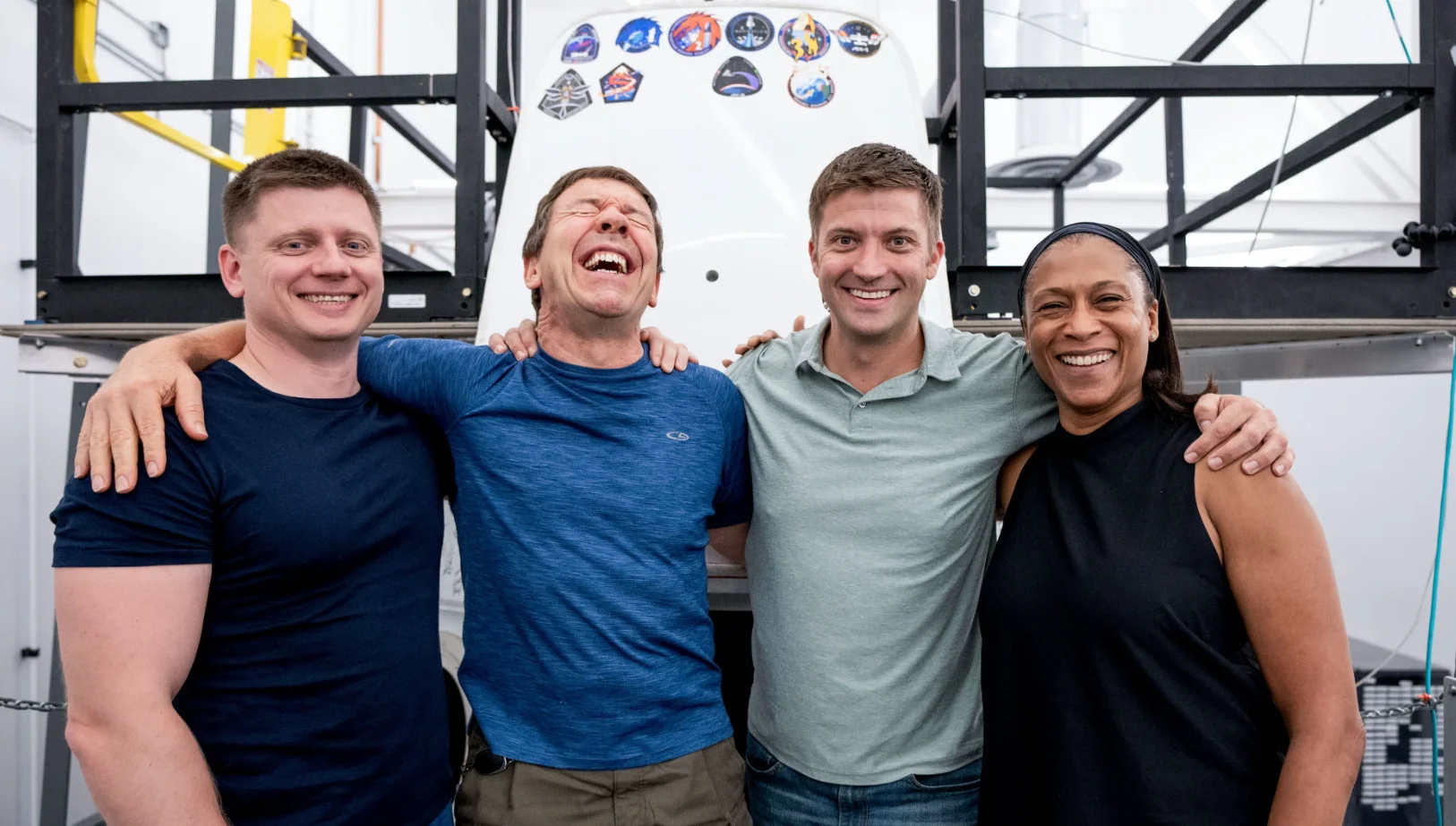
A crew of astronauts had been living aboard the International Space Station as part of NASA’s SpaceX Crew-8 mission, clocking around 235 days in orbit before splashing down off the coast of Florida.
During that time, their bodies adapted to microgravity, where muscles and bones do not have to constantly fight against gravity.
So when they returned to Earth, everything suddenly felt heavier.
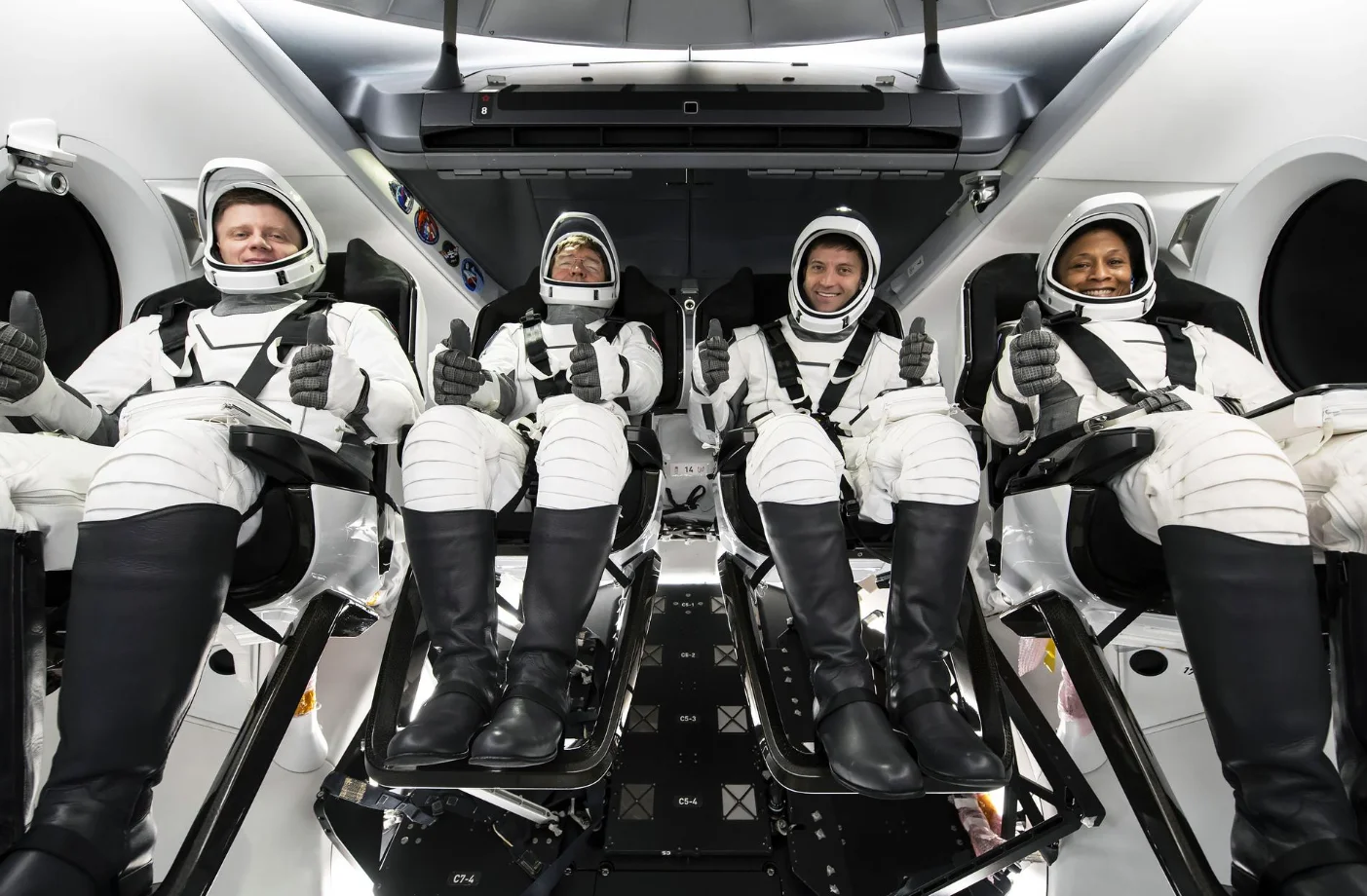
Mission specialist Jeanette Epps explained that even everyday objects seemed shockingly weighty.
Simple movements required more effort, and standing upright for long periods was unexpectedly tiring as her body recalibrated to 1G.
Despite strict daily exercise routines in space to limit muscle and bone loss, the transition back to full gravity still came as a major adjustment.
Click the star icon next to supercarblondie.com in Google Search to stay ahead of the curve on the latest and greatest supercars, hypercars, and ground-breaking technology
Related
The surprisingly tough reality of sitting down
Then came one of the most relatable moments of all.
Commander Matthew Dominick revealed that after months without constant pressure on his body, something as basic as sitting down felt almost unbearable.
A standard hard chair, something most of us would not think twice about, suddenly felt incredibly uncomfortable.
During a family dinner outside, he found himself ditching the chair entirely and lying down in the yard instead because sitting upright for that long was just too much.
It is a reminder that space travel does not end when the rocket lands in the sea.
For these astronauts, the real challenge began when they got back on solid ground, where gravity, heavy objects, and even a simple chair became the ultimate astronaut mission.
Daisy is a technology and automotive journalist covering artificial intelligence, consumer tech, Apple news, cryptocurrency, emerging technologies, and transportation innovation. Since joining the team in 2025, she has reported on everything from AI-powered startups and major iOS updates to viral car stories and the latest developments shaping transportation and the digital economy. Drawing on her background in automotive journalism and a degree in History and Journalism from Goldsmiths, University of London, Daisy specializes in breaking down complex topics into clear, engaging reporting for a global audience. Her work spans cutting-edge technology, innovative vehicles, and the people driving change across both industries. Daisy has gained first-hand access to some of the world's most talked-about technologies and innovators, including meeting Tesla's Optimus humanoid robot during its first European appearance in London. She has also discussed the future of space exploration with an astronaut, bringing unique insights and real-world perspectives to her coverage of emerging technology.




