NASA shared closest images of the sun in history captured by fastest spacecraft ever made
Published on Jul 15, 2025 at 2:08 AM (UTC-4)
by Jason Fan
Last updated on Jul 15, 2025 at 3:42 AM (UTC-4)
Edited by
Tom Wood
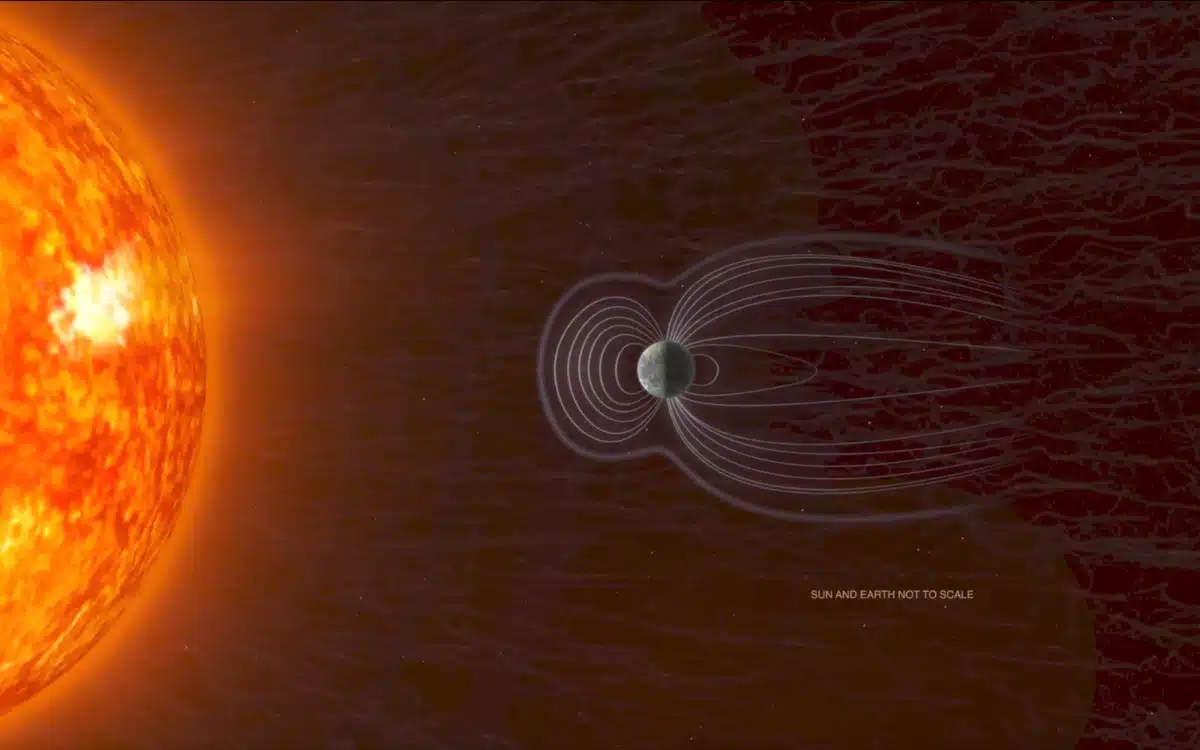

NASA has just released the closest images of the Sun ever taken, captured by its Parker Solar Probe, which is the fastest spacecraft in history.
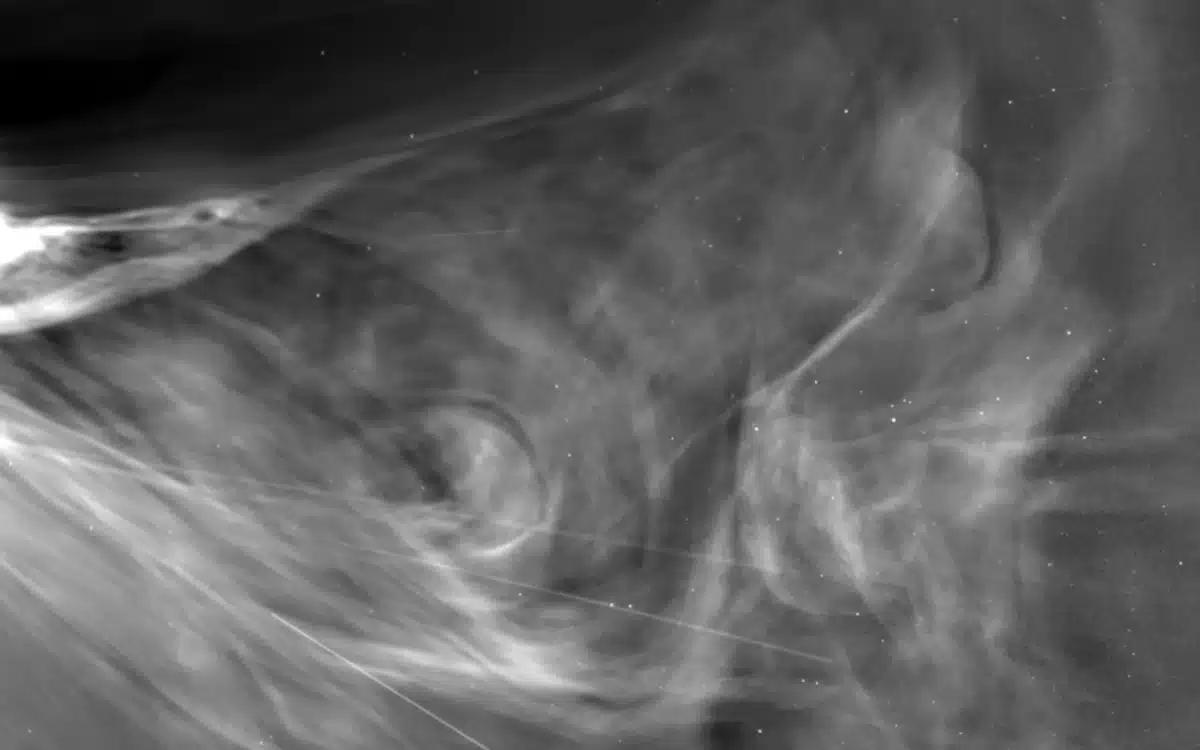
The images show never-before-seen details from inside the Sun’s atmosphere, known as the corona.
These discoveries are helping scientists better understand how the Sun affects the entire solar system, including Earth.
And they may one day improve our ability to predict space weather, which can impact satellites, power grids, and even astronauts.
VISIT SBX CARS – View live supercar auctions powered by Supercar Blondie
A record-breaking journey by the fastest spacecraft
The Parker Solar Probe flew just 3.8 million miles from the Sun’s surface in December 2024.
While that may seem like a big number, it actually set the record for the closest human-made spacecraft to the Sun.
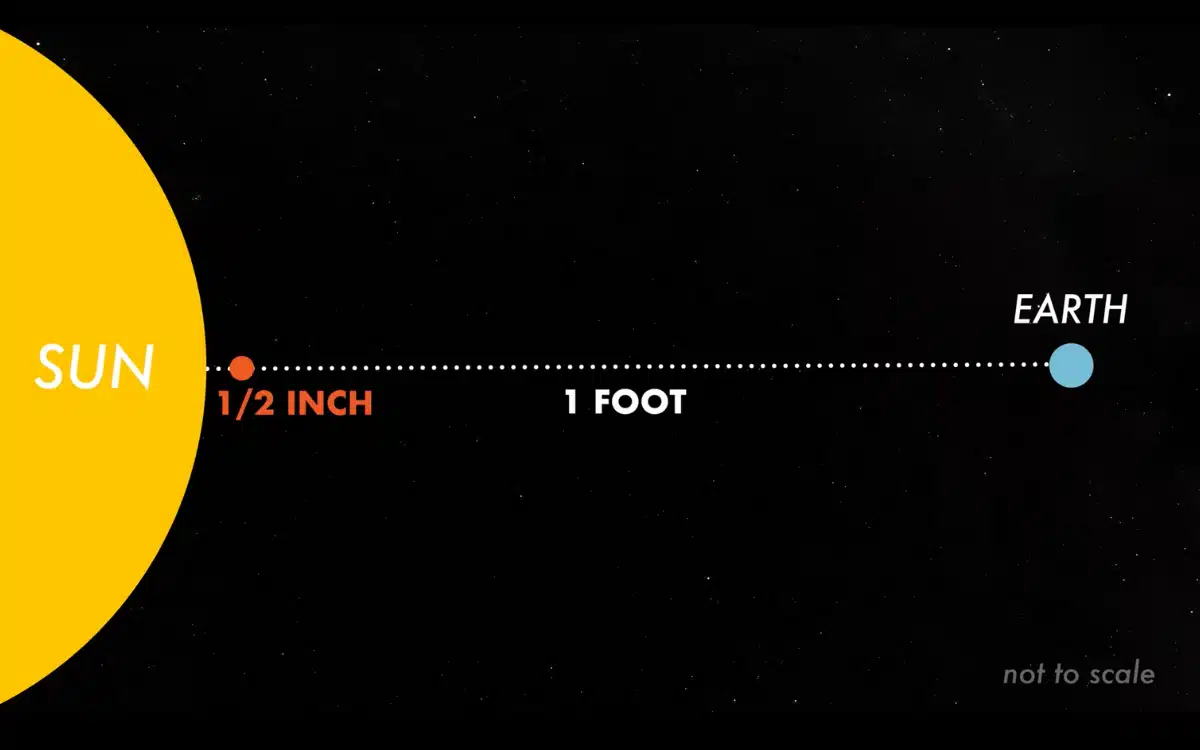
For reference, if the distance between Earth and the Sun is a foot, the Parker Solar Probe flew within half an inch of the Sun.
During its journey, it used special instruments to snap the closest images of the Sun ever taken, as well as measure solar activity.
These new images show the solar wind, a constant stream of charged particles blowing from the Sun.
Scientists were even able to see coronal mass ejections (CMEs) – powerful solar explosions – colliding and mixing, something never clearly seen before.
But why is this important?
Well, these close-up images of the sun helps experts understand how solar storms form and why they sometimes become dangerous.
For example, when CMEs crash into each other, they can change direction, speed up, or grow stronger.
In some extreme situations, they might even pose a threat to astronauts, satellites in space, and even technology on the ground.
Thanks to the Parker Solar Probe, scientists now have a better way to study these events right at their source.

Unlocking the secrets of solar wind
Named after scientist Eugene Parker, who first predicted the solar wind in 1958, the probe has been on a mission since 2018.
It’s already changed what we know about the Sun, and with more close passes planned, including one on September 15, 2025, it’s far from finished.
NASA scientists say they’re getting closer to solving some of the Sun’s biggest mysteries.
And for the first time, utilizing the fastest spacecraft ever, they’re seeing it all up close and personal.
NASA isn’t the only organization studying solar winds either.
The European Space Agency (ESA) and the Chinese Academy of Sciences have partnered up to launch a spacecraft, whose primary purpose is to study how Earth’s forcefield protects itself from solar winds.
Click the star icon next to supercarblondie.com in Google Search to stay ahead of the curve on the latest and greatest supercars, hypercars, and ground-breaking technology.




