NASA's James Webb Space Telescope may have just proven our entire universe is actually inside a black hole
- Some scientists believe we might be living in a black hole
- According to this theory, our entire universe resides within a black hole
- The new James Webb Space Telescope provided potential evidence to support this theory
Published on Mar 18, 2025 at 11:11 AM (UTC-4)
by Alessandro Renesis
Last updated on Mar 18, 2025 at 1:51 PM (UTC-4)
Edited by
Tom Wood
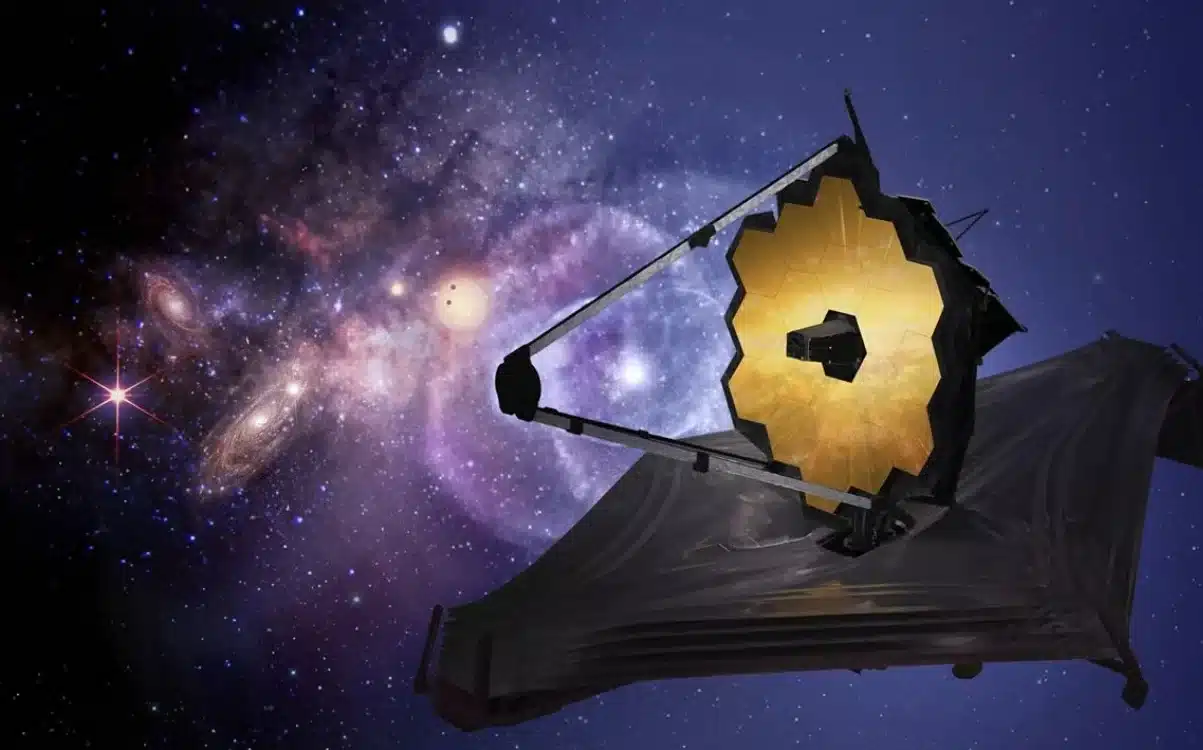

A new research conducted by NASA with the James Webb Space Telescope has revealed new evidence about our universe.
Some scientists have long theorized that our universe might be residing within a black hole.
This was considered a wild theory but this new research can potentially provide solid evidence to support that theory.
If confirmed, this could be a huge deal.
DISCOVER SBX CARS – Bid now on supercar auctions powered by Supercar Blondie
Why NASA believes this might be more than a theory
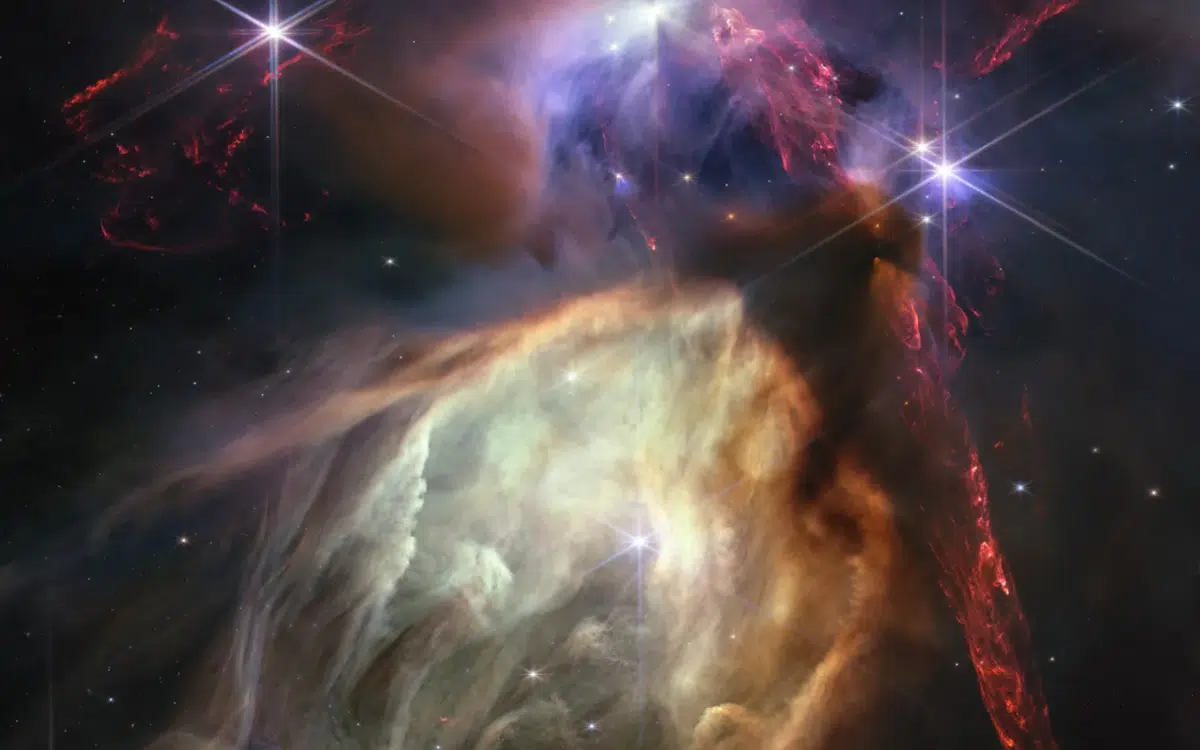
Research with NASA’s James Webb Space Telescope has presented evidence that our universe might indeed exist within a black hole.
This theory has always been somewhat popular but there was never any evidence to support the theory.
However, a recent analysis of 263 galaxies revealed that two-thirds spin clockwise while one-third rotate in the opposite direction.
Some are saying that his imbalance is proof that we are living inside a rotating black hole.
This is just the start, though.
A lot more calculations and tests will be required to confirm the evidence.
About the James Webb Space Telescope
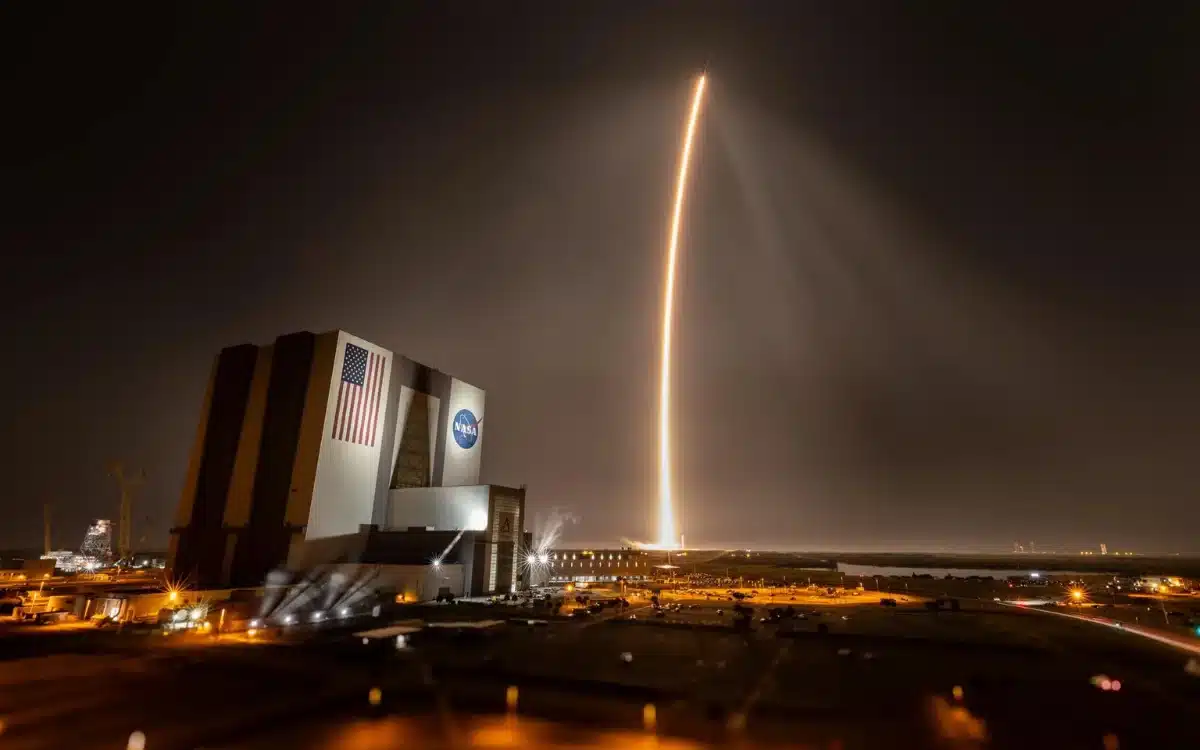
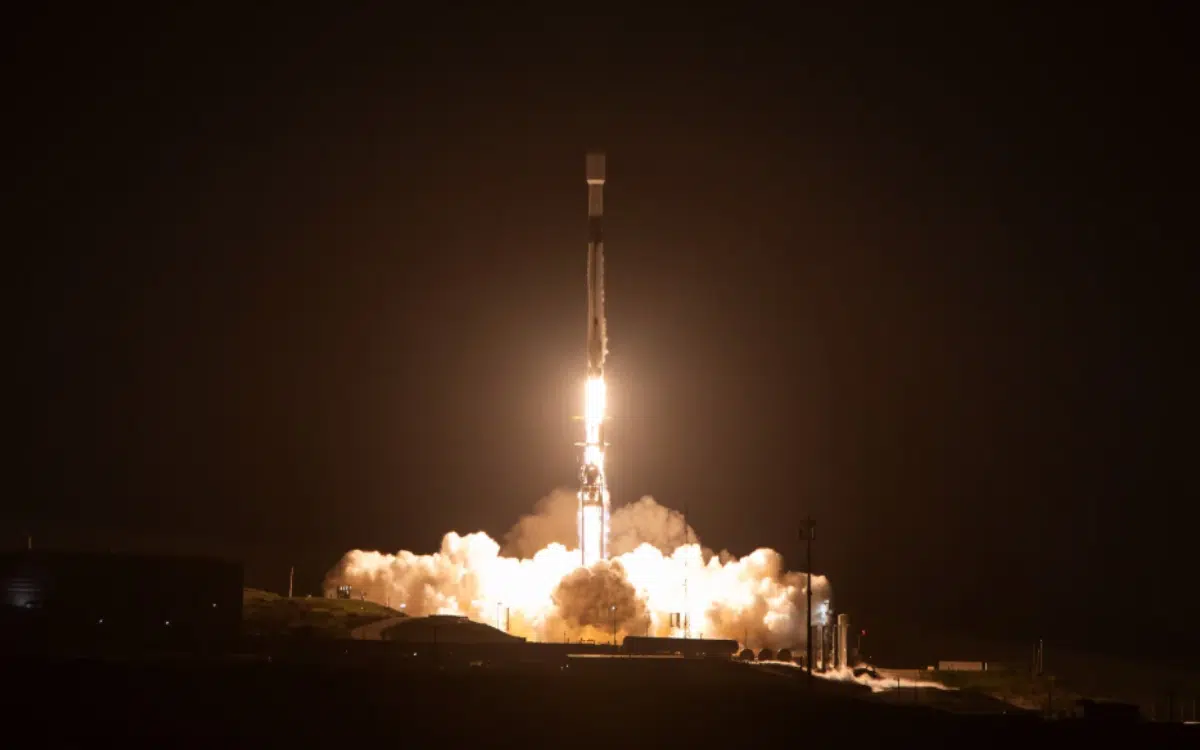
The James Webb Telescope was launched in 2021 to replace the old Hubble telescope.
The new telescope is vastly more powerful than its predecessor and, thanks to its immense range, the Webb telescope is able to see things Hubble couldn’t see or – sometimes – see the same things, but better.
That’s exactly what happened, for example, when the James Webb Space Telescope managed to provide details regarding some unidentified frozen objects rotating around Pluto’s orbit and around the orbit of two other dwarf planets, Makemake and Eris.
It would not have been possible to get that range from the old Hubble.
More importantly, the Telescope recently confirmed the universe is expanding faster than ever, even though scientists aren’t exactly sure why.

Although scientists are still in the dark about what’s behind the faster-than-expected expansion rate, a few theories are being floated around.
“One possible explanation for the Hubble tension would be if there was something missing in our understanding of the early universe, such as a new component of matter – early dark energy – that gave the universe an unexpected kick after the big bang,” Marc Kamionkowski, a Johns Hopkins cosmologist, said in a statement.
Alessandro is an automotive journalist with 10 years of experience covering supercars, automotive history, emerging vehicle technology, and luxury transportation. He wrote the first article published on SupercarBlondie.com when the website launched in 2022 and has since built a reputation for insightful reporting across the automotive and transportation industries. His expertise is grounded in hands-on experience. Alessandro has driven every Tesla model ever produced, from the original Roadster to the Cybertruck, and regularly covers the latest developments in electric vehicles and automotive innovation. His passion for transportation extends beyond cars, he has even flown a Boeing 787 Dreamliner simulator in Addis Ababa, Ethiopia. His reporting spans everything from classic American muscle cars and rare automotive discoveries to luxury yachts, private aircraft, high-end watches, and cutting-edge vehicle technology. Known for his deep knowledge of automotive history and ability to uncover the stories behind iconic vehicles, Alessandro brings readers a blend of historical context, technical expertise, and first-hand experience.




