NASA launching new spacecraft to study the force field that shields our solar system
Published on Sep 23, 2025 at 12:57 PM (UTC-4)
by Daisy Edwards
Last updated on Sep 23, 2025 at 12:59 PM (UTC-4)
Edited by
Amelia Jean Hershman-Jones
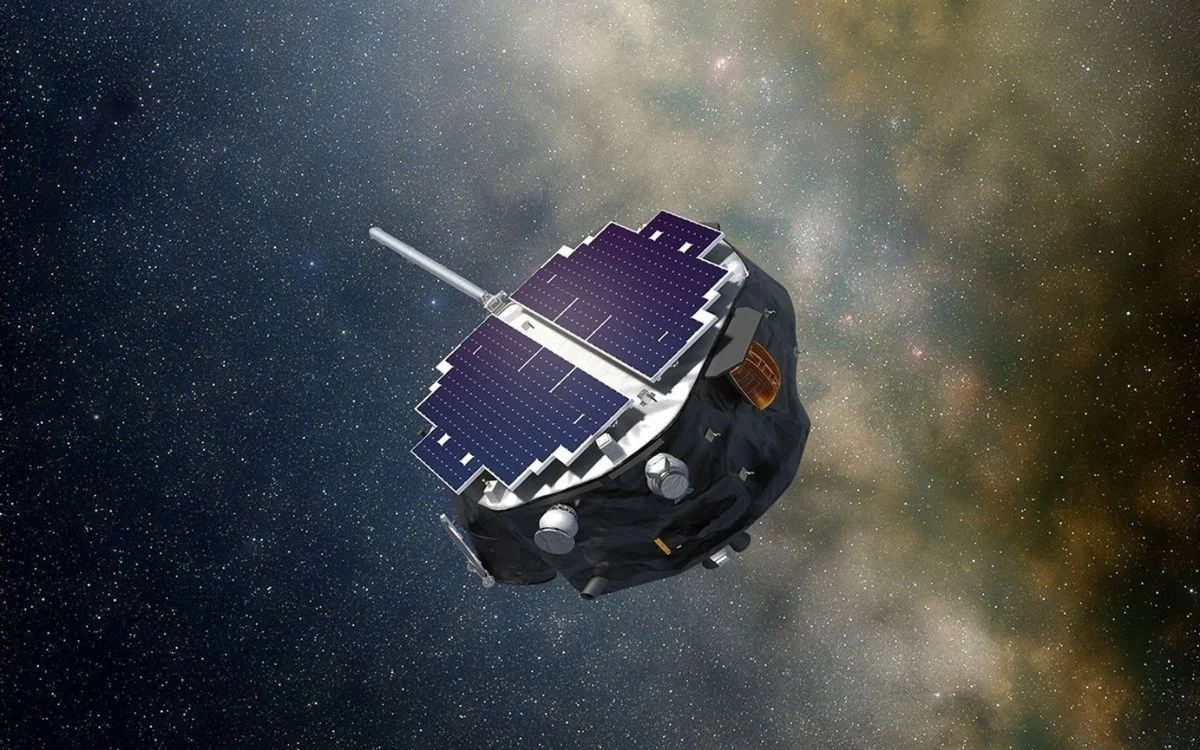

Did you know that NASA will be launching a new spacecraft to study the force field that shields our solar system? The so-called IMAP mission will find out more about the vast universe we live in.
IMAP, which stands for Interstellar Mapping and Acceleration Probe, it’s planned to launch today.
The IMAP’s whole job is to study the heliosphere, also known as the force field that surrounds and shields our solar system.
NASA wants to know how the shield changes depending on solar activity because it helps with space weather predictions, protecting satellites, power grids, and even technology on Earth.
EXPLORE SBX CARS – Supercar auctions starting soon powered by Supercar Blondie
NASA wants to study the force field that shields our solar system
Today is a big day for NASA, as well as people who are big fans of space, because it will not be long before we get some information that will hopefully give us a better insight into the awesome universe around us.
The space agency is planning to launch the IMAP today, a specialist spacecraft designed for a very specific purpose.
IMAP is being sent to the heliosphere, which is the force field that shields our solar system, to see how it reacts to things, including how it protects us from cosmic dust.
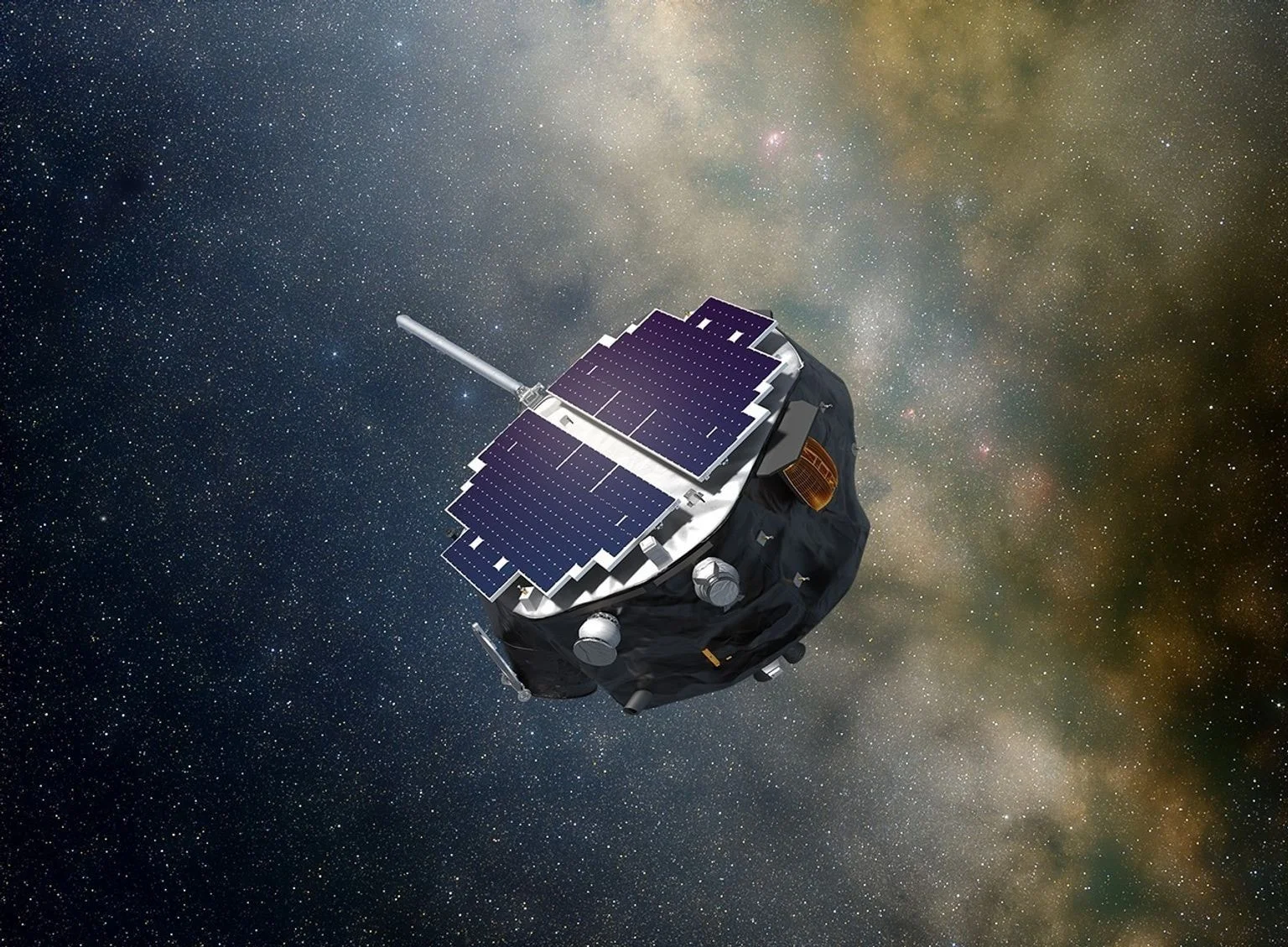
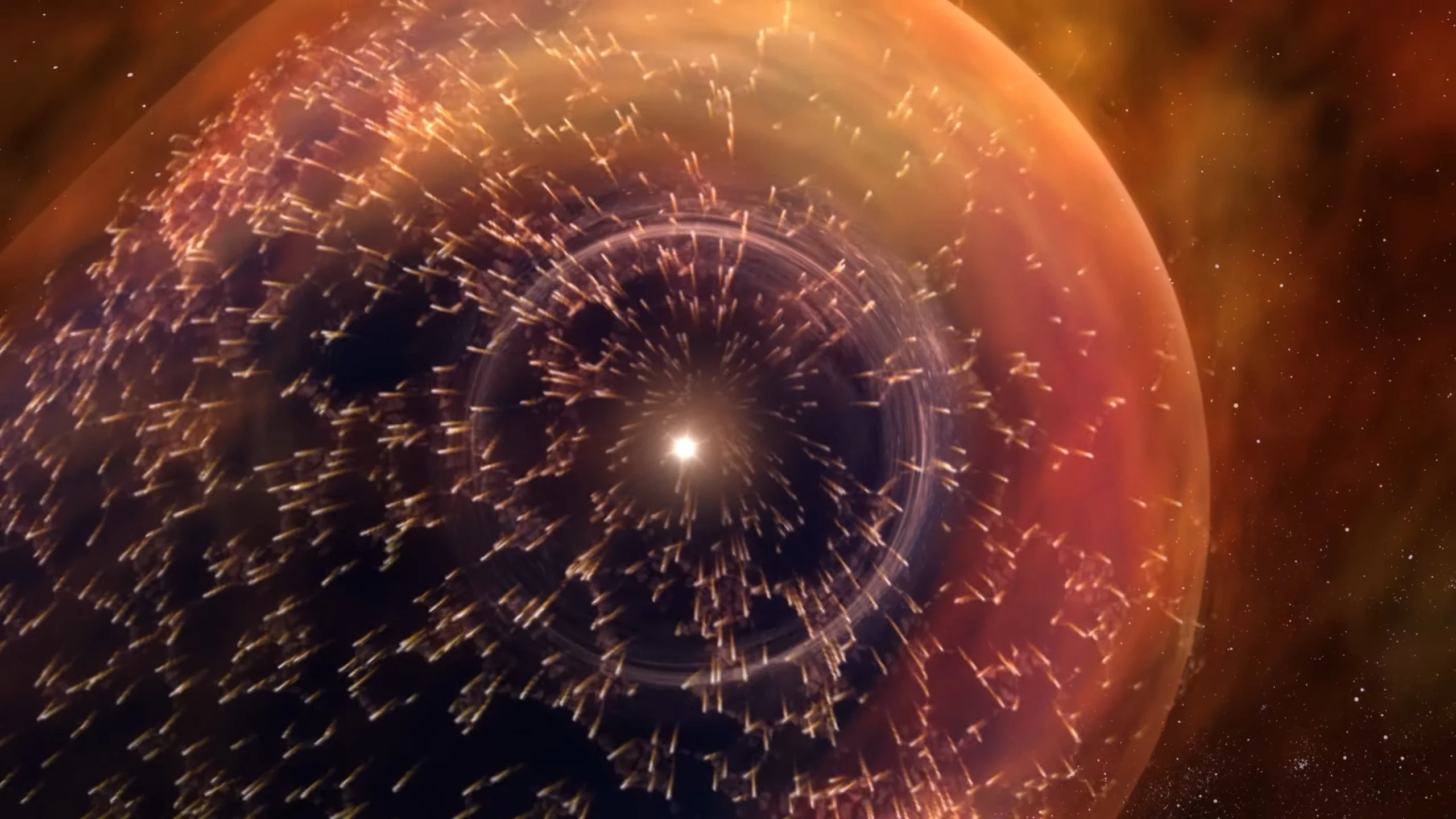
The main thing that NASA scientists are looking at is how the IMAP reacts to solar activity, because it’s integral to the smooth prediction of space weather, protecting satellites effectively, and even smoothly operating technology on Earth.
The new spacecraft has a parent
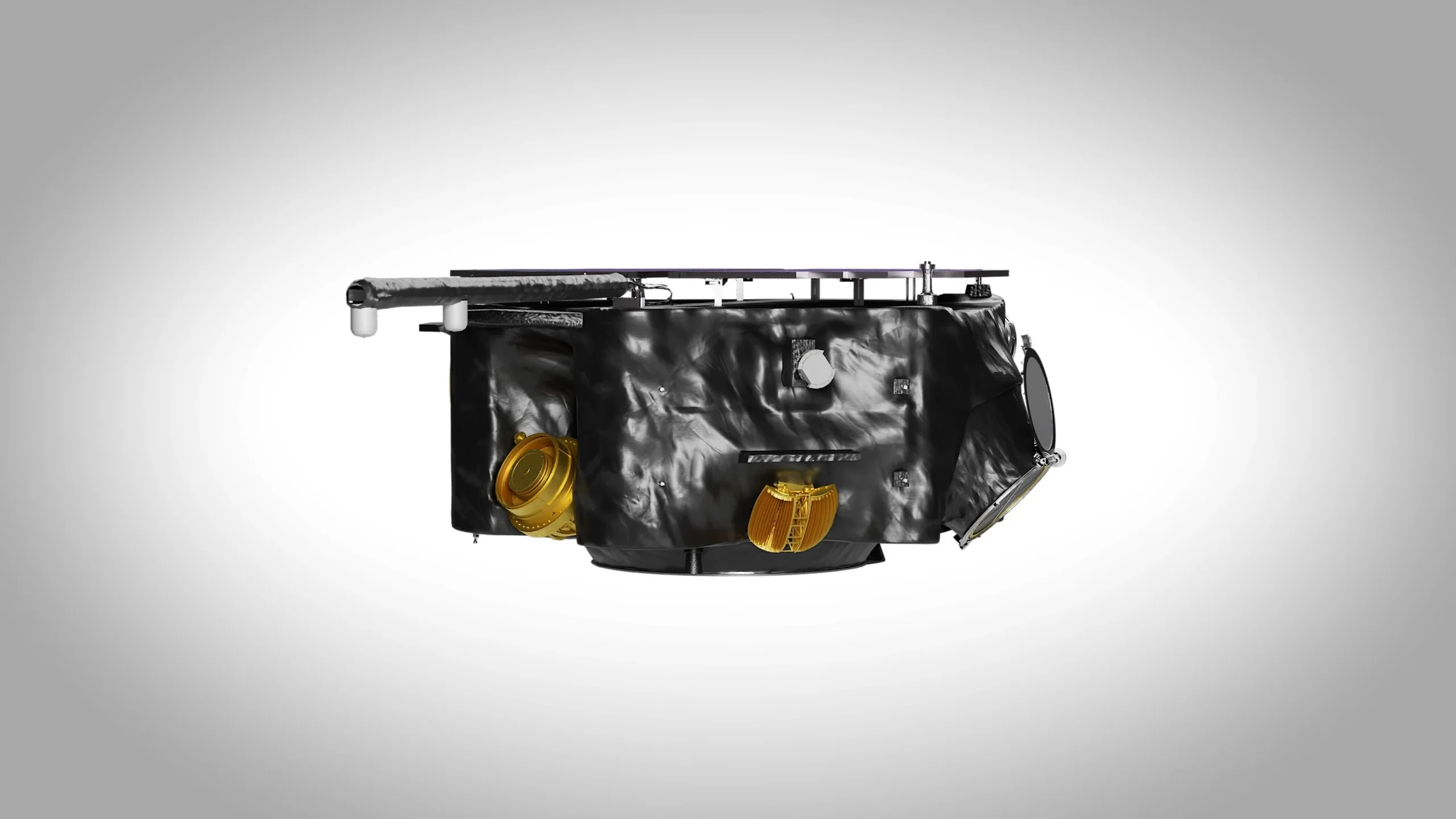
The IMAP follows in the footsteps of an older mission called the IBEX, which is the Interstellar Boundary Explorer, which was launched all the way back in 2008.
IMAP beats out the IBEX in many ways, but the most important one is that it has faster imaging and will be in 30 times higher resolution.
IMAP can also operate from a farther and more stable location in the form of the Sun-Earth L1 Lagrange Point and work just as well.
Only time will tell what we will find out about the heliosphere, but NASA certainly has the best man for the job on it.
Daisy is a technology and automotive journalist covering artificial intelligence, consumer tech, Apple news, cryptocurrency, emerging technologies, and transportation innovation. Since joining the team in 2025, she has reported on everything from AI-powered startups and major iOS updates to viral car stories and the latest developments shaping transportation and the digital economy. Drawing on her background in automotive journalism and a degree in History and Journalism from Goldsmiths, University of London, Daisy specializes in breaking down complex topics into clear, engaging reporting for a global audience. Her work spans cutting-edge technology, innovative vehicles, and the people driving change across both industries. Daisy has gained first-hand access to some of the world's most talked-about technologies and innovators, including meeting Tesla's Optimus humanoid robot during its first European appearance in London. She has also discussed the future of space exploration with an astronaut, bringing unique insights and real-world perspectives to her coverage of emerging technology.




