NASA looks at martian plane after losing its Mars helicopter
- NASA wants to replace the Ingenuity helicopter with something bigger
- The program is currently codenamed MAGGIE
- The next Mars plane won’t be a chopper, but it’ll still be able to land and take off vertically
Published on Jan 31, 2024 at 8:46 AM (UTC-5)
by Alessandro Renesis
Last updated on Jan 31, 2024 at 12:16 PM (UTC-5)
Edited by
Adam Gray


NASA is working on a new plane that’s designed to fly around Mars.
It’s going to be tricky, chiefly because the Red Planet has an extremely thin atmosphere.
READ MORE: What Concorde would look like if it were still around today
The space agency’s Innovative Advanced Concepts (NIAC) program just ‘lost’ its Mars helicopter.
The aircraft did its job pretty well, and it even managed to capture some pretty astonishing footage of Mars, but it crashed upon landing and became unusable.
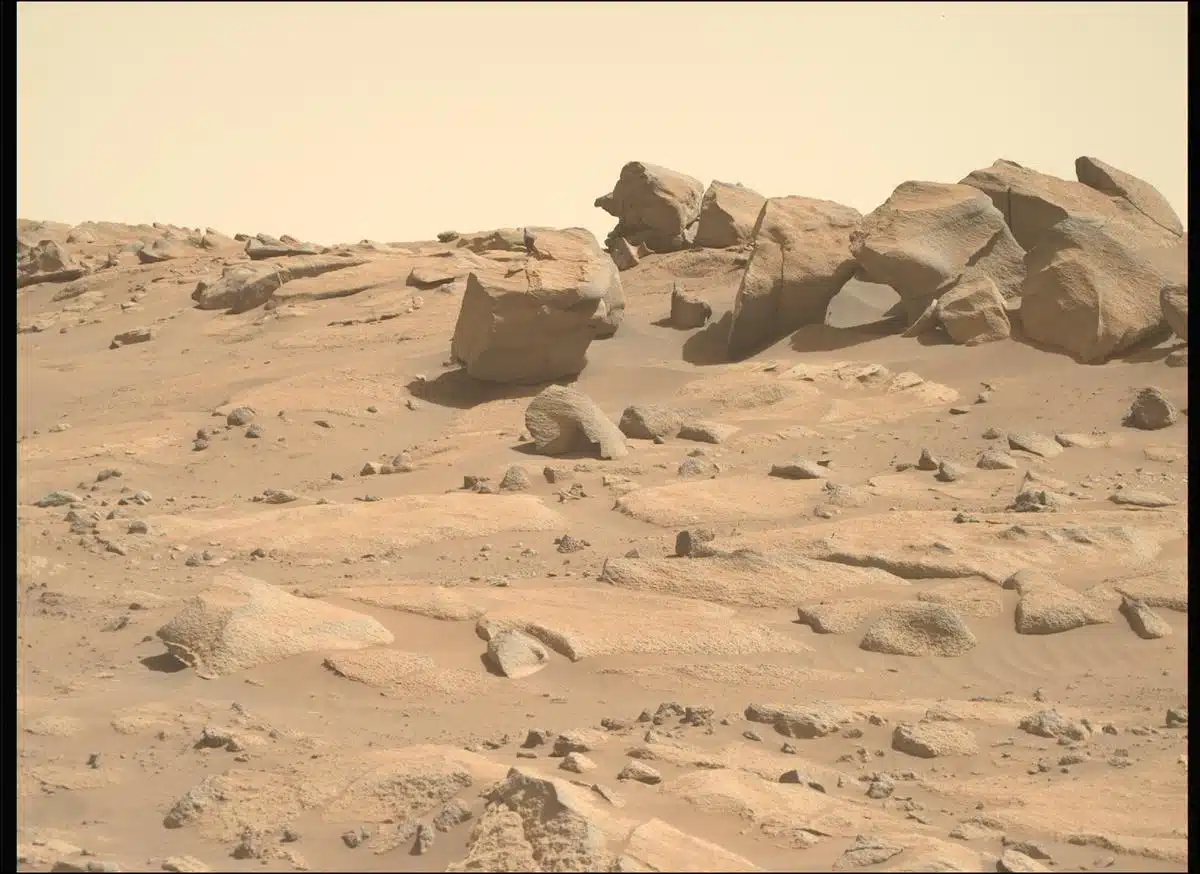
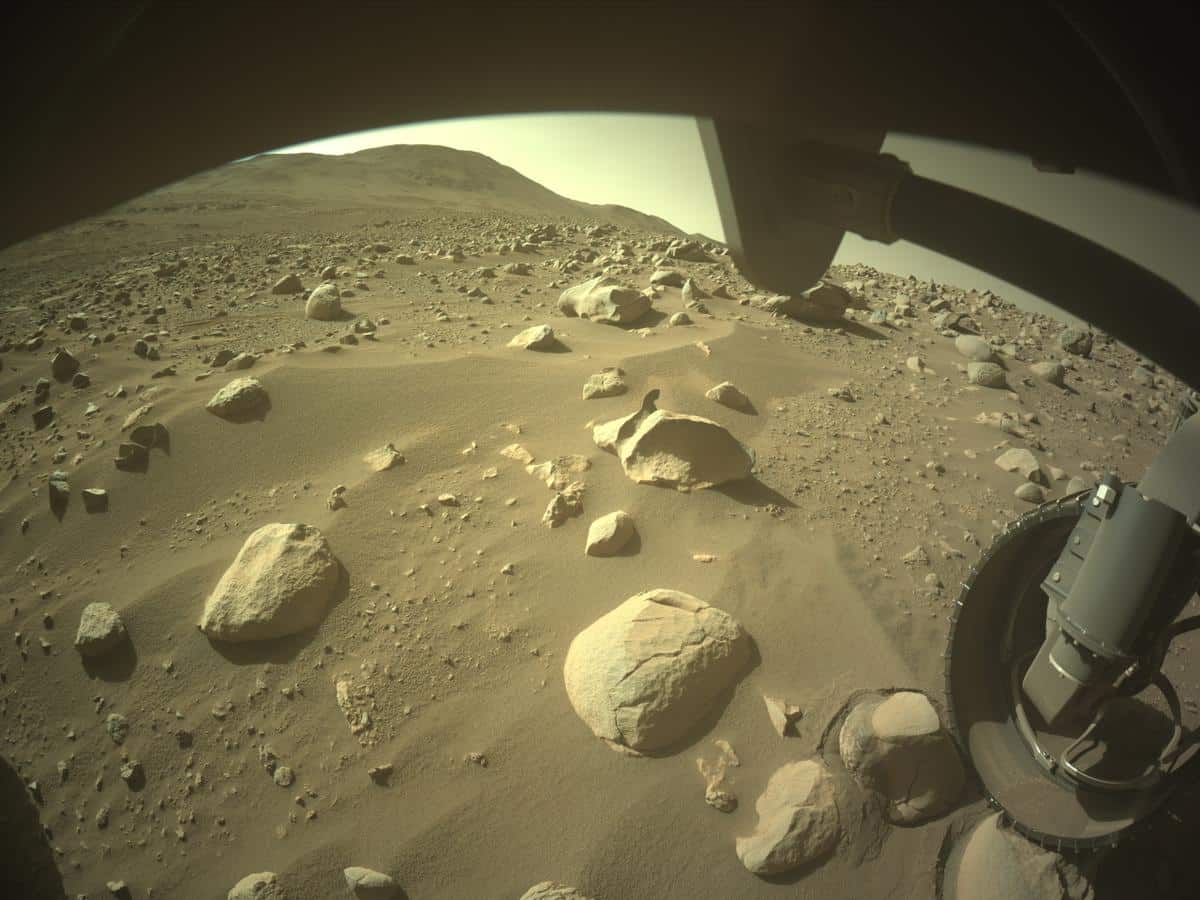
So instead of replacing it with another helicopter, they’ve decided to go for something bigger and better – an actual plane.
NASA has already given it a name – they call it the ‘MAGGIE’.
The world’s most famous space agency loves a good acronym, as we all know, and MAGGIE is of course no exception.
It stands for Mars Aerial and Ground Intelligent Explorer.


There are a couple of reasons why this plane is going to be rather special, and the fact that it’s designed fo fly on Mars is just one of them.
For starters, this jet is actually designed to take off vertically – like a helicopter or an eVTOL.
While the program does have a name, the plane doesn’t yet have a ‘face’.
NASA is working on it, but it is also outsourcing.
Several third parties are working on different designs on behalf of NASA, including the Computational Fluid Dynamics and Aerodynamics Lab at the University of Miami (talk about needing acronyms).
For reasons that are probably quite obvious, the design has to be 100 percent scientifically sound.
Coming up with a cool concept for a futuristic-looking plane won’t cut it.

Replacing the Ingenuity Helicopter won’t be easy.
The small, solar-powered experimental chopper made over 70 successful flights before crash landing on Mars’ surface on January 25.
And before its ‘demise’, it even managed to take photographs of some wreckage on Mars, too.
The engineers who designed hoped it might fly five or six times.
It’s fair to say Ingenuity definitely exceeded expectations.
Some of the images in this article were created using AI.


Alessandro is an automotive journalist with 10 years of experience covering supercars, automotive history, emerging vehicle technology, and luxury transportation. He wrote the first article published on SupercarBlondie.com when the website launched in 2022 and has since built a reputation for insightful reporting across the automotive and transportation industries. His expertise is grounded in hands-on experience. Alessandro has driven every Tesla model ever produced, from the original Roadster to the Cybertruck, and regularly covers the latest developments in electric vehicles and automotive innovation. His passion for transportation extends beyond cars, he has even flown a Boeing 787 Dreamliner simulator in Addis Ababa, Ethiopia. His reporting spans everything from classic American muscle cars and rare automotive discoveries to luxury yachts, private aircraft, high-end watches, and cutting-edge vehicle technology. Known for his deep knowledge of automotive history and ability to uncover the stories behind iconic vehicles, Alessandro brings readers a blend of historical context, technical expertise, and first-hand experience.




