NASA's multi-billion-dollar tech mission still relies on a floating plush toy to signal zero gravity
Published on Apr 01, 2026 at 5:46 AM (UTC-4)
by Daisy Edwards
Last updated on Apr 02, 2026 at 12:13 PM (UTC-4)
Edited by
Emma Matthews
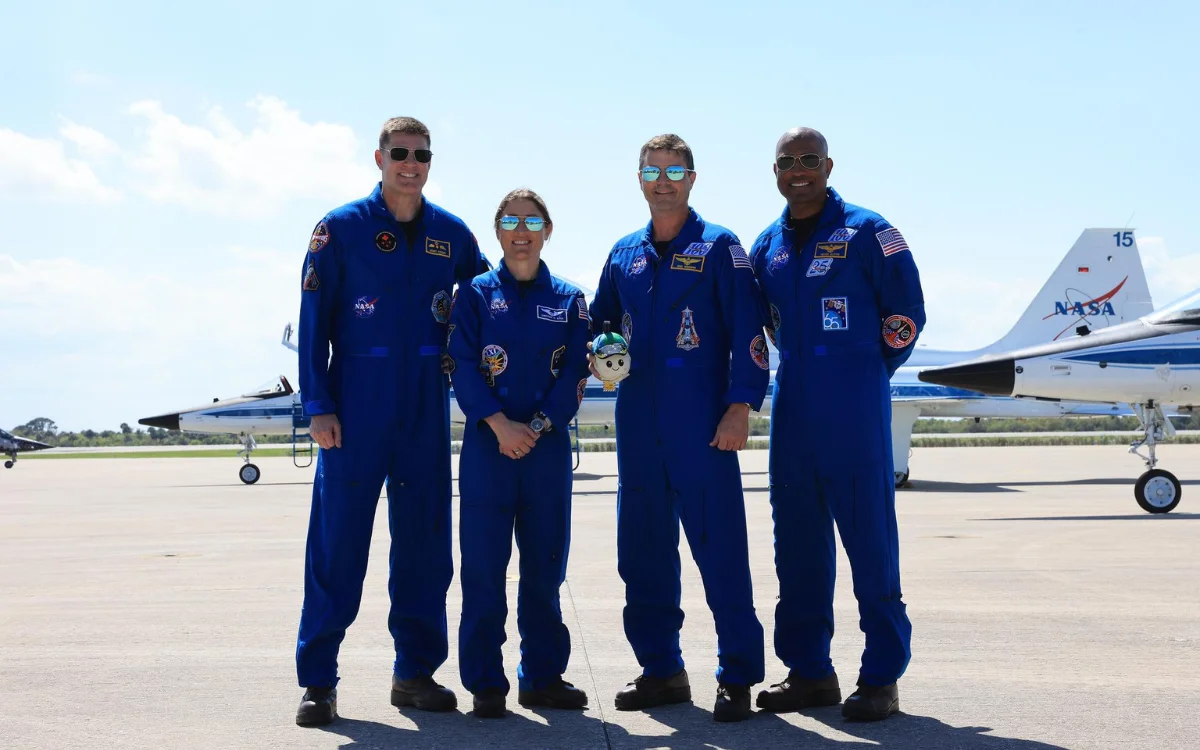

NASA’s multi-billion-dollar tech mission rests entirely on the shoulders of the cutest little mascot you’ve ever seen – a floating plush toy to signal zero gravity called Rise.
For all the jaw-dropping engineering packed into NASA’s Artemis II mission, a soft little mascot will still be doing one of the most human jobs on board.
When the toy starts floating, everyone knows the spacecraft has reached weightlessness.
It’s a beautifully simple tradition that has survived decades of increasingly advanced space travel.
Is there room on NASA’s multi-billion-dollar tech mission for a little guy?
Artemis II is an enormous space mission with massive expectations attached to it, as it is set to be the first crewed flight of the Artemis program and a major test of the Orion spacecraft on its journey around the Moon.
With billions poured into the technology behind the mission, you might expect every signal and milestone to come from screens, sensors, and high-end onboard systems.
But NASA still loves a zero-gravity indicator, which is really just a small object that floats once the spacecraft reaches weightlessness.
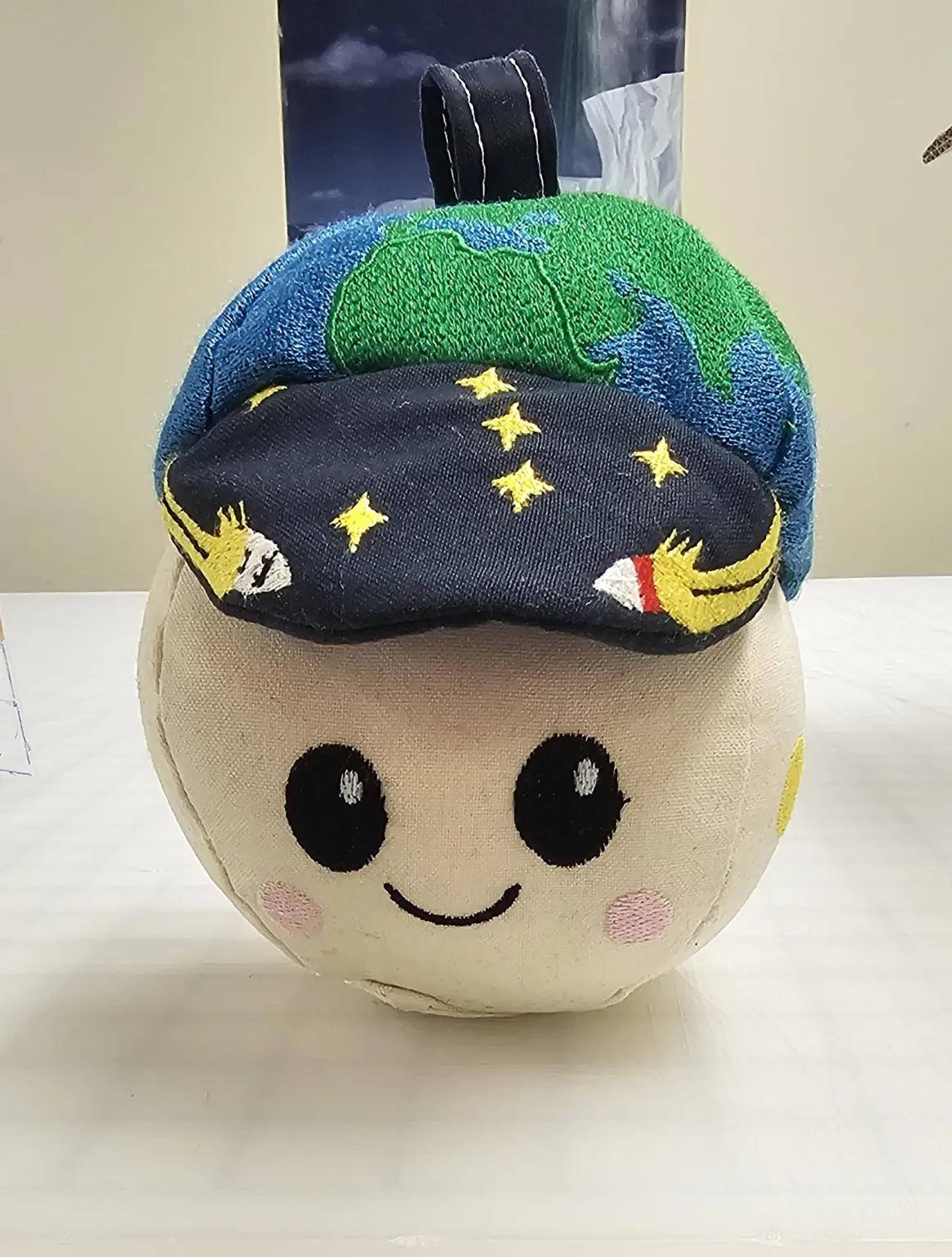
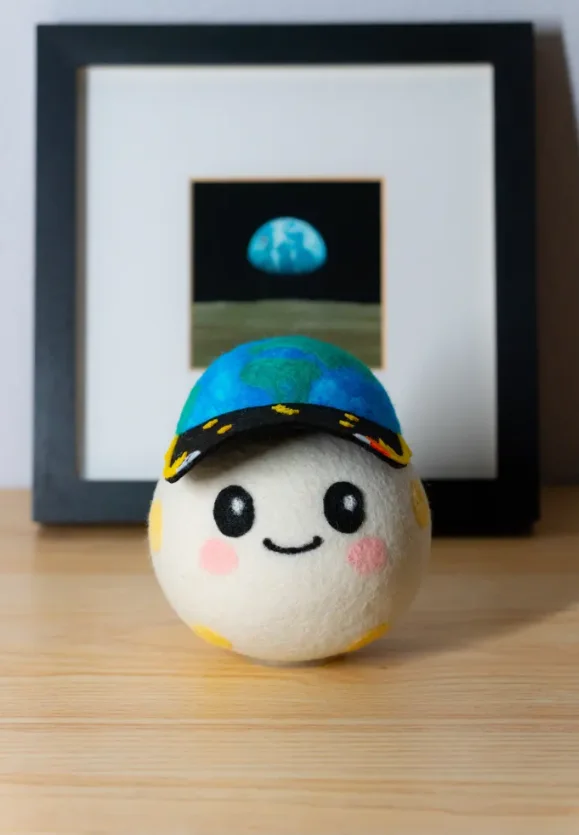
For Artemis II, that object is a plush toy called Rise.
The mascot was introduced by Commander Reid Wiseman as the crew arrived at Kennedy Space Center, and it’s more than just a cute passenger.
It’s the official zero-g indicator for the mission, meaning it will be the visual cue that tells everyone onboard they have entered microgravity.
Related
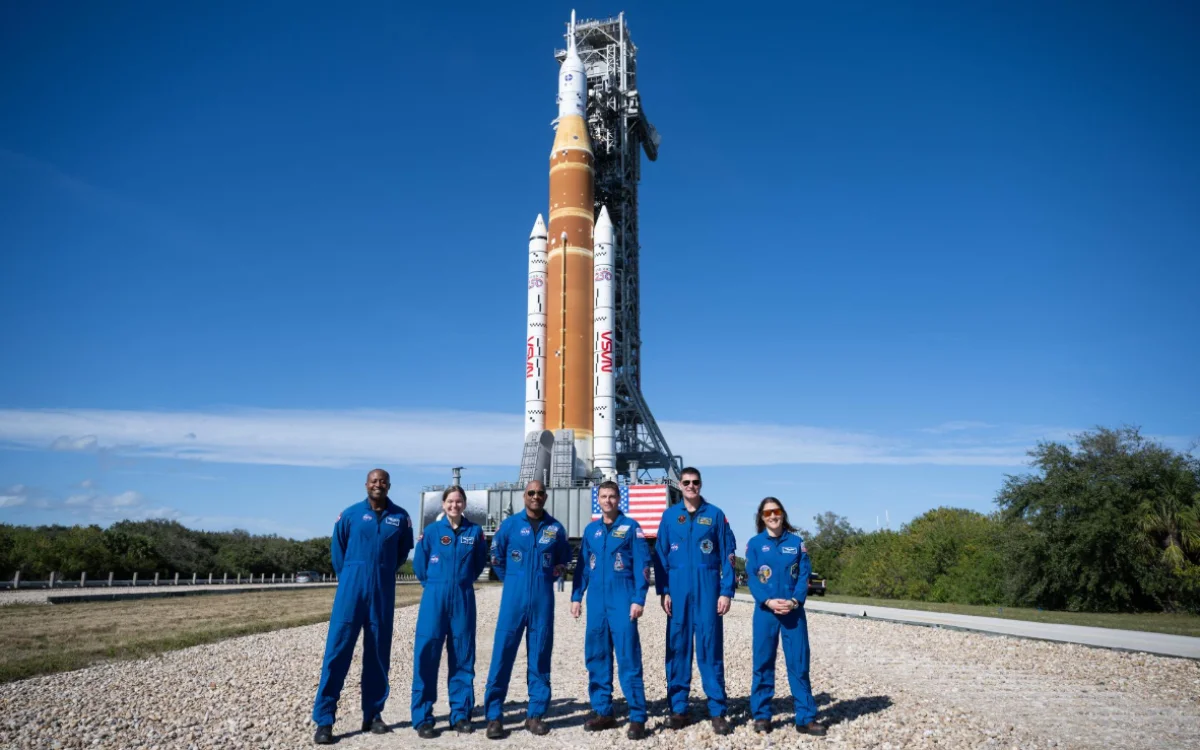
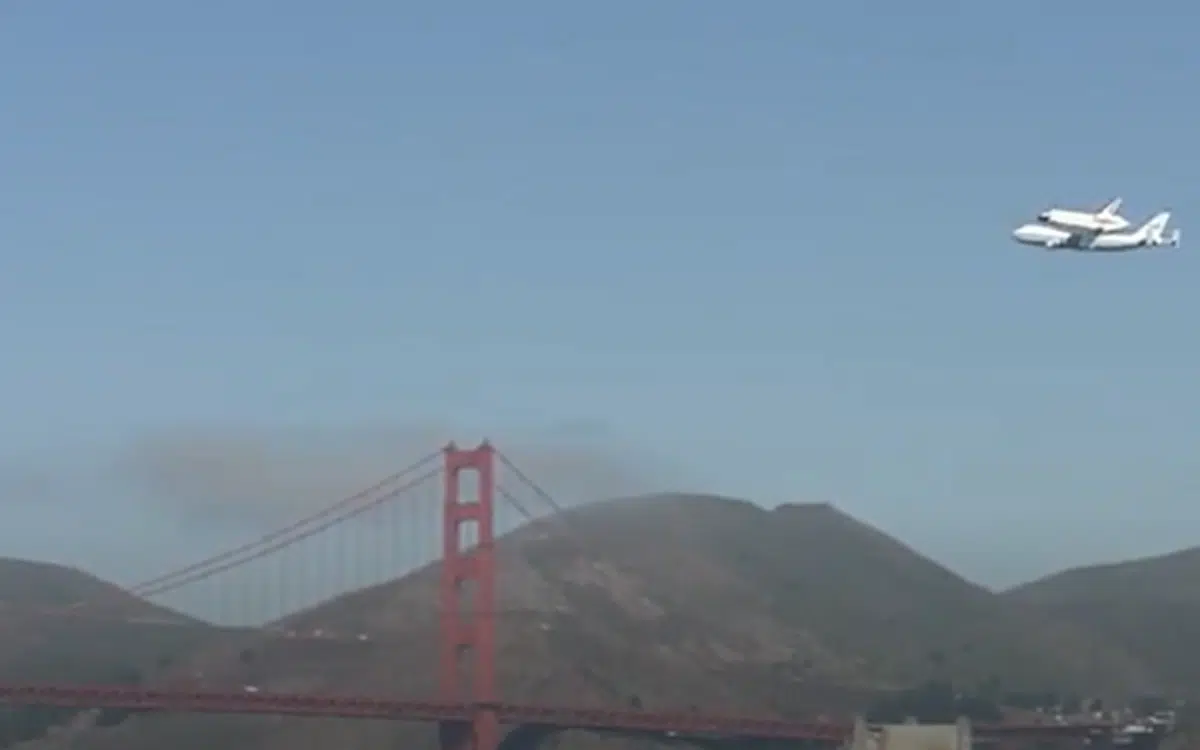
The floating plush toy to signal zero gravity was chosen from thousands of entries
What makes Rise even more special is that it was selected through a public contest.
NASA chose it from around 2,600 submissions sent in from more than 50 countries, making this the first time the public has had a hand in choosing one of the agency’s mission mascots.
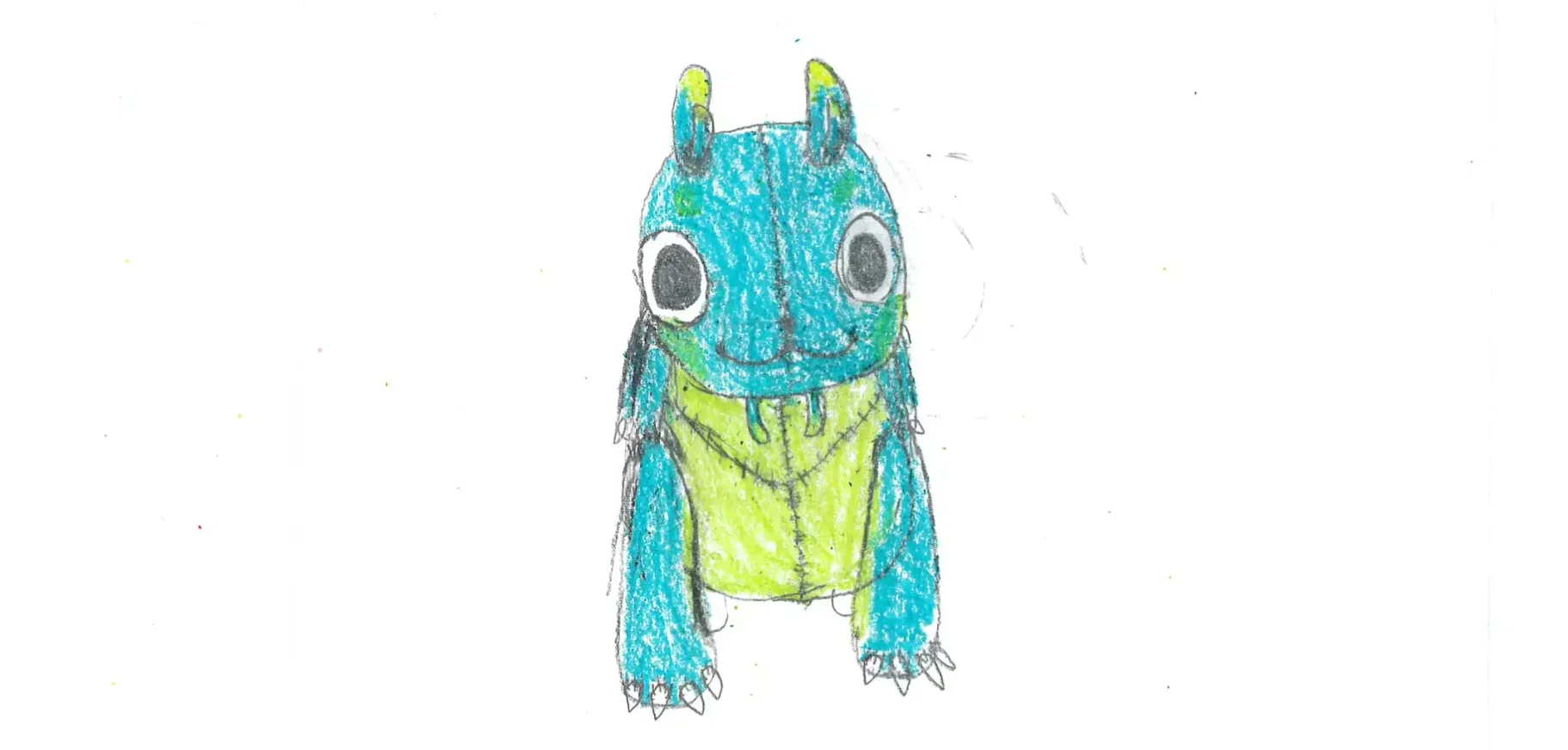
The design was inspired by the famous Earthrise moment from Apollo 8, which gives the plush a deeper connection to NASA’s past as well as its future.
That mix of nostalgia and innovation is what makes the whole thing so perfect.
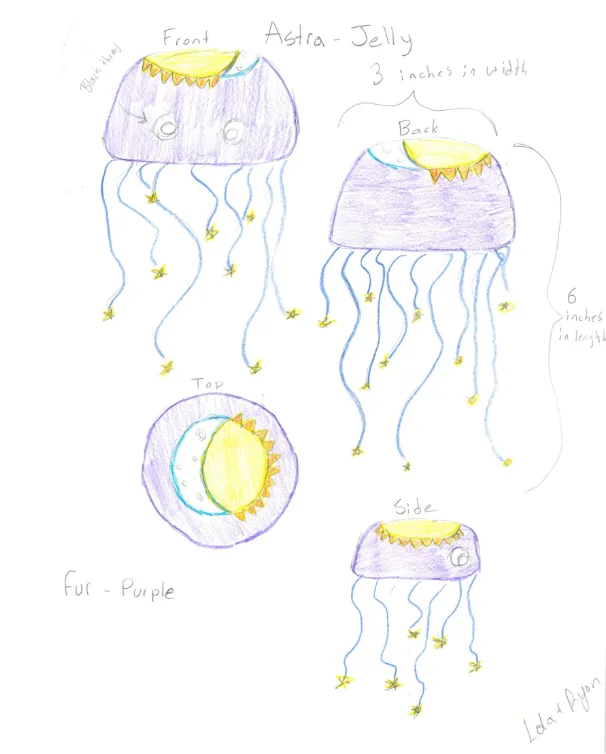
On a mission filled with cutting-edge systems and historic ambitions, one little plush toy still gets to have a starring role.
It’s funny, slightly adorable, and proof that even in the most advanced missions ever built, some traditions are just too good to leave behind.
Daisy is a technology and automotive journalist covering artificial intelligence, consumer tech, Apple news, cryptocurrency, emerging technologies, and transportation innovation. Since joining the team in 2025, she has reported on everything from AI-powered startups and major iOS updates to viral car stories and the latest developments shaping transportation and the digital economy. Drawing on her background in automotive journalism and a degree in History and Journalism from Goldsmiths, University of London, Daisy specializes in breaking down complex topics into clear, engaging reporting for a global audience. Her work spans cutting-edge technology, innovative vehicles, and the people driving change across both industries. Daisy has gained first-hand access to some of the world's most talked-about technologies and innovators, including meeting Tesla's Optimus humanoid robot during its first European appearance in London. She has also discussed the future of space exploration with an astronaut, bringing unique insights and real-world perspectives to her coverage of emerging technology.




