New EU law is forcing phones to have replaceable batteries that everyone can easily remove and fix which could cause seismic change
Published on Apr 22, 2026 at 1:25 AM (UTC-4)
by Daisy Edwards
Last updated on May 22, 2026 at 4:22 AM (UTC-4)
Edited by
Emma Matthews
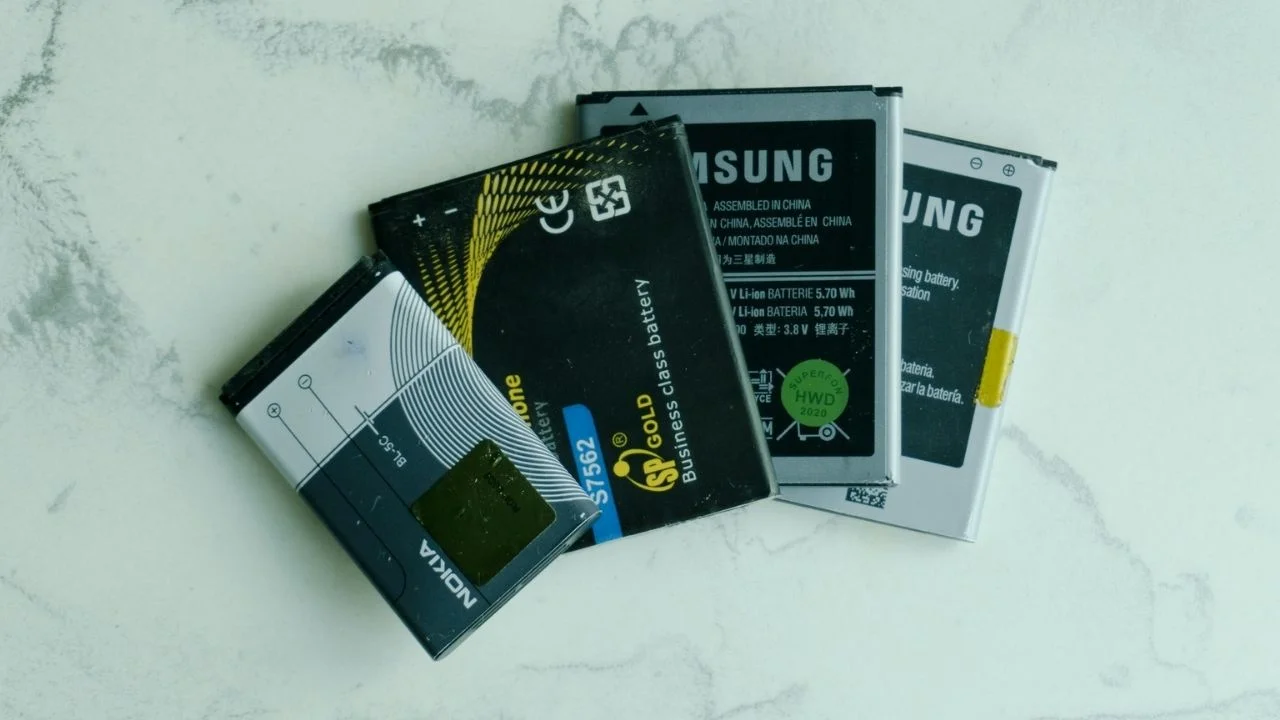

A seismic change is coming to Europe, because a new EU law is forcing phones to have easily removable and replaceable batteries
For years, smartphones have trended toward sealed, ultra-slim designs that make even basic repairs nearly impossible.
But that era might finally be coming to an end as regulators push for more user-friendly hardware.
And it’s not just about convenience; it could reshape the entire tech industry.
New EU law is forcing phones to have replaceable batteries
The European Union has introduced new rules requiring smartphone manufacturers to make batteries easily replaceable by users, without needing specialized tools or professional help.
That means no more glued-shut casings or complicated disassembly just to swap out a worn battery.
Manufacturers will need to rethink how they design devices, aesthetics, and repairability.
It could be like a return to a time when popping open the back of your phone and swapping batteries was completely normal.
While some brands have already started exploring repair-friendly designs, this law forces the entire market to adapt, not just a niche few.

A seismic change in the world of tech
One of the biggest impacts of this change could be on how long people actually keep their devices.
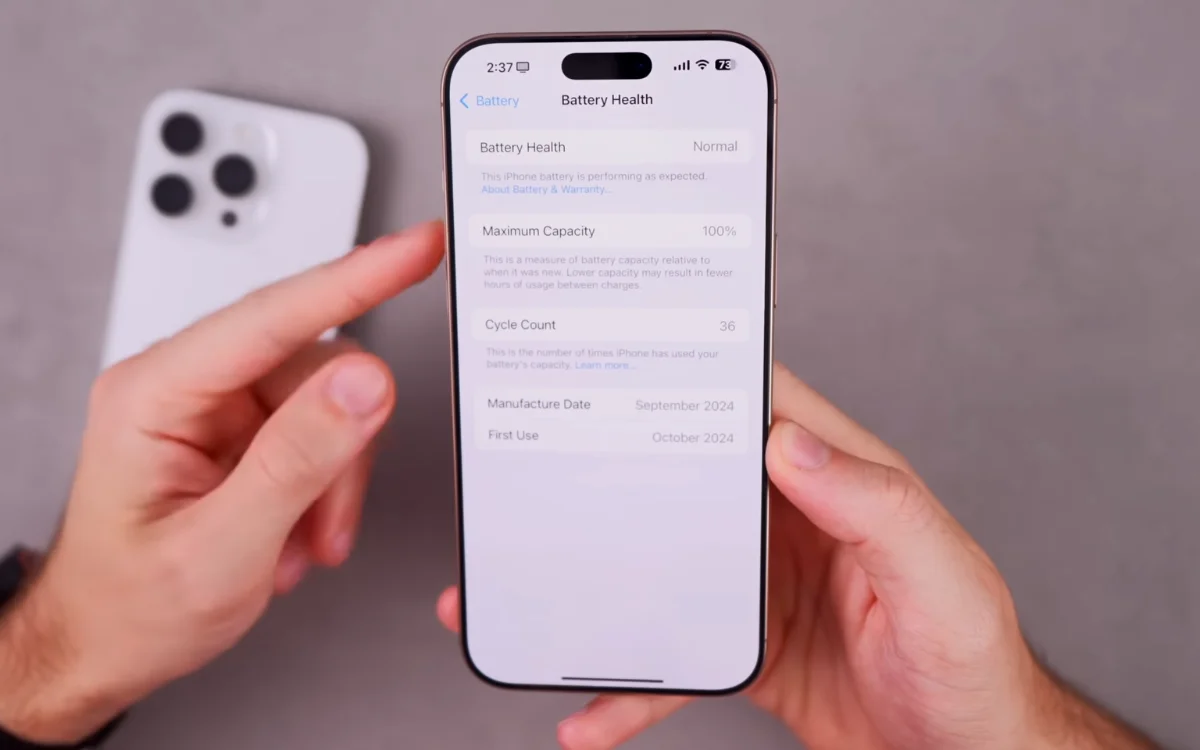
Battery degradation is one of the main reasons people upgrade their phones, even when everything else still works perfectly.
If swapping a battery becomes quick and affordable, users may hold onto their phones for much longer, which could reduce electronic waste significantly and save consumers money in the long run.
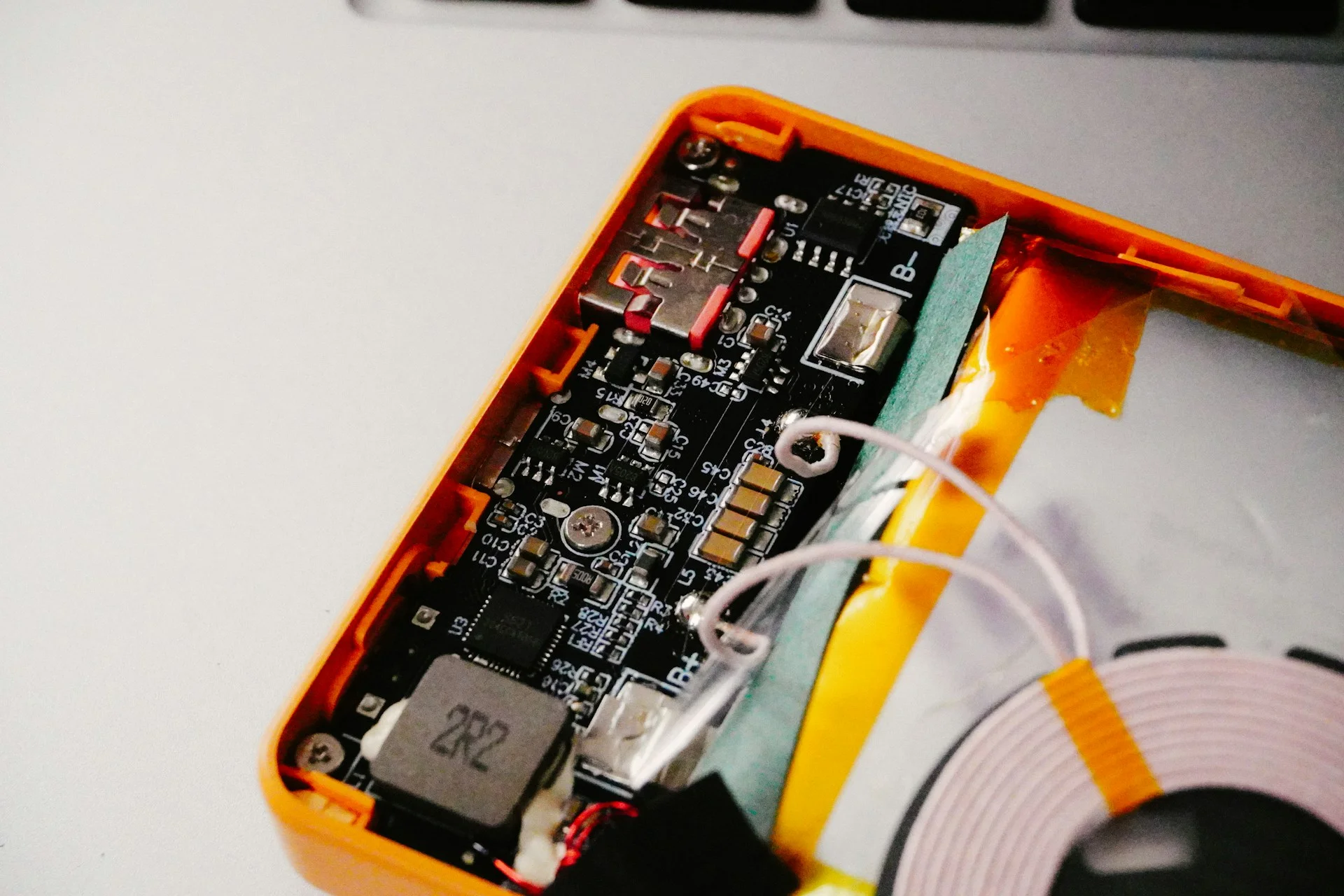
At the same time, it may challenge manufacturers who rely on frequent upgrades to drive phone sales every year.
Either way, this change is shaping up to be one of the most significant in years for smartphones, and it might just bring back a level of control that consumers haven’t had in a long time.
Daisy is a technology and automotive journalist covering artificial intelligence, consumer tech, Apple news, cryptocurrency, emerging technologies, and transportation innovation. Since joining the team in 2025, she has reported on everything from AI-powered startups and major iOS updates to viral car stories and the latest developments shaping transportation and the digital economy. Drawing on her background in automotive journalism and a degree in History and Journalism from Goldsmiths, University of London, Daisy specializes in breaking down complex topics into clear, engaging reporting for a global audience. Her work spans cutting-edge technology, innovative vehicles, and the people driving change across both industries. Daisy has gained first-hand access to some of the world's most talked-about technologies and innovators, including meeting Tesla's Optimus humanoid robot during its first European appearance in London. She has also discussed the future of space exploration with an astronaut, bringing unique insights and real-world perspectives to her coverage of emerging technology.




