A new lunar lander is taking human knowledge to the Moon for safekeeping
Published on Oct 29, 2025 at 9:11 AM (UTC-4)
by Daisy Edwards
Last updated on Oct 29, 2025 at 1:12 PM (UTC-4)
Edited by
Emma Matthews
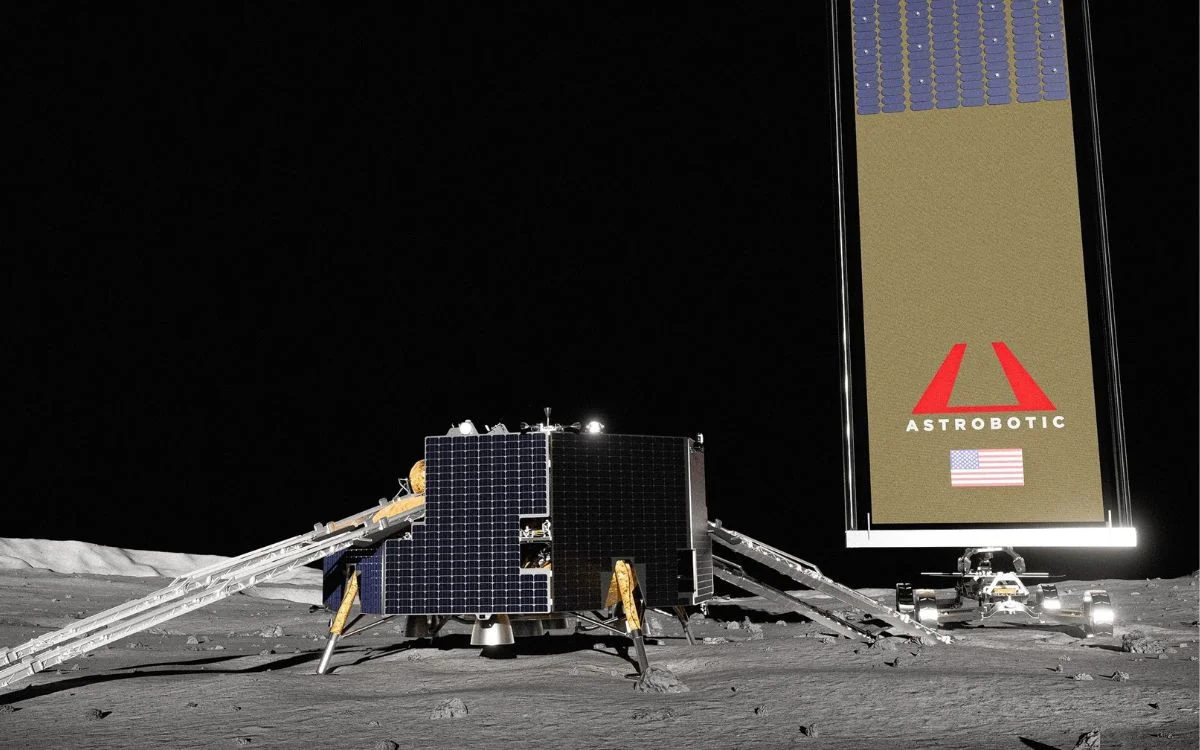

You’ve heard of backing up knowledge to the cloud, but what about backing up knowledge to the Moon with a lunar lander?
A bold mission is gearing up to send a time capsule of our civilization into the lunar ground.
It’s a project that blends cutting-edge space tech with a surprisingly human purpose.
The company behind the mission is preparing for launch in 2026 with the singular goal of preserving humanity’s art, science, and culture, just in case.
EXPLORE SBX CARS – Supercar auctions starting soon powered by Supercar Blondie
The lunar lander takes our story to the Moon
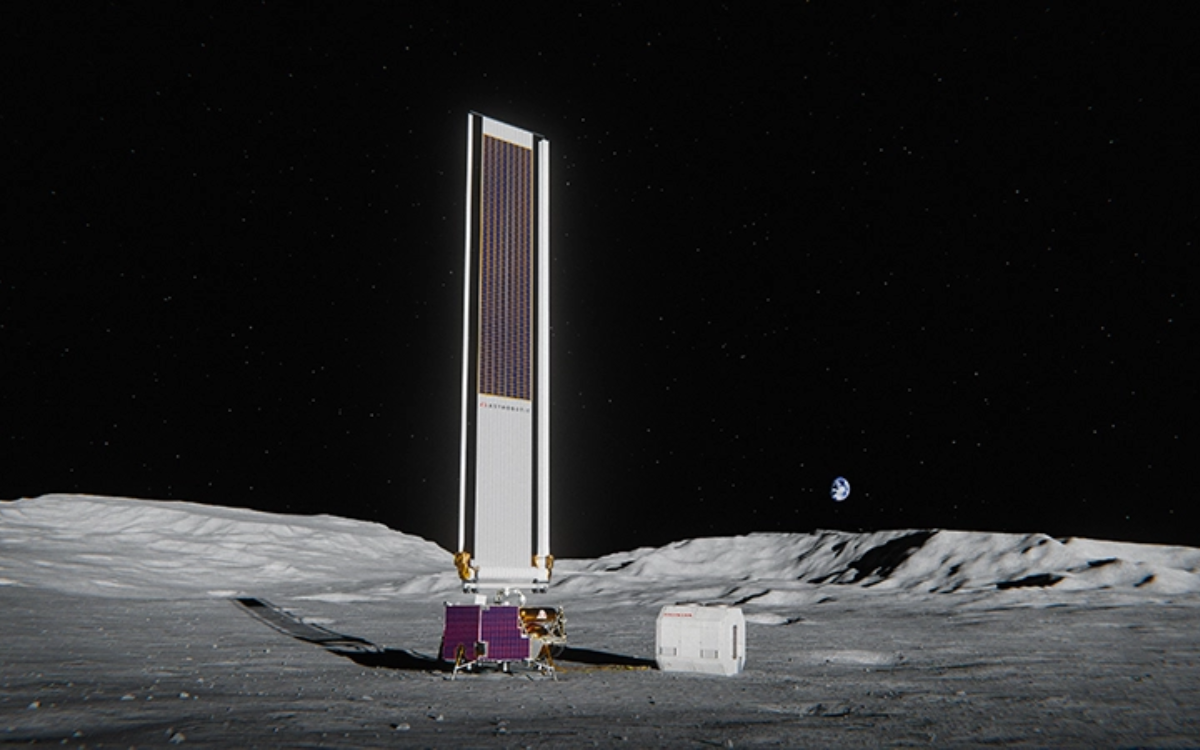
The space lander, called the Griffin, was developed by Astrobotic Technology under NASA’s CLPS (Commercial Lunar Payload Services) program.
It was designed to deliver up to about 625kg of scientific gear to the Moon’s surface.
Among its rovers, cameras, and hardware is a special micro-engraved archive called the ‘Galactic Library Preserve Humanity Nanofiche’, a collection of literature, art, and key intellectual achievements etched on nickel and gold.
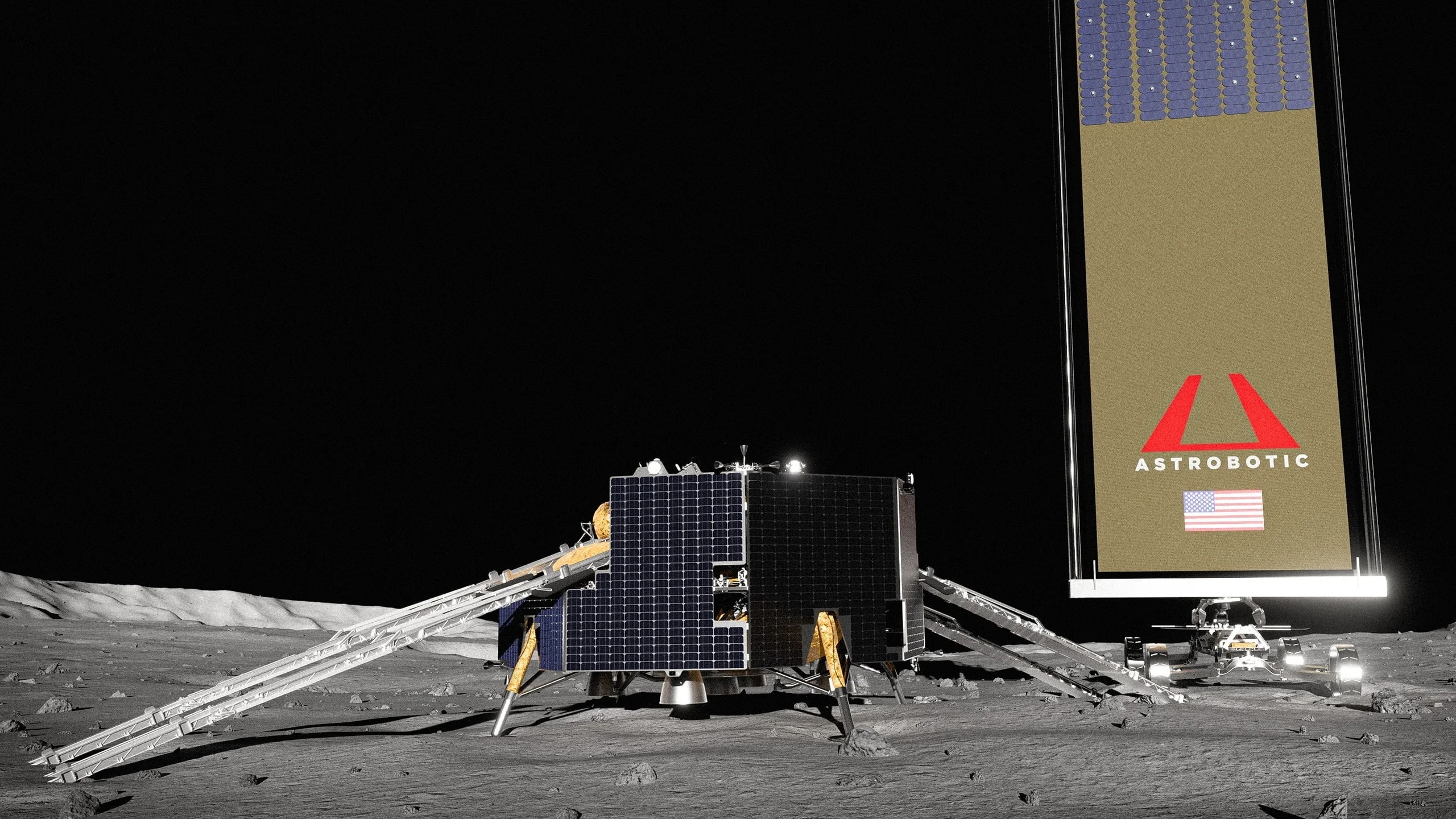
The idea is to ensure that our history, scientific advancements, and cultural contributions remain accessible to future generations beyond Earth.
The lander is scheduled to touch down in the Nobile Crater near the Moon’s South Pole in summer 2026.
Why this mission matters for our legacy and tech
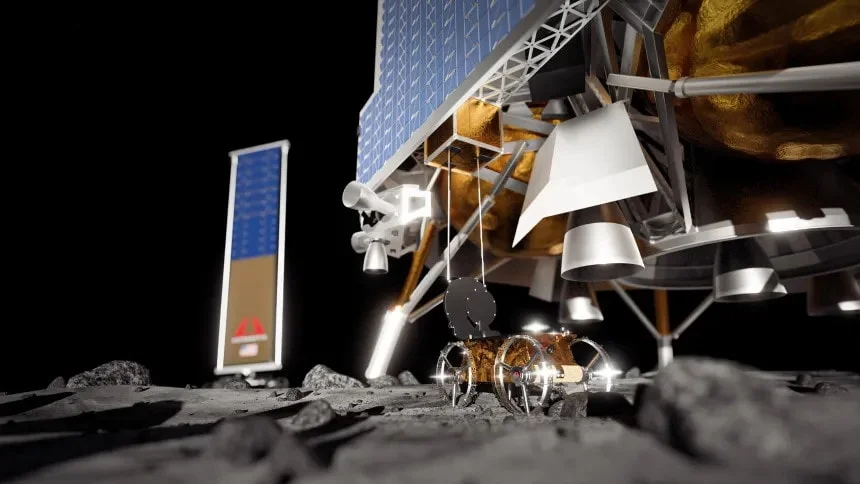
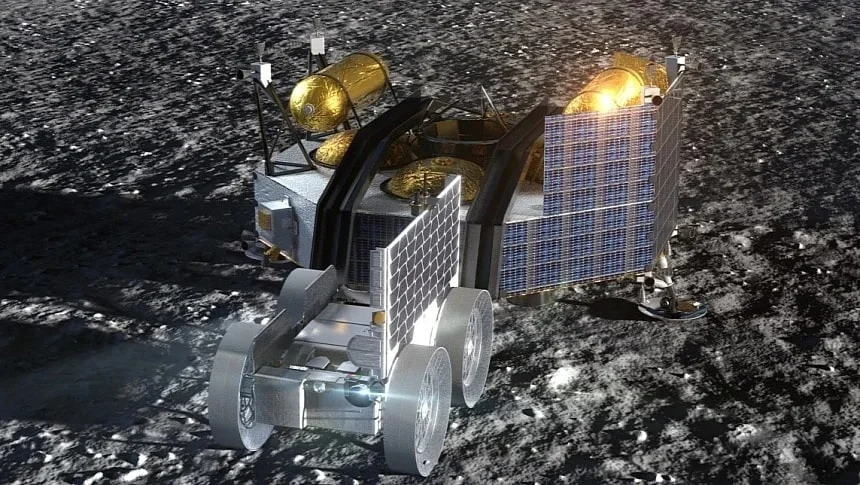
This isn’t just about storing books on the Moon – the lander carries rovers like the FLEX Lunar Innovation Platform and the CubeRover for real lunar surface experiments.
Some of the experiments include testing solar power, dust resilience, and navigation systems.
It also features the first commercial lunar power service prototype, LunaGrid, plus a special camera to hunt for helium 3, which can potentially improve nuclear power and is reportedly found in abundance on the Moon.
So, the mission combines culture, science, and lunar tech, and it means that if something catastrophic happens on Earth, at least we’ve tucked a piece of ourselves away for posterity.
Daisy is a technology and automotive journalist covering artificial intelligence, consumer tech, Apple news, cryptocurrency, emerging technologies, and transportation innovation. Since joining the team in 2025, she has reported on everything from AI-powered startups and major iOS updates to viral car stories and the latest developments shaping transportation and the digital economy. Drawing on her background in automotive journalism and a degree in History and Journalism from Goldsmiths, University of London, Daisy specializes in breaking down complex topics into clear, engaging reporting for a global audience. Her work spans cutting-edge technology, innovative vehicles, and the people driving change across both industries. Daisy has gained first-hand access to some of the world's most talked-about technologies and innovators, including meeting Tesla's Optimus humanoid robot during its first European appearance in London. She has also discussed the future of space exploration with an astronaut, bringing unique insights and real-world perspectives to her coverage of emerging technology.




