Nokia built a $20,000,000,000 empire that had nothing to do with phones and almost no one noticed
Published on Feb 19, 2026 at 10:15 PM (UTC+4)
by Claire Reid
Last updated on Feb 23, 2026 at 6:43 PM (UTC+4)
Edited by
Kate Bain
Nokia spent more than a decade as the best-selling phone-maker in the world, but these days it makes its money in a very different way.
If you grew up during the late 1990s and early 2000s, you’re probably all too familiar with Nokia phones.
Over the years, it released some iconic handsets, including the 3310, which made an unlikely comeback in 2017, and the 1100, which is the best-selling phone ever made, with more than 250 million units sold worldwide.
However, things began to go wrong for the company in 2007 with the introduction of the very first iPhone, but just because Nokia’s phones are no longer top sellers, it doesn’t mean the company isn’t thriving.
DISCOVER SBX CARS – The global premium auction platform powered by Supercar Blondie
Nokia rebuilt itself after its phones stopped selling
Nokia was founded all the way back in 1865 and was originally a pulp mill before moving into electronics and cable-making decades later.
In 1982, it launched the Mobira Senator car-phone, which helped pave the way for its wildly successful range of cellphones.
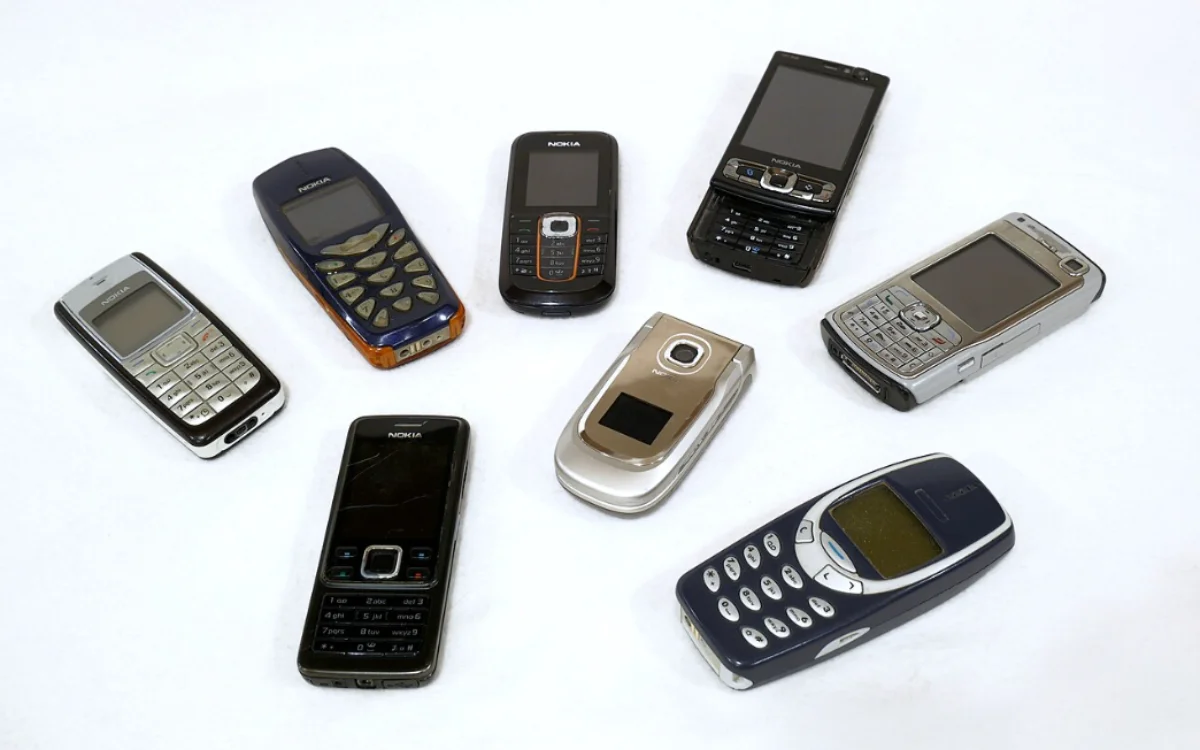
During its peak, in the early 2000s, the company absolutely dominated the industry with a 49.4 percent market share in 2007.
But then it experienced a catastrophic fall, partly due to the introduction of newer, smarter technology, like the Apple iPhone, and by early 2013, Nokia had just 3 percent market share.
However, while some companies might have decided to call it a day, Nokia was made of sterner stuff.
In 2013, it sold off its cellphone division to Microsoft for $7 billion and decided to instead focus on telecommunication infrastructure and network hardware.
The Finnish-based company also had tens of thousands of patents.
Alongside that, its acquisition of Alcatel-Lucent in 2016 turned it into the second-largest telecom equipment company in the world.
In 2024, the company was earning more than $2 billion just from its patent licensing and had a total revenue of more than $20 billion.
Click the star icon next to supercarblondie.com in Google Search to stay ahead of the curve on the latest and greatest supercars, hypercars, and ground-breaking technology
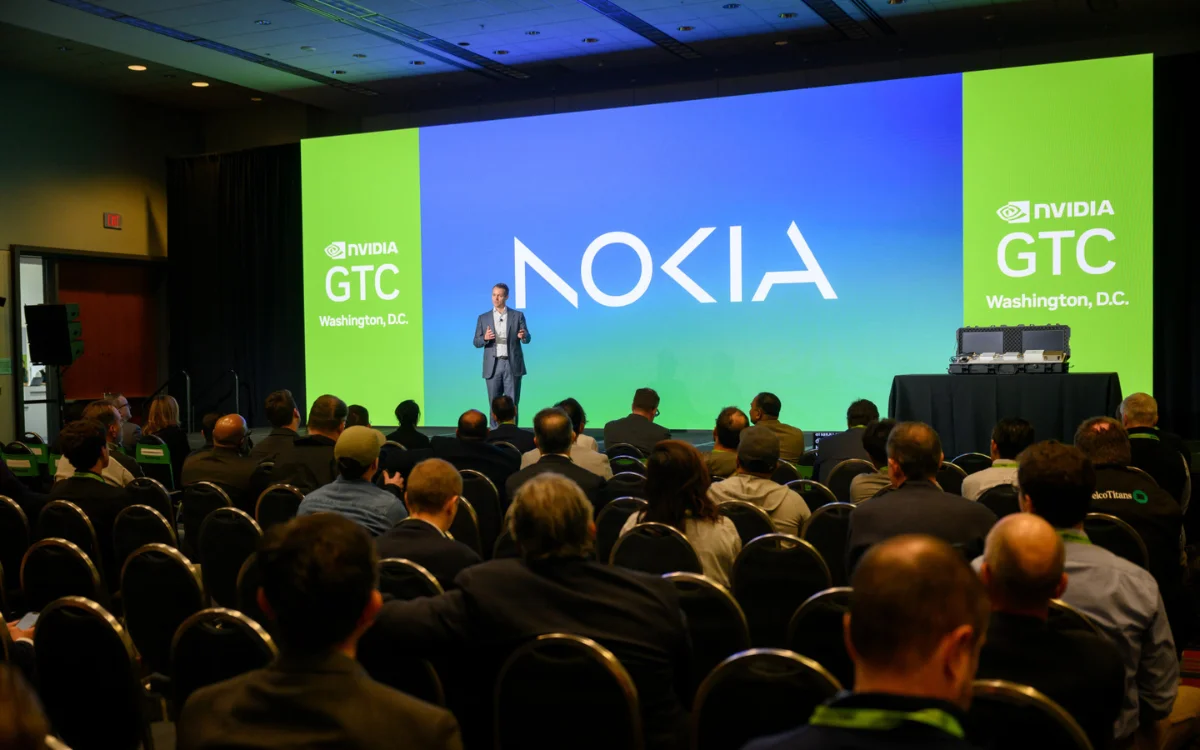
The company just got a $1bn investment from Nvidia
And the future is looking just as bright for Nokia, having recently received an investment of $1 billion from chip-maker Nvidia.
Nvidia has partnered with Nokia to help usher in the transition from 5G to 6G and help develop the next generation of AI-powered mobile networks.
“The next leap in telecom isn’t just from 5G to 6G – it’s a fundamental redesign of the network to deliver AI-powered connectivity, capable of processing intelligence from the data center all the way to the edge,” Nokia CEO Justin Hotard said in October.
“Our partnership with NVIDIA, and their investment in Nokia, will accelerate AI-RAN innovation to put an AI data center into everyone’s pocket.”
Super-fast 6G could be introduced as soon as 2028, according to Qualcomm.
To begin with, the tech will be introduced to prototype devices, known as pre-commercial devices, before it’s rolled out to the mass market.
Nokia: the rise, fall, and reinvention
1865: Nokia is founded as a pulp mill in Finland
1992: Bets everything on making cellphones
1998: Becomes the world’s largest phone maker
2000: Nokia 3310 launches, and it hit global dominance with more than 40% market share
2007: iPhone changes the game and Nokia underestimates the software shift
2009: Nokia N97 fails to compete. Profits collapse
2011: Partners with Microsoft and adopts Windows Phone
2013: Sells mobile division to Microsoft for $7B and exits the smartphone industry
2016: Acquires Alcatel-Lucent. Becomes a telecom infrastructure giant
2024: Generates $20B+ revenue, powered by 5G patents
2025: Nvidia invests $1B to build AI-powered telecom networks
DISCOVER SBX CARS: The global premium car auction platform powered by Supercar Blondie
With a background in both local and national press in the UK, Claire has covered a range of topics, including technology, gaming, and cryptocurrency, since joining the editorial team at Supercar Blondie in May 2024. Her ability to be first to a story has been integral to making SB’s coverage of scientific discovery, AI, and global tech news a slick 24/7 operation.