Pokémon Go players have unknowingly helped to build a massive real-time database that is now being used to train robots
Published on Mar 19, 2026 at 2:32 PM (UTC+4)
by Daisy Edwards
Last updated on Mar 19, 2026 at 2:32 PM (UTC+4)
Edited by
Emma Matthews
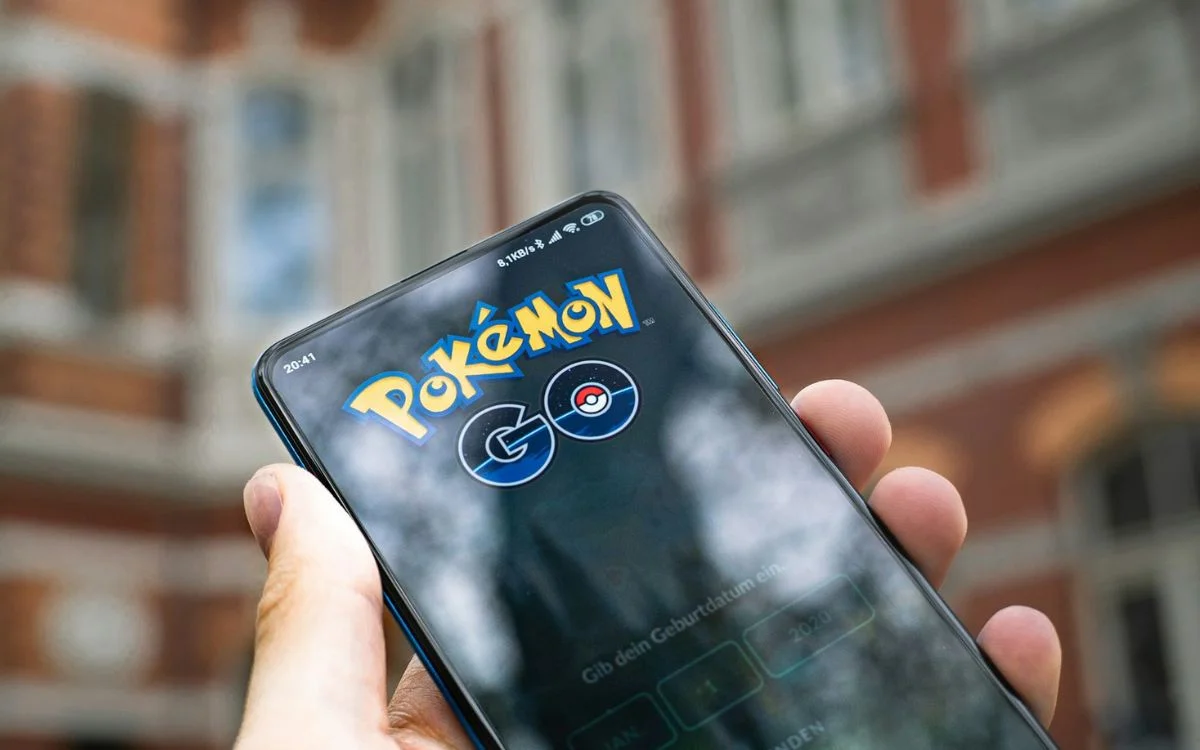

What started as millions of people heading outside to catch Pikachu, Snorlax, and Charmander on Pokémon Go has turned into something much bigger: a massive real-time database that’s being used to train robots.
Over the last decade, Pokémon Go players have helped create a giant collection of real-world visual data simply by exploring streets, parks, and landmarks with their phones.
Now, that same image library is being used to help delivery robots navigate busy city environments more accurately.
It is a pretty wild evolution for a game that was once all about catching digital creatures.
Click the star icon next to supercarblondie.com in Google Search to stay ahead of the curve on the latest and greatest supercars, hypercars, and ground-breaking technology
Pokémon Go players have unknowingly helped to build a massive real-time database
Since launching in 2016 and taking the gaming world by storm, Pokémon Go has built a database of more than 30 billion real-world images, gathered as players scanned and explored locations while playing the game.
That huge visual archive has now been developed into a Visual Positioning System, or VPS, by Niantic Spatial.
Instead of relying only on satellite signals, the system uses visual cues from the environment to work out position and orientation, which can be especially useful in dense urban areas where GPS can struggle.
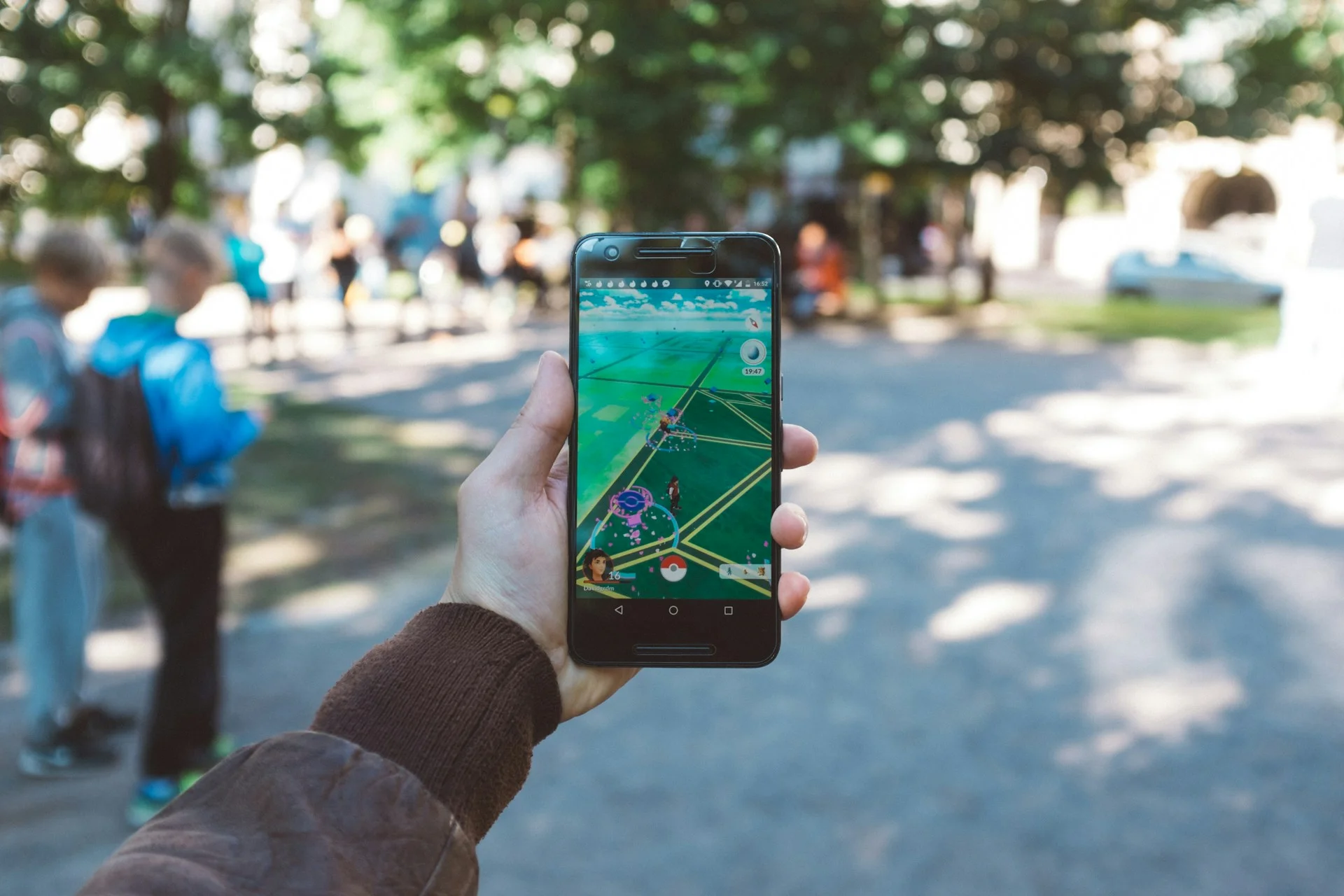
Features like Field Research and optional location scanning encouraged players to capture statues, landmarks, and public spaces, helping improve the accuracy of the system over time.
Niantic has said those scanning tools have always been opt-in and that users were informed about how the data could be used.
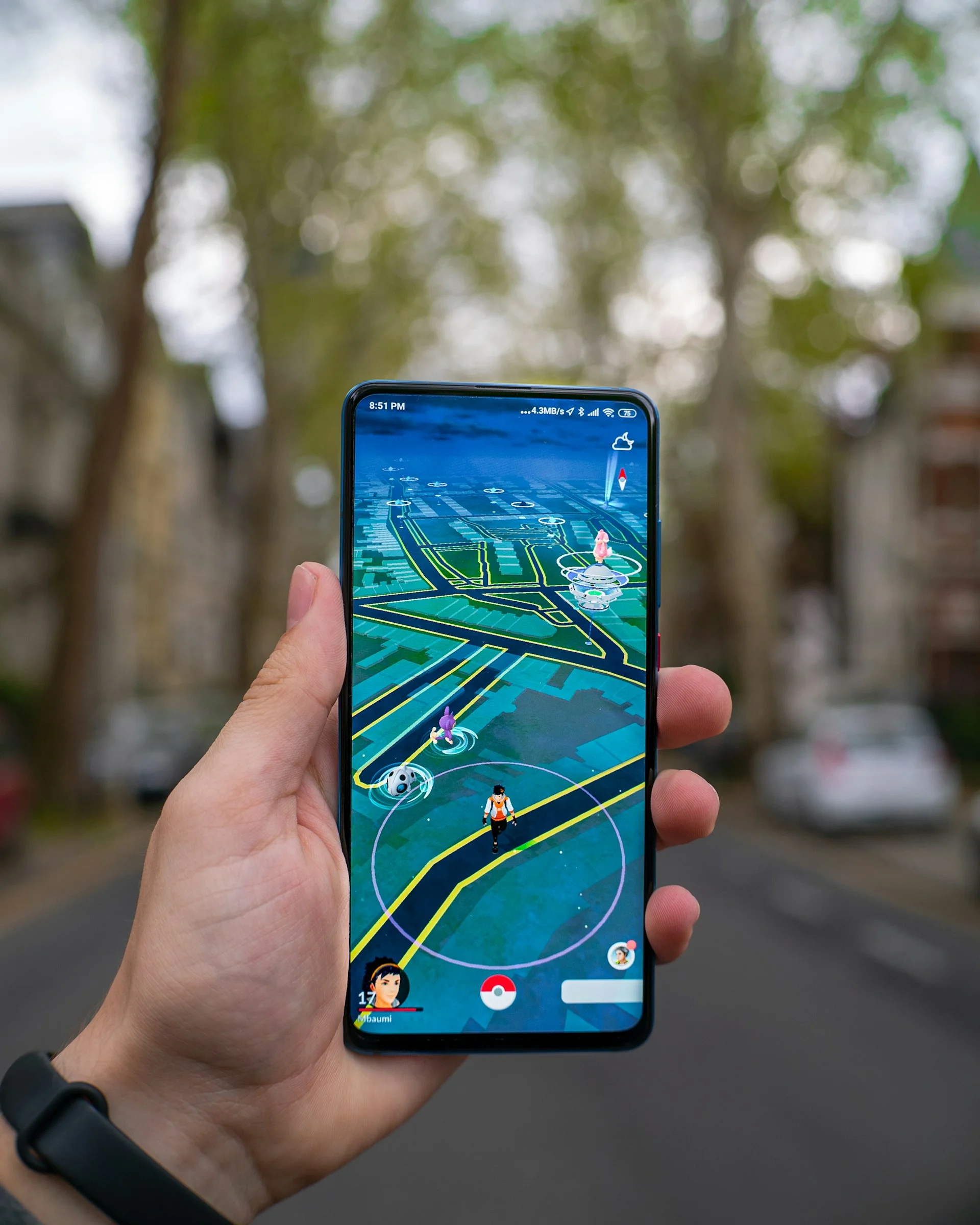
They accidentally helped to build robots
That real-time mapping tech is now being used through a partnership with Coco Robotics, a company that operates small wheeled delivery robots in cities including Los Angeles, Chicago, and Helsinki.
Coco’s robots combine GPS with Niantic’s VPS technology to better handle pavements, crossings, and crowded streets.
The company already has around 1,000 robots in operation, completing hundreds of thousands of deliveries.
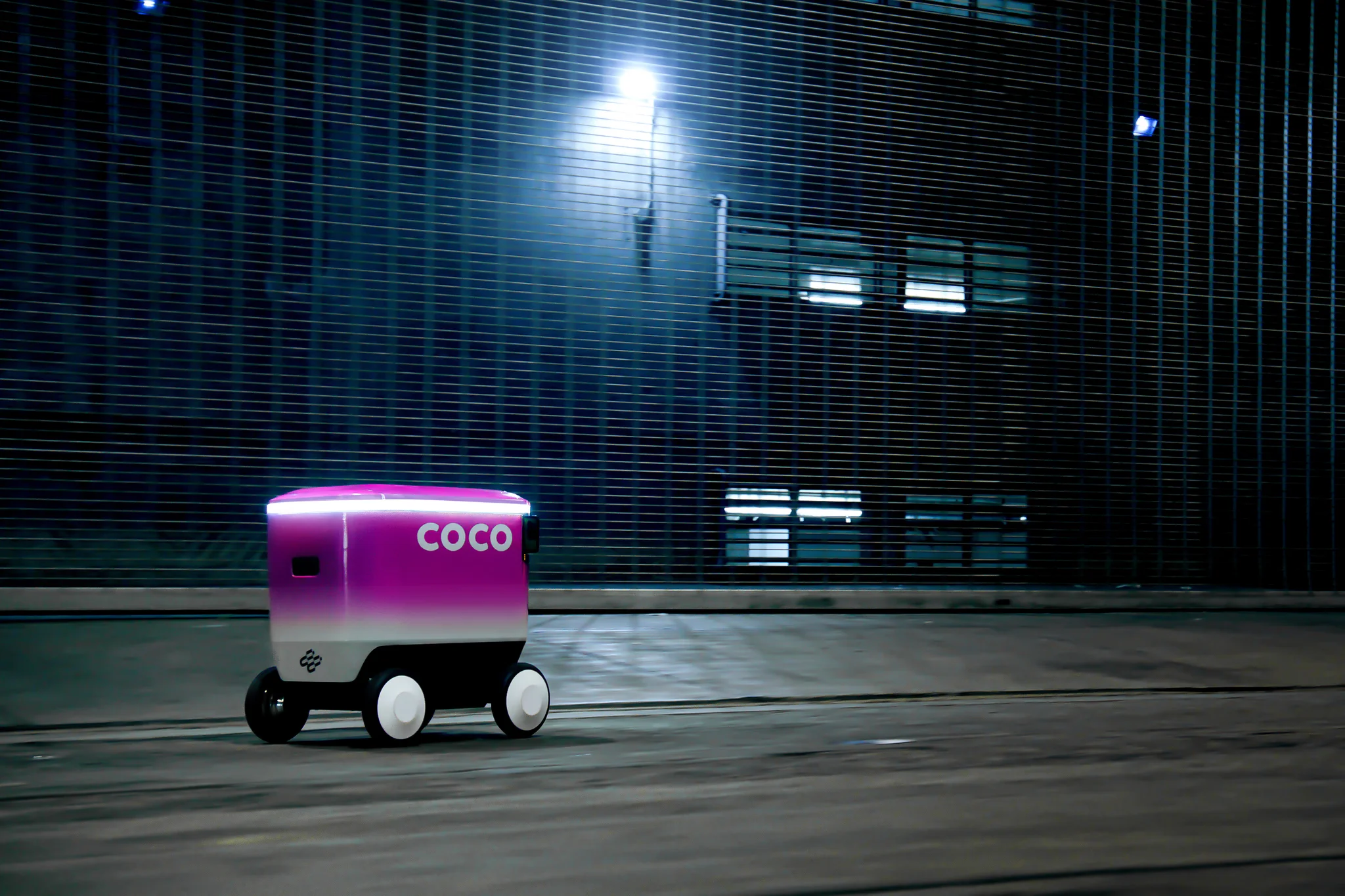
Niantic Spatial CEO John Hanke said the challenge of getting a digital character to move convincingly through the world is surprisingly similar to helping a robot travel through it safely.
Gotta catch ’em all, even the Coco delivery robots.
DISCOVER SBX CARS: The global premium car auction platform powered by Supercar Blondie