Robots built an entire neighborhood in California and this is the effect it had on prices
Published on Feb 19, 2026 at 3:08 PM (UTC+4)
by Daisy Edwards
Last updated on Feb 19, 2026 at 3:08 PM (UTC+4)
Edited by
Amelia Jean Hershman-Jones
Robots built an entire neighborhood in California, and it has understandably had a knock-on effect on local housing prices.
It sounds like the plot of a sci-fi movie, but it’s happening right now in the Golden State, because in rural Yuba County, massive 3D-printing robots have constructed a community of concrete homes from the ground up.
The tech promises faster builds, lower labor costs, and less waste than traditional construction.
But the big question everyone is asking is simple: did it actually make homes cheaper?
EXPLORE SBX CARS – Supercar auctions starting soon powered by Supercar Blondie
3D-printing robots built an entire neighborhood in California
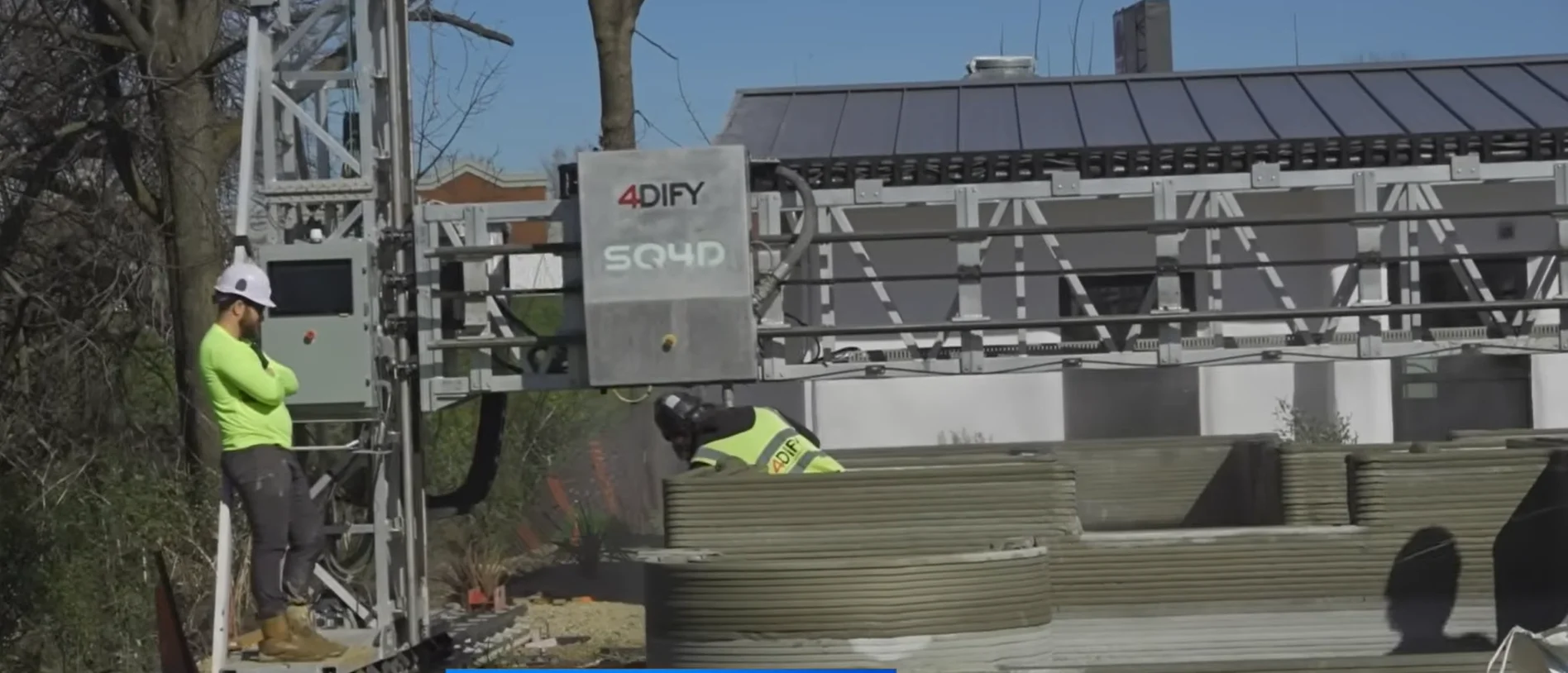
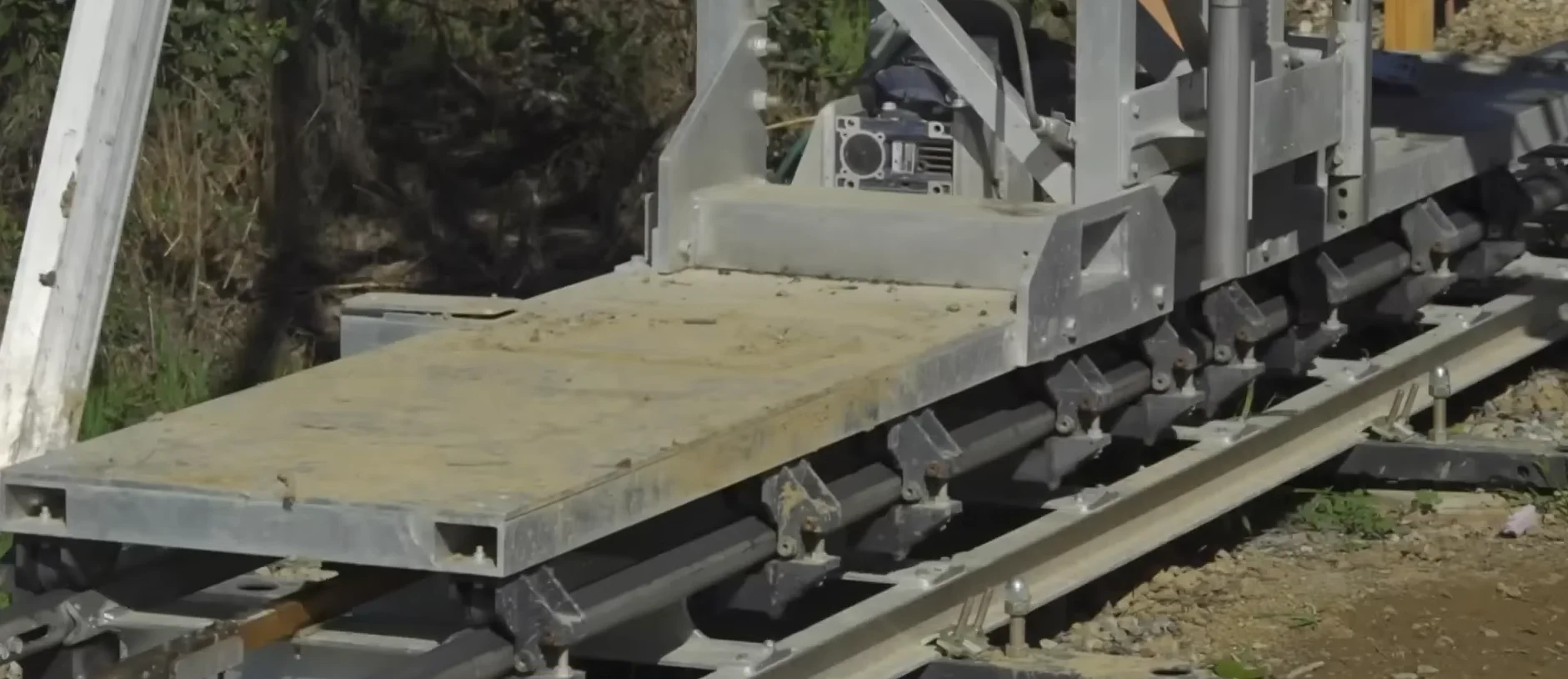
The housing project was led by construction tech company 4Dify, which deployed huge robotic 3D printers worth around $1.5 million each.
These machines layer concrete like icing on a cake, building the walls of a house in a matter of days.
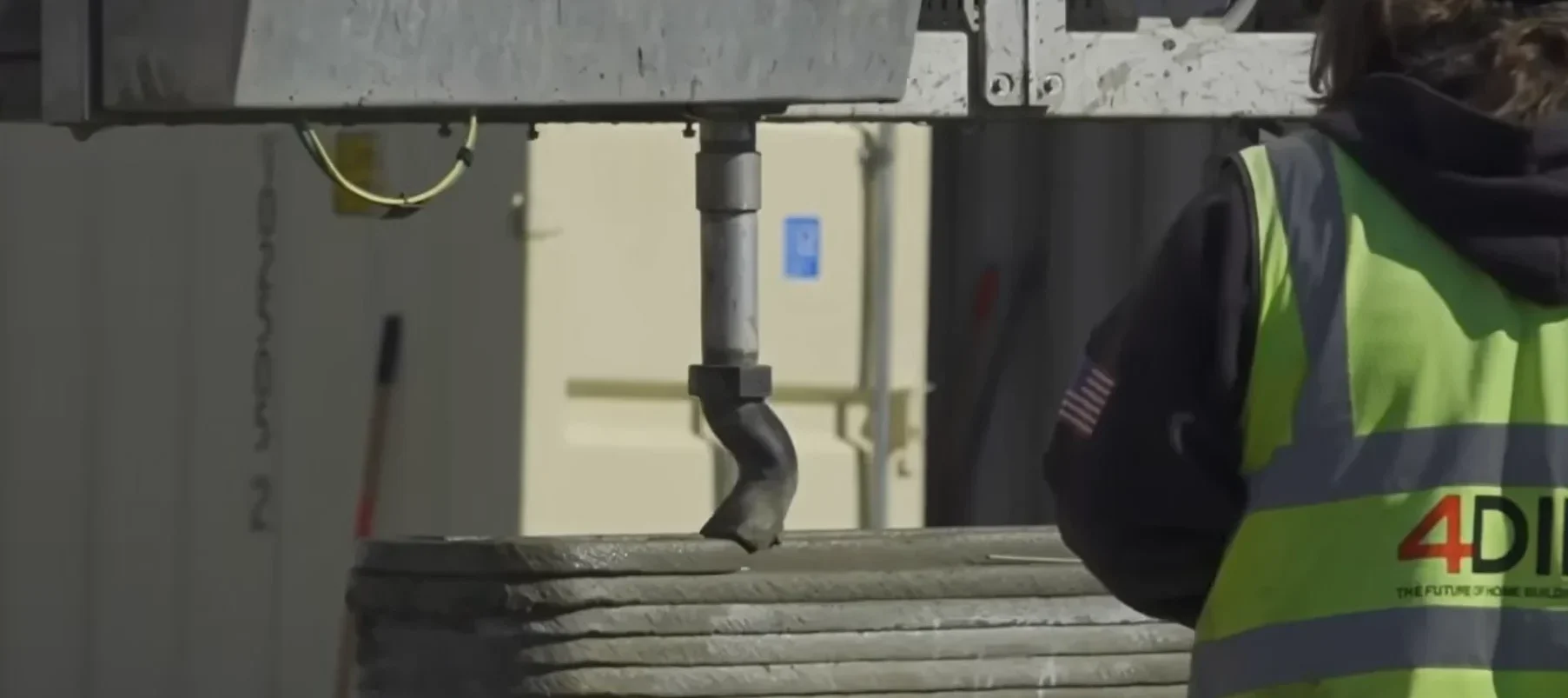
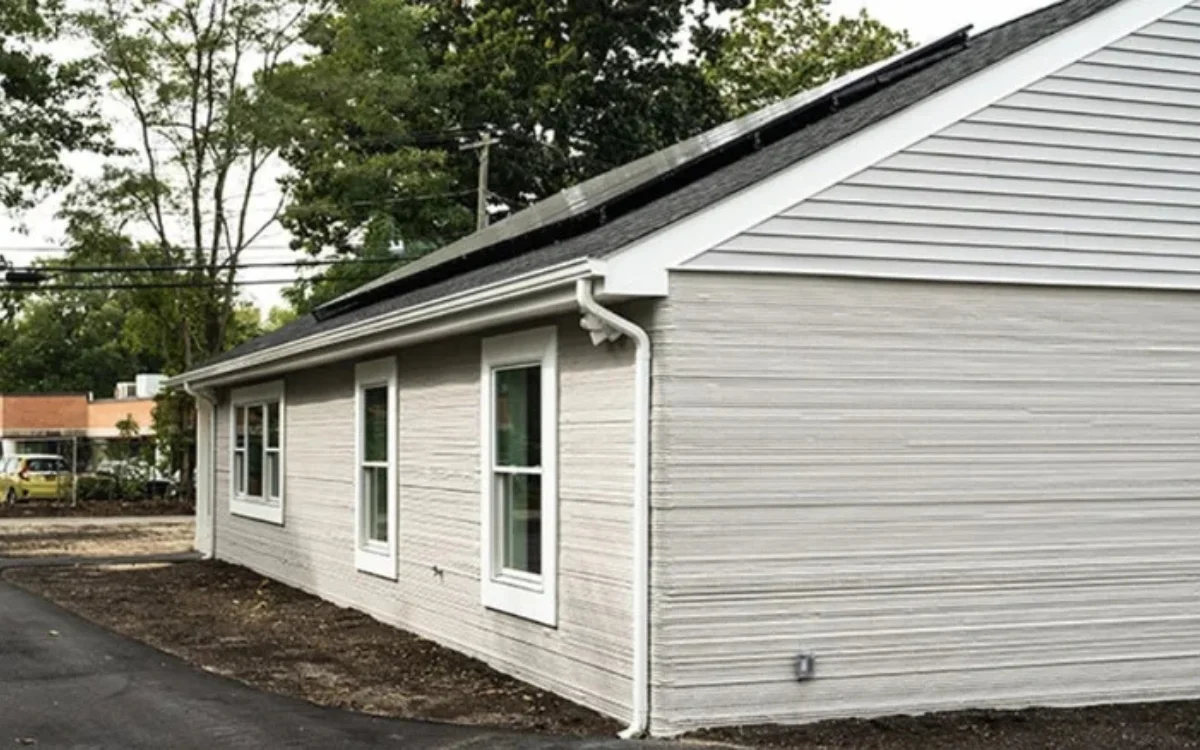
The first 1,000-square-foot, three-bedroom home took about 24 days to print, with future builds expected to take as little as 10.
When the first property hit the market in February 2026, it was listed for around $375,000.
That is below the local median home price of roughly $450,000, which sounds like a win for affordability.
However, when you break it down by size, the robot-built home worked out at about $375 per square foot, compared to the county average of around $268.
So while the price looked competitive, the per square foot maths tells a more complicated story.
Click the star icon next to supercarblondie.com in Google Search to stay ahead of the curve on the latest and greatest supercars, hypercars, and ground-breaking technology
The effect it had on housing prices
Beyond the headline numbers, these homes come with some major perks.
The thick concrete walls are highly resistant to fire, pests, and mold, which could mean lower long-term maintenance costs and even reduced insurance premiums.
In a state like California, where wildfires are a constant concern, that resilience is a strong selling point.
The idea is that once the technology scales up, costs could drop further as printing speeds increase and more communities are built.
For now, robot construction has shaved some money off the top but has not dramatically undercut traditional housing.
Still, if this is what the first wave looks like, the next generation of robot-built neighborhoods could seriously shake up the housing market.
DISCOVER SBX CARS: The global premium car auction platform powered by Supercar Blondie