Simulation shows the real difference between the speed of light and speed of sound and why they're so different
Published on Sep 26, 2025 at 3:00 PM (UTC-4)
by Daisy Edwards
Last updated on Sep 26, 2025 at 3:00 PM (UTC-4)
Edited by
Daisy Edwards
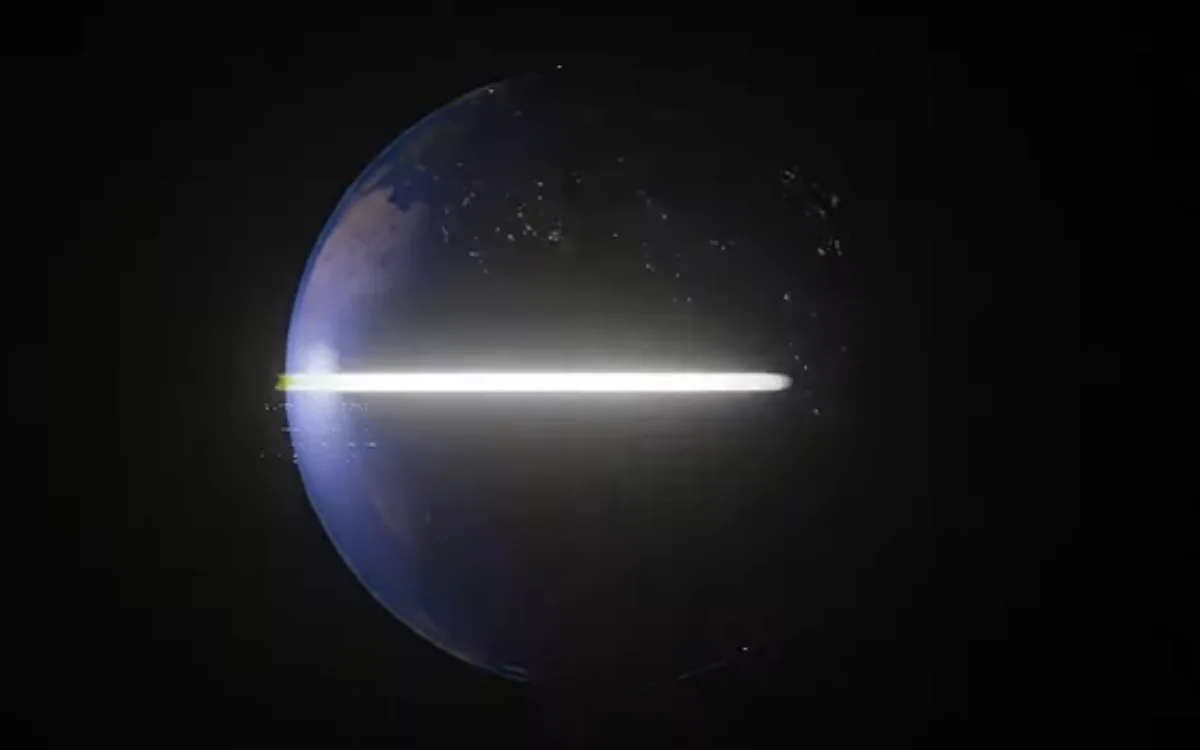

This clever simulation shows the real difference between the speed of light and the speed of sound and why they’re so different.
It describes lightning as the best example of the difference between the speed of light and the speed of sound, because you see the flash way before you hear the iconic clap.
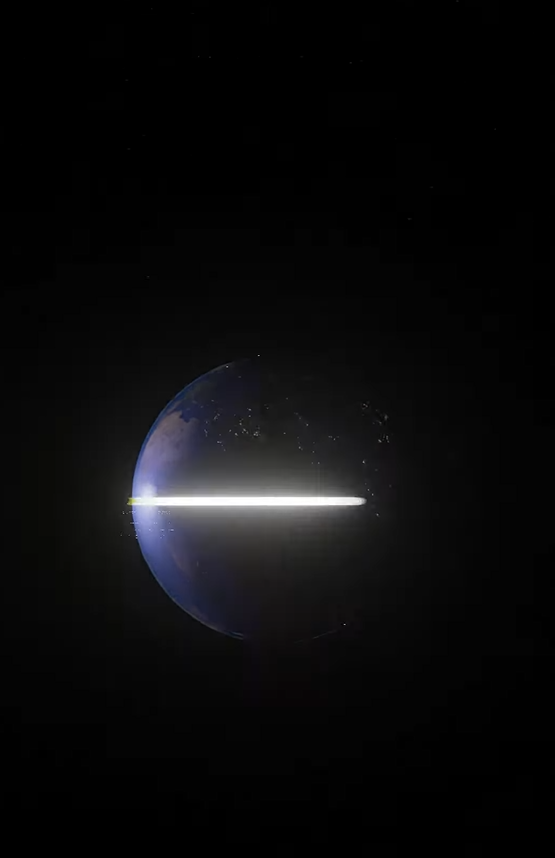
While sound isn’t slow, it may as well be standing still when compared to light, and the animation shows how quickly light zips around the whole Earth compared to sound.
The reason for the significant time difference is due to the distinct ways in which light and sound are produced, which are different processes: one is mechanical, and the other is electromagnetic.
EXPLORE SBX CARS – Supercar auctions starting soon powered by Supercar Blondie
The real difference between the speed of light and the speed of sound
Have you ever been caught in a thunderstorm and seen the flash of lightning long before you heard the crack?
Well, that’s because it’s one of the most common examples of just how much faster light is when it is directly compared to sound.
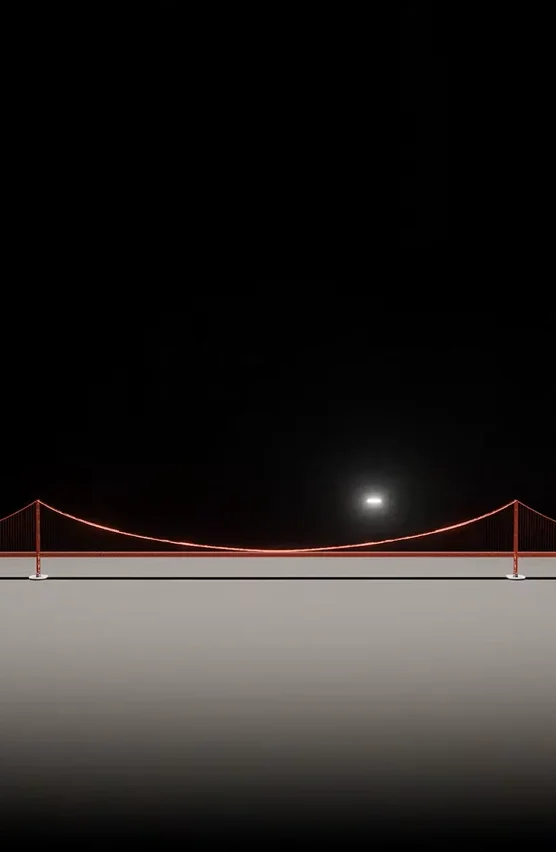
In this video animation simulation, we are given more of a visual explanation of how much faster light is, when it compares sound comfortable bopping between the two towers of the Golden Gate Bridge, to light whizzing around the Earth.
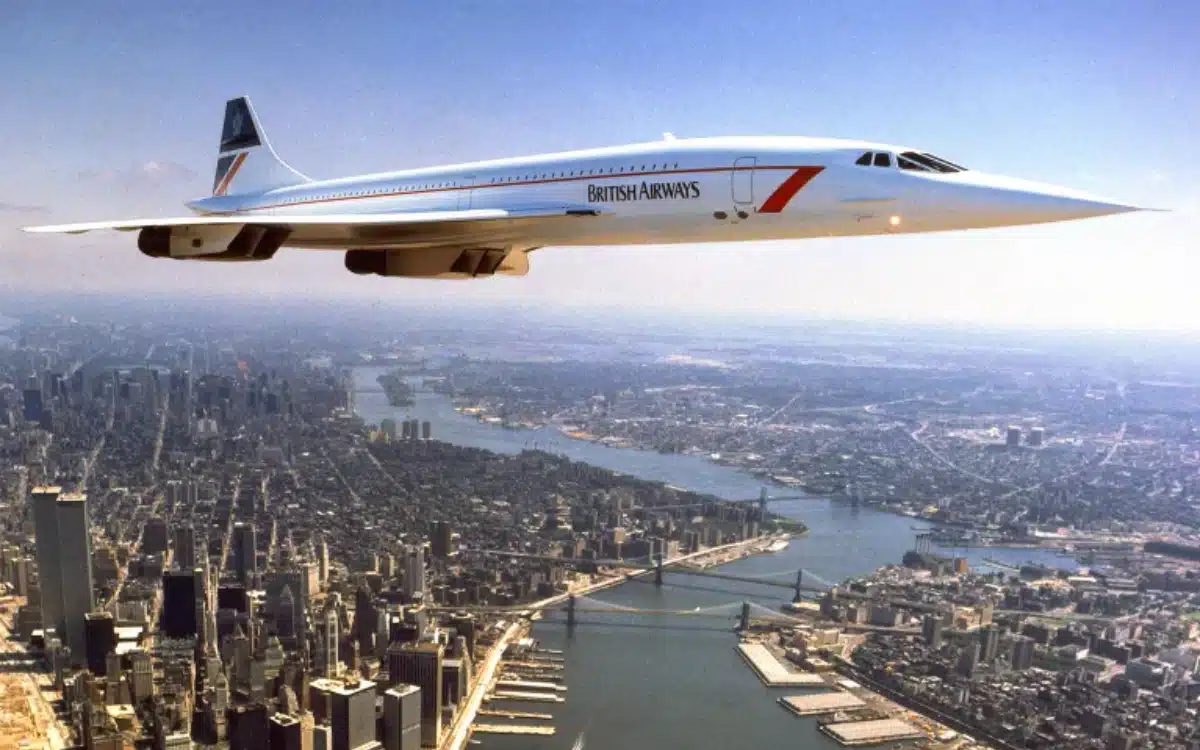
Sound takes time to travel from one tower to the other, echoing across the bridge at around 343 meters per second, which is supersonic, but still easily within reach of jets and rockets, like the iconic Concorde.
While sound is bouncing across the bridge, light has already lapped the planet multiple times, racing at nearly 300,000 km per second.
The basketball example
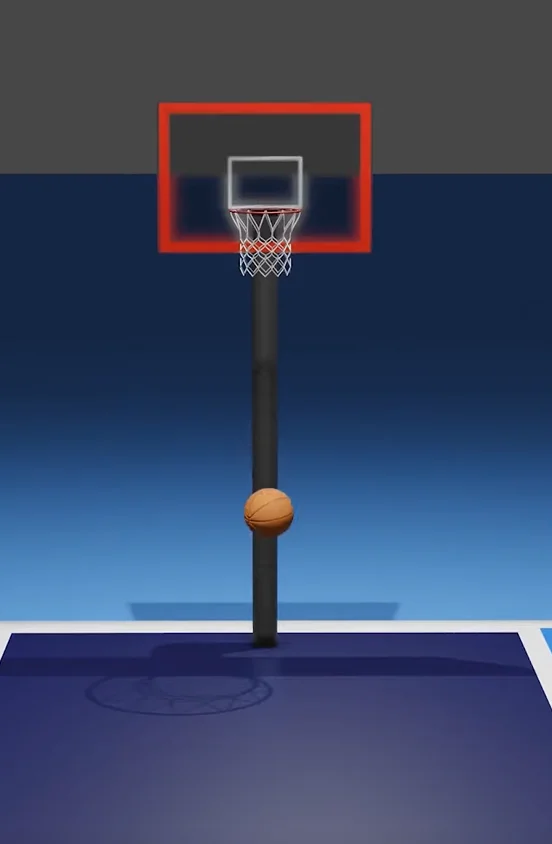
The simulation also provides another easily understandable example of how light and sound differ, illustrating that as you move further away from a falling basketball, the sound and visuals of the basketball hitting the ground begin to separate.
Why does this split happen though?
Well, it’s because sound is mechanical, it’s the vibration of air molecules colliding, and that chain reaction limits its speed.
In the case of light, it’s electromagnetic, it doesn’t need air, water or any medium at all, it just blasts through space at the fastest speed possible in the universe.
You can travel at the speed of sound in supersonic planes, but if you were travelling at the speed of light?
You’d be at the moon in 1.3 seconds flat.
Daisy is a technology and automotive journalist covering artificial intelligence, consumer tech, Apple news, cryptocurrency, emerging technologies, and transportation innovation. Since joining the team in 2025, she has reported on everything from AI-powered startups and major iOS updates to viral car stories and the latest developments shaping transportation and the digital economy. Drawing on her background in automotive journalism and a degree in History and Journalism from Goldsmiths, University of London, Daisy specializes in breaking down complex topics into clear, engaging reporting for a global audience. Her work spans cutting-edge technology, innovative vehicles, and the people driving change across both industries. Daisy has gained first-hand access to some of the world's most talked-about technologies and innovators, including meeting Tesla's Optimus humanoid robot during its first European appearance in London. She has also discussed the future of space exploration with an astronaut, bringing unique insights and real-world perspectives to her coverage of emerging technology.




