Researchers have developed a battery that could charge your smartphone in 60 seconds
Published on Feb 06, 2026 at 12:20 AM (UTC-5)
by Molly Davidson
Last updated on Feb 06, 2026 at 8:31 AM (UTC-5)
Edited by
Kate Bain
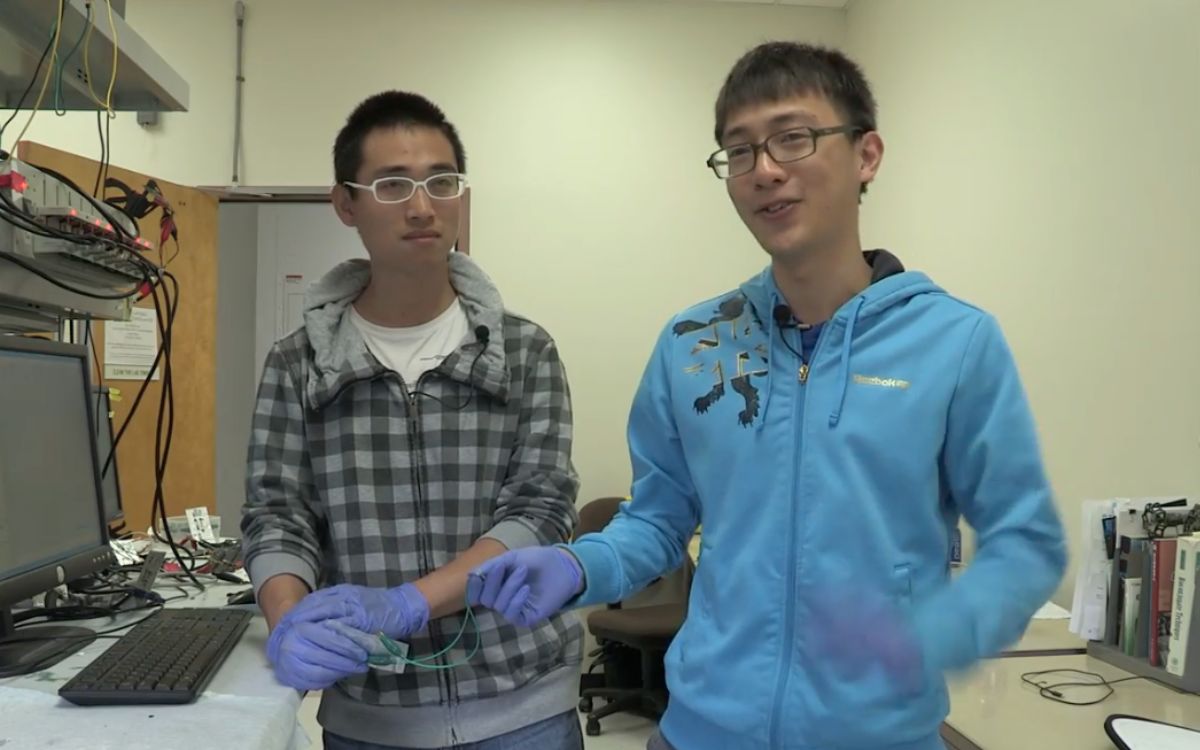

Charging your phone in one minute sounds pretty impossible.
But a group of researchers has actually pulled it off.
The craziest part is that they didn’t use lithium; instead, they used aluminium.
And it might just change the way we use our phones.
DISCOVER SBX CARS – The global premium auction platform powered by Supercar Blondie
How this aluminium battery charges a phone in one minute
The battery was developed by researchers at Stanford University, who decided to rethink how phone batteries work from the ground up.
Instead of lithium, they used aluminium, which is cheap, easy to find, and way less dramatic when things go wrong.
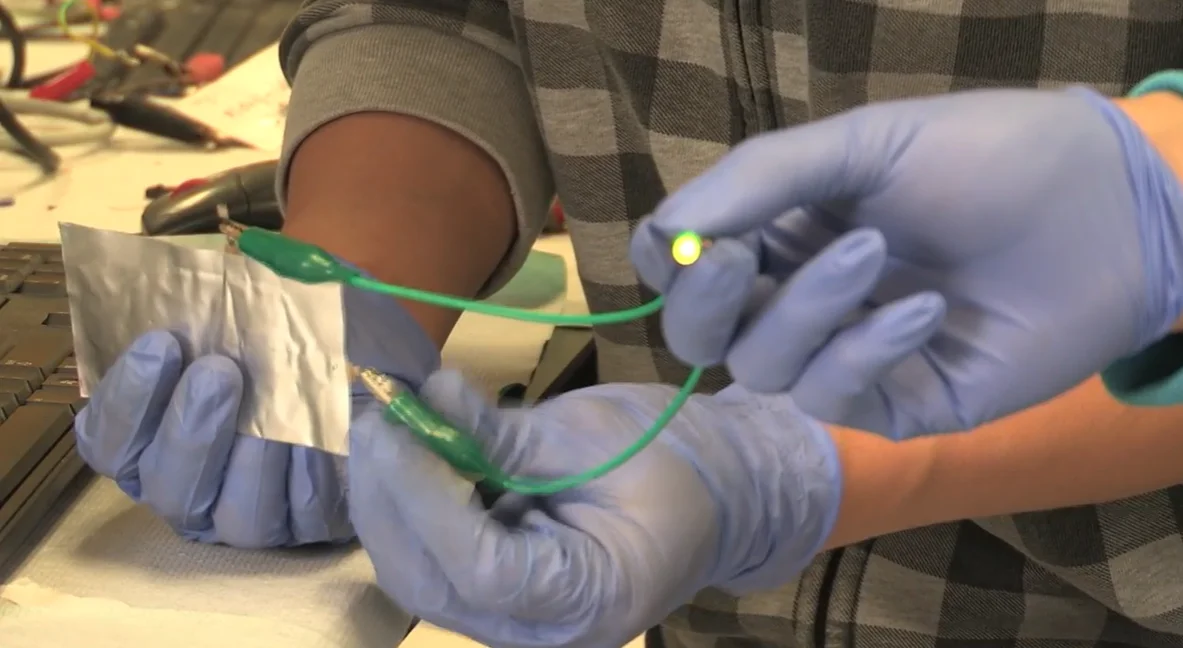
Inside the battery, aluminium handles one side of the electrical flow, while graphite – basically a form of carbon – handles the other.
Everything sits in a special salty liquid called an ionic electrolyte that stays stable at room temperature.
Translation: it doesn’t freak out, overheat, or explode.
That’s a big deal, because lithium-ion batteries are known for doing exactly that when damaged.
This aluminium battery didn’t.
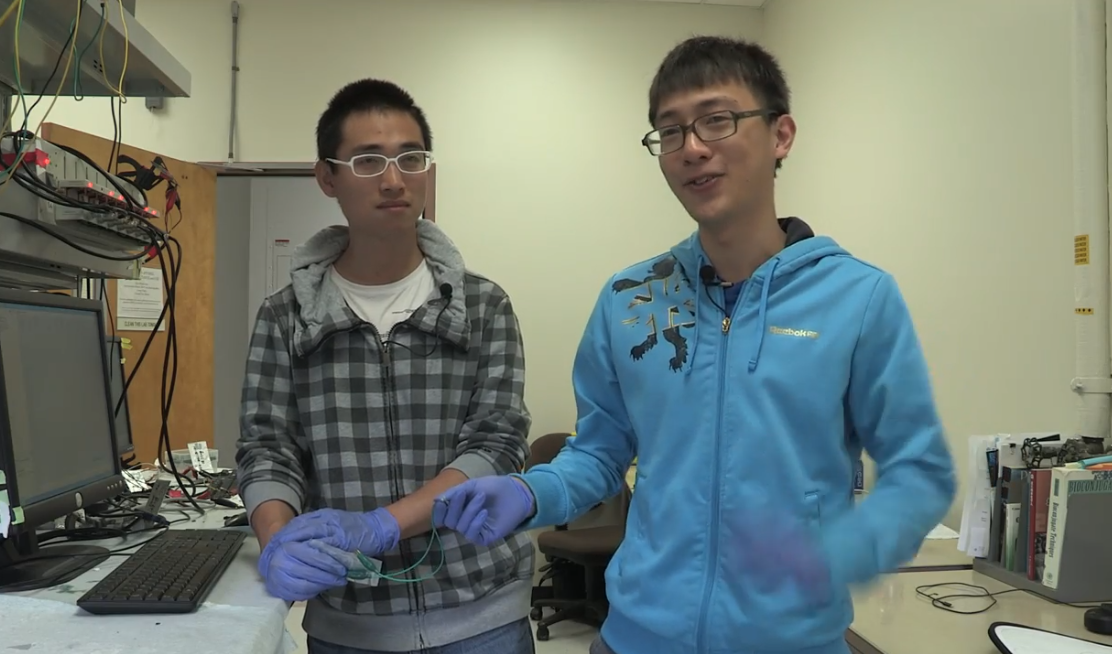
The team even drilled through it during tests, and it kept running for a bit without bursting into flames.
Not something your phone battery would appreciate.
Now for the part that grabbed attention.
When tested on smartphones, the prototype could fully charge one in about 60 seconds.
Not ‘almost charged’.
Fully charged.
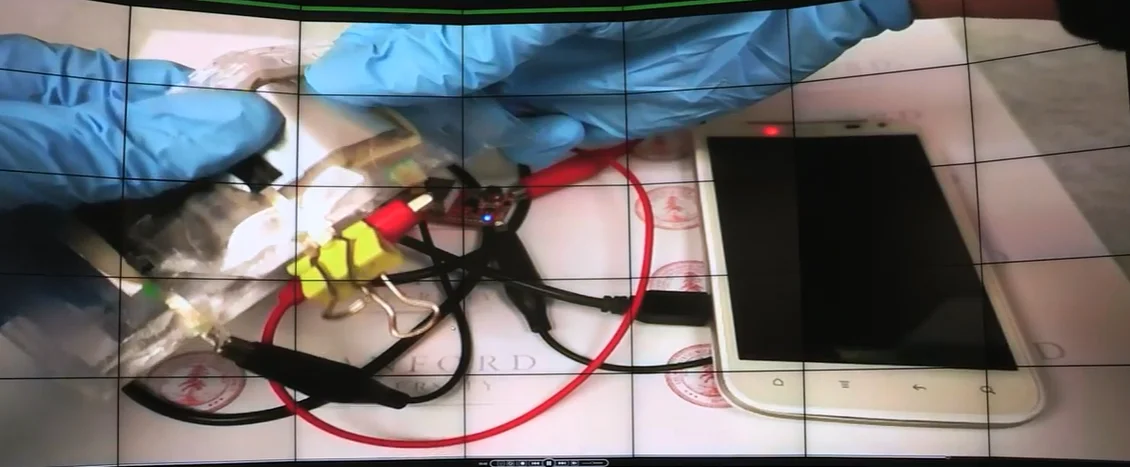
The kind of speed that makes your current charger feel deeply embarrassed.
It also turned out to be incredibly tough.
The battery survived more than 7,500 charge cycles.
Most phone batteries start to degrade after roughly 1,000 cycles, which explains why older phones feel like they need constant charging.
Even better, the battery was flexible.
Because it was sealed in a polymer pouch, it could bend slightly, making it useful for wearables or foldable tech down the line.
And one of the funniest parts?
The graphite component wasn’t even planned.
Chemist Hongjie Dai said the team basically stumbled into it and then realized it worked incredibly well.

Click the star icon next to supercarblondie.com in Google Search to stay ahead of the curve on the latest and greatest supercars, hypercars, and ground-breaking technology



Why didn’t this battery take over the world?
So why aren’t we all able to charge our phones in one minute right now?
The answer comes down to voltage.
The aluminium battery only produced about half the voltage of a standard lithium-ion battery.
That means less power overall, which is kind of important if you want your phone to last all day.
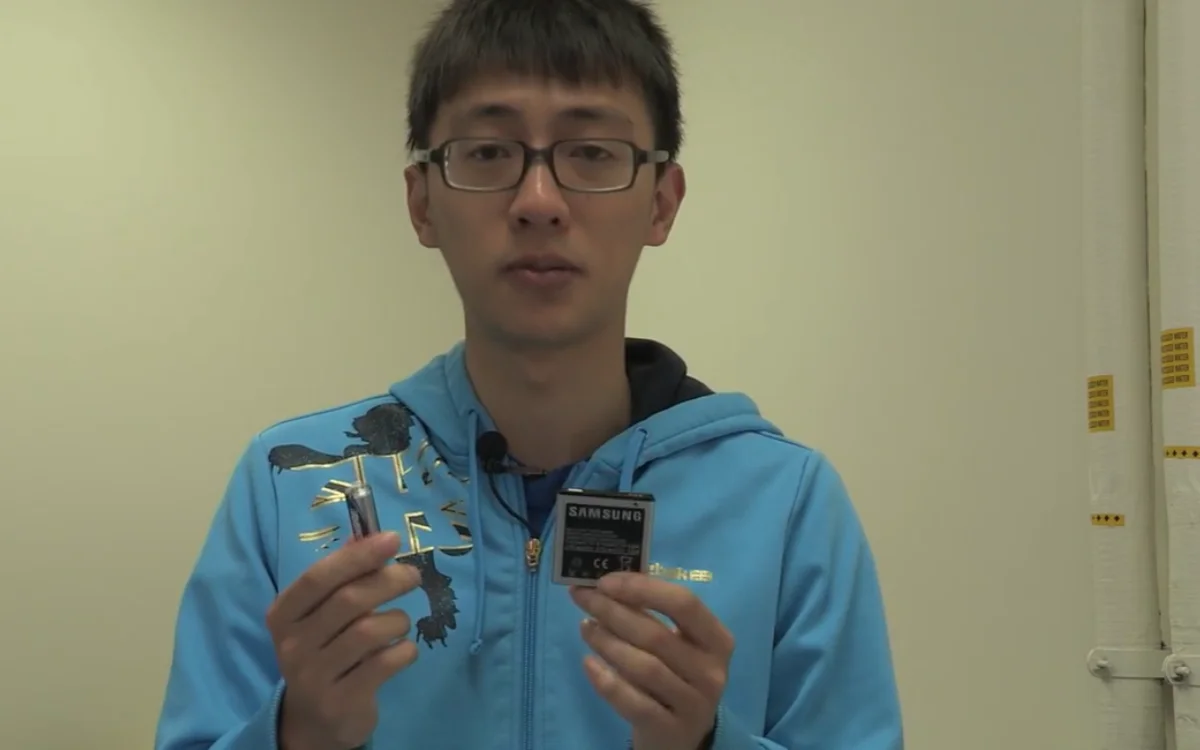
Dai admitted the tech was still young and said better materials could improve it in the future.
At the time, it simply wasn’t ready to replace lithium batteries everywhere.
Still, the idea is there, and it’s a starting place.
Aluminium is safer, cheaper, and easier to source, especially given that concerns about lithium battery fires haven’t gone away.
This research leaves the tech world with a big takeaway: one-minute charging isn’t impossible.
It just isn’t fully developed yet.
With roles at TEXT Journal, Bowen Street Press, Onya Magazine, and Swine Magazine on her CV, Molly joined Supercar Blondie in June 2025 as a Junior Content Writer. Having experience across copyediting, proofreading, reference checking, and production, she brings accuracy, clarity, and audience focus to her stories spanning automotive, tech, and lifestyle news.




