Switzerland is installing solar panels in the unused space between train tracks to try and boost its renewable energy
Published on May 24, 2026 at 5:59 PM (UTC-4)
by Daisy Edwards
Last updated on May 24, 2026 at 5:59 PM (UTC-4)
Edited by
Mason Jones
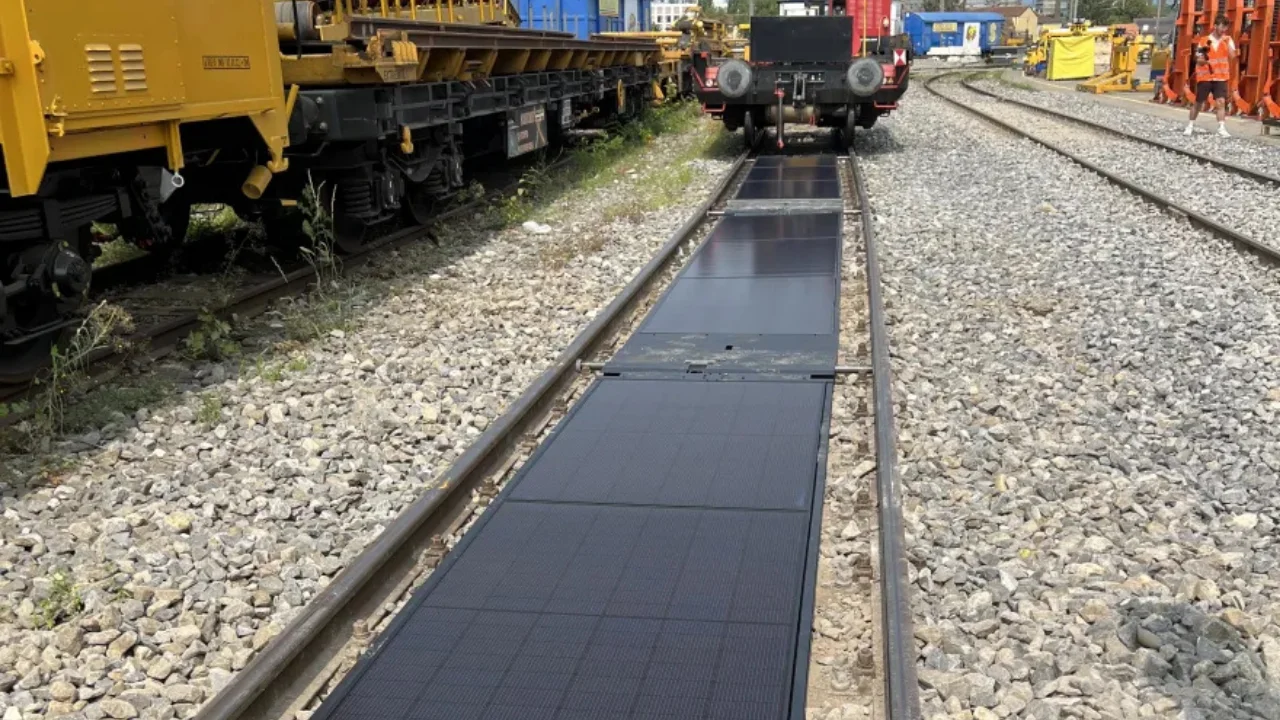

Switzerland is testing a futuristic new way to create renewable energy by installing solar panels directly between train tracks.
The ambitious project is being developed by Swiss startup Sun-Ways, which believes the country’s vast rail network could become a giant source of clean electricity.
Instead of building massive solar farms that take up land, the company wants to use the empty space that already exists between the rails.
And if the idea works on a larger scale, it could eventually help power hundreds of thousands of homes.
How Switzerland’s train track solar panels could change the world
The futuristic tech project is currently being tested near the small Swiss village of Buttes in western Switzerland.
Around 48 solar panels have been installed along a 100-meter section of active railway track, where trains continue to operate normally above them.
The system is expected to generate roughly 16,000 kWh of electricity per year during the trial period.
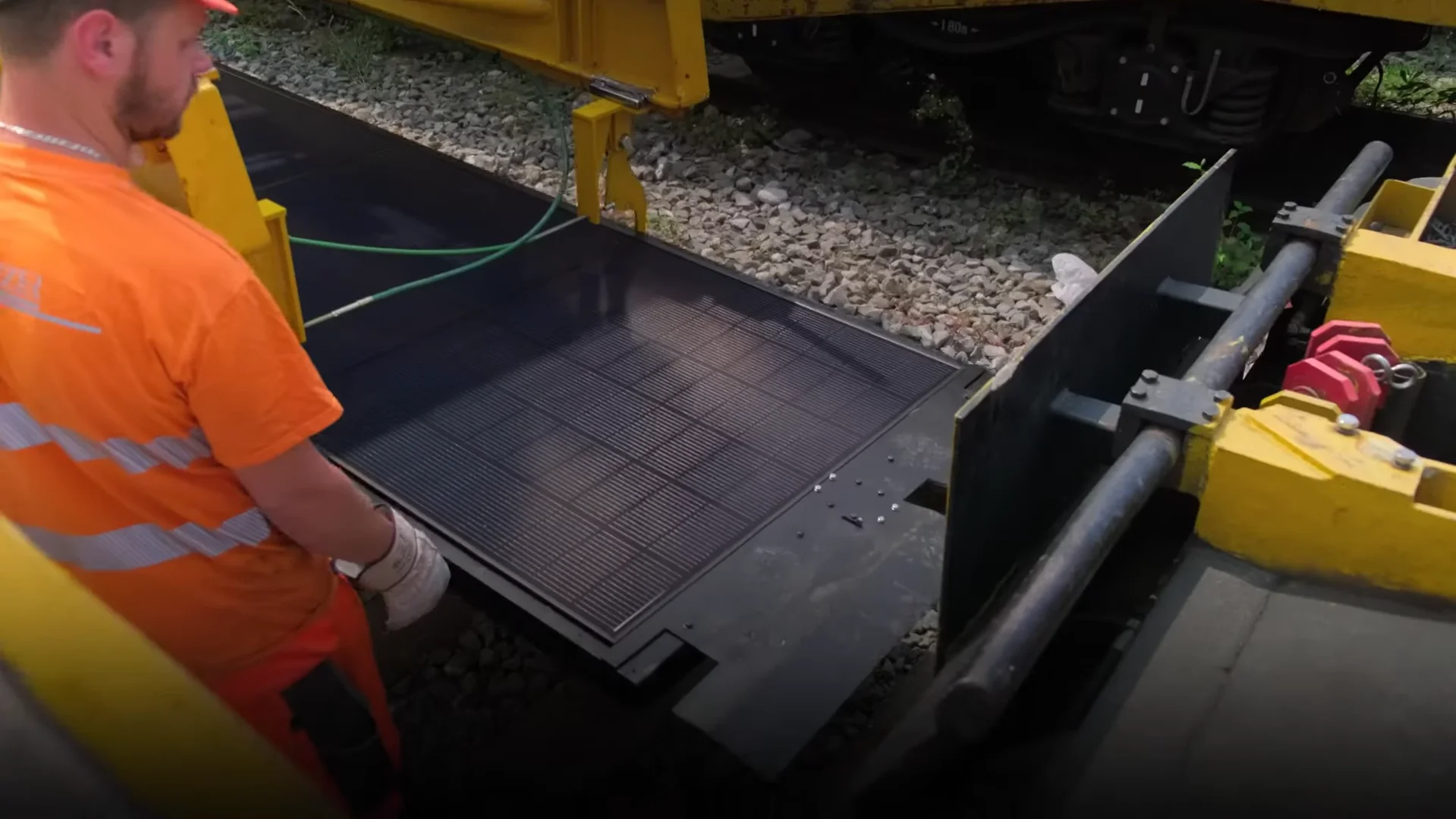
What makes the project especially clever is that the panels are removable.
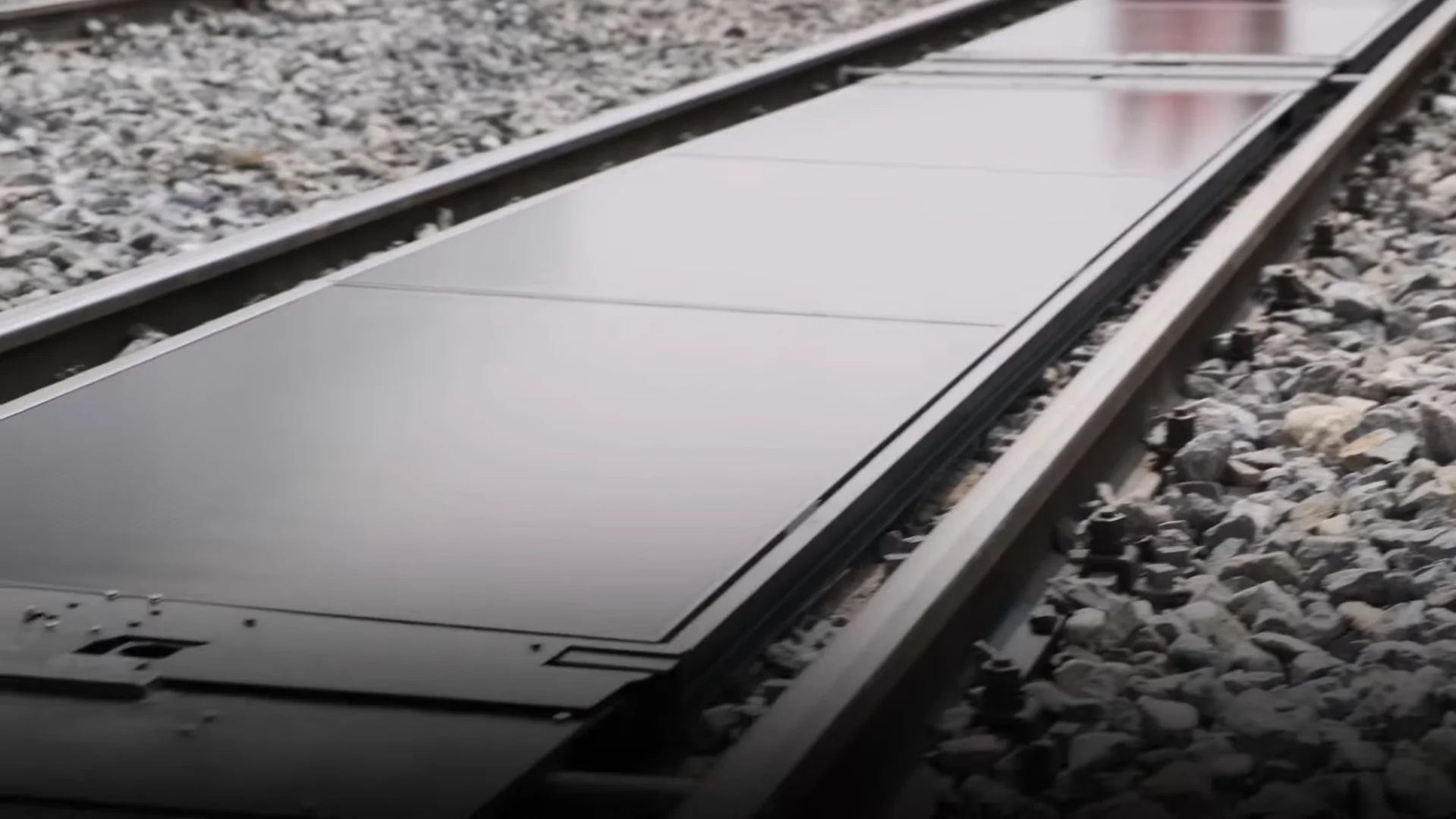
Instead of permanently attaching them to the railway infrastructure, the solar panels can be quickly taken out whenever maintenance crews need access to the tracks.
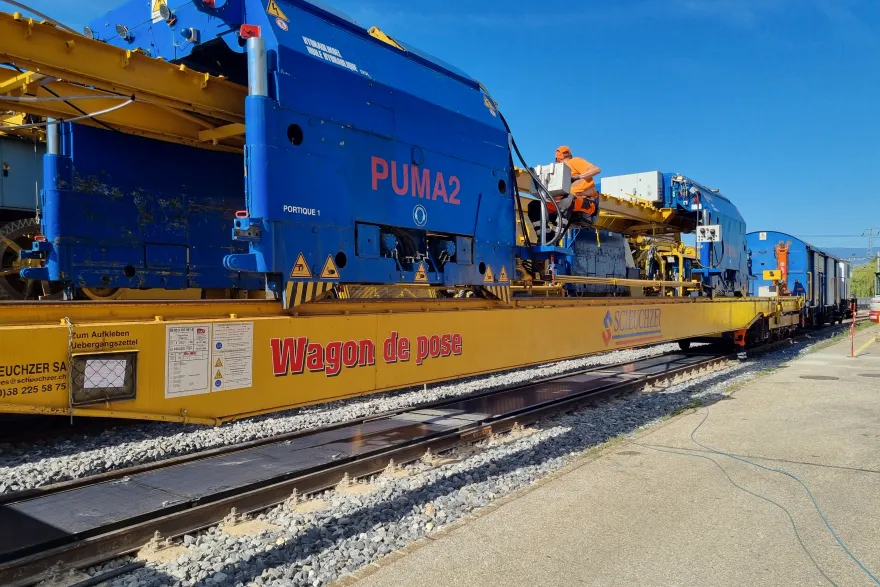
Sun-Ways also developed a special train that can automatically lay the panels down across the rails, with the company claiming the machine could eventually install up to 1,000 square meters of panels every day.
The concept has already attracted attention from countries including Japan, South Korea, Indonesia, and Belgium.


This is boosting the renewable energy of all of Switzerland
If the technology proves successful, Sun-Ways believes the idea could eventually expand across Switzerland’s entire railway network and seriously boost the solar energy output of the whole country.
The country has roughly 5,000km of train tracks, and the company estimates the system could produce up to one terawatt-hour of electricity every year.
That would reportedly account for around two percent of Switzerland’s total electricity usage and could power approximately 300,000 homes.
Of course, not everybody is convinced the idea is perfect and some critics have questioned how efficiently the panels will work once they are covered in dirt, snow, and debris from trains.
Others have pointed out that flat solar panels positioned between train tracks may not capture sunlight as effectively as angled rooftop set-ups, or this particularly well-placed set-up on the side of a British home.
Still, many think it is one of the smartest examples yet of turning unused infrastructure into renewable energy production without taking up extra land.
Daisy is a technology and automotive journalist covering artificial intelligence, consumer tech, Apple news, cryptocurrency, emerging technologies, and transportation innovation. Since joining the team in 2025, she has reported on everything from AI-powered startups and major iOS updates to viral car stories and the latest developments shaping transportation and the digital economy. Drawing on her background in automotive journalism and a degree in History and Journalism from Goldsmiths, University of London, Daisy specializes in breaking down complex topics into clear, engaging reporting for a global audience. Her work spans cutting-edge technology, innovative vehicles, and the people driving change across both industries. Daisy has gained first-hand access to some of the world's most talked-about technologies and innovators, including meeting Tesla's Optimus humanoid robot during its first European appearance in London. She has also discussed the future of space exploration with an astronaut, bringing unique insights and real-world perspectives to her coverage of emerging technology.




