This massive tech upgrade lets the Mars rover drive anywhere it wants and the science is absolutely wild
Published on Mar 06, 2026 at 7:10 AM (UTC+4)
by Claire Reid
Last updated on Mar 06, 2026 at 7:10 AM (UTC+4)
Edited by
Claire Reid
NASA’s Perseverance rover has just been given a smart new tech upgrade that’ll help it explore even more of Mars.
The Perseverance rover blasted off into space in July 2020 and landed on the Red Planet the following February.
Since then, it’s been exploring Mars alongside the Curiosity rover, which has been there since 2012.
Now, NASA has proved that you can teach an old rover new tricks, with an exciting upgrade known as Mars Global Localization.
Click the star icon next to supercarblondie.com in Google Search to stay ahead of the curve on the latest and greatest supercars, hypercars, and ground-breaking technology
NASA has introduced a smart new technology to the Perseverance rover
On Earth, millions of us rely on GPS and satellite navigation systems to find our way around.
But, as you might expect, such technology doesn’t exist on Mars.
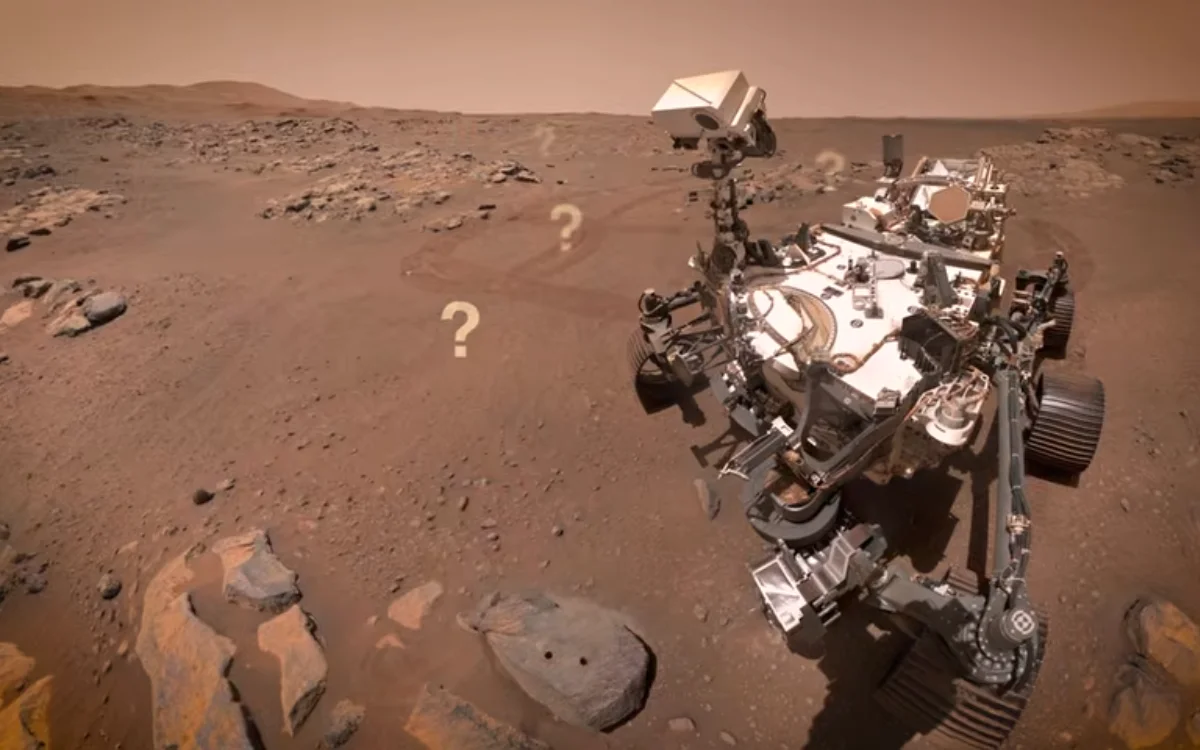
So, when the Perseverance rover was out roving along the Red Planet, it required human operators back here on Earth to tell it precisely where it was.
Perseverance had been relying on ‘visual odometry’, which meant it analyzed geographic features in camera images taken every few feet, but this method wasn’t super accurate and could be off by more than 100 feet.
In some cases, this meant that Perseverance thought it was traveling too close to hazardous terrain and would ground to halt prematurely and then wait around for further instructions from Earth.
However, that’s now changed thanks to some exciting new technology developed at NASA’s Jet Propulsion Laboratory in Southern California.
The tech, which has been dubbed Mars Global Localization, is a little like a Martian GPS.
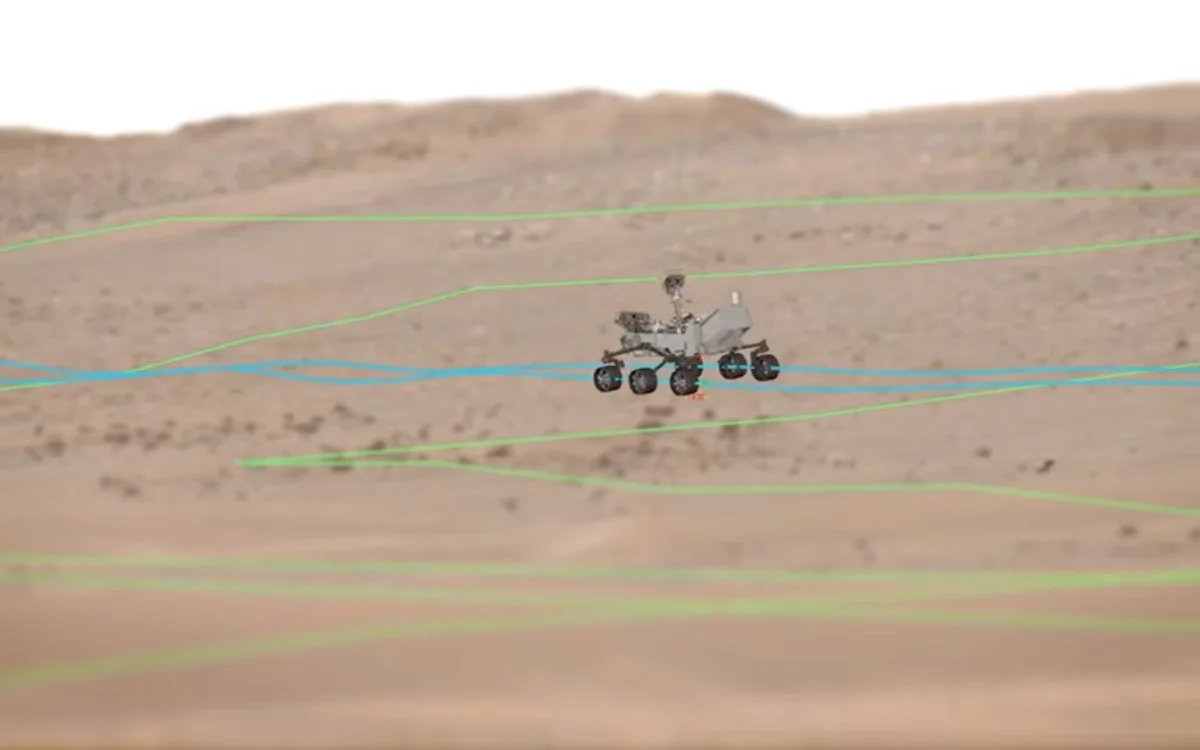
The clever system uses an algorithm that is able to rapidly compare panoramic images from Perseverance’s navigation cameras with its onboard orbital terrain maps.
Mars Global Localization is able to pinpoint the rover’s location within a couple of minutes and is accurate to around 10 inches.
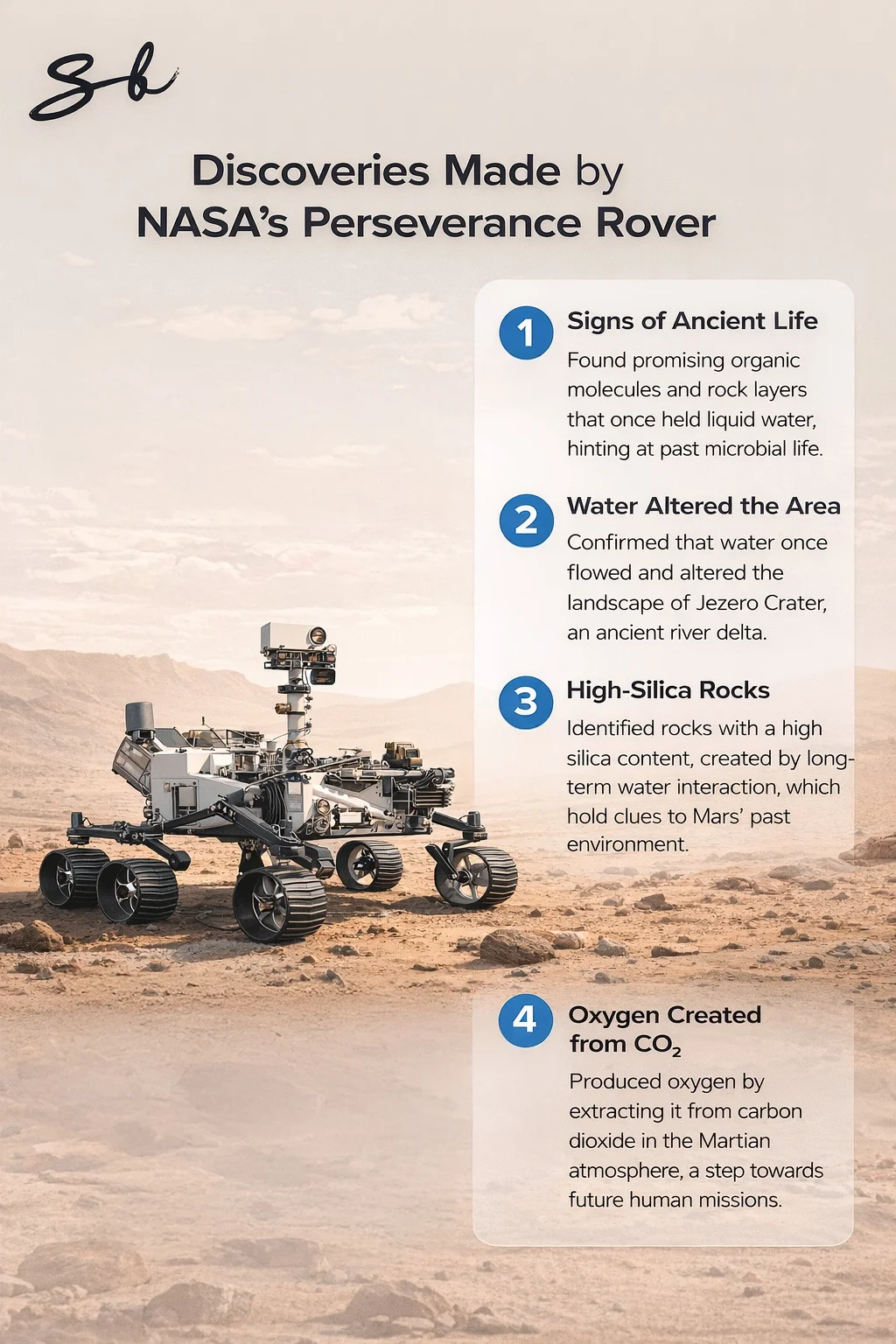
“This is kind of like giving the rover GPS. Now it can determine its own location on Mars,” JPL’s chief engineer of robotics operations for the mission, Vandi Verma, said.
“It means the rover will be able to drive for much longer distances autonomously, so we’ll explore more of the planet and get more science.”
The smart new tech could be introduced to other rovers
NASA first began working on the Mars Global Localization system in 2023, spending months testing the accuracy of the algorithm.
After years of research, testing, and development, the Mars Global Localization system has been effectively used on two regular mission operations – the first on February 2, then again on February 16.
With the system up and running, NASA has said it could be used on other rovers in the future.
“It could be used by almost any other rover traveling fast and far,” Verma added.
And not just on Mars, but also on the Moon, which is great timing as NASA has announced ambitious plans to send humans back to the lunar surface for the first time in decades.
DISCOVER SBX CARS: The global premium car auction platform powered by Supercar Blondie
With a background in both local and national press in the UK, Claire has covered a range of topics, including technology, gaming, and cryptocurrency, since joining the editorial team at Supercar Blondie in May 2024. Her ability to be first to a story has been integral to making SB’s coverage of scientific discovery, AI, and global tech news a slick 24/7 operation.