The International Space Station has started leaking again just years before it's destroyed
Published on May 29, 2026 at 2:07 PM (UTC-4)
by Daisy Edwards
Last updated on May 29, 2026 at 2:07 PM (UTC-4)
Edited by
Mason Jones
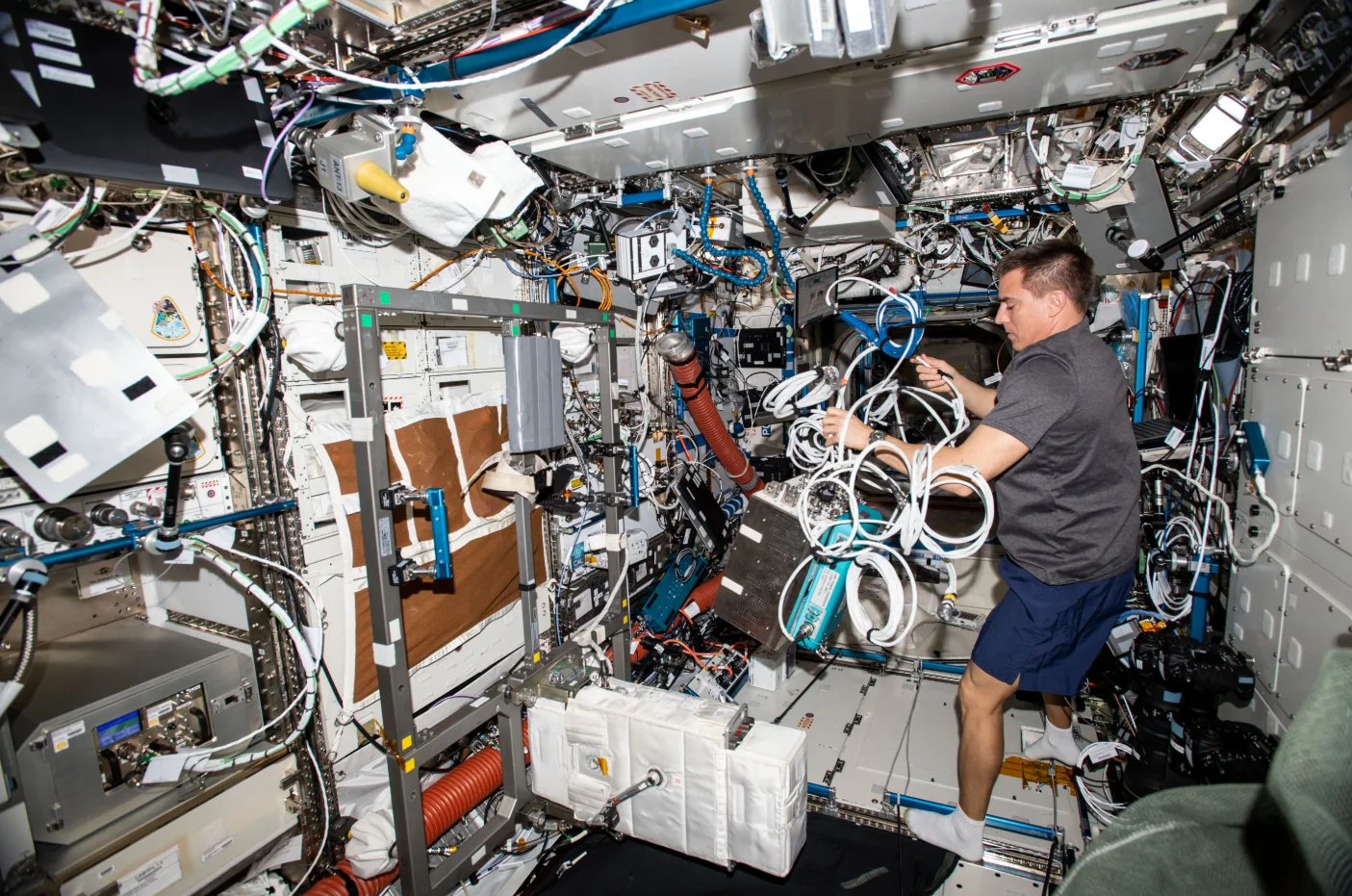

Houston, we have a problem because the International Space Station has started leaking again, creating fresh concerns about the safety of the aging orbital laboratory.
NASA and Russian engineers have reportedly spent years trying to patch the problem, which involves tiny cracks in a transfer tunnel attached to the Russian segment of the ISS.
The leak had previously appeared to stabilize earlier this year, giving NASA hope the issue had finally been brought under control.
But now, the problem has returned as the space station nears the end of its life.
The International Space Station is leaking again
The space leak issue centers around a small tunnel known as the PrK module, which connects to Russia’s Zvezda service module aboard the International Space Station.
According to reports, the leak has frustrated engineers for years because the cracks involved are microscopic and extremely difficult to pinpoint.
NASA had reportedly believed the situation was finally improving earlier this year after pressure levels appeared to stabilize following repeated sealing attempts.
But the leak reportedly came back with a vengeance after Russian astronauts unloaded cargo from a docked spacecraft, causing worry among NASA officials monitoring the station.
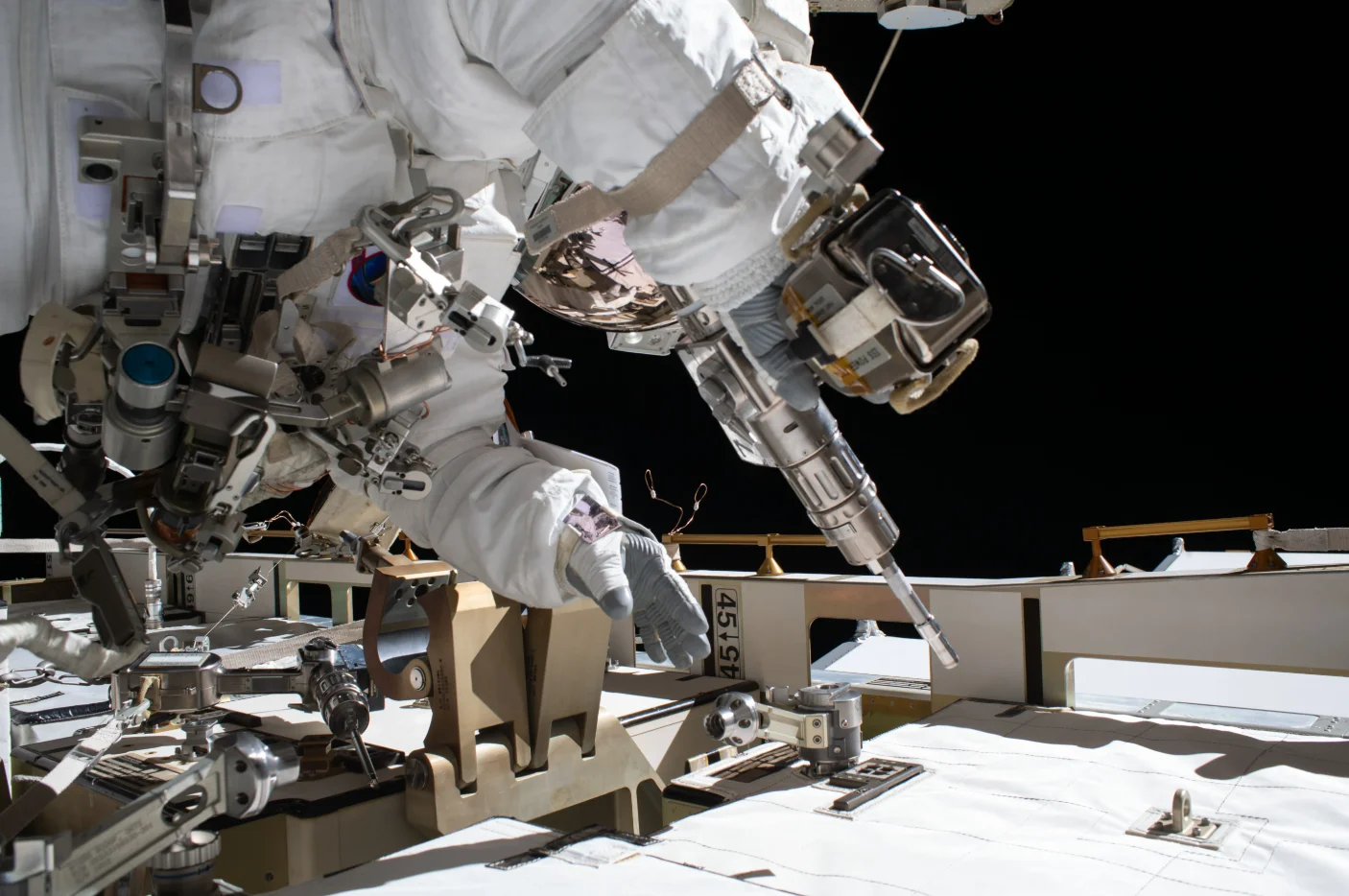
While NASA has publicly insisted astronauts aboard the ISS remain safe, reports suggest internal discussions have been far more serious.
Allegedly, officials have discussed the possibility of a ‘catastrophic failure’ if the issue worsens.
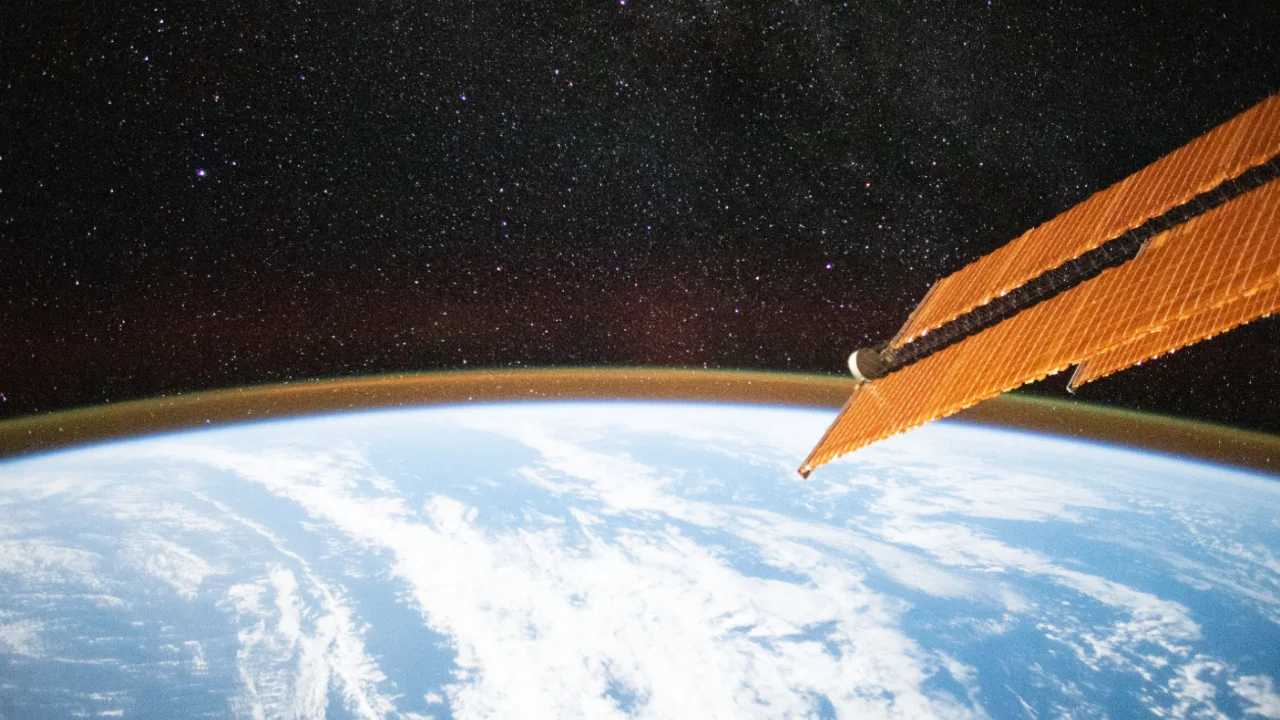
The International Space Station has remained continuously occupied since 2000 and is considered one of humanity’s greatest engineering achievements.
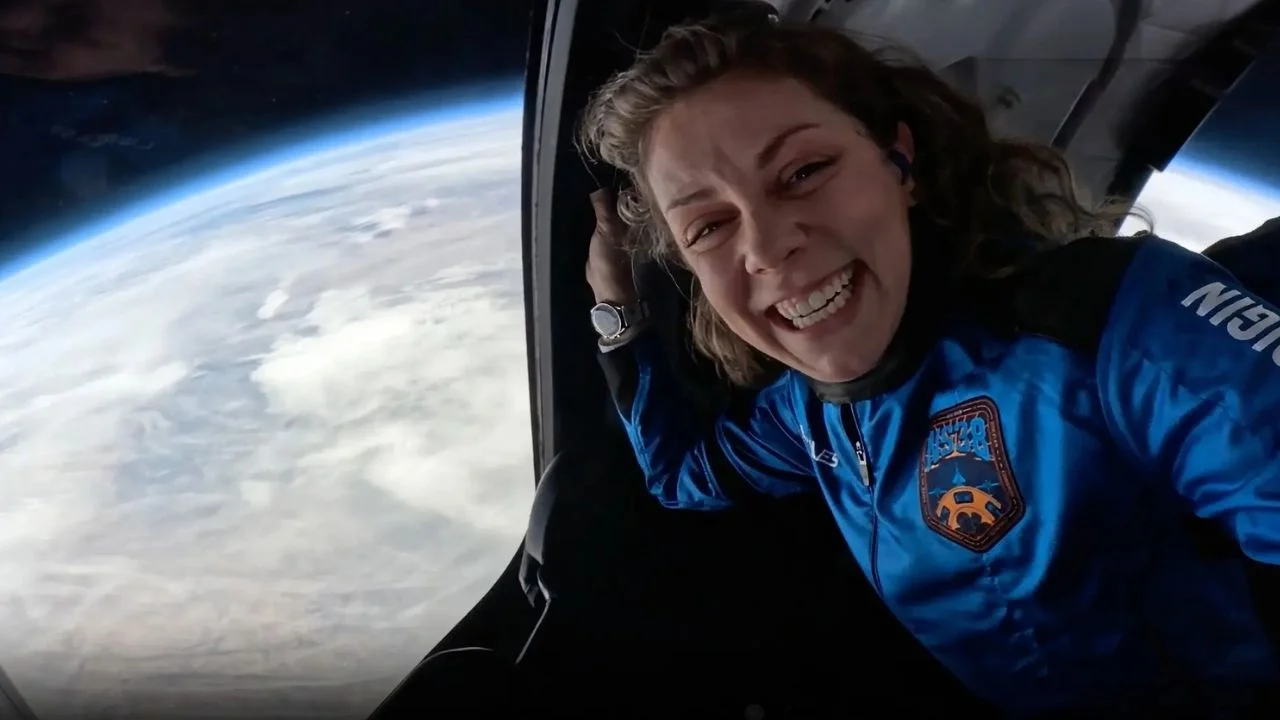
It was praised by astronaut Laura Stiles when we interviewed her last week.
Related


The famous observatory is sadly coming to the end of its life
NASA currently plans to deorbit the station around 2030, intentionally crashing it into a remote part of the Pacific Ocean after decades in orbit.
Some parts of the station are now approaching 30 years old, far beyond the lifespan originally envisioned when construction first began in the late 1990s.
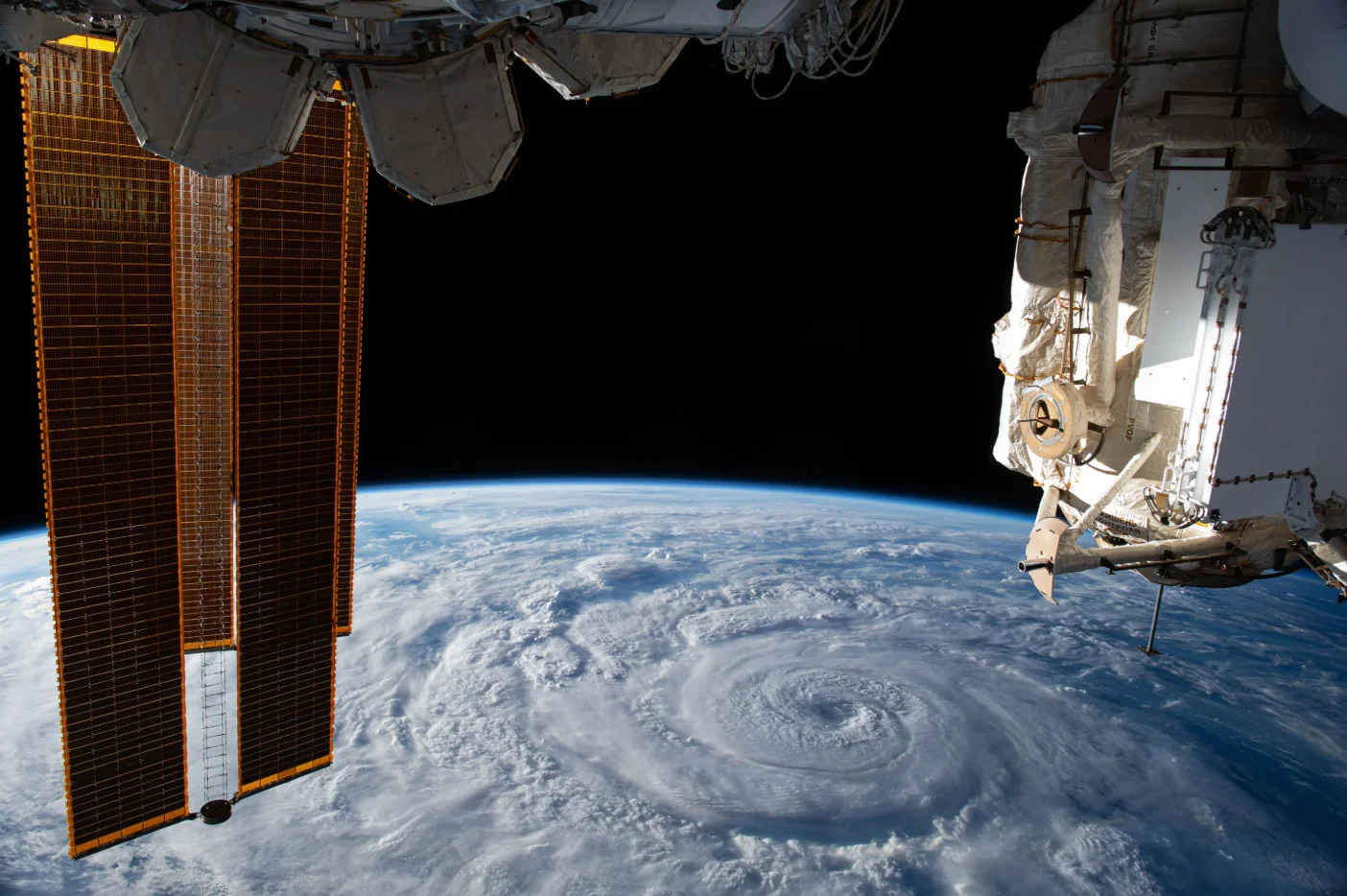
Despite the ongoing issue, astronauts and cosmonauts aboard the station are being told to carry on with normal operations while engineers work on further inspections and repair attempts.
For now, the ISS remains operational, but the return of the leaking problem is another reminder that the historic ISS is coming to the end of its glorious life.
Daisy is a technology and automotive journalist covering artificial intelligence, consumer tech, Apple news, cryptocurrency, emerging technologies, and transportation innovation. Since joining the team in 2025, she has reported on everything from AI-powered startups and major iOS updates to viral car stories and the latest developments shaping transportation and the digital economy. Drawing on her background in automotive journalism and a degree in History and Journalism from Goldsmiths, University of London, Daisy specializes in breaking down complex topics into clear, engaging reporting for a global audience. Her work spans cutting-edge technology, innovative vehicles, and the people driving change across both industries. Daisy has gained first-hand access to some of the world's most talked-about technologies and innovators, including meeting Tesla's Optimus humanoid robot during its first European appearance in London. She has also discussed the future of space exploration with an astronaut, bringing unique insights and real-world perspectives to her coverage of emerging technology.




