This tiny Chinese robot dressed itself in a winter coat and walked alone through minus-53-degree temperatures
Published on Apr 03, 2026 at 12:38 PM (UTC-4)
by Daisy Edwards
Last updated on Apr 07, 2026 at 12:26 PM (UTC-4)
Edited by
Amelia Jean Hershman-Jones
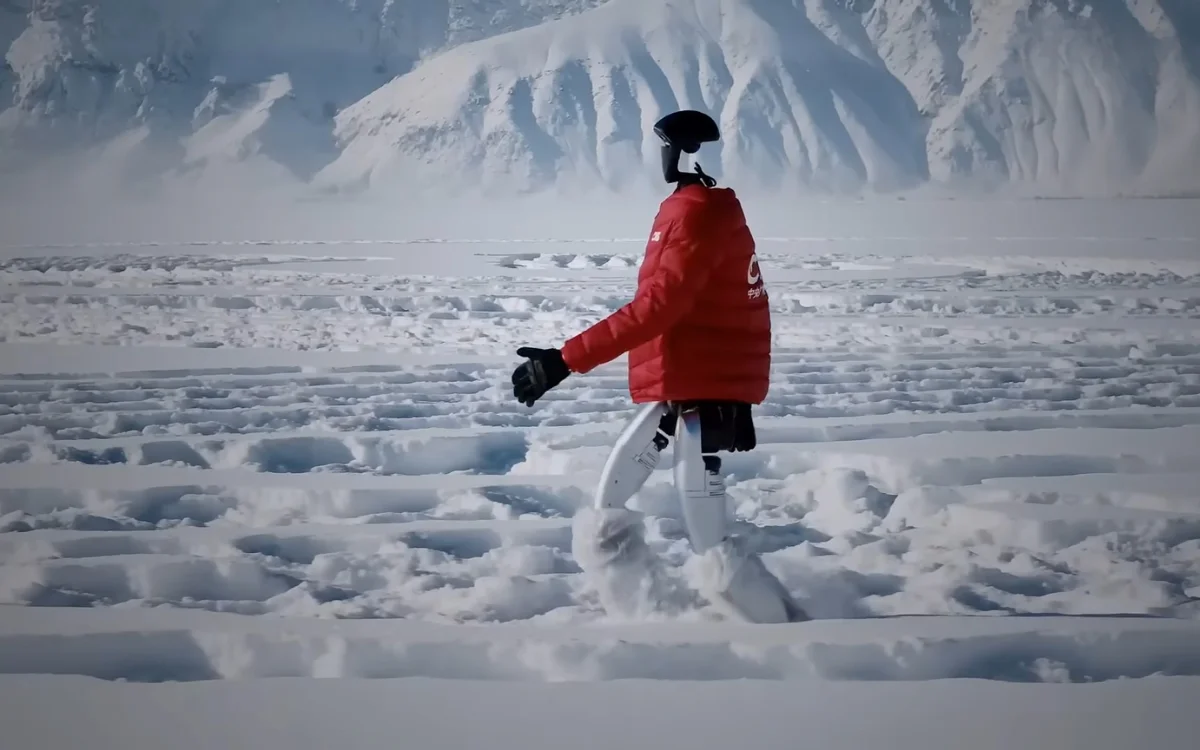

This tiny Chinese robot dressed itself in a winter coat and walked alone through minus 53-degree temperatures, and it looks like something straight out of a sci-fi movie.
The humanoid machine, called the Unitree G1, headed out into the snowy Altay region of Xinjiang, China, where temperatures plunged to a brutal minus 47.4 degrees Celsius, or minus 53 degrees Fahrenheit.
While most of us would struggle to last more than a few minutes in that kind of cold, this little bot kept moving through deep snow on a carefully planned solo expedition.
It’s an impressive glimpse at how robots could one day help humans tackle jobs in places and weather conditions that are too extreme and dangerous for people to work comfortably – keep scrolling to see him in action.
Click the star icon next to supercarblondie.com in Google Search to stay ahead of the curve on the latest and greatest supercars, hypercars, and ground-breaking technology
The tiny Chinese robot dressed for the winter
In what could only be described as a tech odyssey, a robot called the Unitree G1 headed off on its own through a snowy tundra – keep scrolling to see him in action.
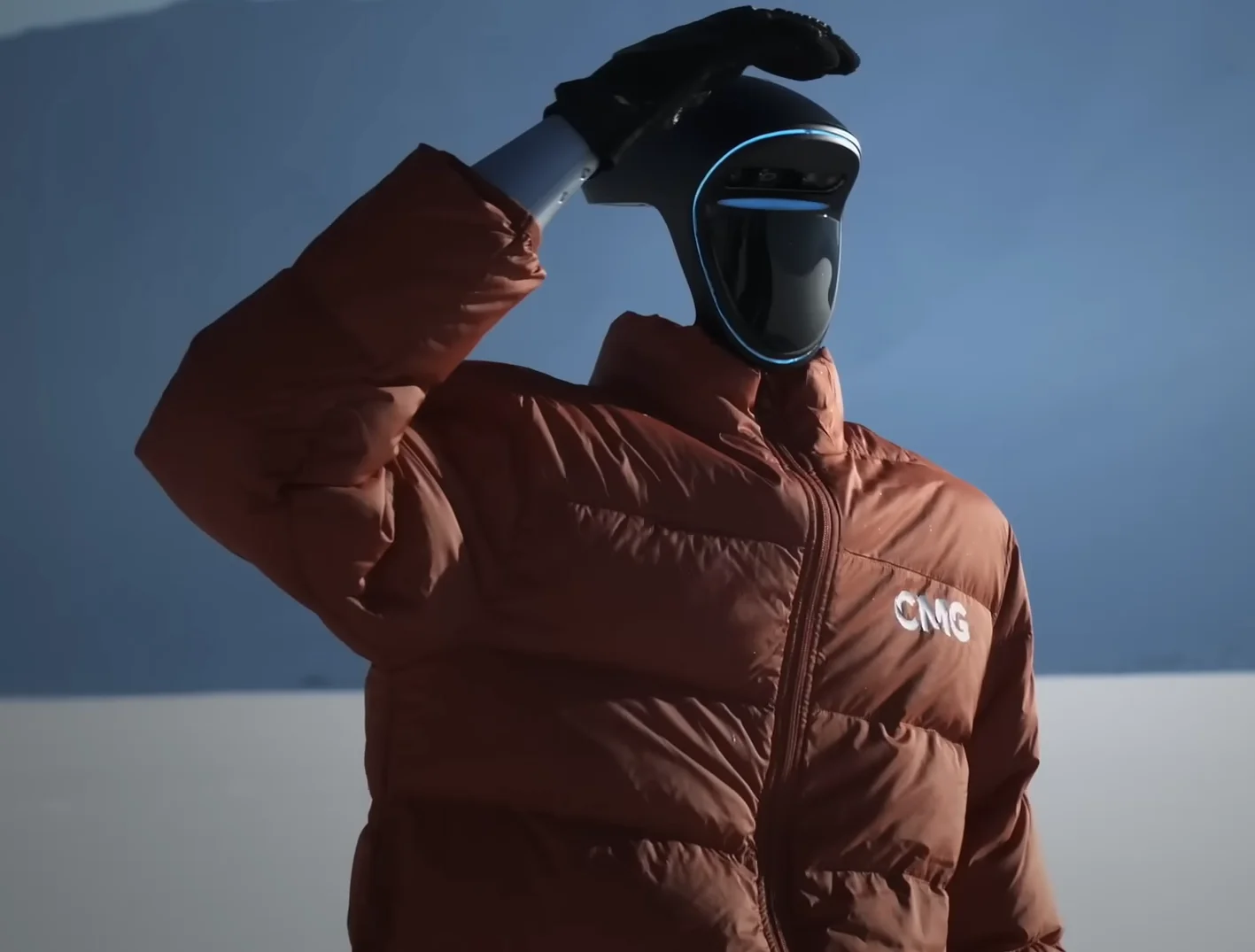
Before setting off, the Unitree G1 had to get wrapped up for the weather – just like a human.
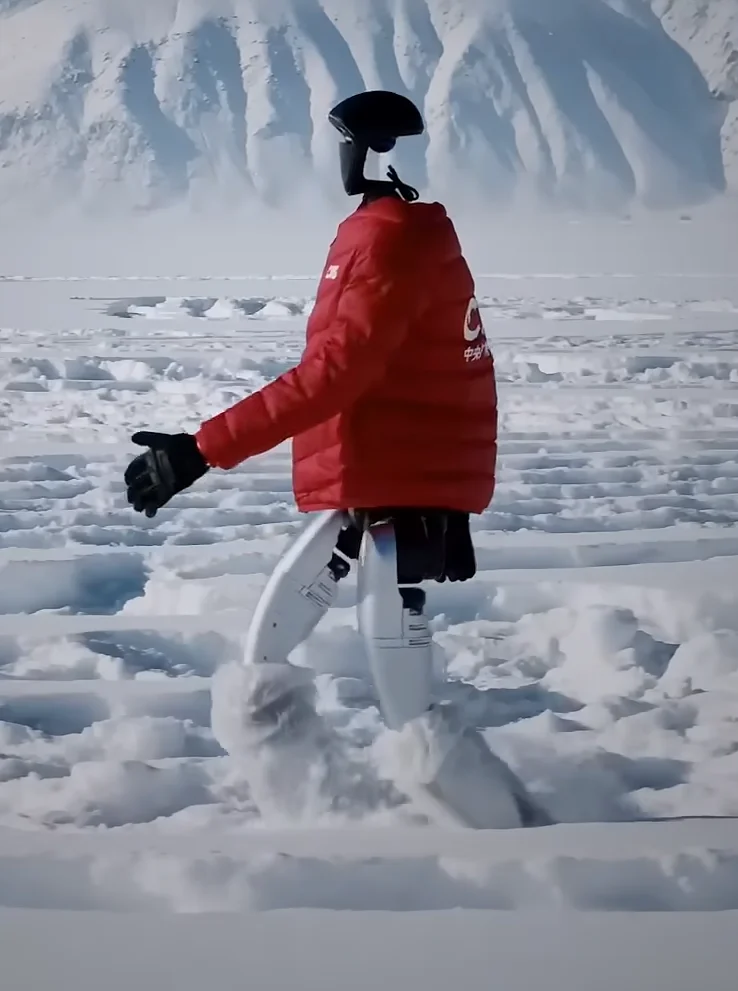
The robot was fitted with an orange insulated puffer-style coat, while plastic covers were added to its legs and feet to help shield key parts, including its joints, motors, and battery packs, from the brutal conditions.
That outfit was more than a cute gimmick because the G1 was facing some seriously harsh terrain.

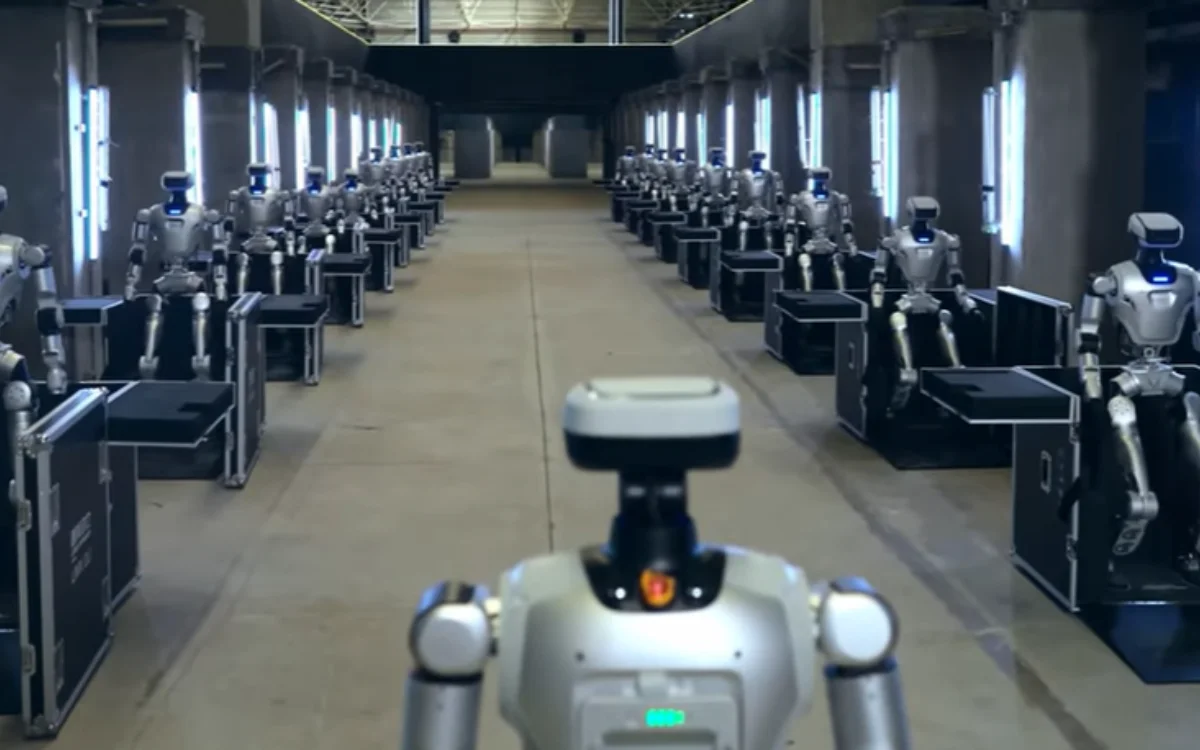
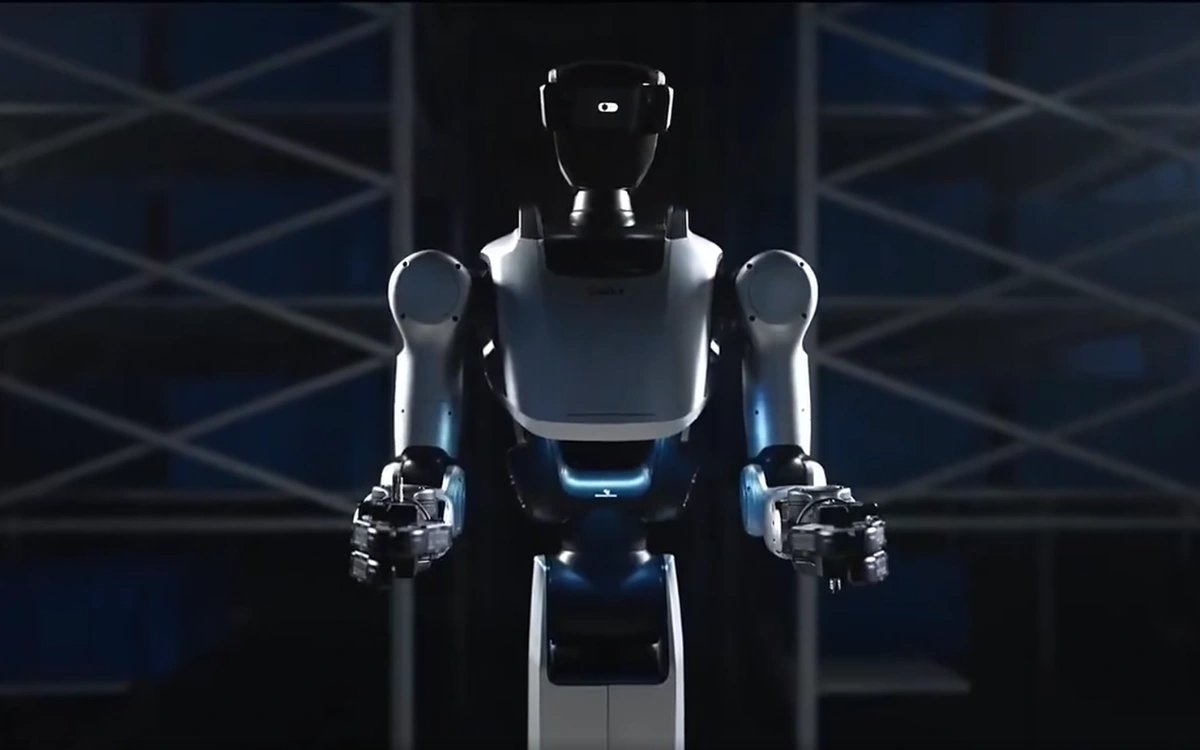
The robot stands just over four feet tall and has between 23 and 43 joint motors, depending on how it is configured, along with a quick-release battery that lasts around two hours.
It also uses a clever mix of 3D LiDAR, depth cameras, voice control, and China’s BeiDou navigation system to stay on track.
Related
It walked alone through minus-53-degree temperatures
The G1 reportedly became the first humanoid robot to complete an autonomous walk in such extreme cold, taking more than 130,000 steps through the snow, probably all helped by its stylish winter coat.
During the trek, it even traced out a giant Olympic emblem measuring roughly 610 feet by 328 feet, all while balancing on uneven snowy ground.

And this is where things get really exciting.
Tests like this suggest robots could eventually take on tasks in frozen warehouses, snow clearance, or even scientific missions in Arctic conditions.
The tiny Chinese robot is already on sale starting at around $14,000, so this chilly little guy may be giving us a very early look at the future, but sadly, you have to provide it with your own winter coat.
Daisy is a technology and automotive journalist covering artificial intelligence, consumer tech, Apple news, cryptocurrency, emerging technologies, and transportation innovation. Since joining the team in 2025, she has reported on everything from AI-powered startups and major iOS updates to viral car stories and the latest developments shaping transportation and the digital economy. Drawing on her background in automotive journalism and a degree in History and Journalism from Goldsmiths, University of London, Daisy specializes in breaking down complex topics into clear, engaging reporting for a global audience. Her work spans cutting-edge technology, innovative vehicles, and the people driving change across both industries. Daisy has gained first-hand access to some of the world's most talked-about technologies and innovators, including meeting Tesla's Optimus humanoid robot during its first European appearance in London. She has also discussed the future of space exploration with an astronaut, bringing unique insights and real-world perspectives to her coverage of emerging technology.




