Thousands of abandoned US coal mines could be about to be given a fascinating new purpose
Published on Mar 10, 2026 at 7:50 AM (UTC-4)
by Daisy Edwards
Last updated on Mar 10, 2026 at 1:27 PM (UTC-4)
Edited by
Emma Matthews


Thousands of abandoned US coal mines could be about to be given a whole new purpose, and a second life as giant underground energy stores.
Instead of being left to flood, decay, and sit unused for decades, these vast old sites may soon help support America’s power grid in a seriously clever way.
Scientists are now looking at how former coal mines could be transformed into pumped storage hydropower systems, which basically work like enormous water batteries hidden below ground.
It’s a smart twist on old industrial infrastructure, and it could give some of the country’s forgotten mining regions a very high-tech second act.
Click the star icon next to supercarblondie.com in Google Search to stay ahead of the curve on the latest and greatest supercars, hypercars, and ground-breaking technology
Thousands of abandoned US coal mines could have a second act
The idea of converting a disused mine into renewable energy tech is being explored by researchers at Oak Ridge National Laboratory.
They are studying whether abandoned coal mines can be repurposed for pumped storage hydropower, or PSH.
That system stores energy by moving water between different elevations when electricity is plentiful, then releasing it to generate power when demand rises.
In this case, the mine itself could act as part of the storage setup, turning a defunct fossil fuel site into something that supports renewable energy instead.

It is a fascinating example of how yesterday’s energy infrastructure could be used to power tomorrow’s cleaner grid.
The researchers say they have already developed detailed hydrodynamic and chemical models to understand how water would move through these underground spaces and how mine materials might interact with the system.
That is a big step because it helps answer whether these locations can work safely, efficiently, and economically in the real world.
The team is also carrying out techno-economic and efficiency studies to work out which mine sites make the most sense and how they could be built out.

Related

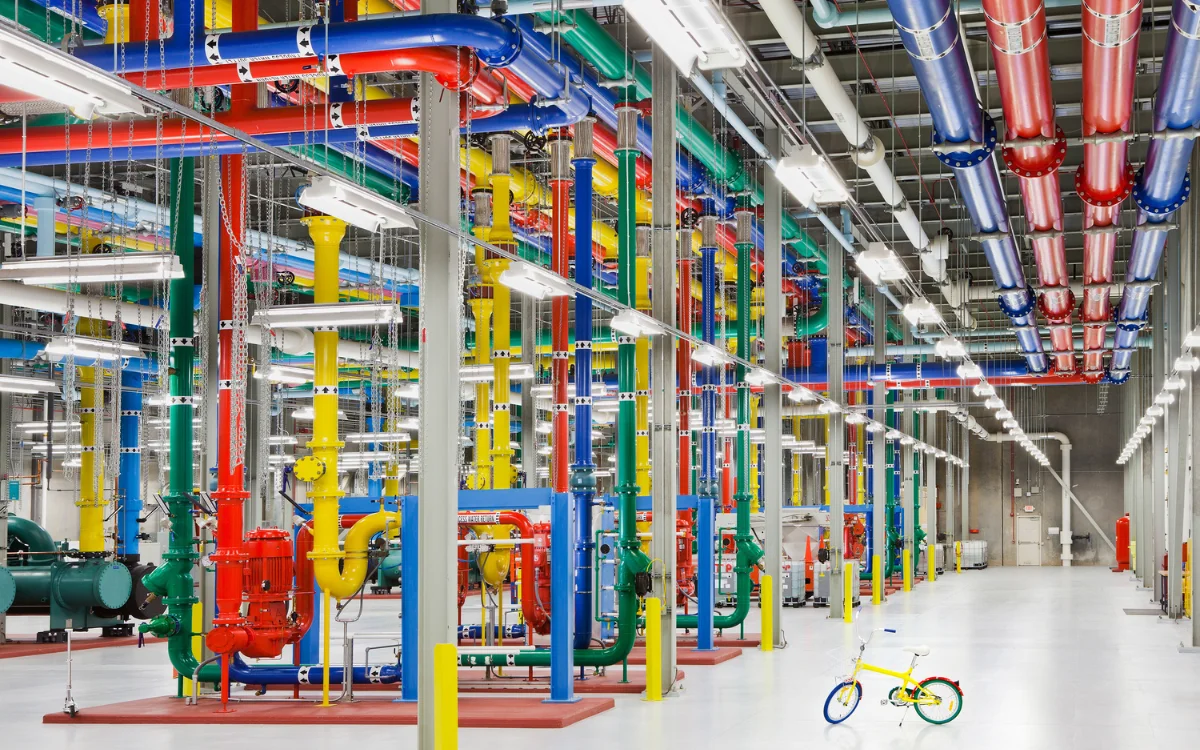

This fascinating new purpose could power the grid renewably
What makes this especially exciting is the scale.
The US has thousands of abandoned coal mines, which means this is not just a one-off new purpose for a single site, but something that could potentially be repeated across multiple regions.
Pumped storage hydropower already makes up the vast majority of utility-scale energy storage, and using existing mine infrastructure could help lower costs while bringing long-duration storage to places that do not usually suit traditional hydro projects.

If it works at scale, these abandoned US coal mines may not just be relics of America’s industrial past anymore.
They could become one of the most surprising energy comeback stories ever.
Daisy is a technology and automotive journalist covering artificial intelligence, consumer tech, Apple news, cryptocurrency, emerging technologies, and transportation innovation. Since joining the team in 2025, she has reported on everything from AI-powered startups and major iOS updates to viral car stories and the latest developments shaping transportation and the digital economy. Drawing on her background in automotive journalism and a degree in History and Journalism from Goldsmiths, University of London, Daisy specializes in breaking down complex topics into clear, engaging reporting for a global audience. Her work spans cutting-edge technology, innovative vehicles, and the people driving change across both industries. Daisy has gained first-hand access to some of the world's most talked-about technologies and innovators, including meeting Tesla's Optimus humanoid robot during its first European appearance in London. She has also discussed the future of space exploration with an astronaut, bringing unique insights and real-world perspectives to her coverage of emerging technology.




