University of Maryland trains autonomous vehicles using Mario Kart video game
Published on Oct 21, 2025 at 4:01 PM (UTC-4)
by Daisy Edwards
Last updated on Oct 21, 2025 at 4:01 PM (UTC-4)
Edited by
Amelia Jean Hershman-Jones
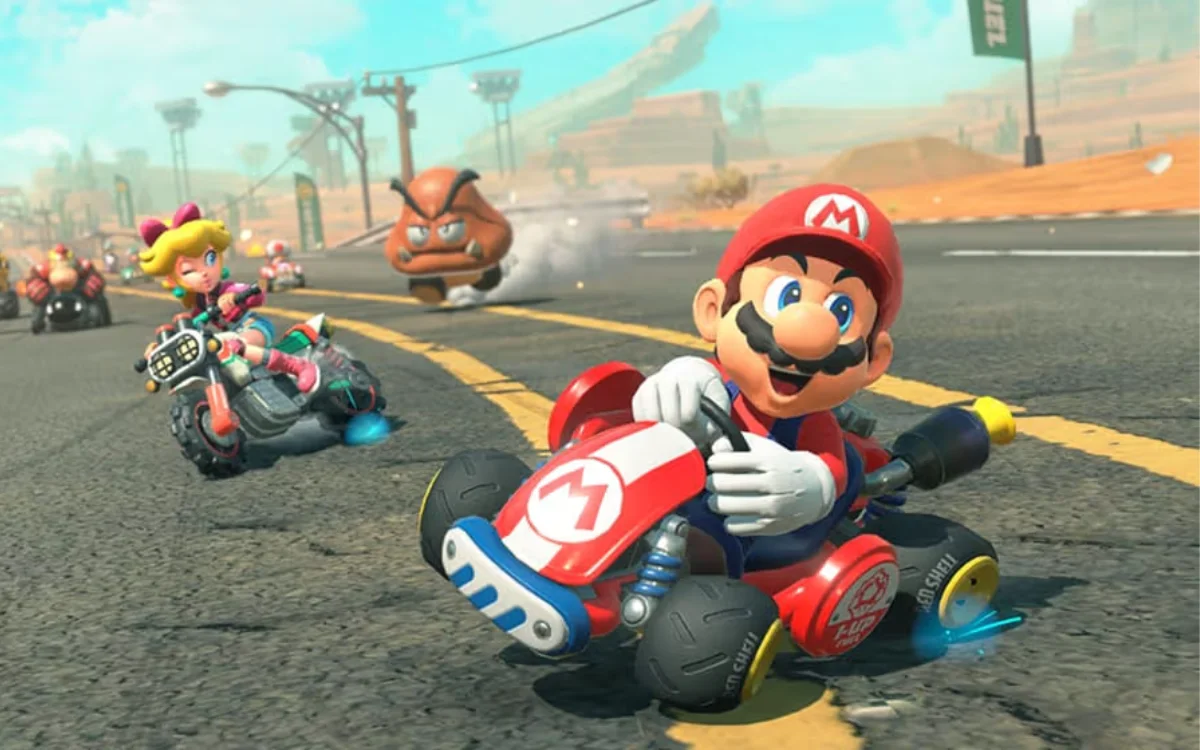

Just as many of us taught ourselves to drive using a dusty Nintendo Wii or SNES, the University of Maryland has been training autonomous vehicles using the Mario Kart video game.
When you think of one of Nintendo’s most popular games, you probably picture intimidating your siblings into being player one and driving off the edge of Rainbow Road, but this university is taking us back in time, IRL.
That’s right – the University of Maryland is using the iconic game, Mario Kart, to train the next generation of self-driving cars that will be hitting our real-life streets.
So tighten your safety wrist straps and throw your control into your TV in a fit of banana-induced rage, because we’re going to look at quite how the university managed it.
EXPLORE SBX CARS – Supercar auctions starting soon powered by Supercar Blondie
Training real-life autonomous vehicles with the Mario Kart video game
Researchers at the University of Maryland, led by Professor Mumu Xu, have modified everyone’s favorite driving-based video game, Mario Kart, so artificial intelligence systems can ‘play’ the game just like you do.
Obviously, the main goal is safe driving, so instead of trying to win with shortcuts and blue shells, the AI is being trained to drive safely.
Using a method called deep reinforcement learning, the AI completes lap after lap, learning to stay on the track, avoid spinning out, and follow the rules.
Unlike human players, the system isn’t scored on speed alone, instead, safety and control matter most, so smashing into your fellow self-driving cars isn’t encouraged in the same way it is in the Mario Kart video game.
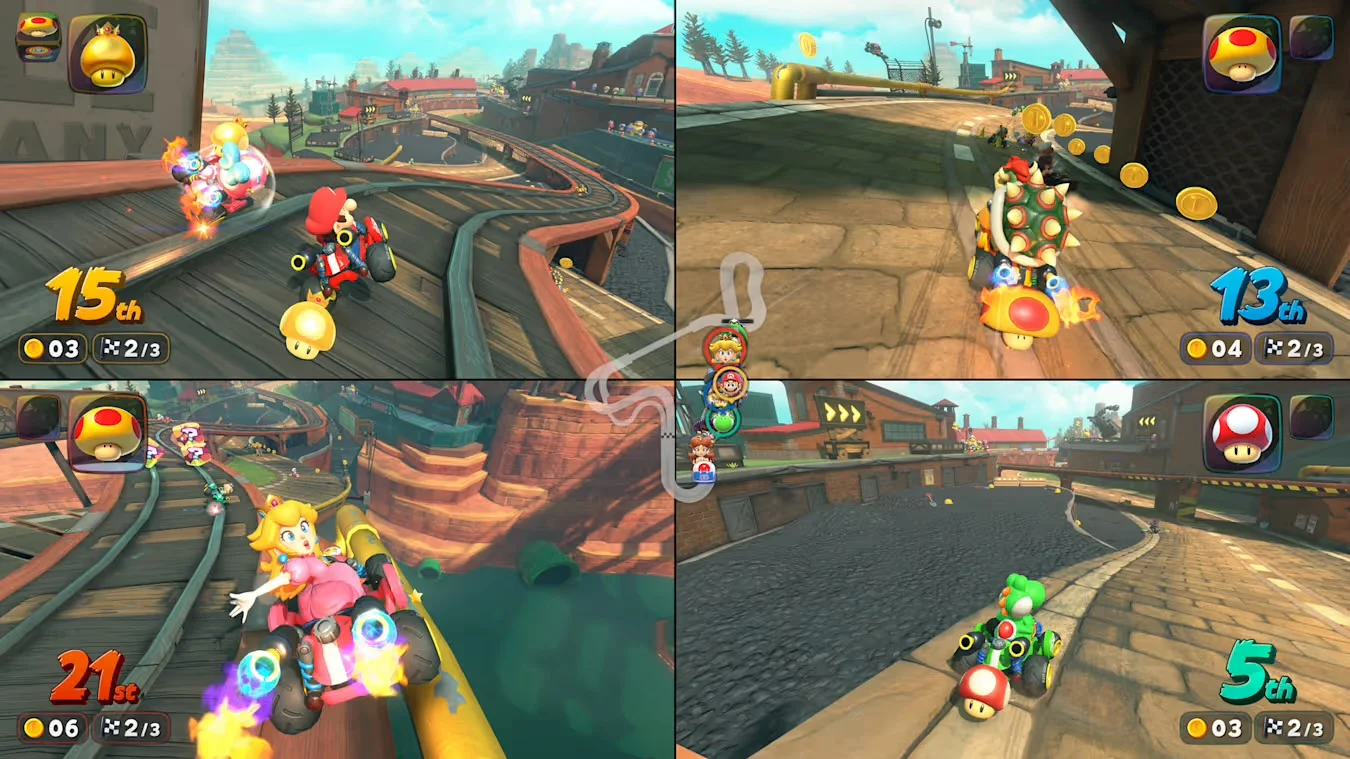
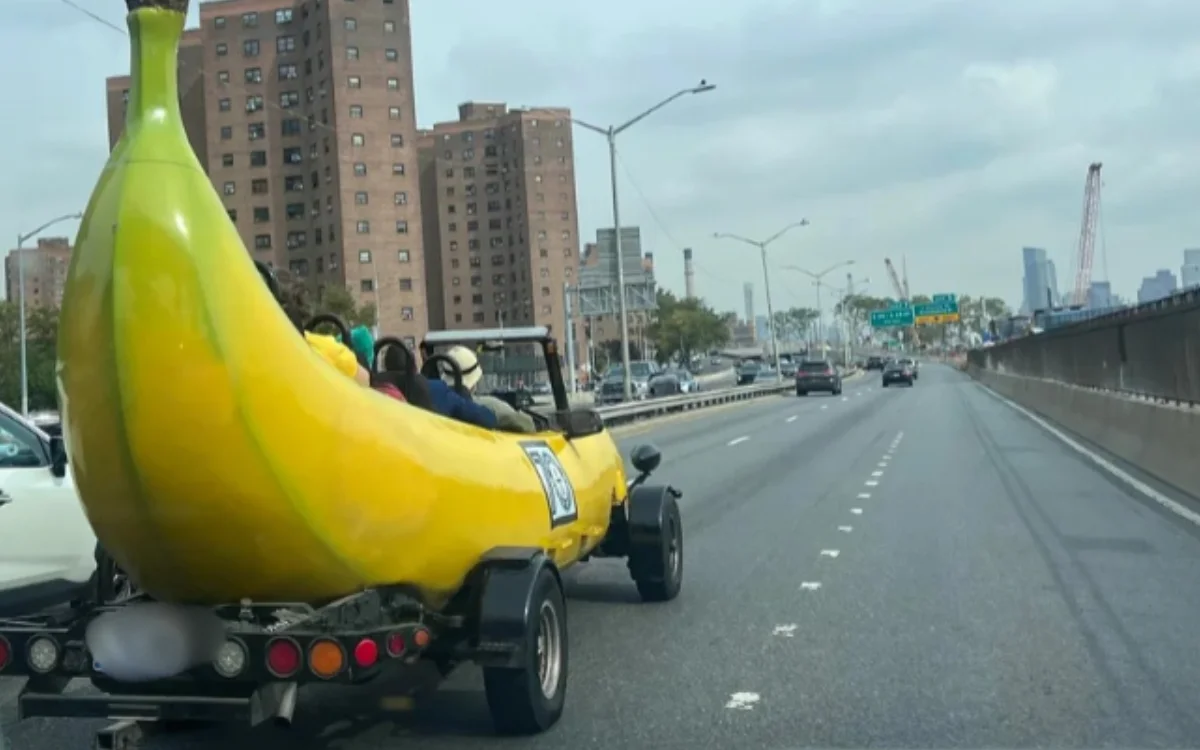
Why the crazy world of Mario though?
It seems a bit random to pick Mario Kart as a place to train self-driving cars, considering it’s arguably not the most realistic driving simulator.
Mistakes in the real world are expensive and dangerous, but in a video game environment, the AI can fail millions of times without anyone getting hurt.
That means researchers can collect massive amounts of data quickly, helping the system improve at a pace impossible in real traffic.
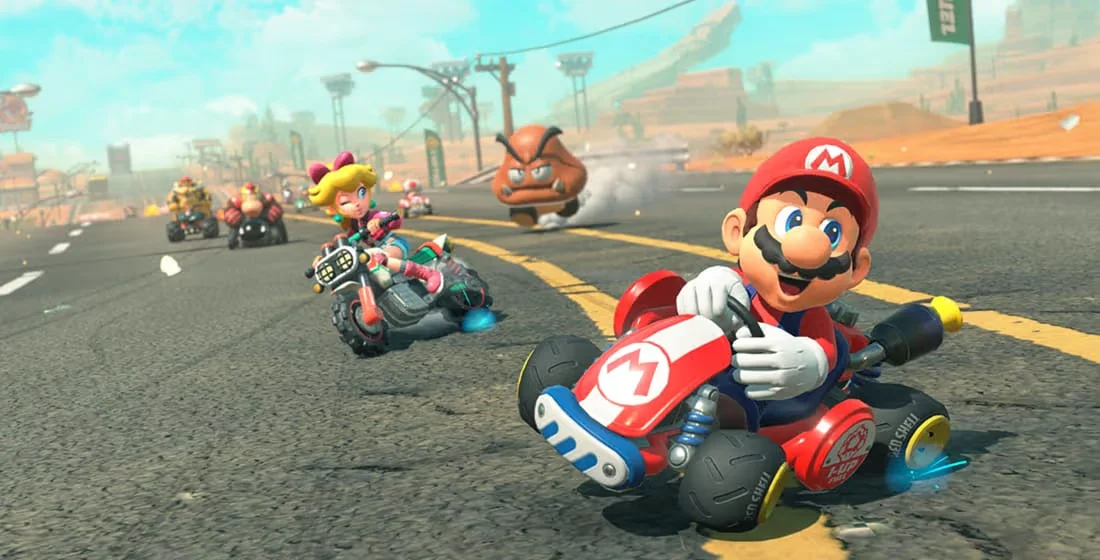
Think of it as a ‘sandbox’ for autonomous vehicles: the perfect place to master the basics before they hit highways.
Mario Kart is effectively the most insane hazard perception test ever with many different types of external hazards that can affect your driving.
This project isn’t just a fun experiment -it’s backed by the U.S. Naval Air Warfare Center Aircraft Division, showing just how serious the research is.
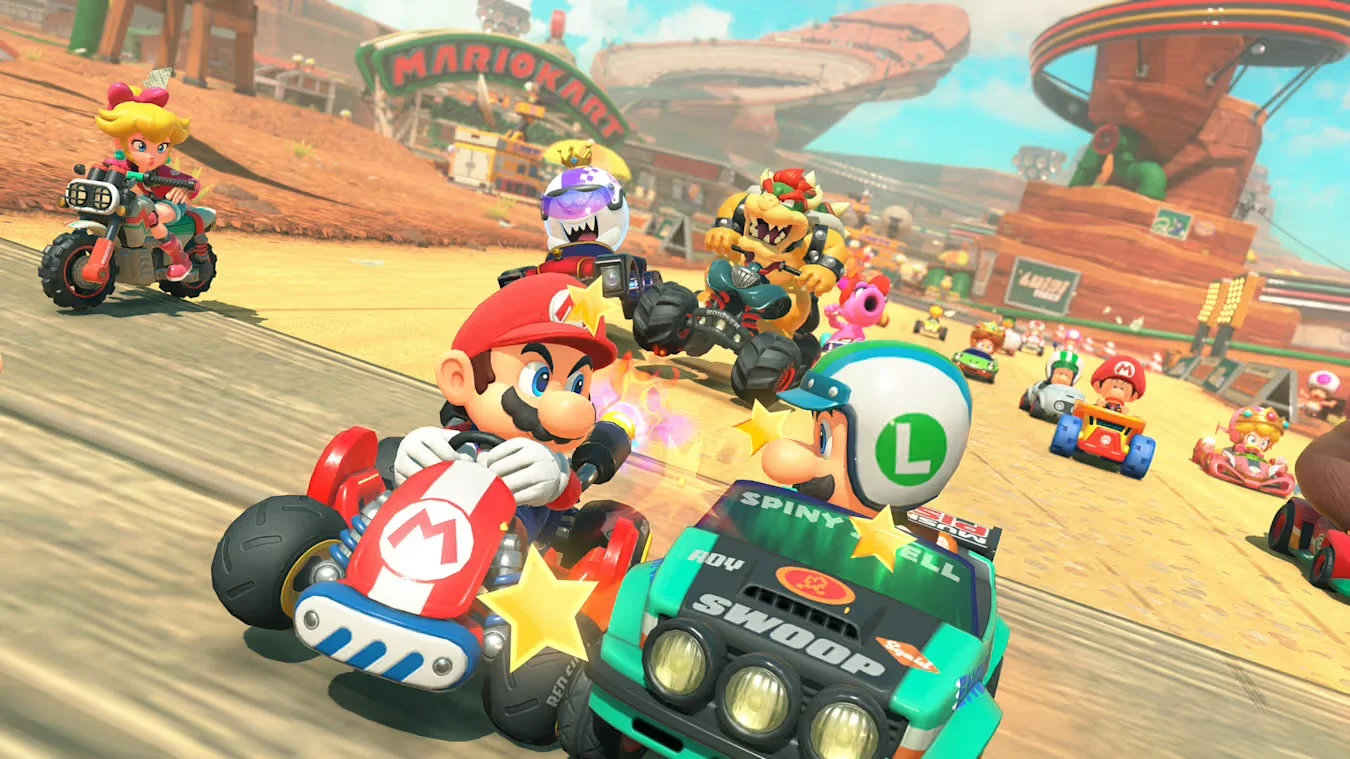
Right now, most cars on the road are still at Level 2 automation – think Tesla Autopilot or GM’s Super Cruise, where the driver still has to pay attention.
However, the dream of full self-driving, Level 5, requires AIs that are safe, reliable, and adaptable; teaching them in controlled environments like Mario Kart is a big step toward that future.
Who knew that getting shelled as a child would lead to your safety in future self-driving cars?
Let’s just make sure that the AI knows that you won’t be saved by a little turtle on a cloud if you crash in real life.
Daisy is a technology and automotive journalist covering artificial intelligence, consumer tech, Apple news, cryptocurrency, emerging technologies, and transportation innovation. Since joining the team in 2025, she has reported on everything from AI-powered startups and major iOS updates to viral car stories and the latest developments shaping transportation and the digital economy. Drawing on her background in automotive journalism and a degree in History and Journalism from Goldsmiths, University of London, Daisy specializes in breaking down complex topics into clear, engaging reporting for a global audience. Her work spans cutting-edge technology, innovative vehicles, and the people driving change across both industries. Daisy has gained first-hand access to some of the world's most talked-about technologies and innovators, including meeting Tesla's Optimus humanoid robot during its first European appearance in London. She has also discussed the future of space exploration with an astronaut, bringing unique insights and real-world perspectives to her coverage of emerging technology.




