It's now legal to plug solar panels into wall outlets in Utah and as many as 30 states could be set to follow
Published on Jun 28, 2026 at 2:05 PM (UTC-4)
by Daisy Edwards
Last updated on Jun 28, 2026 at 2:05 PM (UTC-4)
Edited by
Mason Jones
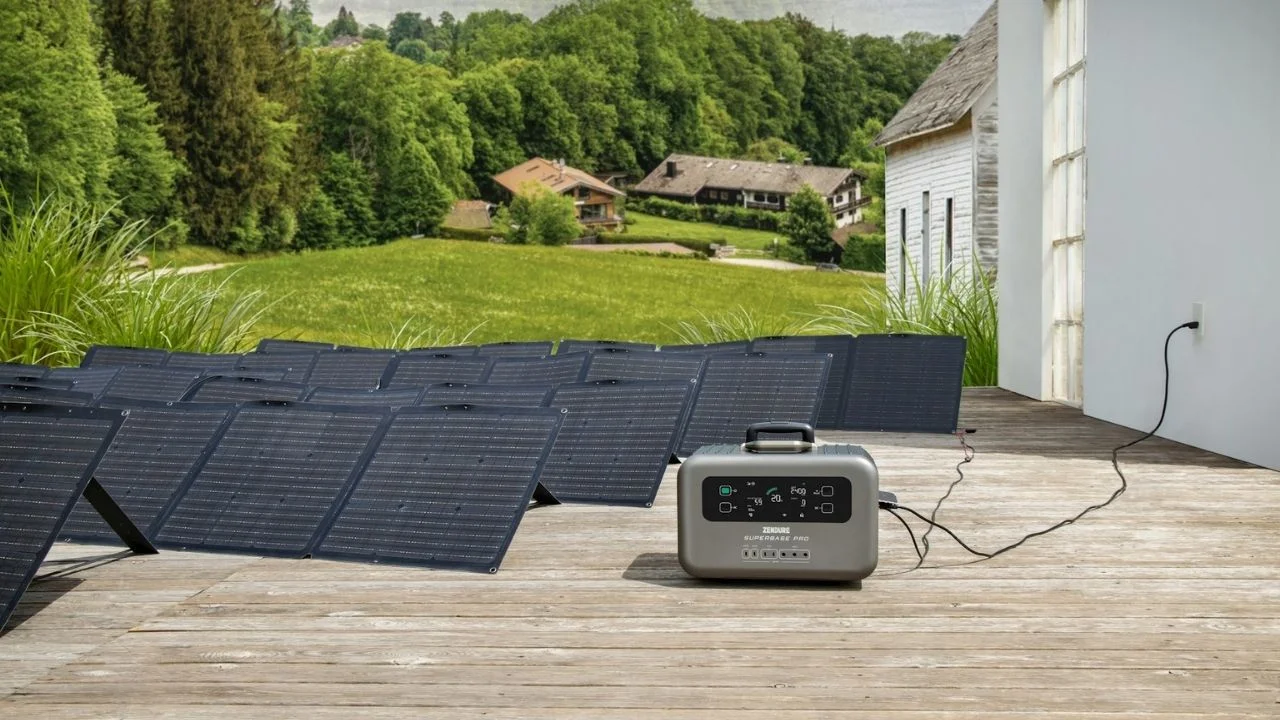

A new solar power law in Utah is changing the way Americans think about generating electricity at home using plug-in solar panels.
Instead of spending tens of thousands of dollars on a traditional rooftop installation, residents can now use smaller solar panels that plug directly into a standard wall outlet.
The concept has already become hugely popular in parts of Europe, where it’s commonly known as ‘balcony solar’, now, the idea is gaining momentum in the US, with dozens of states considering similar legislation.
For homeowners, renters, and anyone looking for a cheaper way to reduce their electricity bills, it could be a game-changing development.
Utah new plug-in solar systems law
Utah became the first US state to explicitly legalize plug-in solar panel tech through House Bill 340, a measure backed by state representative Raymond Ward.
The law allows residents to connect small solar systems directly to ordinary household outlets, removing many of the barriers associated with traditional solar installations.
These systems are significantly smaller than rooftop solar panels and are designed to supplement a home’s energy use rather than replace it entirely.
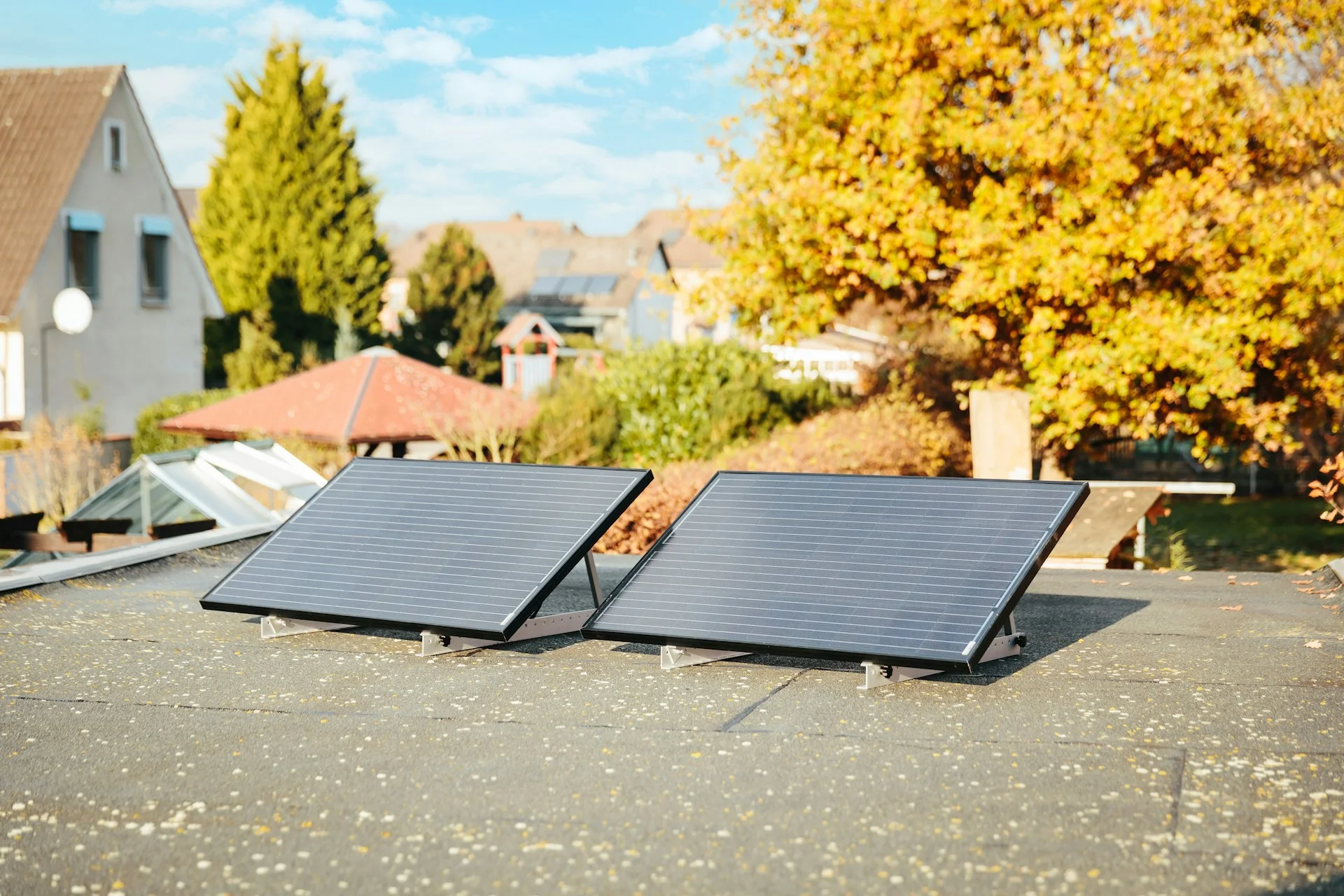
Under the legislation, systems are capped at 1,200 watts, making them ideal for powering appliances and reducing overall electricity consumption.
Representative Ward explained that the technology offers an affordable alternative for people who want some of the benefits of solar power without committing to a full rooftop setup.
The systems are particularly attractive to apartment dwellers, condo owners, and renters who may not have access to traditional solar installations.
Related


More than 30 states are exploring similar laws
Utah’s legislation has quickly attracted attention across the country, and according to reports, lawmakers in more than 30 states and Washington, DC, have introduced or drafted similar proposals.
Several states have already passed similar measures, and the growing interest signals a shift toward making solar energy more accessible and affordable.
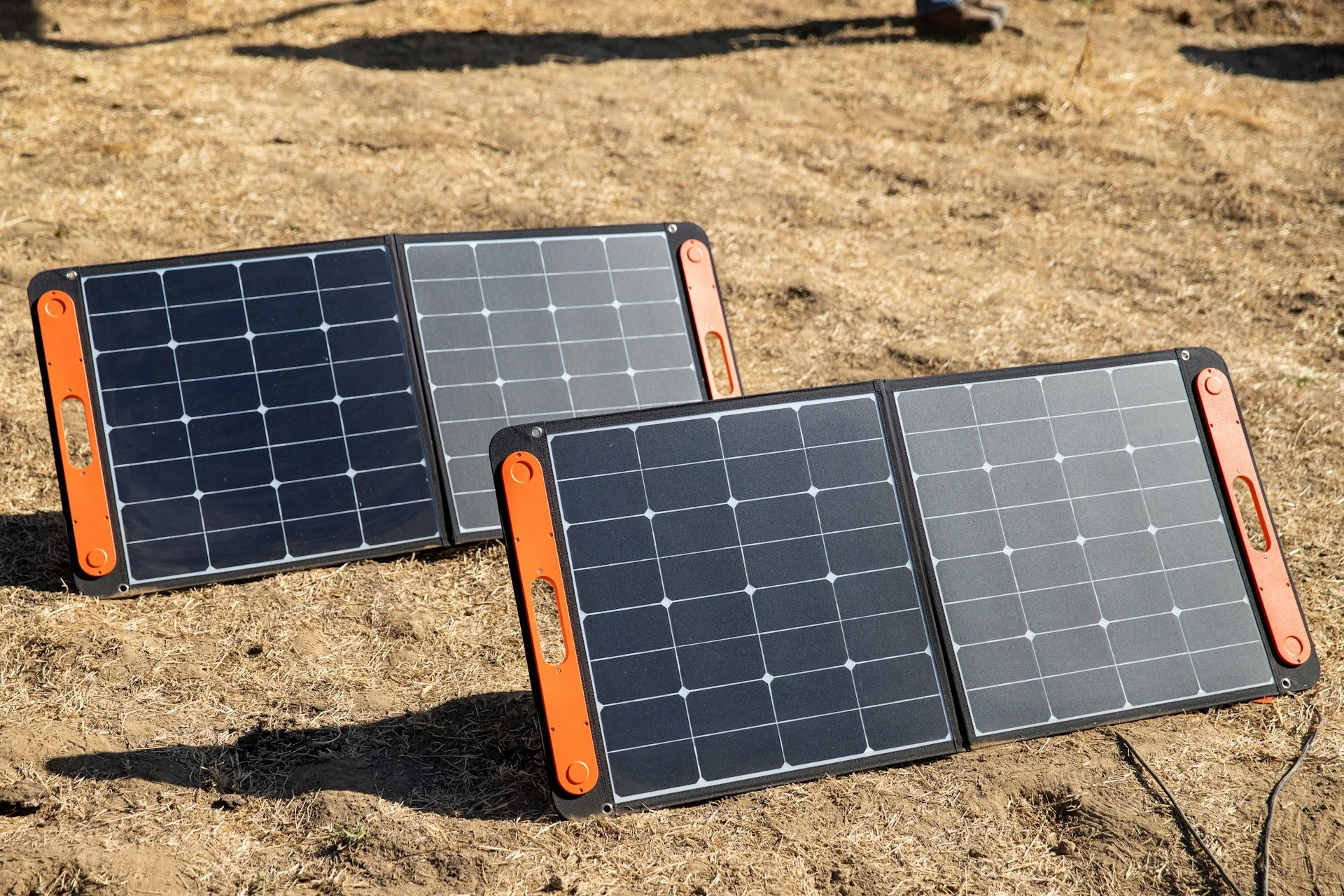
Plug-in systems cost a fraction of a conventional solar installation and can often be set up without permits, utility approval, or professional installation.
Supporters argue that the technology could help households lower electricity bills at a time when energy costs continue to rise.
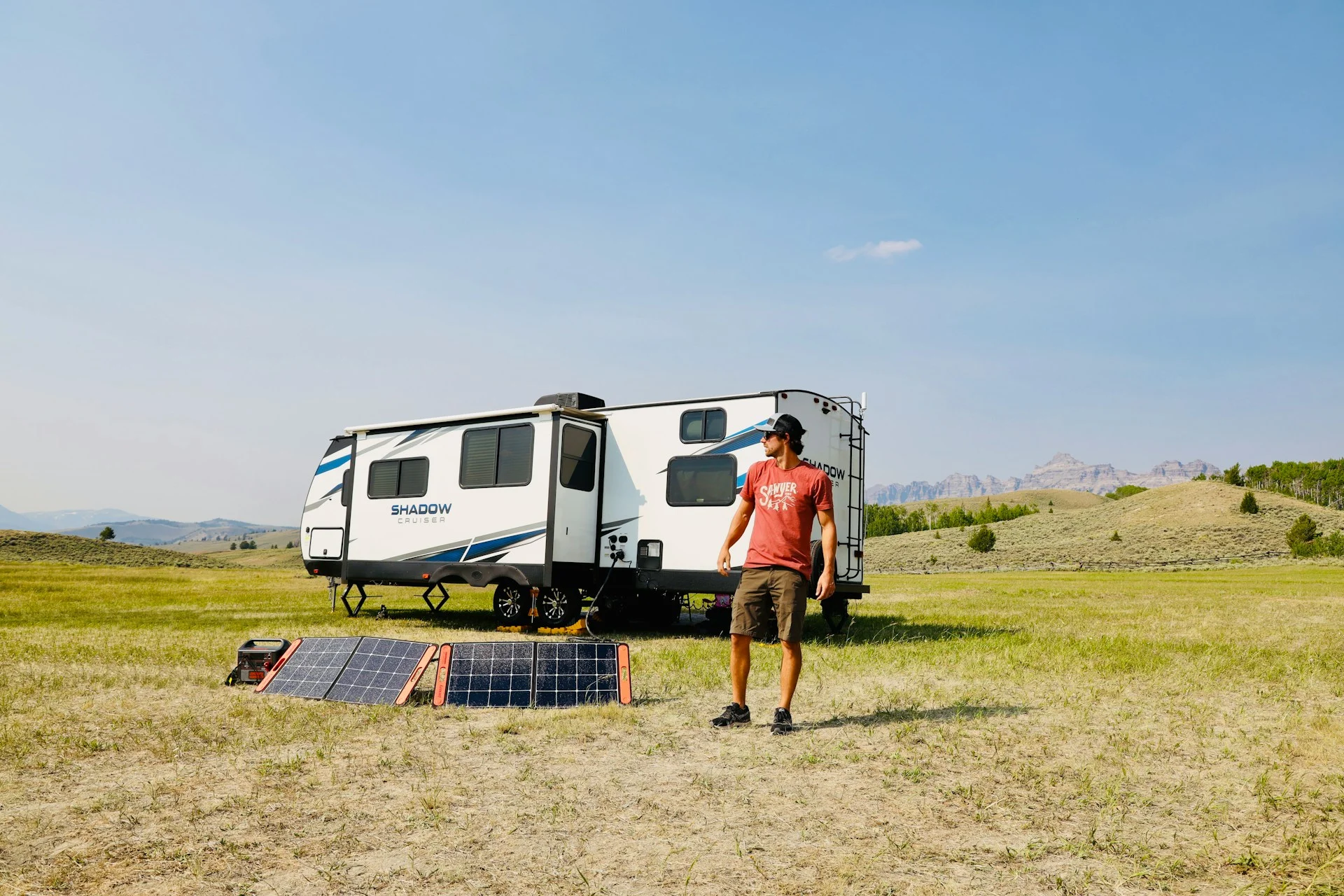
However, safety remains a key consideration, which is why Utah’s law requires certified equipment and industry safety standards before widespread adoption.
If more states follow Utah’s lead, plug-in solar could become one of the easiest and cheapest ways for Americans to generate some of their own electricity from home.
Daisy is a technology and automotive journalist covering artificial intelligence, consumer tech, Apple news, cryptocurrency, emerging technologies, and transportation innovation. Since joining the team in 2025, she has reported on everything from AI-powered startups and major iOS updates to viral car stories and the latest developments shaping transportation and the digital economy. Drawing on her background in automotive journalism and a degree in History and Journalism from Goldsmiths, University of London, Daisy specializes in breaking down complex topics into clear, engaging reporting for a global audience. Her work spans cutting-edge technology, innovative vehicles, and the people driving change across both industries. Daisy has gained first-hand access to some of the world's most talked-about technologies and innovators, including meeting Tesla's Optimus humanoid robot during its first European appearance in London. She has also discussed the future of space exploration with an astronaut, bringing unique insights and real-world perspectives to her coverage of emerging technology.




