Voyager 1 is expected to achieve something in 2026 never before accomplished in human history
Published on Oct 02, 2025 at 9:11 PM (UTC-4)
by Daisy Edwards
Last updated on Oct 02, 2025 at 9:11 PM (UTC-4)
Edited by
Kate Bain


The innovative and exciting Voyager 1 spacecraft is expected to achieve something in 2026 that’s never been accomplished in human history before.
The Voyager 1 launched in 1977 and is currently travelling at a trajectory of 38,000 mph – it’s been travelling for almost 50 years.
It was originally built to study Jupiter and Saturn, but crossed the edge of the solar system in 2012 and is now in deep interstellar space.
Powered by a tiny nuclear battery, the spacecraft is still whispering back faint data ahead of its big milestone on November 15, 2026.
EXPLORE SBX CARS – Supercar auctions starting soon powered by Supercar Blondie
Voyager 1 is expected to achieve something amazing
When NASA launched Voyager 1 in 1977, it initially set out to study Jupiter and Saturn, but it’s gone way further, where no man-made vessel has gone before.
It crossed the edge of the solar system back in 2012 and it’s now travelling at a speed of 38,000 mph into deep interstellar space.
However, almost 50 years on from its historic launch, it’s set to break a record.
On November 15, 2026, Voyager 1 will officially be one Earth ‘Light-Day’ away, around 16 billion miles away from Earth.

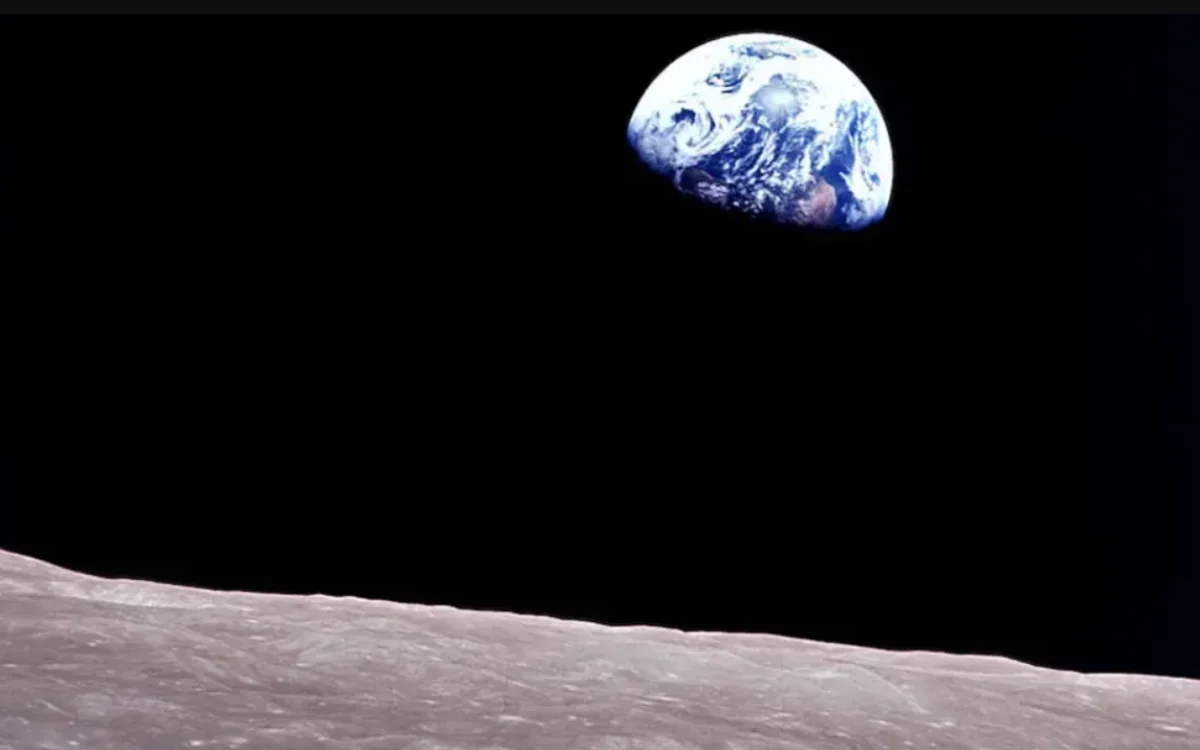


What does one Light Day mean?
Light travels at about 300,000 km per second. In 24 hours, it covers one ‘light-day’, which is roughly 16 billion miles.
So when Voyager hits that distance from Earth, we’ll officially have a probe so far away that even light needs a day to catch up.
It’s not moving anywhere near light speed; instead, Voyager 1’s achievement is about distance: pushing the boundary of human exploration.
On January 28, 2027, Voyager 1 will reach another milestone: a full light-day from the Sun.
After that? It will keep going, endlessly, into interstellar space, carrying humanity’s first physical footprint in the galaxy.
Keep going, Voyager 1, we’re proud of you.

Daisy is a technology and automotive journalist covering artificial intelligence, consumer tech, Apple news, cryptocurrency, emerging technologies, and transportation innovation. Since joining the team in 2025, she has reported on everything from AI-powered startups and major iOS updates to viral car stories and the latest developments shaping transportation and the digital economy. Drawing on her background in automotive journalism and a degree in History and Journalism from Goldsmiths, University of London, Daisy specializes in breaking down complex topics into clear, engaging reporting for a global audience. Her work spans cutting-edge technology, innovative vehicles, and the people driving change across both industries. Daisy has gained first-hand access to some of the world's most talked-about technologies and innovators, including meeting Tesla's Optimus humanoid robot during its first European appearance in London. She has also discussed the future of space exploration with an astronaut, bringing unique insights and real-world perspectives to her coverage of emerging technology.




