Webb telescope just discovered what's been hidden in famous supernova
- Scientists have spent the last 40 years trying to identify to remains of a dead supergiant star
- Finally, thanks to the powerful Webb telescope, they found what they were looking for
- This dead star is located 150,000 light-years away
Published on Feb 26, 2024 at 4:28 AM (UTC-5)
by Alessandro Renesis
Last updated on Feb 26, 2024 at 9:37 AM (UTC-5)
Edited by
Adam Gray
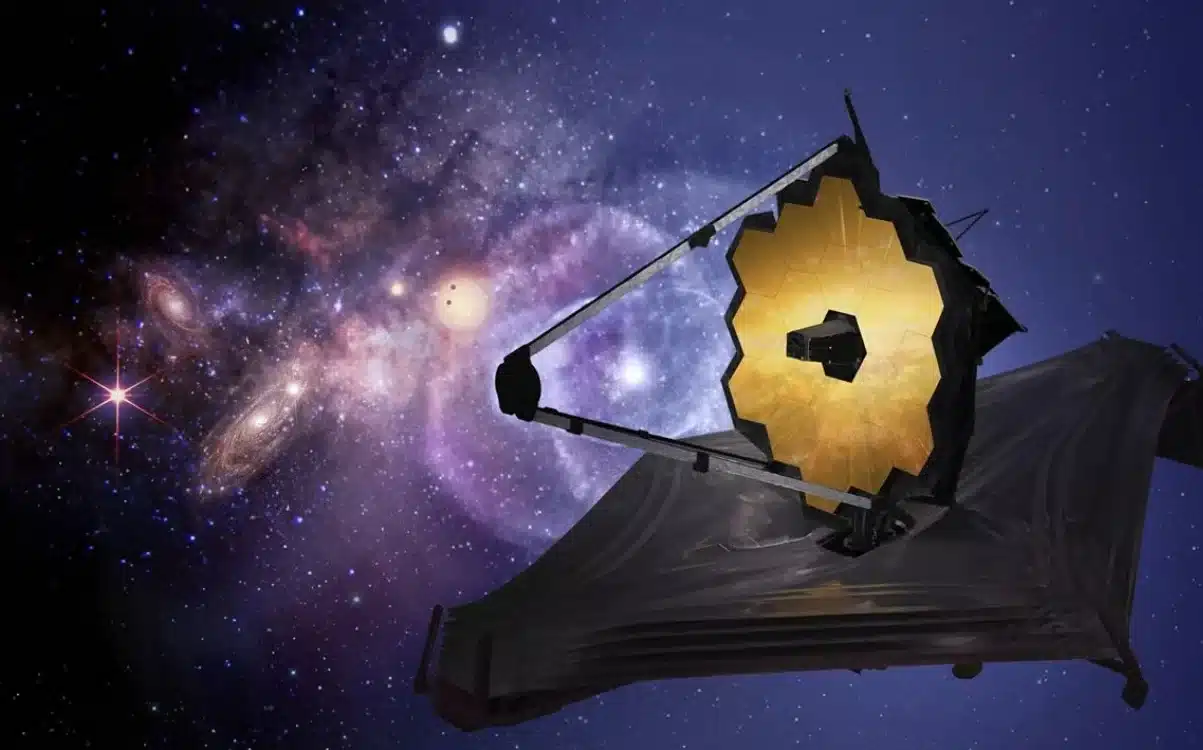

The ultra-powerful Webb telescope has just discovered something we thought we’d never be able to see.
And, this time, the discovery was made not far from home.
READ MORE: Astronaut reveals transformative ‘recalibration’ benefit of living in Mars simulator
The James Webb Space Telescope is a lot more powerful than its predecessor, making it possible for us to identify and see things the old telescope, Hubble, couldn’t.
This time, the Webb telescope detected what scientists believe to be a neutron star – one of the densest objects in the universe.
Neutron stars are the collapsed core of a massive supergiant star – a type of star that’s between 10 and 25 times larger than the Sun.
They’re relatively rare, because generally a supernova turns in a new black hole.
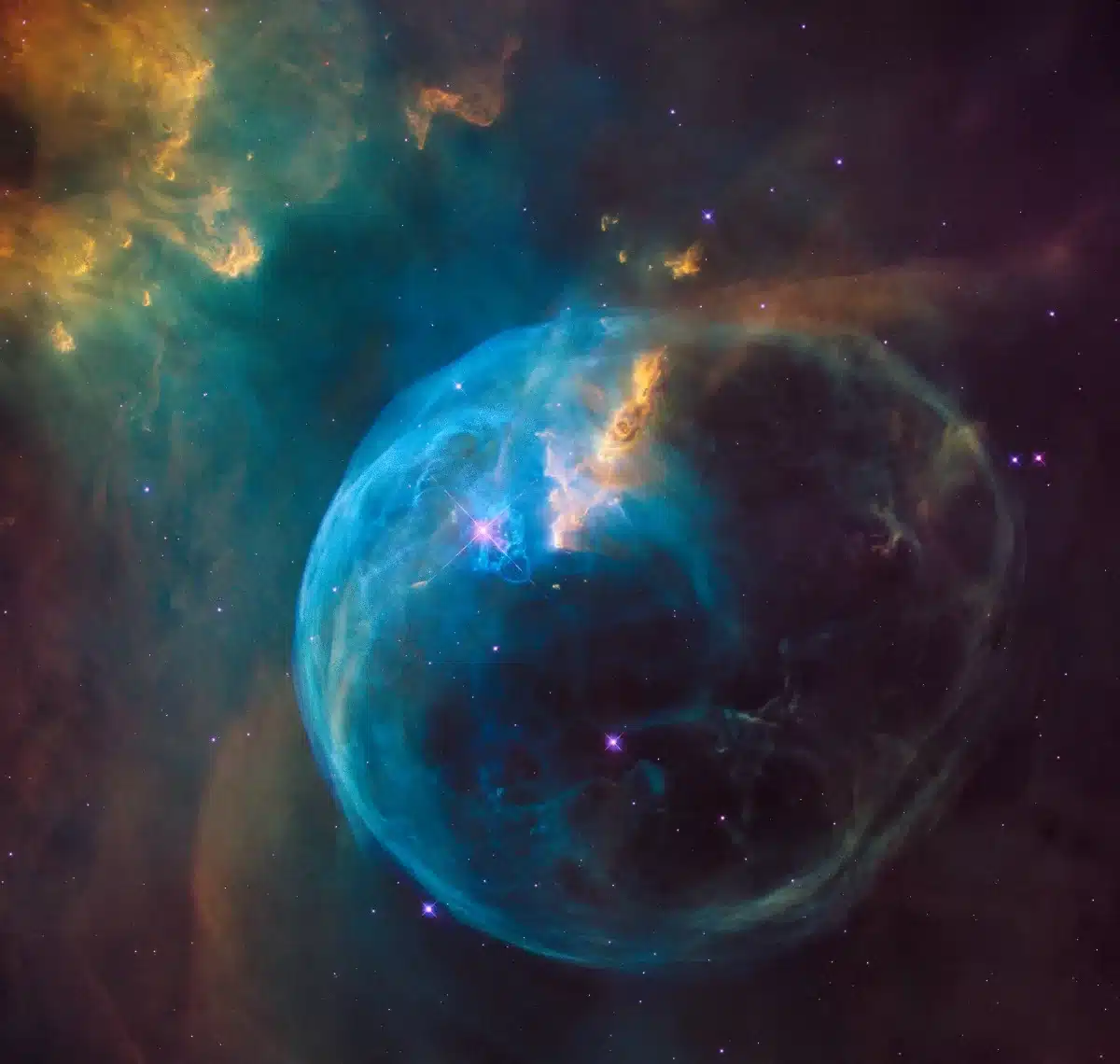
“With this observatory, we have now found direct evidence for emission triggered by the newborn compact object, most likely a neutron star,” Stockholm University researcher Claes Fransson wrote in a statement release by NASA.
Scientists first saw the explosion of this supergiant, called SN 1987A, around four decades ago – about 160,000 light-years away.
After that, they spent the next 40 years ago looking for clues of a neutron star.
However, due to the massive amount of carbon dust created by a supernova – a supernova is the explosion of a star, ed. – they couldn’t see it.
Until now, that is.
“To create these ions that we observed in the ejecta, it was clear that there had to be a source of high-energy radiation in the center of the SN 1987A remnant,” Fransson said.
“Only a few scenarios are likely, and all of these involve a newly born neutron star.”

The James Webb Telescope was launched on Christmas Day, 2021 and entered service just a weeks later, after successfully reaching a solar orbit, located around 930,000 miles from Earth.
NASA said they expect James Webb to remain in service for at least two decades.
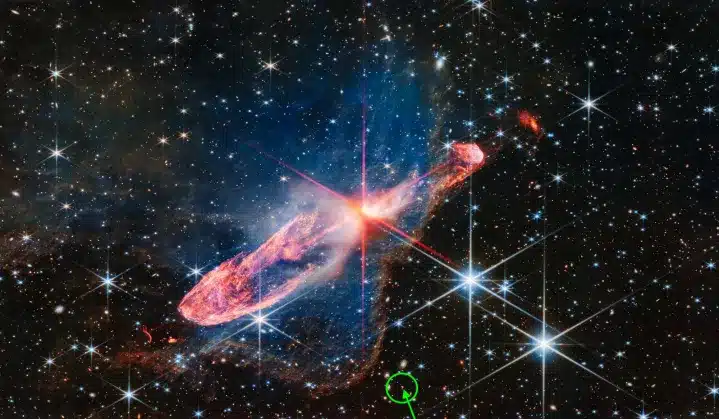
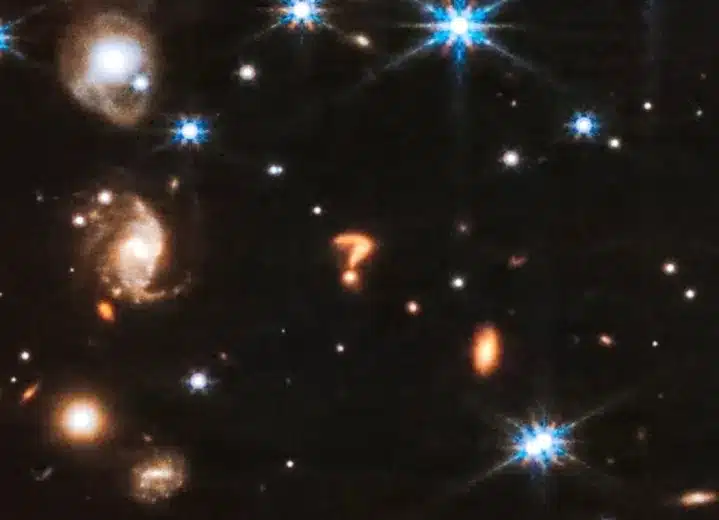
So far, it already discovered a planet where it apparently rains sand, potential trace of water near Pluto, and even a bizarre question mark in space.
It’s expensive, in absolute terms, as it cost NASA over $10 billion to build it.
However, in the big scheme of things, $10 billion for a telescope that’s capable of identifying dead stars 150,000 light-years away is a bargain.
Mostly because 150,000 light-years away in miles or kilometers creates something that’s nearly not even a number.
For reference, one light-year is equivalent to 5.88 trillion miles.
So 150,000 light-years is basically over 500,000 trillion miles.
And the irony is that 150,000 light-years, in the vastness of space, is what scientists call “not far from Earth”.


Alessandro is an automotive journalist with 10 years of experience covering supercars, automotive history, emerging vehicle technology, and luxury transportation. He wrote the first article published on SupercarBlondie.com when the website launched in 2022 and has since built a reputation for insightful reporting across the automotive and transportation industries. His expertise is grounded in hands-on experience. Alessandro has driven every Tesla model ever produced, from the original Roadster to the Cybertruck, and regularly covers the latest developments in electric vehicles and automotive innovation. His passion for transportation extends beyond cars, he has even flown a Boeing 787 Dreamliner simulator in Addis Ababa, Ethiopia. His reporting spans everything from classic American muscle cars and rare automotive discoveries to luxury yachts, private aircraft, high-end watches, and cutting-edge vehicle technology. Known for his deep knowledge of automotive history and ability to uncover the stories behind iconic vehicles, Alessandro brings readers a blend of historical context, technical expertise, and first-hand experience.




