This is what the 'G' in 5G and 4G actually stands for and it's simpler than what you think
Published on Mar 19, 2026 at 7:01 AM (UTC+4)
by Claire Reid
Last updated on Mar 19, 2026 at 7:01 AM (UTC+4)
Edited by
Claire Reid
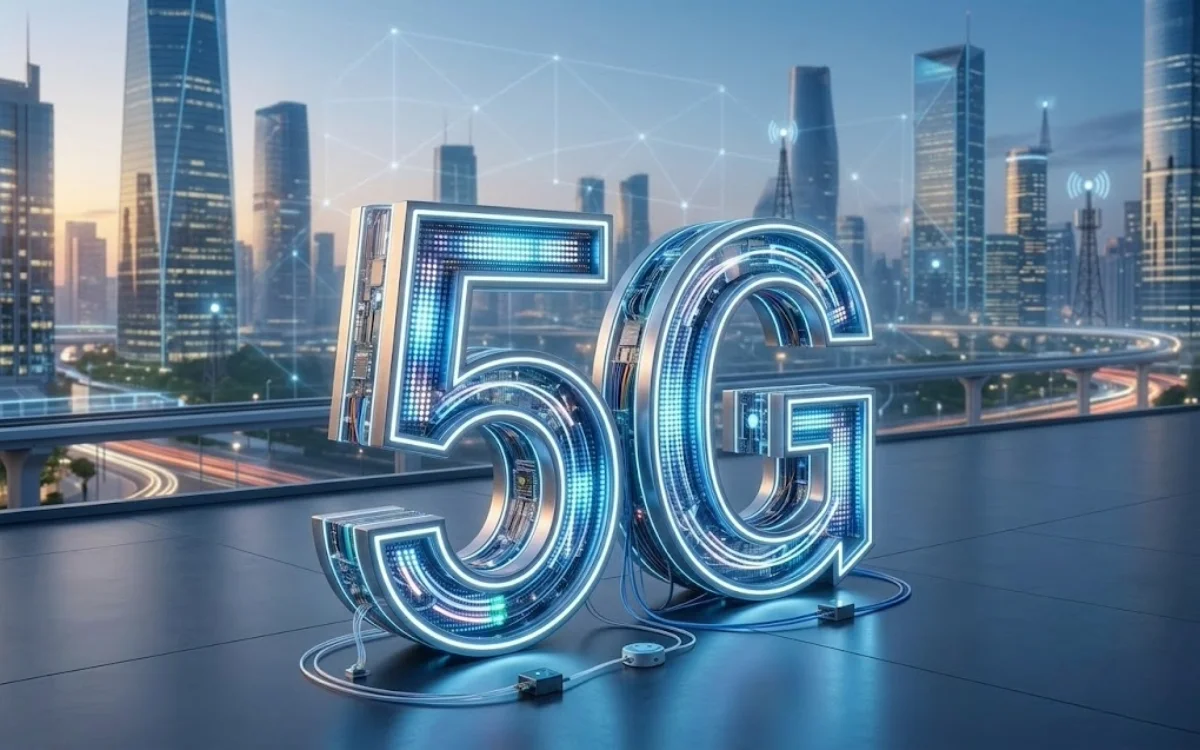

Even though you probably use it every day, you’ve probably given little thought to what the G in 5G or 4G actually stands for, right?
Tech is littered with acronyms and jargon, like USB (short for Universal Serial Bus) and WiFi (short for nothing, as it happens), and even email (with the e standing for electronic).
Since the early 1990s, the letter G has been placed after a number when naming cellular networks.
And what it stands for is probably more straightforward than you’d think.
Click the star icon next to supercarblondie.com in Google Search to stay ahead of the curve on the latest and greatest supercars, hypercars, and ground-breaking technology
Ever wondered what the G stands for in 5G?
5G was introduced in 2019 as a successor to – you’ve guessed it – 4G.
Prior to that, we had 3G, and before that, we had 2G.
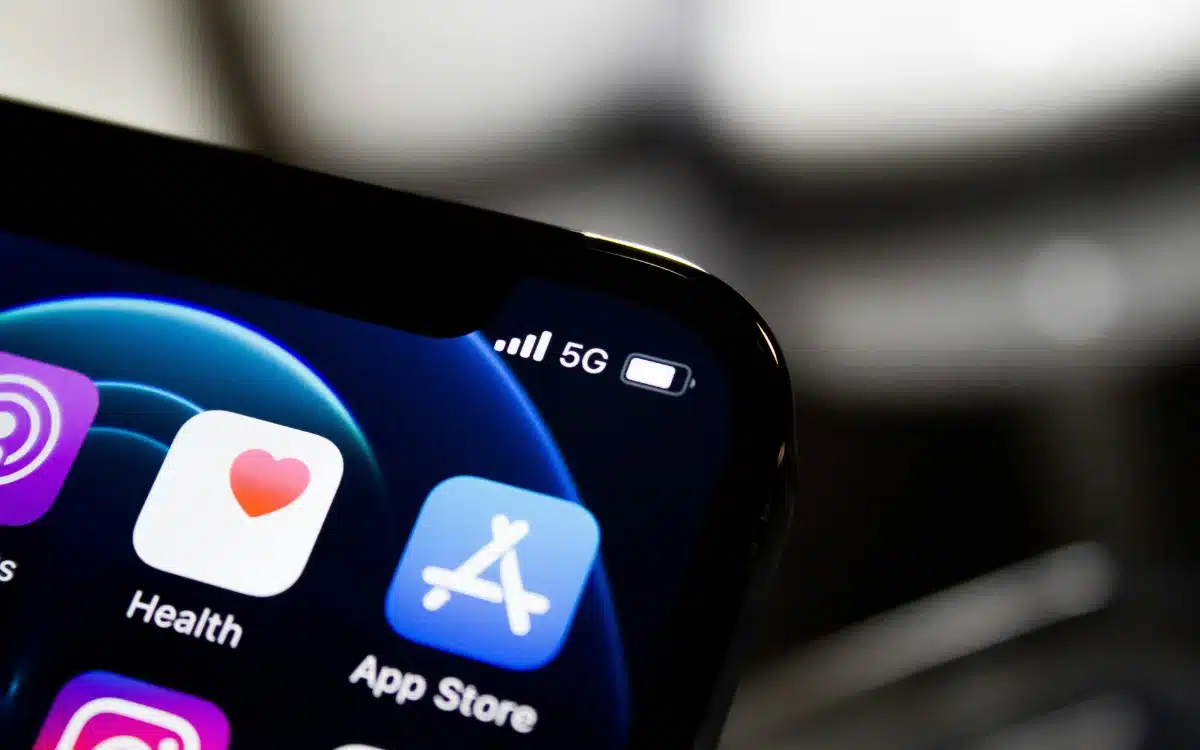
Compared to the older version, 5G offers faster download speeds and lower latency, which means things like streaming and online gaming run more smoothly.
Although using the letter G to name cell networks has been in use for the last few decades, it turns out that there are plenty of folks who still don’t know what it means.
But it’s actually kind of obvious – the G in 5G, 4G, and 3G simply stands for ‘generation’, as in fifth generation, fourth generation, and so on.
It also means that the upcoming generation will be known as 6G.
However, while that’s all straightforward enough, if you use 10G internet at home, that isn’t short for generation and is different from cellular technology.
In the case of 10G, the G is short for gigabit, with 10G capable of transmitting data at speeds of up to 10 gigabits per second.
So now you know.
6G is on its way, and it might be here sooner than you’d think
For now, 5G is the fastest cellular network out there, as you can tell if you ever have to use 4G.
But 6G isn’t far away, with Qualcomm saying it will be arriving in 2028 – and it’s set to usher in a big change.
Whereas past cellular networks have focused mainly on speeds, 6G will be a ‘network of intelligence’ that will play a key role in the future of AI.
“We have been very busy working on the next generation of connectivity… which is 6G. Designed to be the connection between the cloud and Edge devices,” Qualcomm CEO Cristiano Amon said last year.
“We’re going to have completely new use cases for this network of intelligence — connecting the edge and the cloud.”
To start with, 6G will be introduced on a handful of prototype devices, known as pre-commercial devices, before it’s rolled out to the mass market.
To add a bit of context to how long that could take, 5G pre-commercial devices began popping up in 2016, before it was properly introduced in 2019.
DISCOVER SBX CARS: The global premium car auction platform powered by Supercar Blondie
With a background in both local and national press in the UK, Claire has covered a range of topics, including technology, gaming, and cryptocurrency, since joining the editorial team at Supercar Blondie in May 2024. Her ability to be first to a story has been integral to making SB’s coverage of scientific discovery, AI, and global tech news a slick 24/7 operation.