This is why TV makers no longer use plasma panels after they were all the rage in the 2000s
Published on Mar 17, 2026 at 4:18 PM (UTC+4)
by Daisy Edwards
Last updated on Mar 17, 2026 at 4:18 PM (UTC+4)
Edited by
Emma Matthews
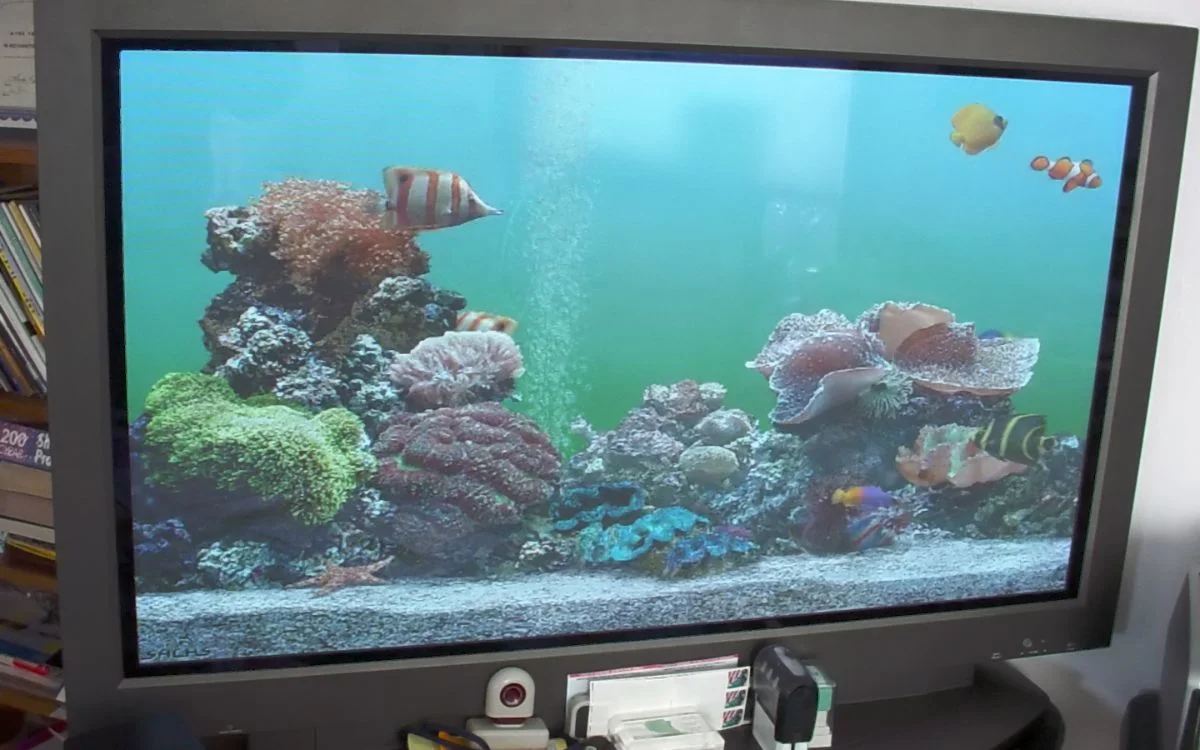

Plasma panels really were all the rage in the 2000s, with big-spending buyers flocking to them for their sleek design, wall-mountable form, and seriously impressive picture quality.
Back then, they felt like the future, especially compared to bulky rear projection sets and early LCD TVs that struggled with poor contrast and washed-out colors.
For a while, plasma looked untouchable, and brands pushed the tech further with larger screens and sharper resolutions.
But even though they were once the dream setup for home theater fans, plasma TVs eventually lost the race as rivals became cheaper, lighter, and far more practical.
Click the star icon next to supercarblondie.com in Google Search to stay ahead of the curve on the latest and greatest supercars, hypercars, and ground-breaking technology
Why TV makers no longer use plasma panels
Back in the 2000s, the biggest tech flex you could do on anyone was owning a plasma screen TV; they were bright and colorful and seemed to come from the future.
The biggest issue, though, was how plasma TVs actually worked.
Each screen used tiny gas-filled cells that were turned into plasma to create ultraviolet light, which then lit up phosphors to form the picture.
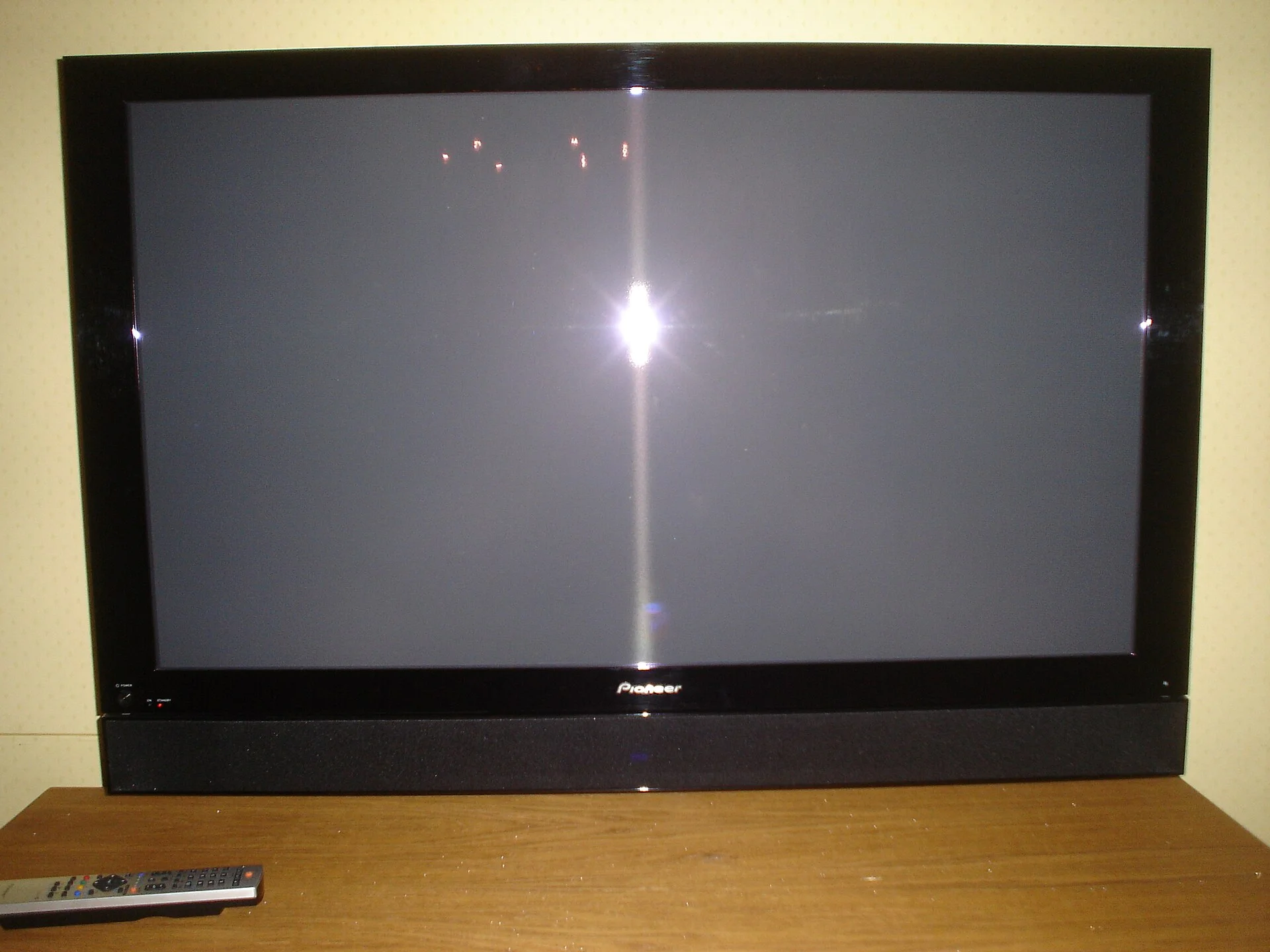
That process delivered incredible contrast and viewing angles, but it also made the TVs power-hungry, heavy, and prone to running hot.
Because of that design, plasma sets often needed thick glass panels and even internal cooling fans in some cases.
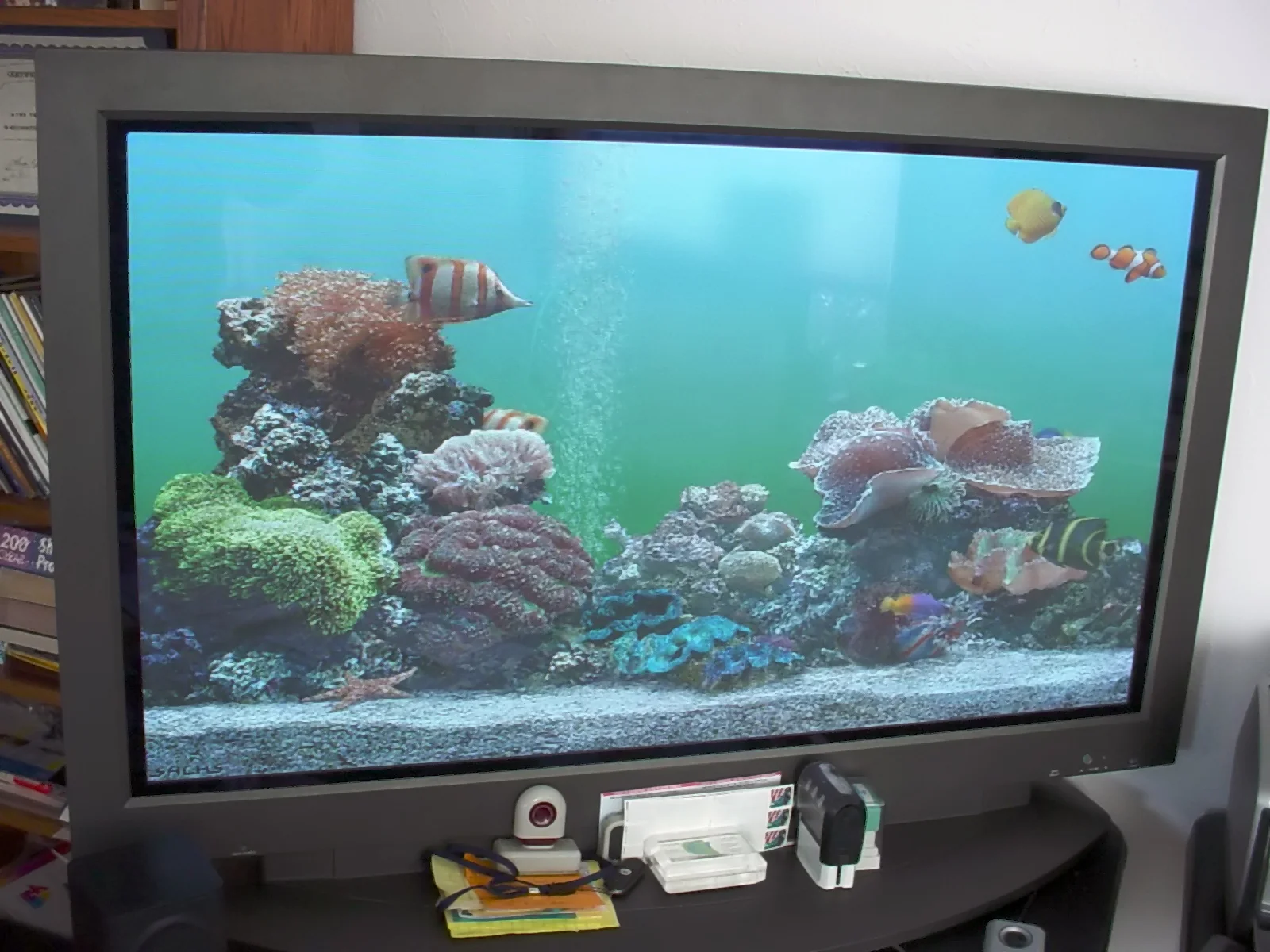
That meant more weight, more noise, and higher energy consumption compared to LCD TVs, which were rapidly improving at the same time.
There were other drawbacks, too.
Plasma screens could suffer from image retention and burn-in, and pushing the technology to higher resolutions became increasingly difficult as manufacturers had to shrink those gas cells further and further.

The TVs were products of the Noughties
In the end, plasma didn’t disappear because it suddenly became bad.
In fact, many enthusiasts still argue that it offered some of the best picture quality ever seen on a TV.
The real problem was that competing technologies evolved faster.
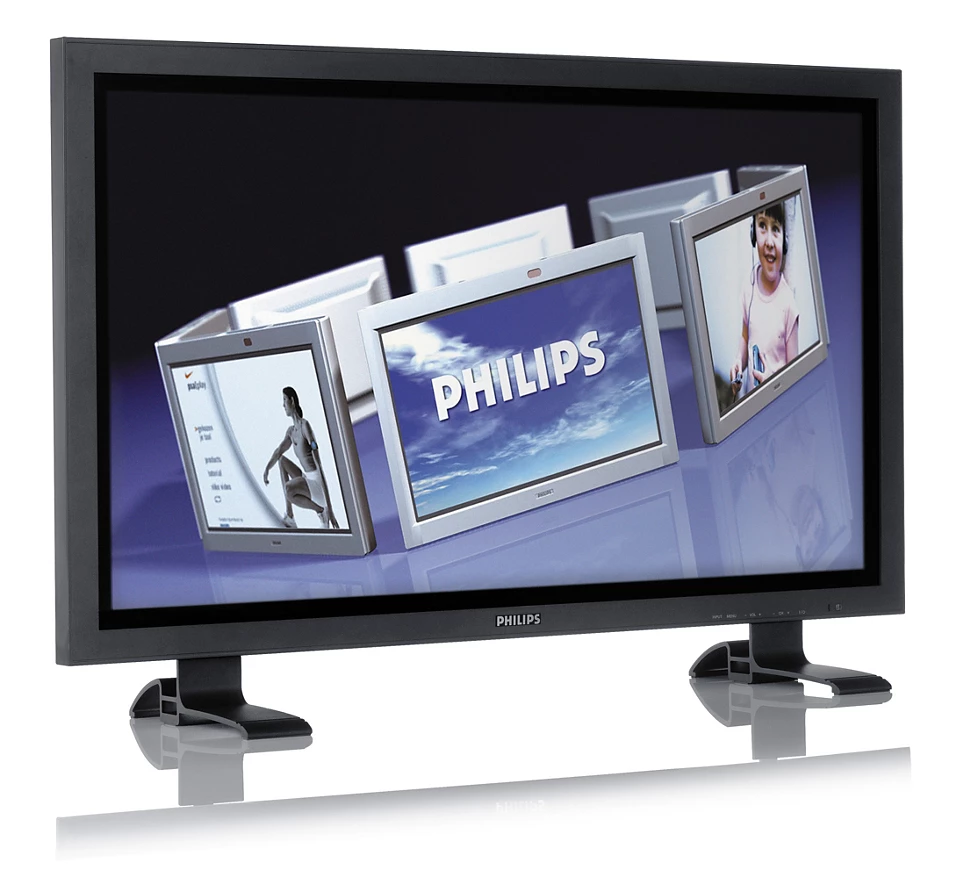
LCD and LED TVs became slimmer, cheaper, and more energy-efficient, while OLED later arrived, offering similar deep blacks without the same downsides, and OLED screens are selling points on a lot of modern technology.
One by one, major manufacturers pulled out, and by 2014, the last big brands had stopped making plasma panels altogether, bringing an end to one of the most iconic home entertainment technologies of its time.
DISCOVER SBX CARS: The global premium car auction platform powered by Supercar Blondie