World's first nuclear reactor that's able to be mass-produced just passed a key US safety approval test
Published on Feb 16, 2026 at 5:37 AM (UTC-5)
by Daisy Edwards
Last updated on Feb 16, 2026 at 8:36 AM (UTC-5)
Edited by
Emma Matthews
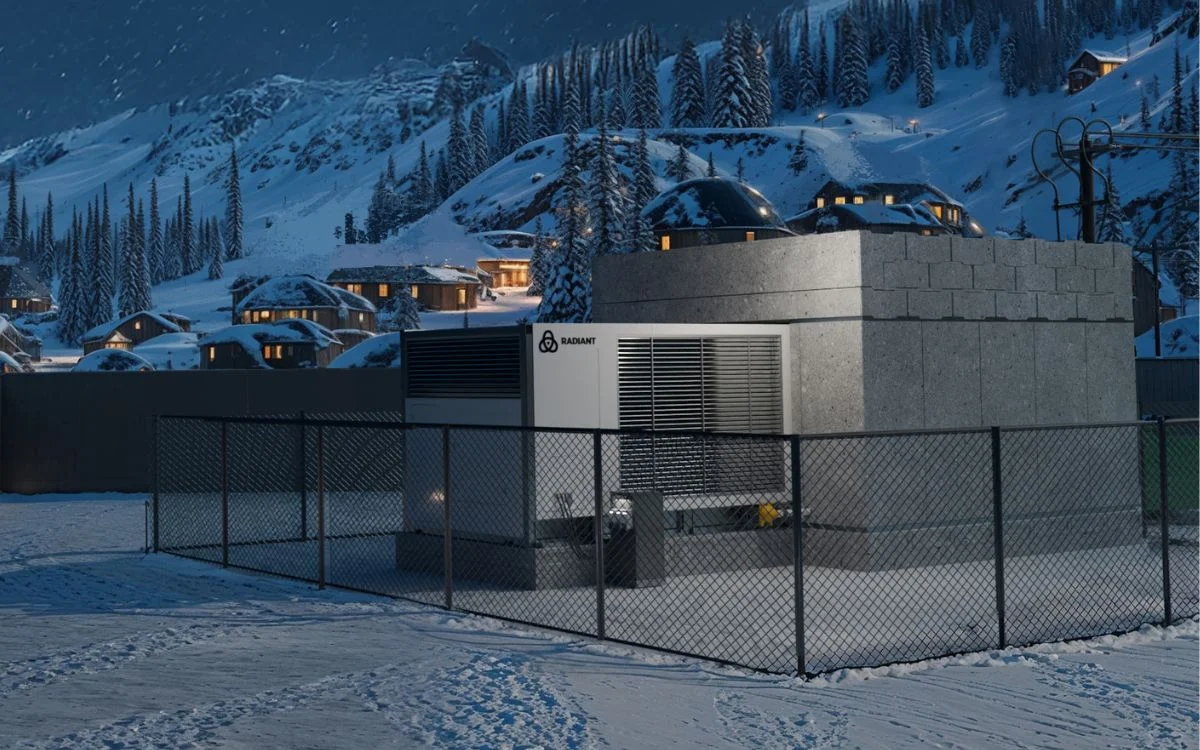

The first-ever nuclear reactor that can be mass-produced took another step towards reality after it passed a major US safety approval test.
Radiant has secured a major green light from the US Department of Energy for its Kaleidos microreactor, pushing the futuristic power unit one step closer to the real world.
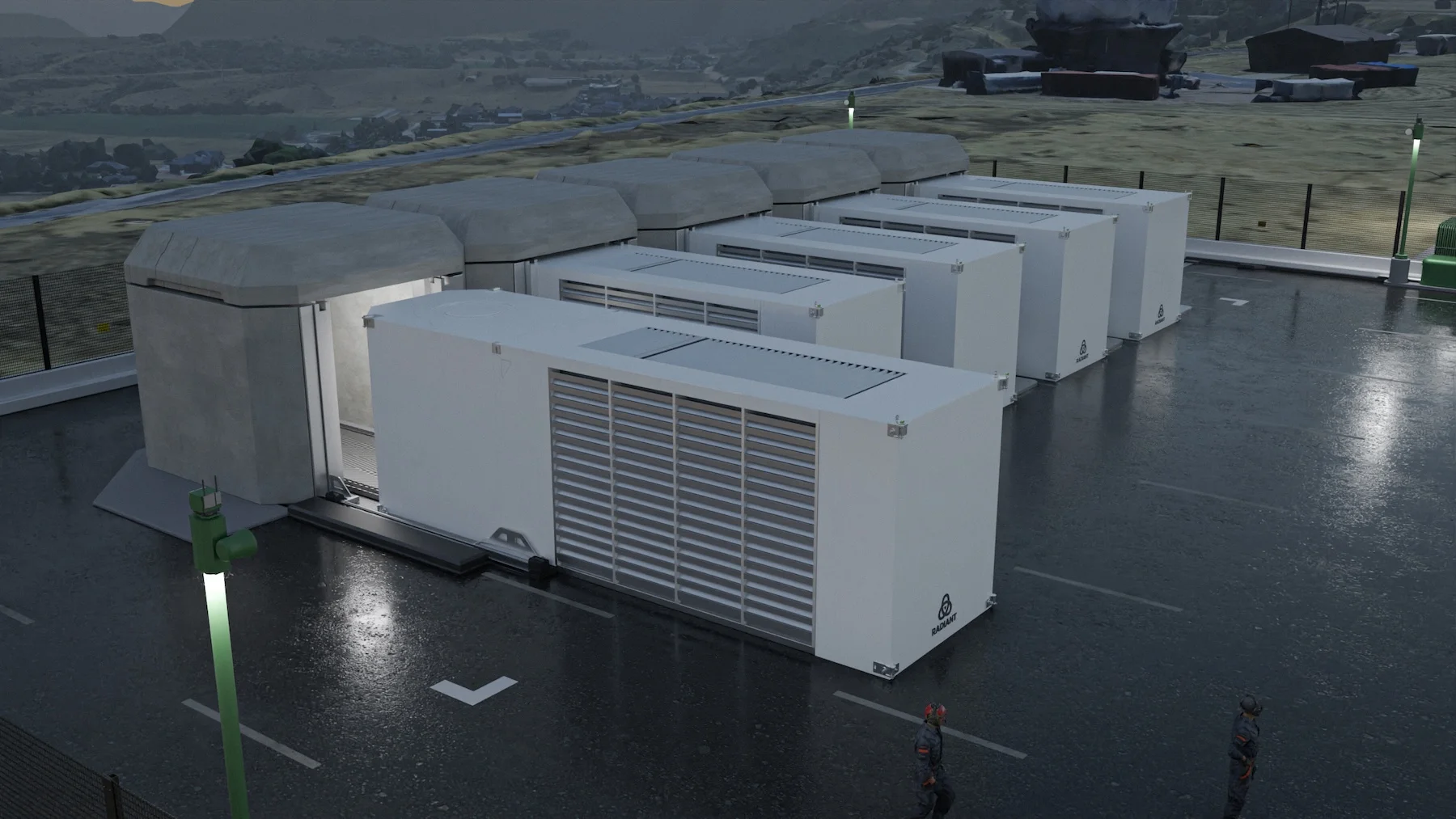
Instead of building enormous one-off plants that take years to complete, the company wants to roll these reactors out from an assembly line.
If all goes to plan, the first unit could fire up for testing at Idaho National Laboratory in 2026.
EXPLORE SBX CARS – Supercar auctions starting soon powered by Supercar Blondie
Introducing the world’s first nuclear reactor that’s mass-produced
Radiant’s big tech idea is surprisingly simple: treat nuclear fusion reactors more like easily transportable products and less like megaprojects.
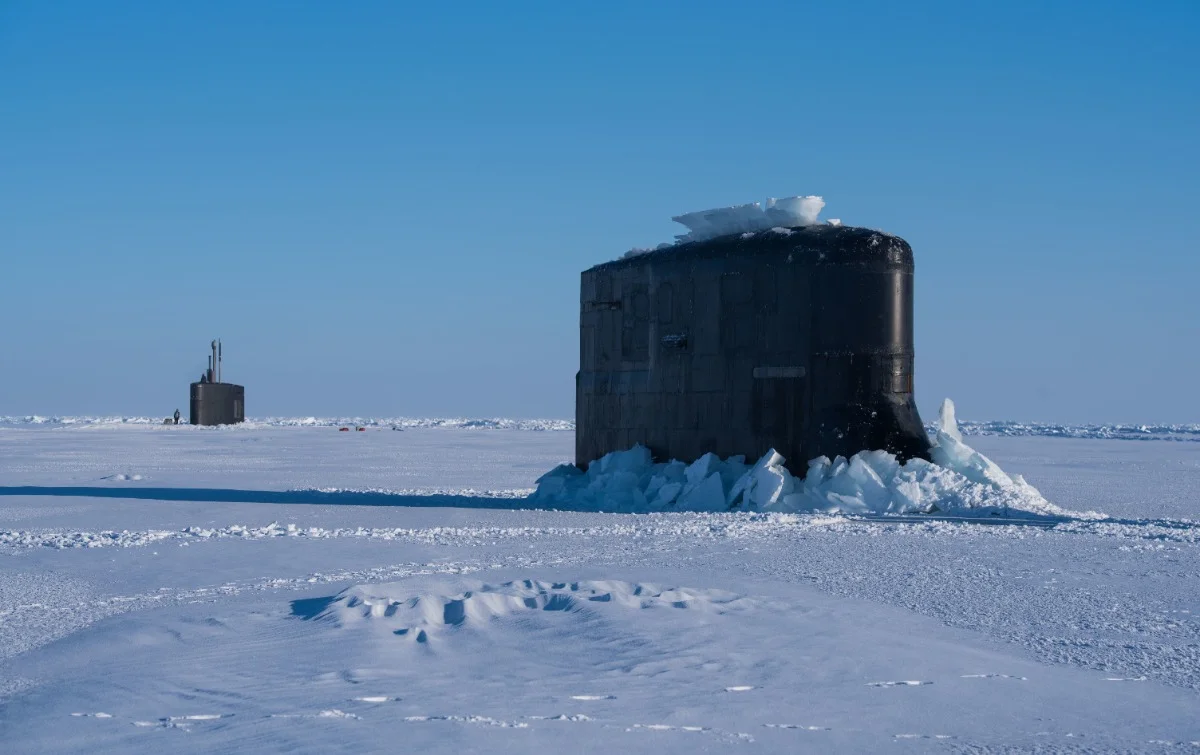
Kaleidos is a compact 1MW microreactor designed to be built in batches, shipped out, and switched on where power is desperately needed.
Picture remote communities, military bases, disaster zones, and industrial sites that currently rely on loud, fuel-hungry diesel generators.
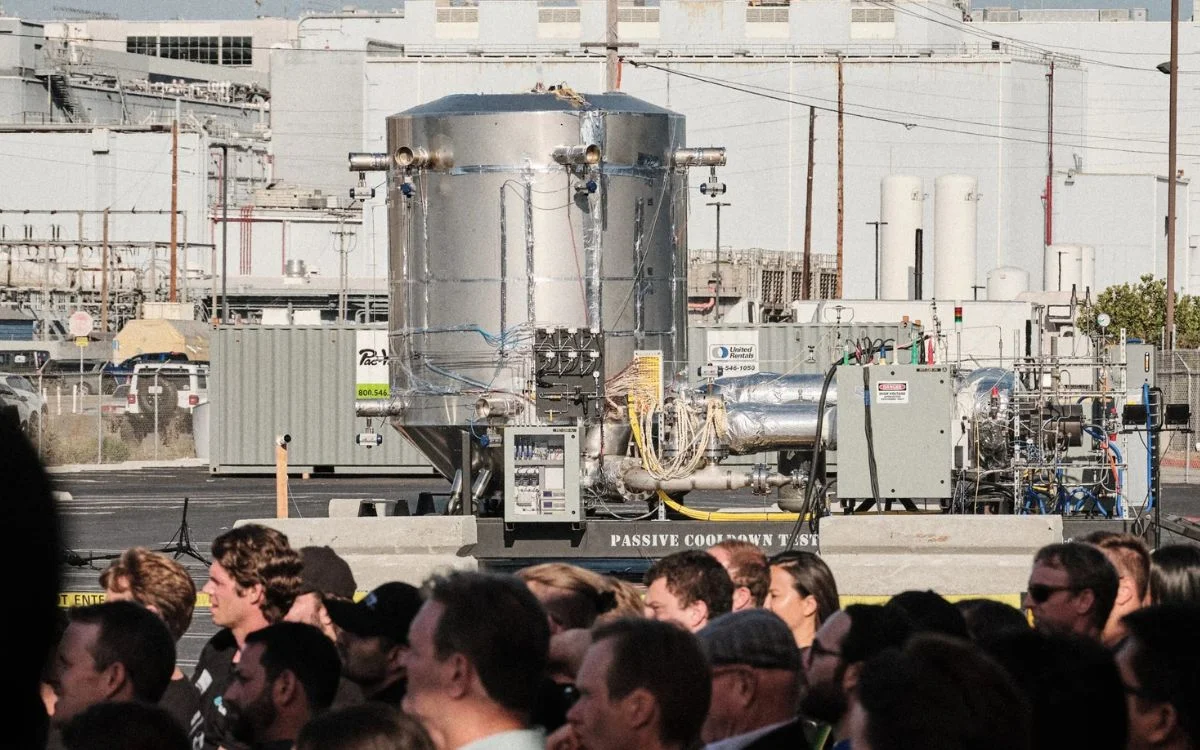
Kaleidos is designed to run for several years without refueling, cutting down on the need for constant fuel deliveries and maintenance headaches. It is essentially nuclear power in a much smaller, more flexible package.
The company had already cleared an earlier safety milestone for testing at the National Reactor Innovation Center’s DOME facility in Idaho.
That site serves as a launchpad for next-generation reactor tech, so getting through those reviews was no small feat.
Click the star icon next to supercarblondie.com in Google Search to stay ahead of the curve on the latest and greatest supercars, hypercars, and ground-breaking technology
It just passed a very important US safety approval test
The latest approval centers on a Preliminary Documented Safety Analysis review, which is a crucial box to tick before any reactor testing can begin.
The DOE signed off on Radiant’s safety documentation, confirming the design meets strict federal standards.
Only a handful of companies have made it this far under the DOE’s pilot microreactor pathway.
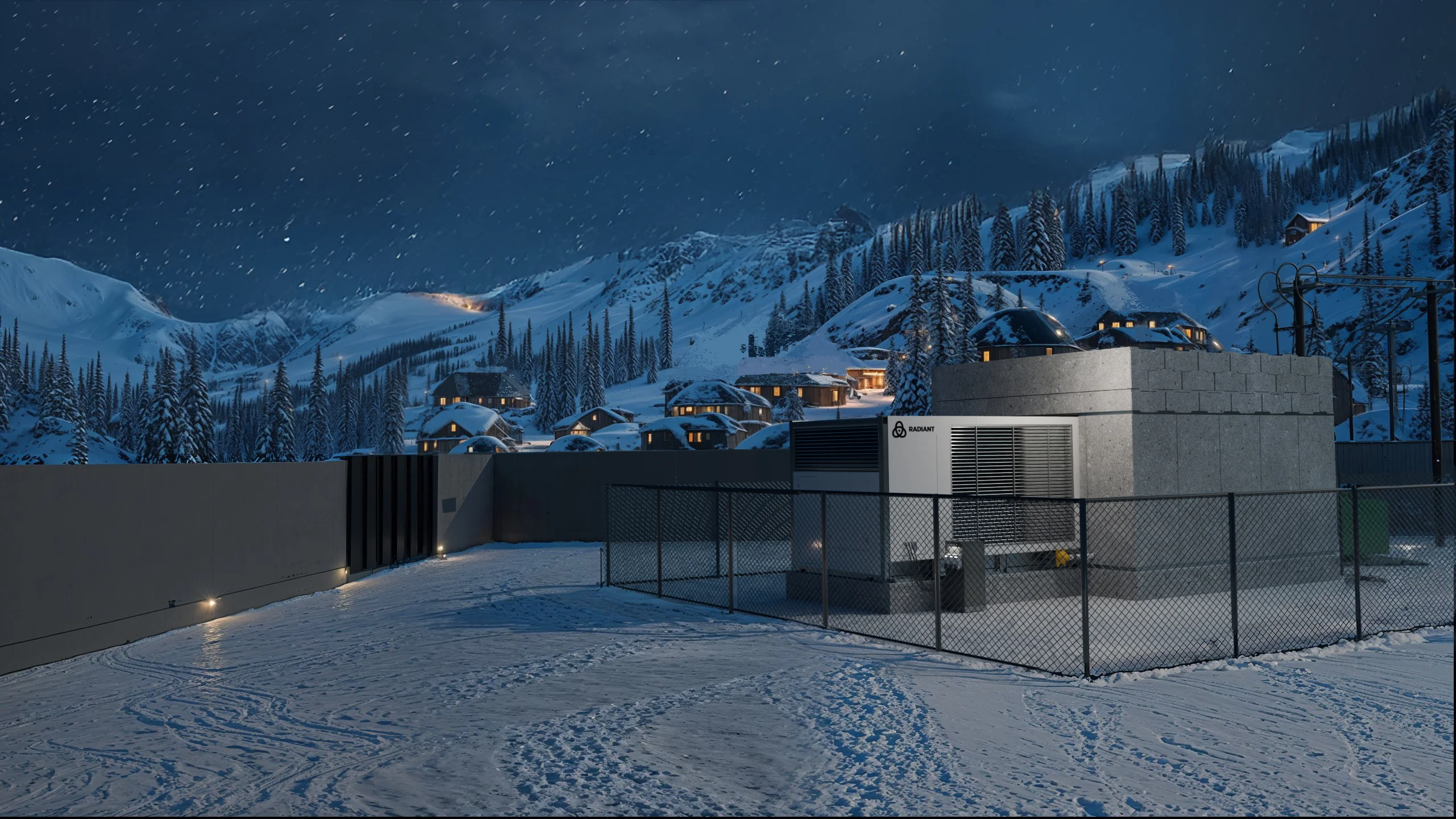
For Radiant, this approval is more than paperwork.
It is a serious vote of confidence in a nuclear reactor designed to be built faster, deployed smarter, and potentially reshape how nuclear energy is delivered.
The best of Supercar Blondie, every Sunday
The week's best car stories, straight to your inbox. Free.
Daisy is a technology and automotive journalist covering artificial intelligence, consumer tech, Apple news, cryptocurrency, emerging technologies, and transportation innovation. Since joining the team in 2025, she has reported on everything from AI-powered startups and major iOS updates to viral car stories and the latest developments shaping transportation and the digital economy. Drawing on her background in automotive journalism and a degree in History and Journalism from Goldsmiths, University of London, Daisy specializes in breaking down complex topics into clear, engaging reporting for a global audience. Her work spans cutting-edge technology, innovative vehicles, and the people driving change across both industries. Daisy has gained first-hand access to some of the world's most talked-about technologies and innovators, including meeting Tesla's Optimus humanoid robot during its first European appearance in London. She has also discussed the future of space exploration with an astronaut, bringing unique insights and real-world perspectives to her coverage of emerging technology.




