You can now watch the 2026 Winter Olympics from a first person perspective thanks to new drone tech
Published on Feb 11, 2026 at 9:02 AM (UTC+4)
by Jason Fan
Last updated on Feb 11, 2026 at 9:02 AM (UTC+4)
Edited by
Jason Fan
The 2026 Winter Olympics in Milano-Cortina are turning heads not just for thrilling athletic feats, but also for how the Games are being shown around the world.
Over the decades, Olympic broadcasts have steadily embraced new tech to bring fans closer to the action: from the leap to colour TV in 1968, to AI-enhanced replays in recent years.
At Tokyo 2020 and Beijing 2022, drones made occasional cameo shots, mainly for aerial vistas and crowd scenes.
But the way audiences will experience events from February 6–22, 2026 represents a bold next step in sports storytelling.
DISCOVER SBX CARS – The global premium auction platform powered by Supercar Blondie
The 2026 Winter Olympics is making sports more immersive than ever
In past Games, broadcasters relied on helicopters, jib cameras and fixed camera rigs to follow skiers, snowboarders and sliding athletes.
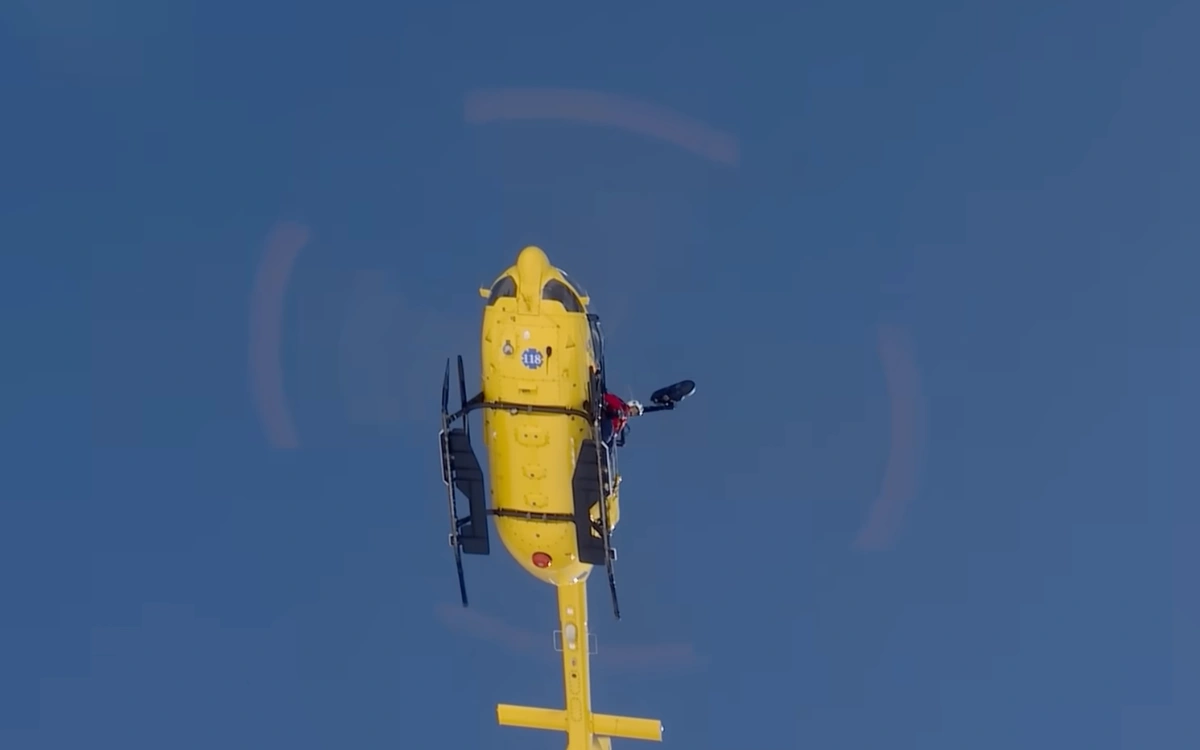
These systems delivered stunning visuals, but were limited in how dynamically they could track competitors moving at high speed down icy courses.
At Paris 2024, drones were used more frequently, and organizers experimented with 360-degree AI replay technology that stitched multiple angles seamlessly.
Now, for the first time at a Winter Olympics, broadcasters are deploying first-person-view (FPV) drones to chase athletes right along their lines.
This gives viewers almost a pilot’s eye perspective as skiers blaze down slopes or lugers hurtle through icy tracks.

These drones, equipped with purpose-built cameras and operated by expert pilots, bring a dramatic immediacy to the broadcast that traditional cameras simply cannot match.
Fans watching at home have been quick to notice.
Many viewers have raved about how these FPV drone shots feel like a ‘real-life video game,’ making downhill skiing, snowboarding and luge feel more immersive than ever before.
Some social media reactions have praised the technology for capturing speed, angle and perspective in ways that make everyday TV coverage feel flat by comparison.
Click the star icon next to supercarblondie.com in Google Search to stay ahead of the curve on the latest and greatest supercars, hypercars, and ground-breaking technology
Not everyone is sold on the idea
One common complaint is the high-pitched buzzing noise that drones sometimes bring into the broadcast audio, which some fans feel distracts from natural event sounds like skis on snow or crowd cheers.
Tech commentators and Reddit threads show viewers torn between loving the visuals, and lamenting the intrusive drone hum.
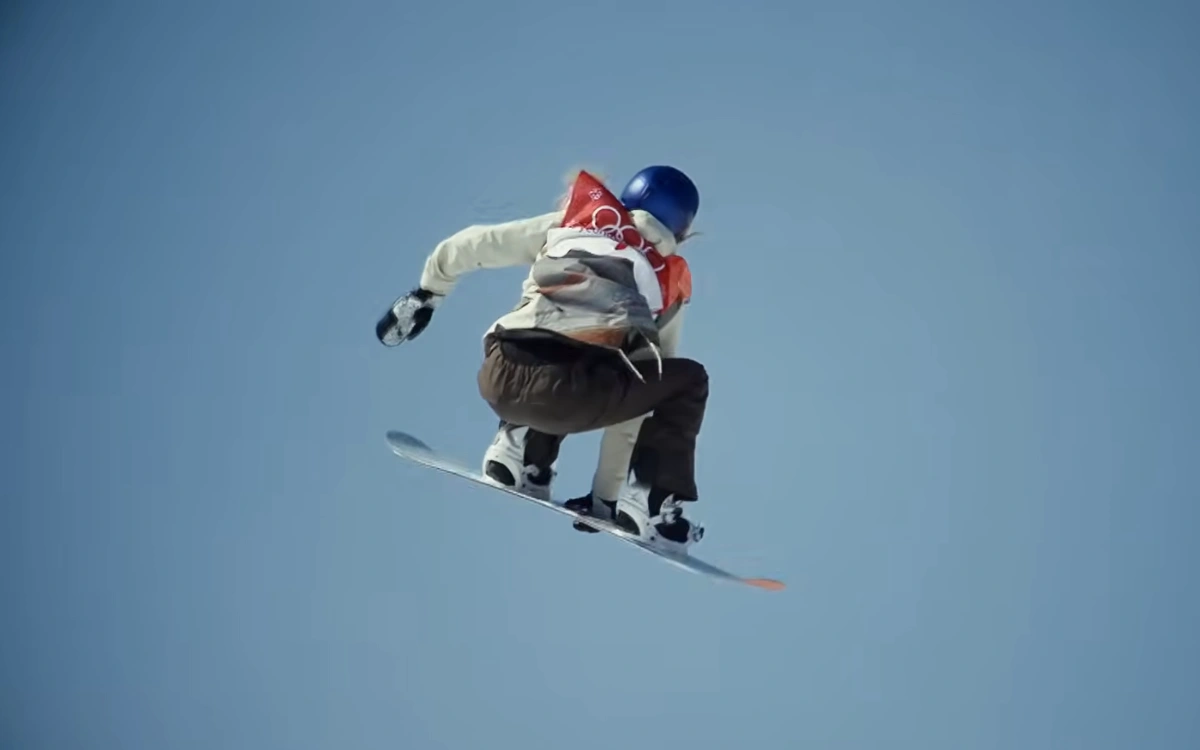
Organizers and the International Olympic Committee insist the drones do not disrupt athlete performance, and have been integrated with safety protocols that protect competitors and fans alike.
The IOC’s sports director said the tech is part of an intentional evolution to enhance the spectator experience, even if it takes getting used to.
As the 2026 Winter Olympics continue, these new drone perspectives are sparking conversation about the future of sports broadcasting.
Perhaps in the near future, cutting-edge Olympics coverage could become the new normal for live sporting events everywhere.
DISCOVER SBX CARS: The global premium car auction platform powered by Supercar Blondie
Jason joined the editorial team at Supercar Blondie in April 2025 as a Content Writer. As part of the growing editorial team working in Australia, and in synergy with team members in Dubai, the UK, and elsewhere in the world, he helps keep the site running 24/7, injecting his renowned accuracy and energy into every shift.