Zinc-air battery breaks records by surviving 3,570 charges over 74 continuous days
Published on Sep 24, 2025 at 4:12 PM (UTC-4)
by Ben Thompson
Last updated on Sep 25, 2025 at 4:22 AM (UTC-4)
Edited by
Kate Bain
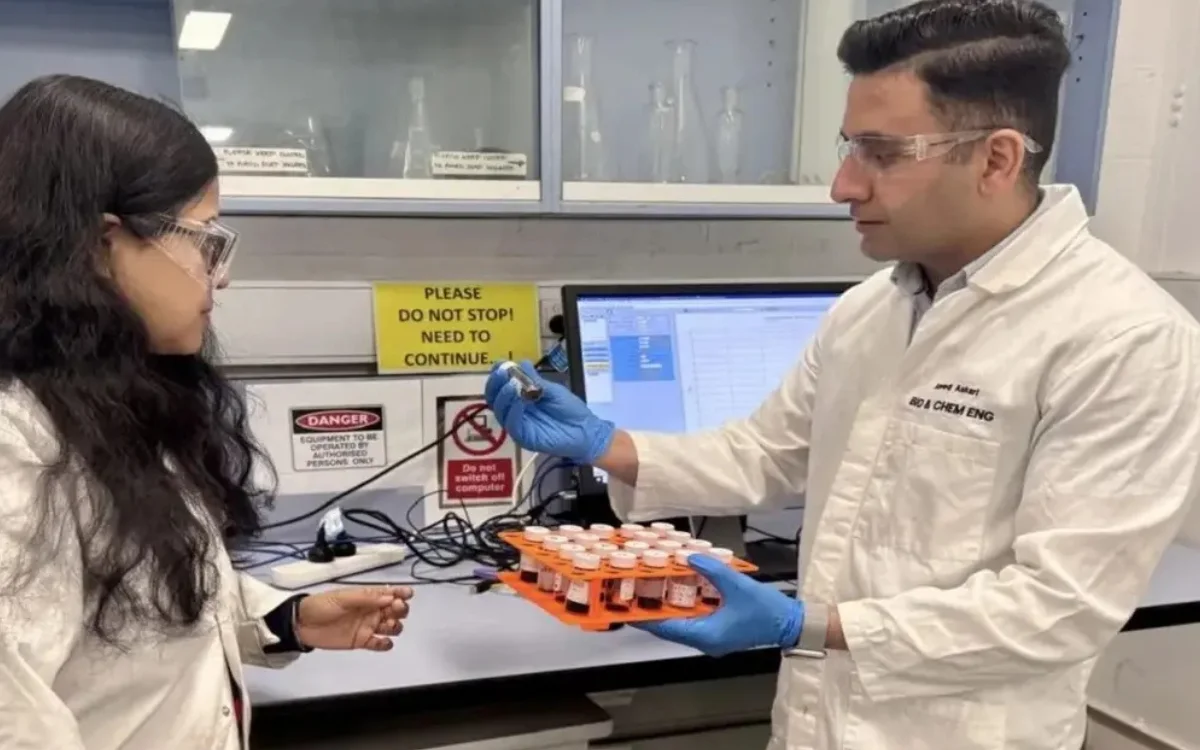

This zinc-air battery has broken records by surviving 3,570 charges over 74 continuous days.
Scientists at Australia’s Monash University have provided us with a potential breakthrough that could make a massive difference for clean energy storage.
This zinc-air battery makes use of heat-treated 3D materials and atomic-level cobalt doping.
Among the benefits that come with this technology is greater power, an extended lifespan, and lower costs.
EXPLORE SBX CARS – Supercar auctions starting soon powered by Supercar Blondie
What is a zinc-air battery?
First off, let’s clear up what zinc-air batteries are.
These electrochemical cells are powered by the oxidation of zinc metal with oxygen from the air.
The zinc side (the anode) slowly reacts and releasing electrons.
Oxygen from the air enters the battery and reacts with the electrons flowing through the circuit.
The movement of these electrons from zinc to oxygen is what powers the device.
But what’s the benefit?
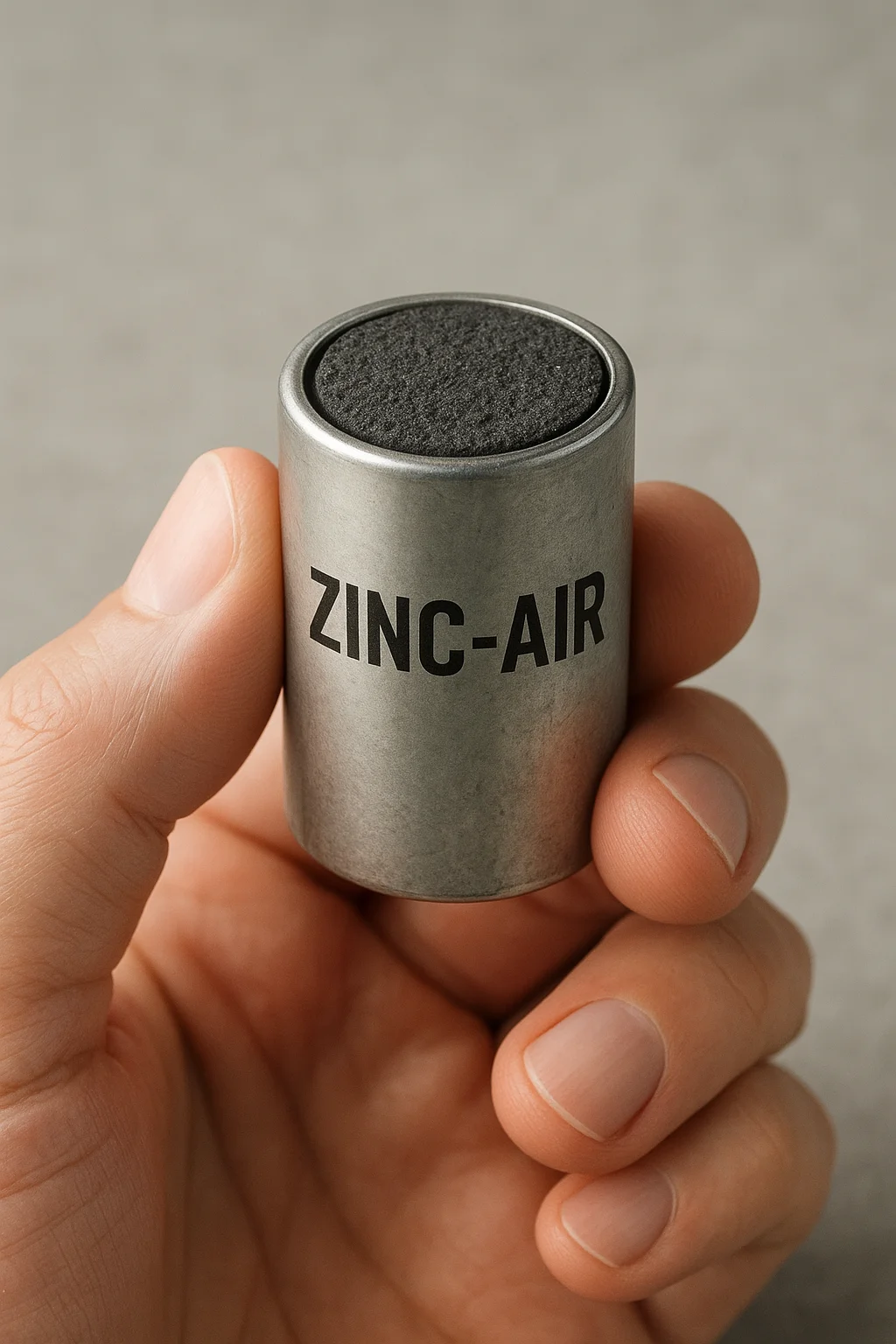
It’s been touted as having several benefits, including high energy density and low cost.
They’re also better for the environment as zinc has a long lifespan, is recyclable, and has low energy requirements compared to other metals.
Up until now, zinc-air batteries had generally been non-rechargeable.
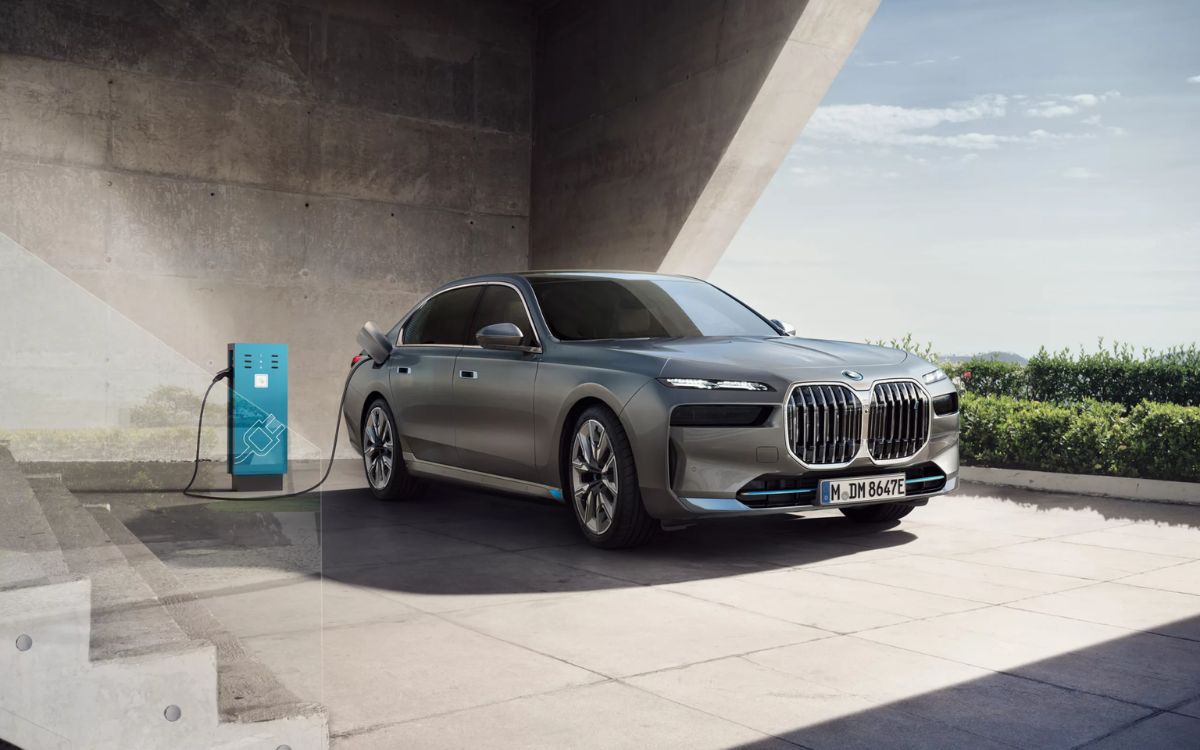
Making them rechargeable would open them up to use in EVs and large-scale energy storage.
The two problems facing the zinc-air battery in being rechargeable were its limited output power and poor charge-discharge stability.
To address that, the engineers at Monash University utilized heat treatment to turn 3D material into carbon-sheets and added cobalt atoms to produce a faster and more efficient product, Interesting Engineering reported.


What will they be able to power?
The fruits of their labor was a battery that lasted 74 days and endured 3,570 charging cycles.
Cobalt and iron were the cathode material, meaning they made up the part of the battery where the electrons enter.
“Our advanced simulations revealed that the cobalt-iron atom pairs, combined with nitrogen dopants, enhance charge transfer and optimize reaction kinetics, solving one of the biggest bottlenecks for rechargeable zinc-air batteries,” PhD student Saeed Askari explained.
“By engineering cobalt and iron as individual atoms on a carbon framework, we achieved record-breaking performance in zinc-air batteries, showing what is possible when catalysts are designed with atomic precision.”
This could move zinc-air batteries from use in small devices like hearing aids into high-power applications.
It’ll be in good company with all the other innovative batteries that have been rolled out in recent years.
There’s the sodium-ion EV battery that is ‘set to rewrite the entire industry’.
And the elusive solid-state battery has long been a source of interest for the car industry.
Scientists have even come up with a way to create EV batteries using extracts from shellfish.
There’s no limit to what scientists are willing to try in the pursuit of eco-friendly batteries.
Ben joined Supercar Blondie in February 2025 after being published by international organizations including LADbible, The Sun, the New York Post, and the Daily Mail. He covers supercars, rare and collectible vehicles, aviation, luxury assets, and the fascinating people behind them. His reporting has explored everything from seven-figure supercars and historic Ferrari collections to unusual aircraft adventures and extraordinary automotive discoveries from around the world. Ben has also gained first-hand insight into vehicle craftsmanship and customization, including visiting specialist workshops to see bespoke vehicles up close.




