Tennessee man buys new 2014 SRT Viper GTS for $134,080 and sells it for impressive 36% profit after driving 799 miles
Published on Nov 08, 2026 at 8:56 AM (UTC-5)
by Alessandro Renesis
Last updated on Nov 08, 2026 at 8:56 AM (UTC-5)
Edited by
Ben Thompson
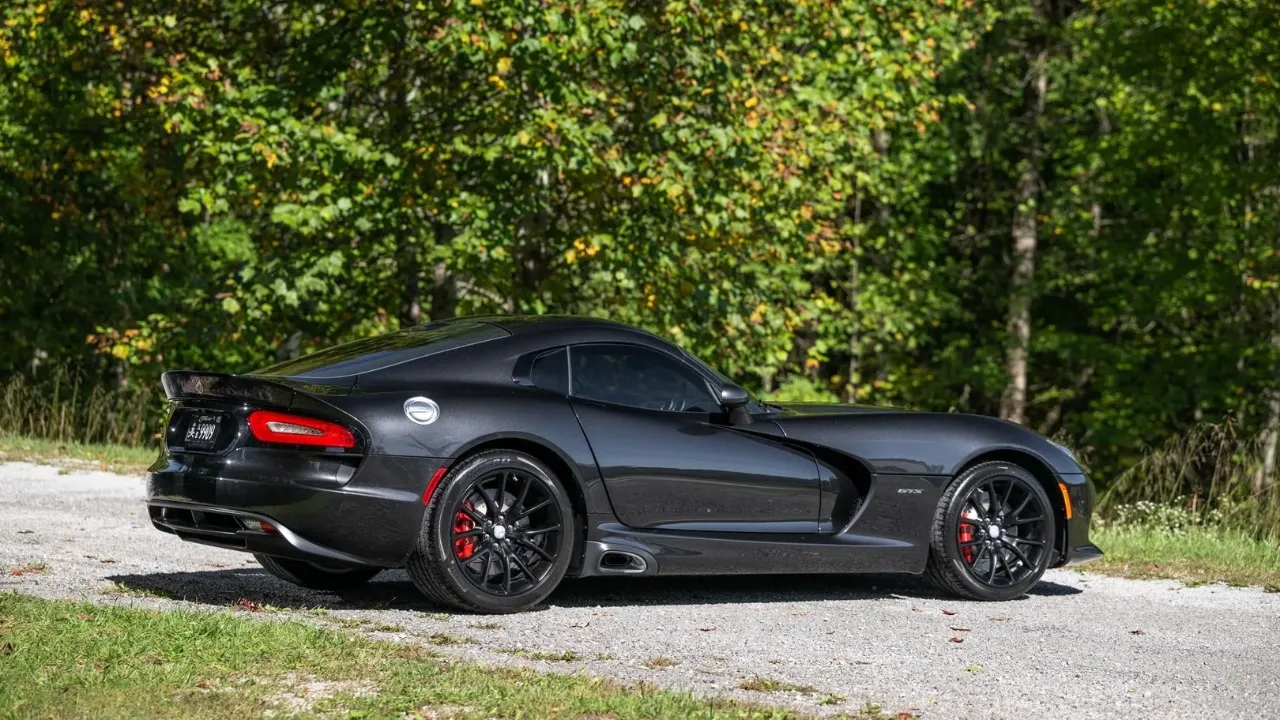

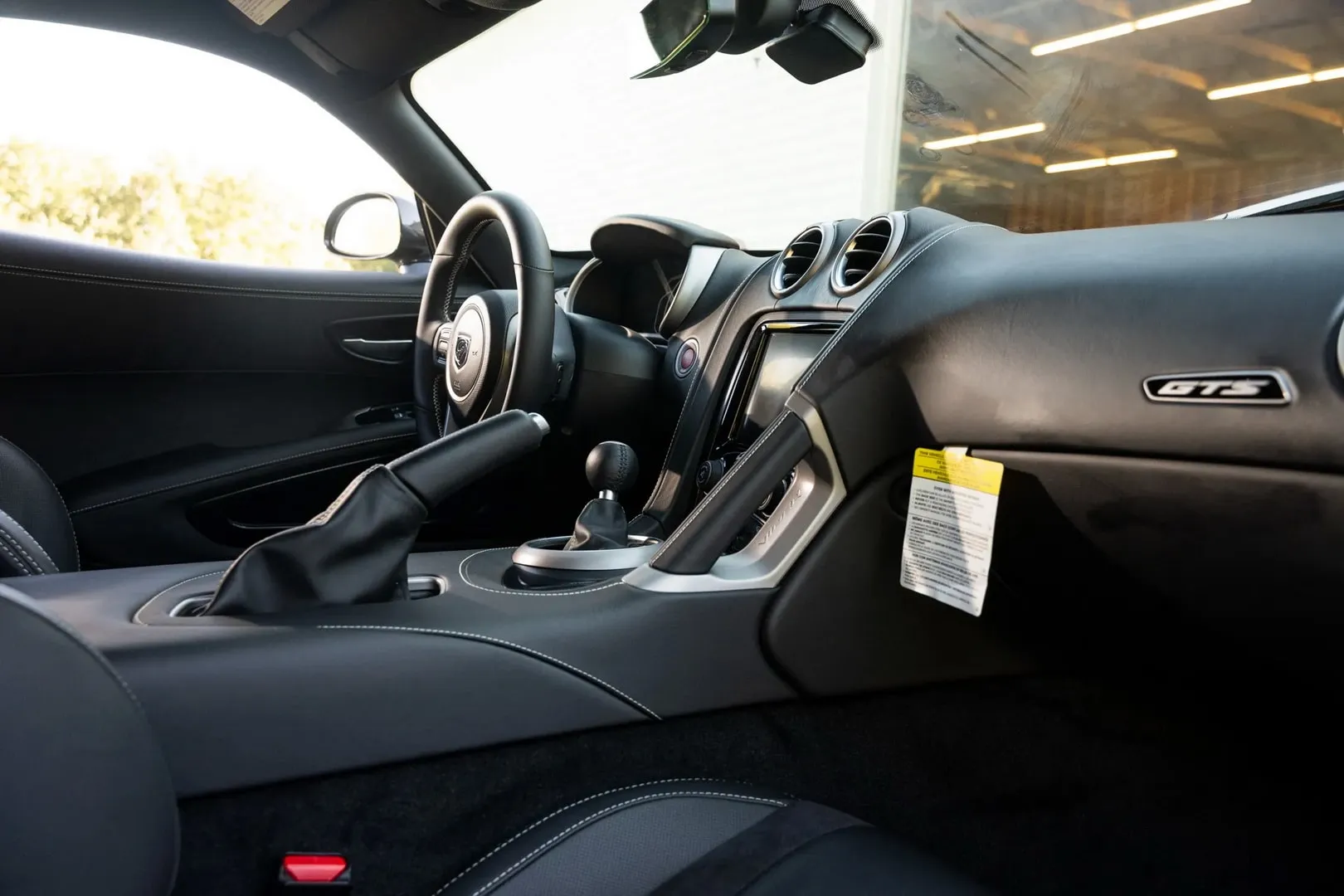
Somebody bought a 2014 SRT Dodge Viper GTS for around $130,000 and then, years later, made a small fortune flipping it.
Apparently, this guy only drove his muscle car/supercar for 799 miles before selling it.
And when the gavel dropped, the selling price was a lot more than $130,000.
Not a bad deal, but it just goes to show that, when it comes to Dodge Vipers, maybe the market is finally changing.
This car actually struggled to shift units in the beginning
When Dodge and its SRT performance division re-introduced the iconic Viper GTS for the 2013 and 2014 model years, finding eager buyers was surprisingly difficult.
Despite boasting classic American supercar credentials, early Gen V Vipers lingered on dealership lots, moving relatively slowly against competitors like the Chevy Corvette or even high-value Ford Mustangs or Dodge Challengers.
But we all know how these things work: underrated, undervalued vehicles often command premium prices years later at auction.
And that’s exactly what happened here.
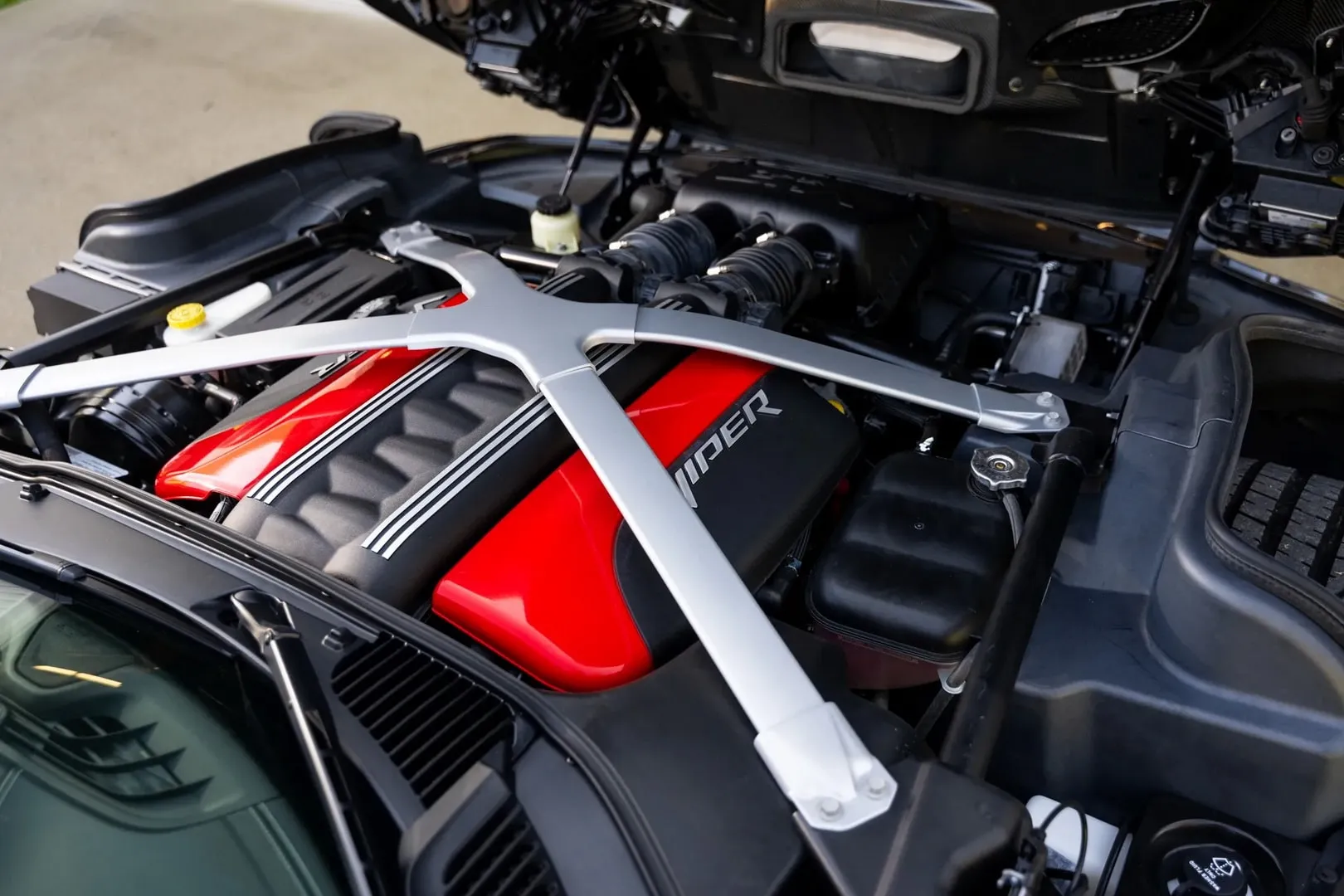
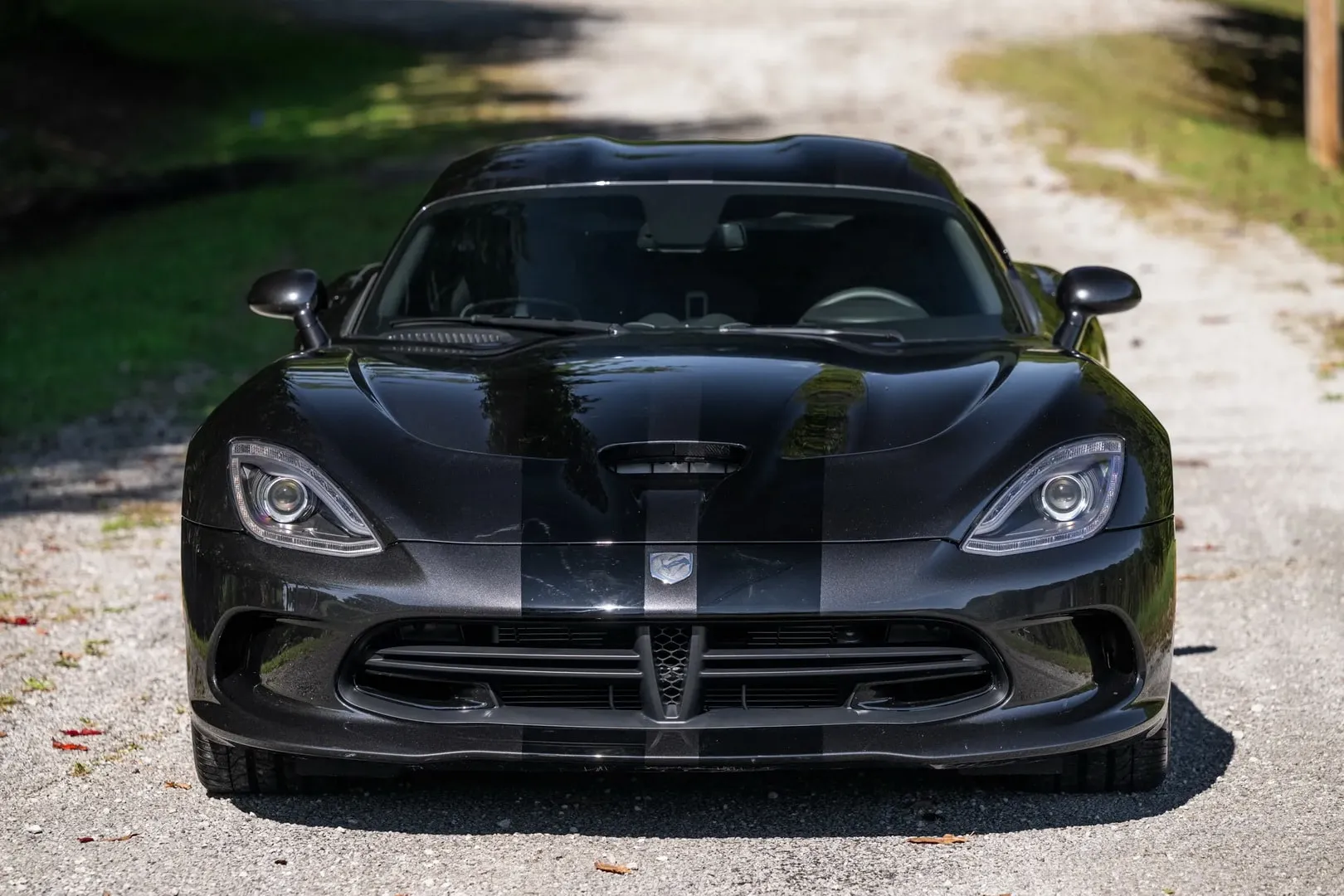
This guy turned a 36 percent profit on his Viper
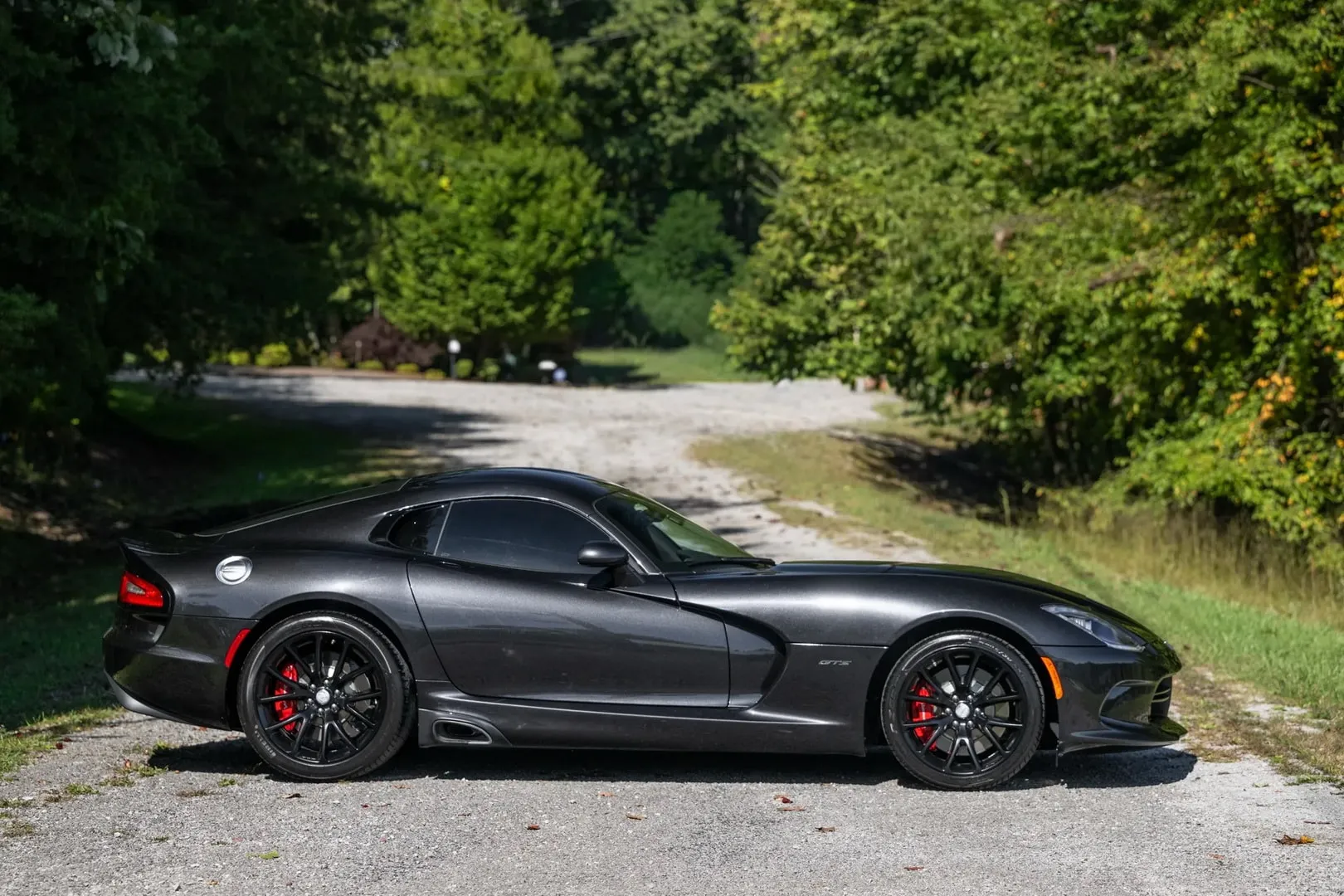
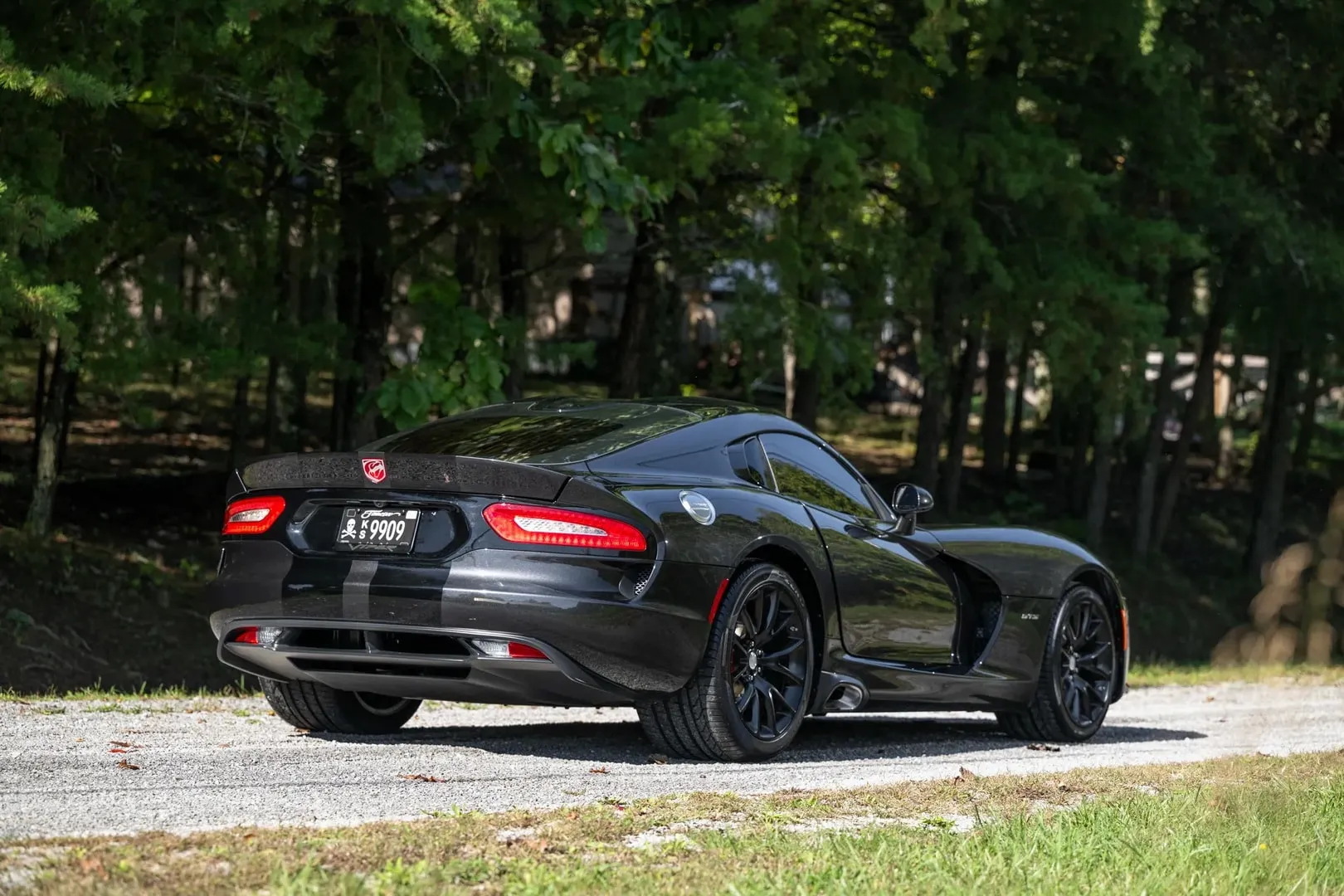
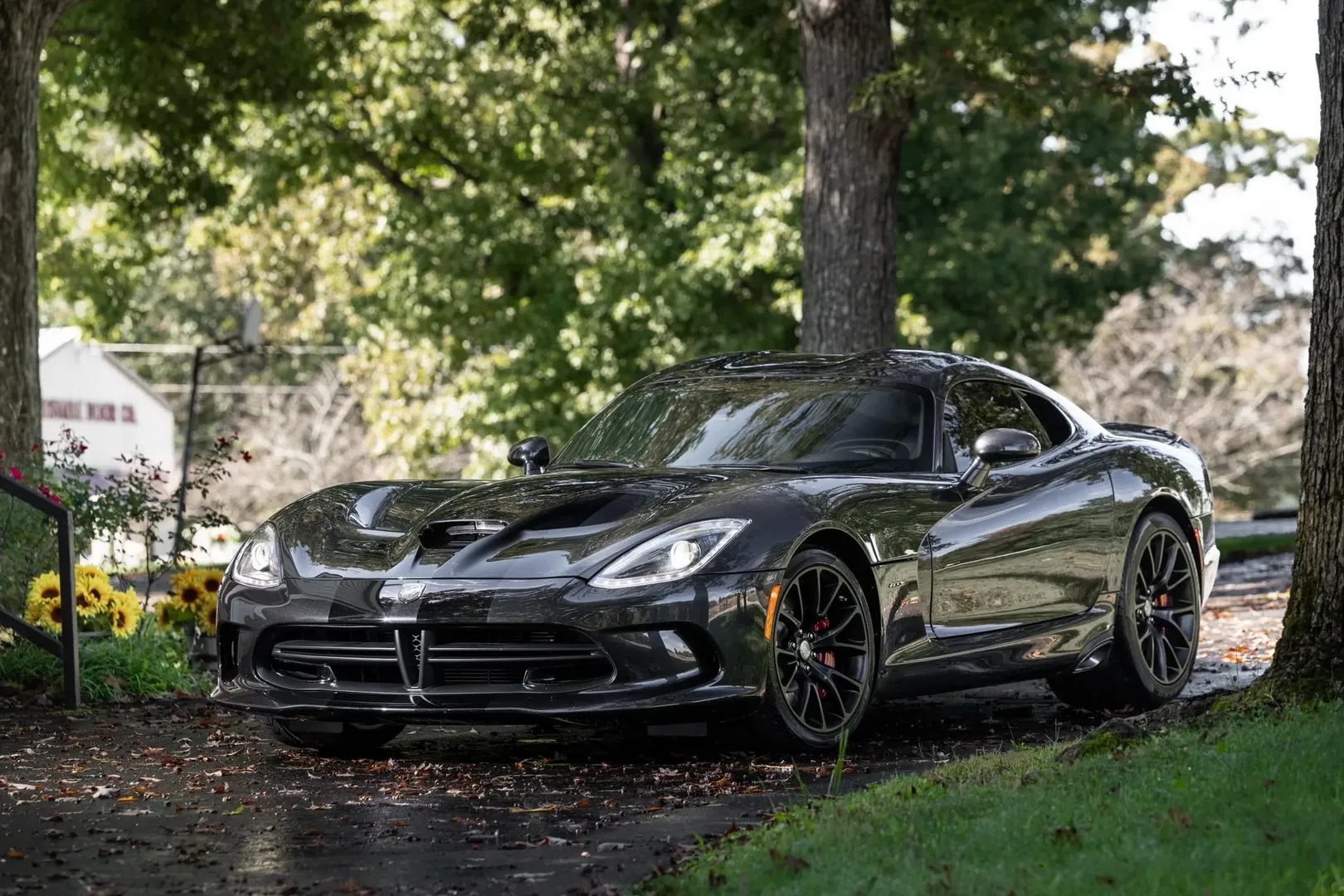
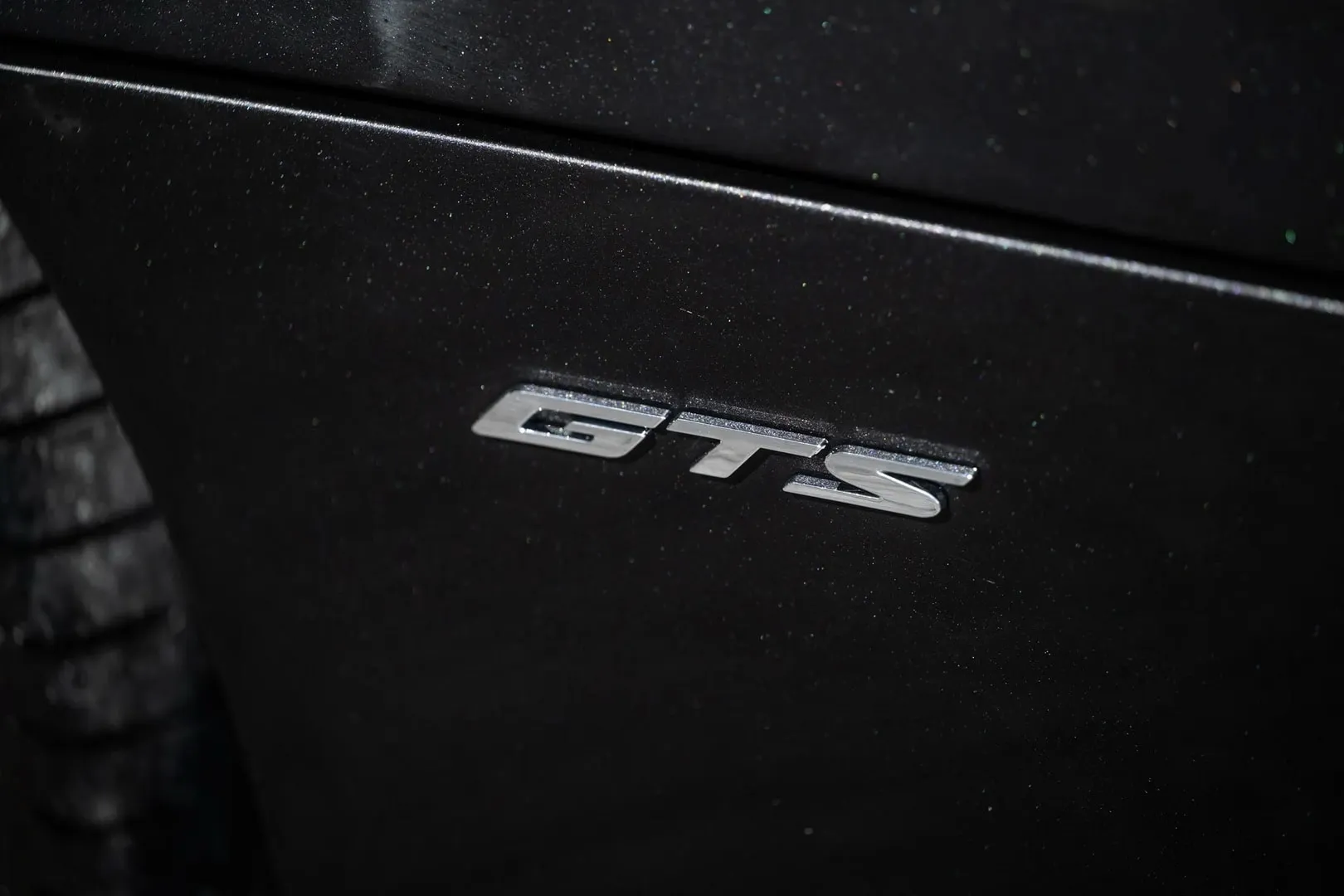
A striking 2014 SRT Viper GTS finished in Gunmetal Pearl with contrasting black racing stripes recently crossed the auction block, commanding a massive $183,000.
Back when the original owner purchased the vehicle brand new from an East Tennessee dealership, the window sticker showed a retail price of $134,080.
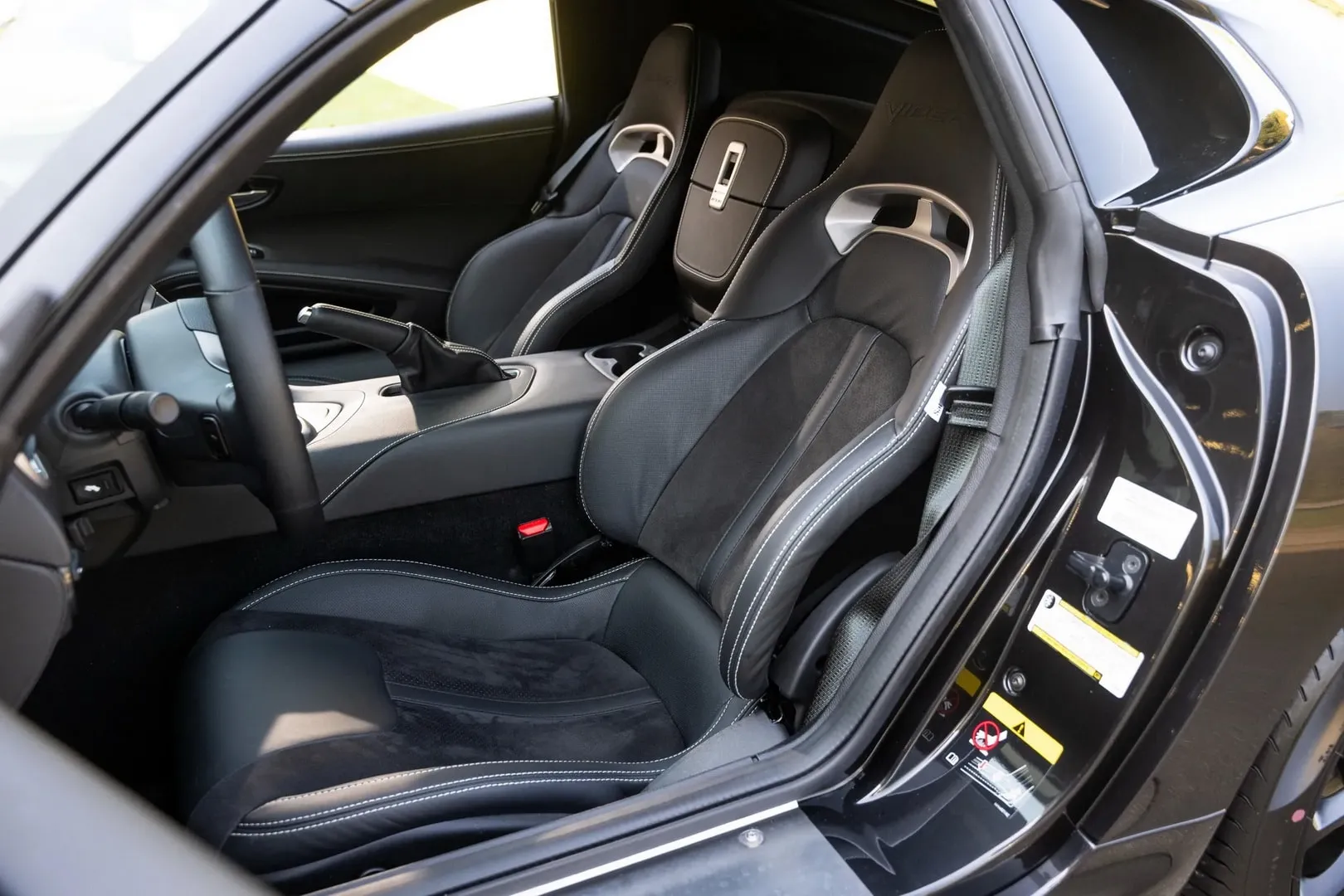
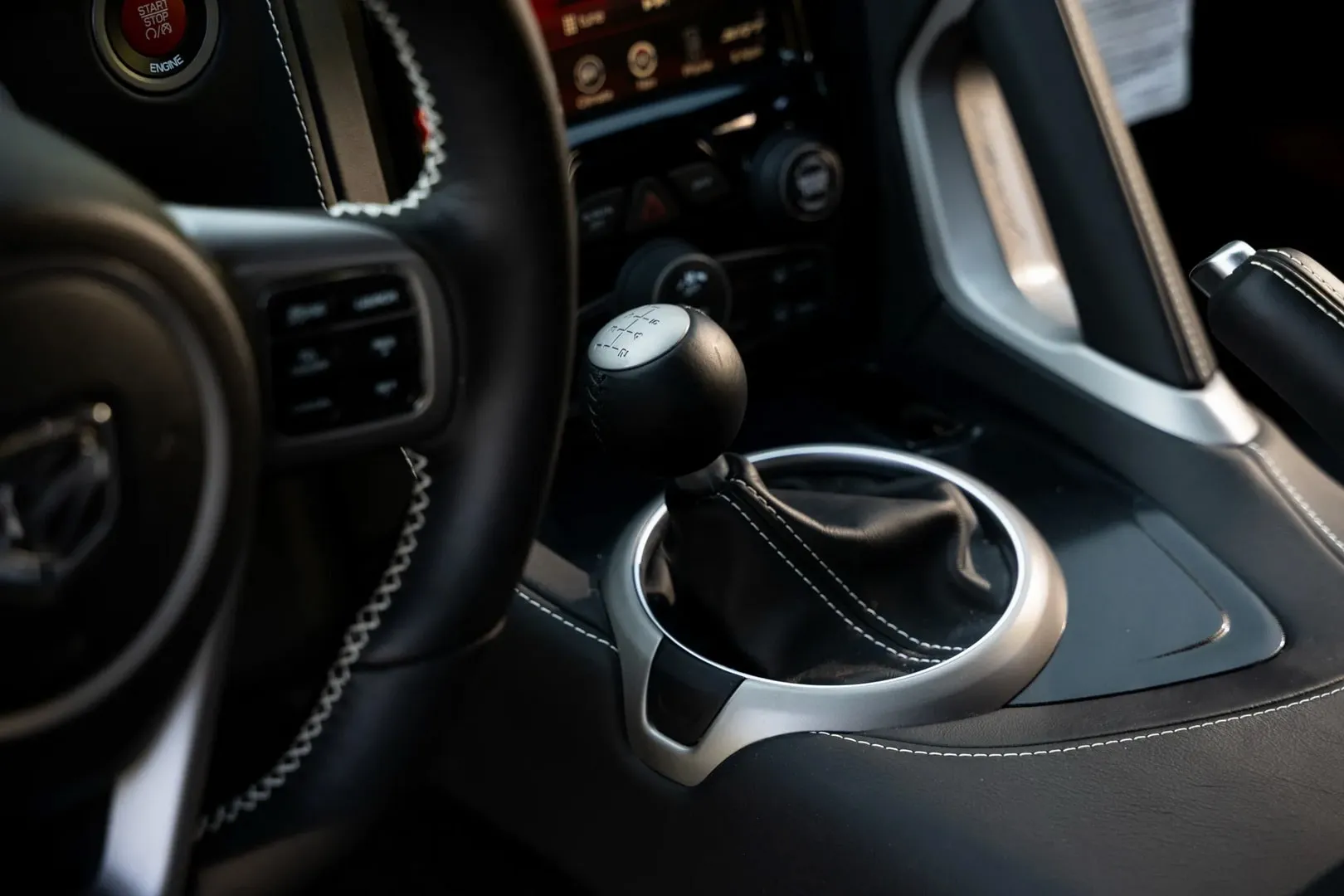
That works out to around $50,000 in profit, or a 36.5 percent appreciation bump.
That translates to an increase of roughly $61 in value for every single mile driven.
Not a bad deal considering the owner only drove this Dodge Viper GTS for 799 miles in total.
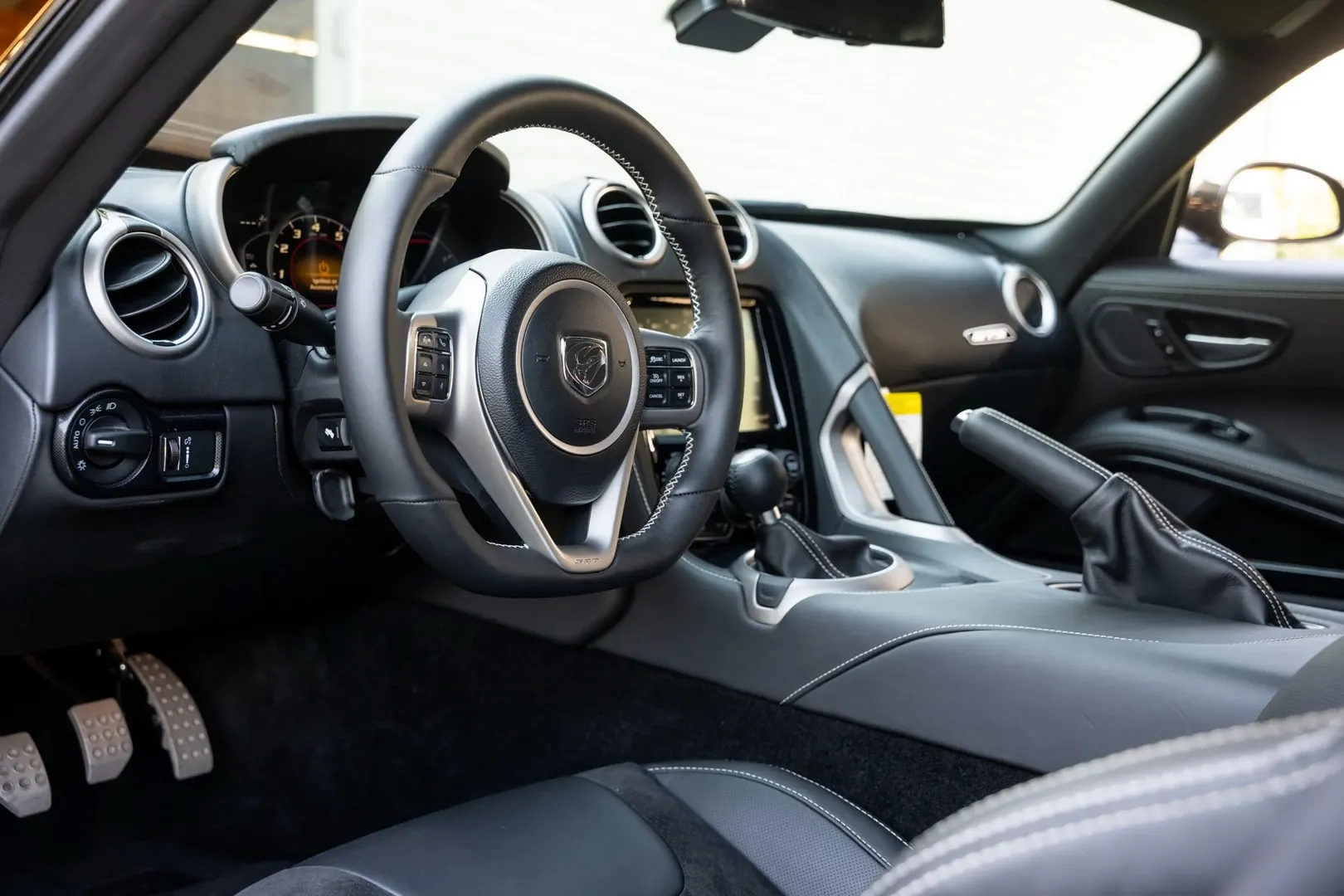
The sad news is that this means the wonderful hand-assembled, naturally aspirated 8.4-liter V10 engine has barely been used.
Pity.
The Dodge Viper is a permanent sleeper
Maybe it’s because it’s a lot more common than we think, but the Viper is like a permanent sleeper.
The first Viper was famously engineered using a combination of bits coming from trucks and components borrowed from Lamborghini.
Even though it evolved over time, this vehicle remained relatively simple and unsophisticated.
This analog quality to it is generally appreciated in the market, but it took forever to take off.
Maybe it is the fact that it isn’t rare: nearly 32,000 were built.
Still, whatever the reason, the Dodge Viper always seems to underperform in the market.
Despite boasting raw American supercar specs – like the fifth-generation’s monstrous 8.4-liter V10 pushing 640 horsepower – early Gen V models frequently languished on dealer lots, struggling to sell near their initial $130,000 MSRPs.
The silver lining – or not, depending on if you already own one or if you want one now – is that secondary market metrics show this sleeping giant is waking up.
Clean, low-mileage fifth-gen (2013–2017) Vipers now average $140,000 to $180,000+ at auction, and even early 1990s Gen I and Gen II models have climbed back above their original sticker prices.
It gets better with track-focused ACR variants: these regularly clear $200,000 to over $300,000.
The best of Supercar Blondie, every Sunday
The week's best car stories, straight to your inbox. Free.
Alessandro is an automotive journalist with 10 years of experience covering supercars, automotive history, emerging vehicle technology, and luxury transportation. He wrote the first article published on SupercarBlondie.com when the website launched in 2022 and has since built a reputation for insightful reporting across the automotive and transportation industries. His expertise is grounded in hands-on experience. Alessandro has driven every Tesla model ever produced, from the original Roadster to the Cybertruck, and regularly covers the latest developments in electric vehicles and automotive innovation. His passion for transportation extends beyond cars, he has even flown a Boeing 787 Dreamliner simulator in Addis Ababa, Ethiopia. His reporting spans everything from classic American muscle cars and rare automotive discoveries to luxury yachts, private aircraft, high-end watches, and cutting-edge vehicle technology. Known for his deep knowledge of automotive history and ability to uncover the stories behind iconic vehicles, Alessandro brings readers a blend of historical context, technical expertise, and first-hand experience.