Tesla Cybercab could be one of the cheapest vehicles ever to operate per mile
Published on Jan 26, 2026 at 2:30 PM (UTC+4)
by Jack Marsh
Last updated on Jan 23, 2026 at 9:33 PM (UTC+4)
Edited by
Emma Matthews

In its continued bid to undercut public transport and regular commuting methods, Elon Musk has stoked the fire by all but confirming that the Tesla Cybercab could be one of the cheapest vehicles ever to operate.
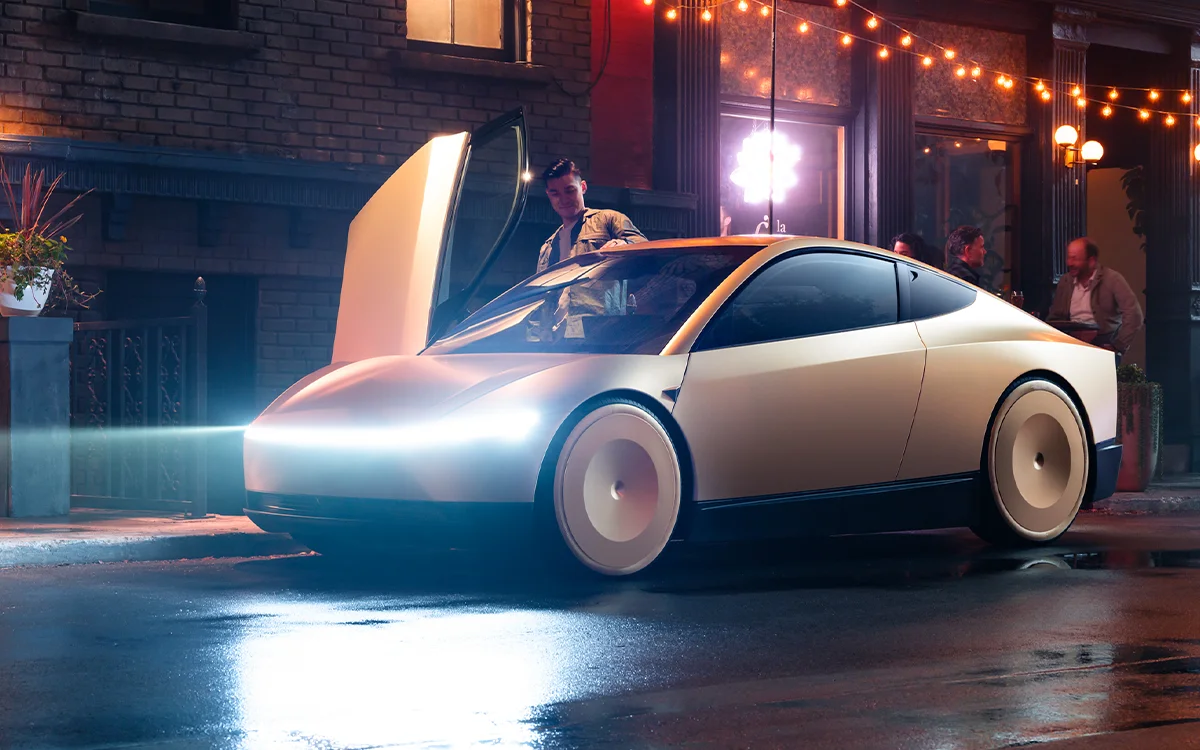
The Cybercab looks expensive. Prototypes of the electric autonomous vehicle show it decorated in a rich gold color with futuristic features straight out of the year 2050.
But as soon as the curtain was raised on the car during ‘We, Robot’ day in 2024, the company pledged that it would be an extremely cheap mode of transport.
It seems the Tesla Cybercab is committed to being the cheapest method of commuting the world has seen, as Elon Musk kind of confirmed reports that it would undercut rivals, even challenging bus and underground fees.
VISIT SBX CARS – View live supercar auctions powered by Supercar Blondie
Elon Musk says that the Tesla Cybercab being the cheapest vehicle ever to run is ‘probably true’
It was first teased back in May 2024, and later revealed in typically Tesla fashion during the brand’s We, Robot event that generated a lot of hype around this dedicated vehicle for autonomous taxi service.
From the get-go, the claim was that the Tesla Cybercab would be a cheaper alternative to buses, and would use the best autonomous tech ever to take you directly from A to B, proving more cost-effective and time-effective.
Having claimed that no one will need public transport once the Cybercabs are operation, it actually looks as though Tesla might make good on one of its Owner’s promises. In a few years, anyway.
A report from ARK Invest suggested that the Cybercab will cost just $0.20 per mile to run, which, by 2030, will be one of the cheapest vehicles ever to operate.
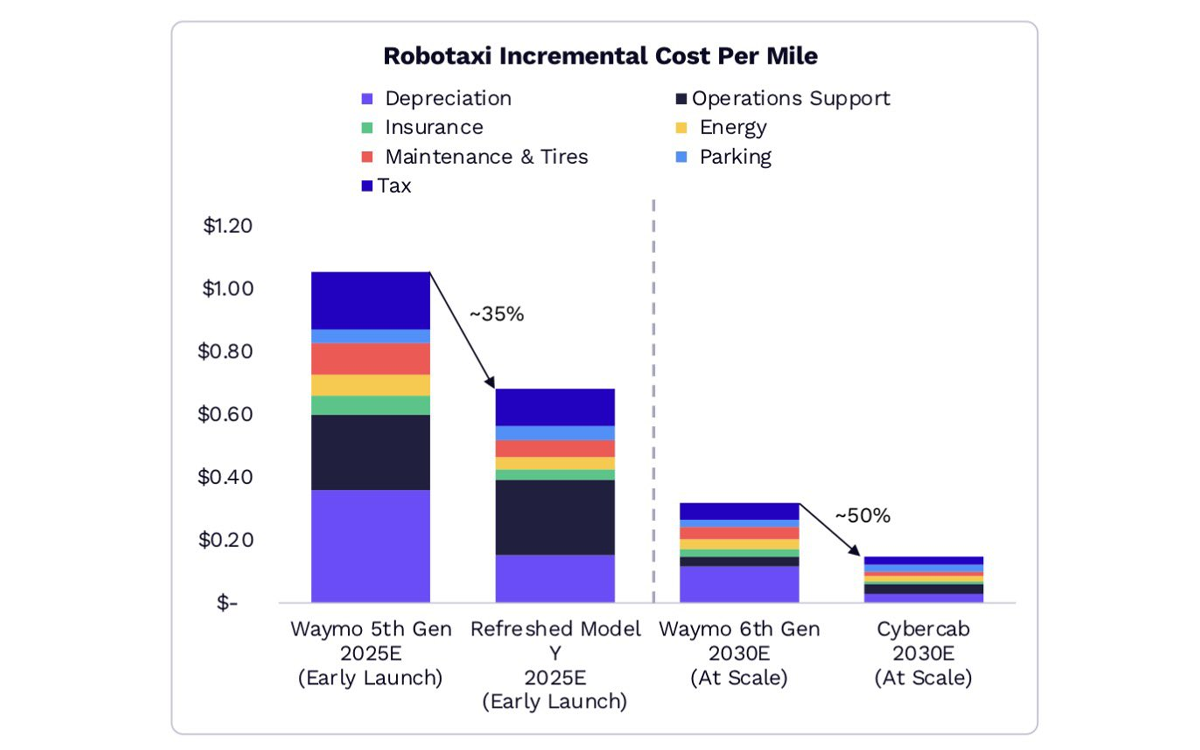
The report suggests it will be a third of the price to operate as the current refreshed Model Y is now, and will be twice as cheap as the 6th Gen Waymo in 2030.
In comparison, AAA claimed that the average Uber and Lyft rideshares often cost over $1 per mile, making it five times higher than the cost Tesla Cybercab aims to achieve.
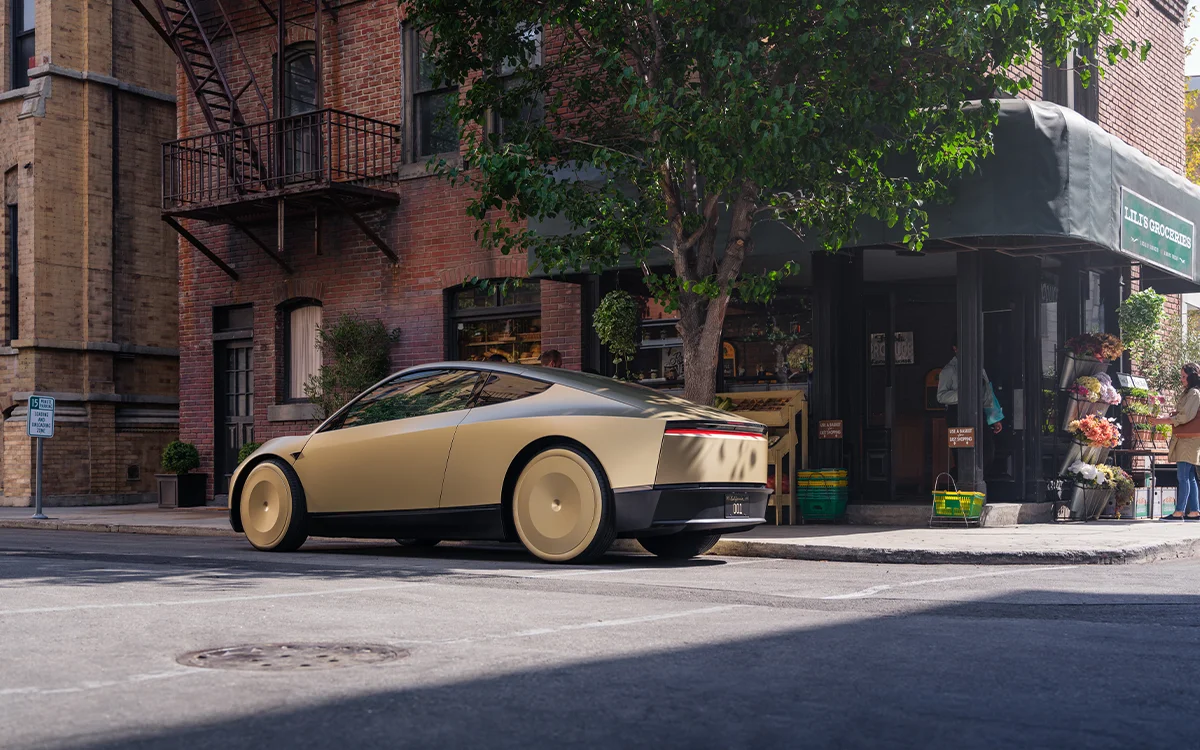
Reportedly only worth $30,000, the Cybercab will rely on cost-effective parts, including a lack of glass and mass-produced bodywork.
The company also aims to be toying with prototypes that offer around six miles per kWh, which makes it one of the most efficient cars too.
And, of course, the autonomous nature eliminates your driver’s fee.
Click the star icon next to supercarblondie.com in Google Search to stay ahead of the curve on the latest and greatest supercars, hypercars, and ground-breaking technology
When is the Cybercab coming?
As to when the Cybercab will be available, that’s still up for debate.
In fact, just recently, the car hit two major roadbumps as the company lost its patent to the naming rights, and National Highway Traffic Safety Administration paperwork wasn’t filed correctly.
However, the company claims it is still on course for its Q2, 2026 release, despite still being a way off from having the finished article.
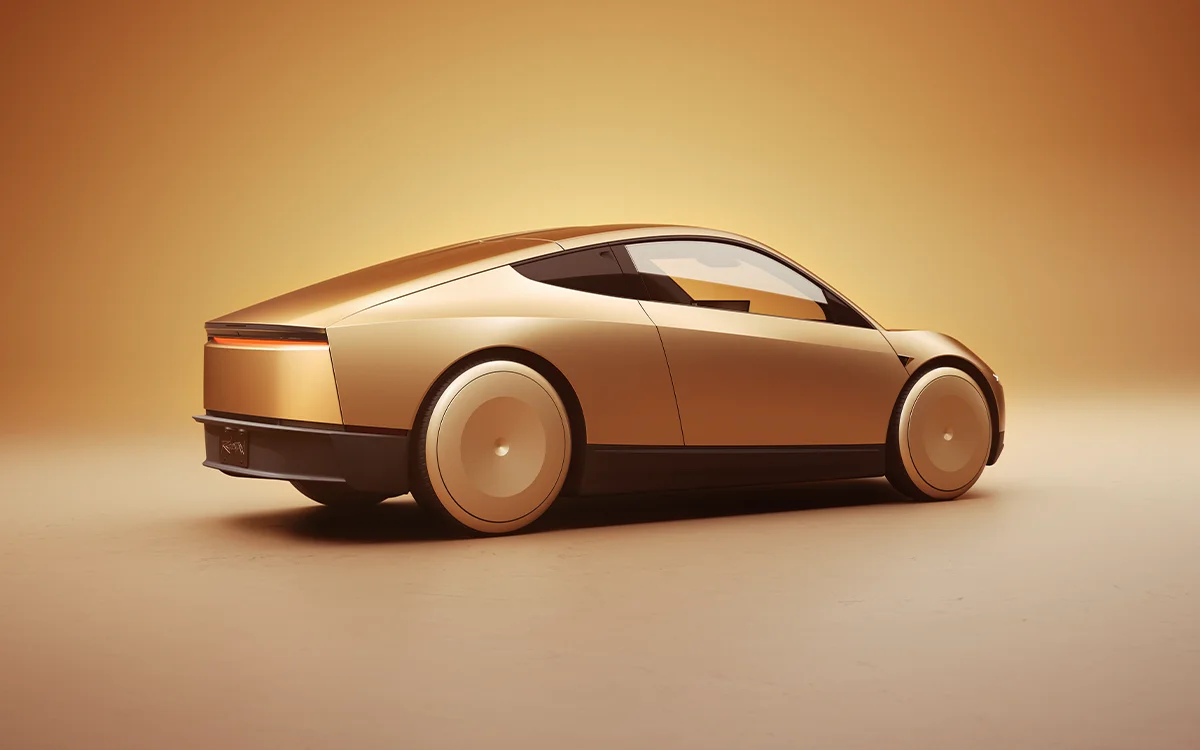
“Initial production is always very slow and follows an S-curve,” Elon Musk recently said.
“The speed of production ramp is inversely proportional to how many new parts and steps there are. For Cybercab and Optimus, almost everything is new, so the early production rate will be agonizingly slow, but eventually end up being insanely fast.“
Just don’t ask about the Roadster…
DISCOVER SBX CARS: The global premium car auction platform powered by Supercar Blondie
After beginning his career writing about all things gaming, Jack joined the Supercar Blondie team in November 2024 as a Content Writer. Since joining SB Media, in addition to a love for covering emerging tech, he has developed an admiration for vintage restorations, particularly old American brands like Dodge and Ford.