The gap between the monthly cost of charging a Tesla Cybertruck vs filling a GMC Canyon in the US is nothing short of staggering
Published on Oct 11, 2026 at 8:01 AM (UTC-4)
by Alessandro Renesis
Last updated on Oct 11, 2026 at 8:01 AM (UTC-4)
Edited by
Mason Jones
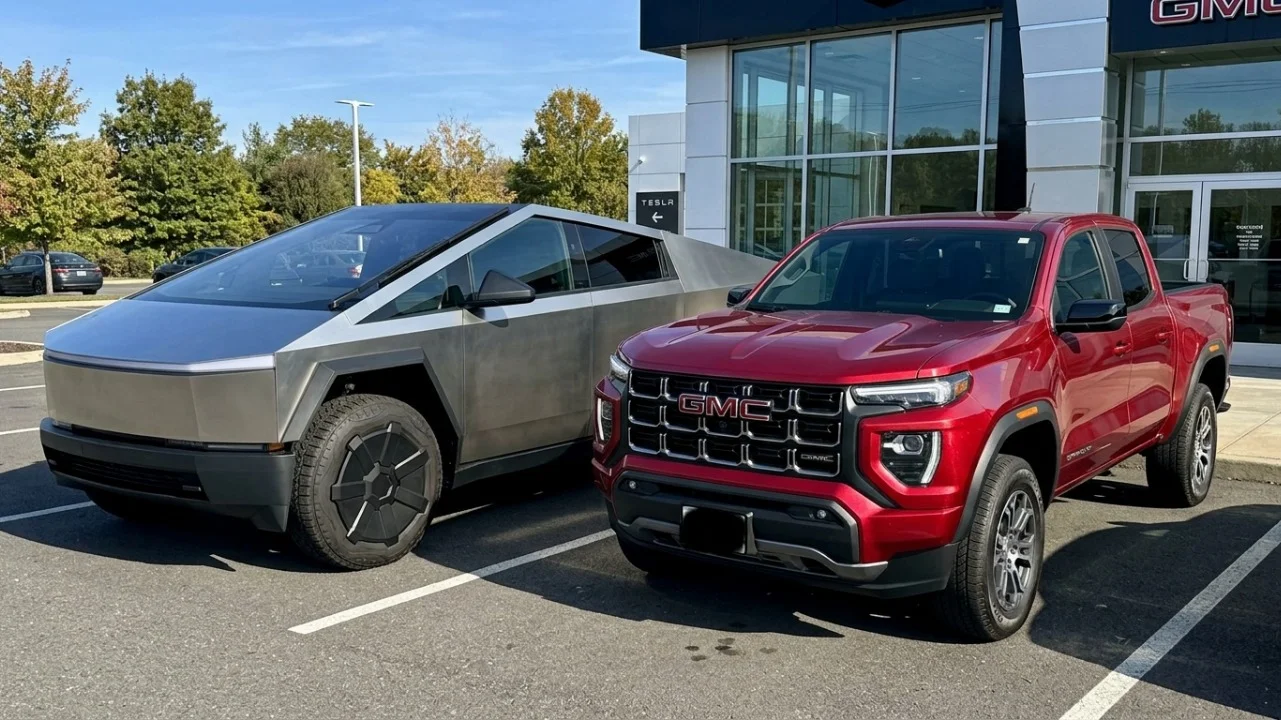

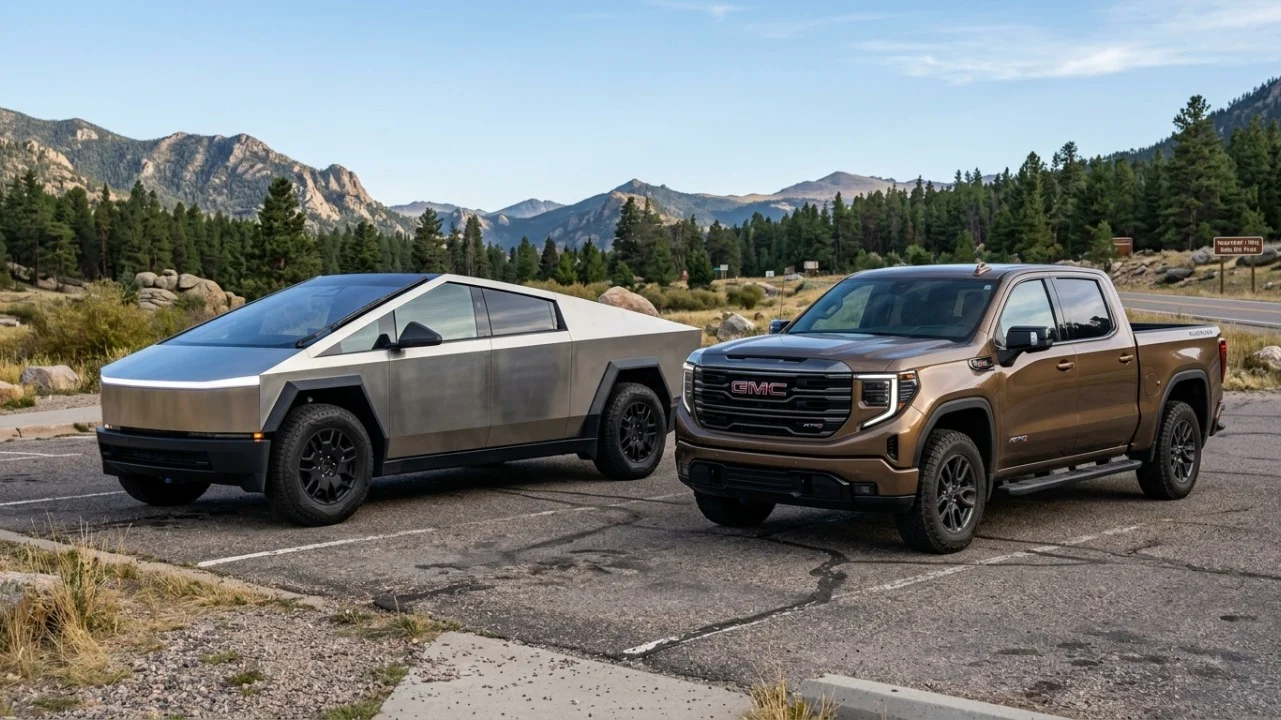
There’s a significant difference between the amount of money you need to charge a Tesla Cybertruck and the money you need to fill up the tank of a GMC Canyon.
But the debate between EVs and gas cars isn’t just about how much cash you spend on fuel.
There’s a lot more from maintenance, the MSRP, depreciation, and so on.
In this case, there’s a deal-breaker that can’t be ignored.
The Tesla Cybertruck vs the Canyon
We looked at a hypothetical grand total of 15,000 miles per year, because that’s the yearly average for most Americans.
With that mileage, charging a Tesla Cybertruck for a year – assuming you can charge at home – will cost between $1,100 and $1,200.
That number can go up dramatically if you charge using public chargers or Superchargers, but it’s still nowhere near as expensive as fuel for a GMC Canyon.
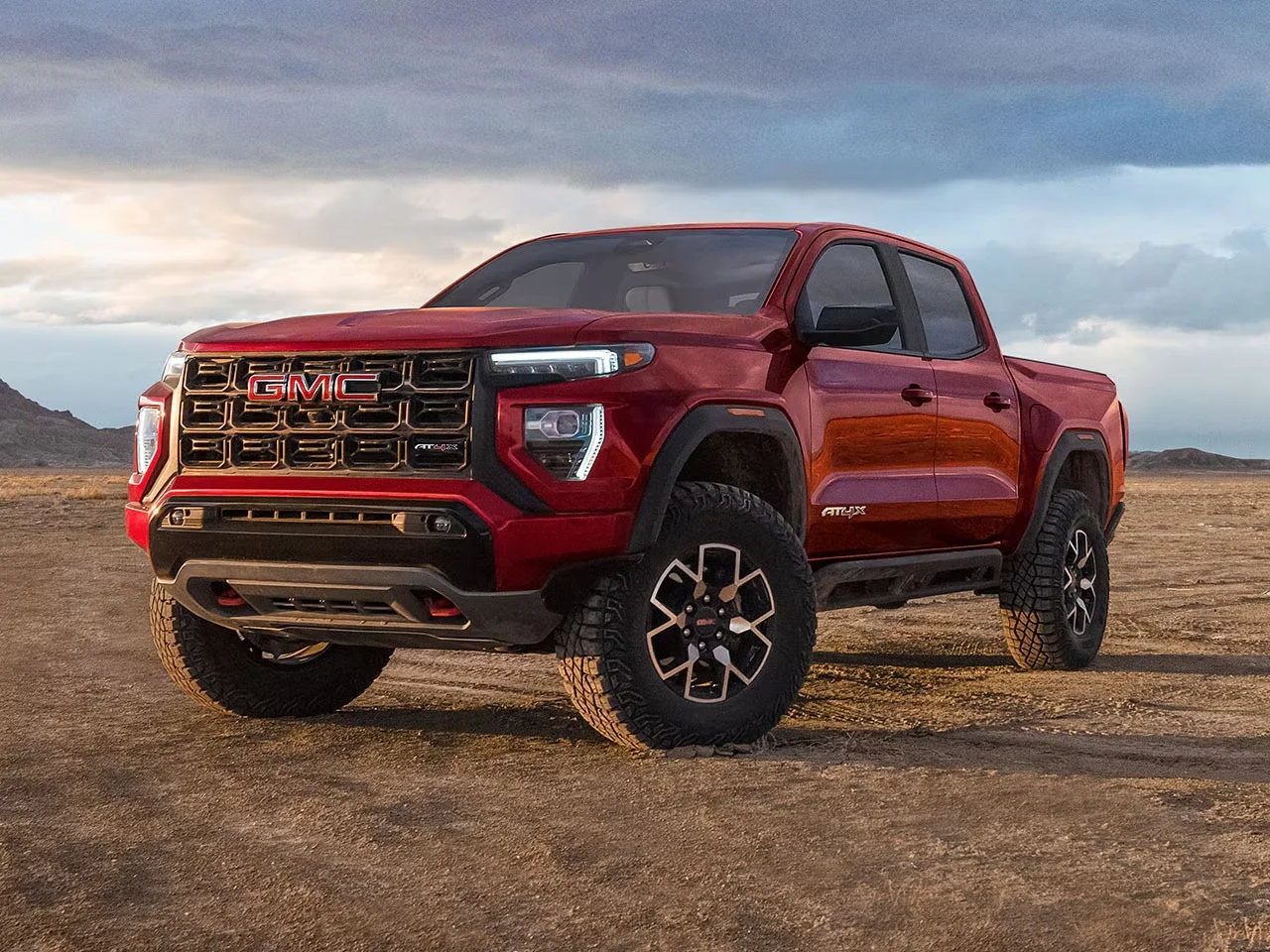
For the same mileage, you would need around $17.50 to fuel per 100 miles (averaging 20 MPG), which comes out to around $2,600+ per year in gas.
So that means you’d be saving around $100+ per month on fuel/electricity.
Also, the GMC Canyon has a transmission belt, spark plugs, all kinds of filters and fluids and gaskets, and just generally a lot of components that deteriorate and need replacing.
As for the Cybertruck, as long as the battery pack and the powertrain are in good shape – and they will be for at least a few years – yearly maintenance basically only concerns tires and brake pads.
But there’s a but.
Related

Where the Canyon comes out on top
Like most equivalent trucks from other brands like Chevrolet, Toyota or Ford, the Canyon is a workhorse.
It’s simple and inexpensive, with an MSRP of just around $38,900 for the entry-level model
People who buy it won’t necessarily use it just for work, but that’s still the main audience.
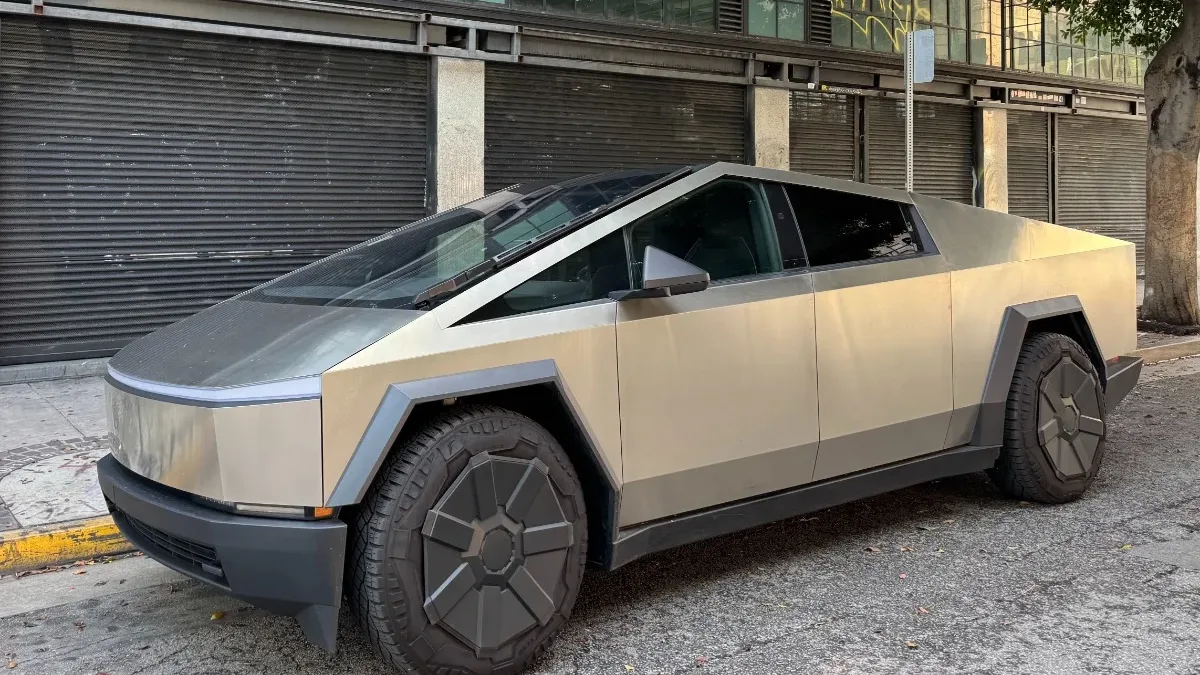
By contrast, the ‘cheapest’ Cybertruck starts at $74,900, following a $5,000 price increase in August 2026, and that’s because this is what people call a – apologies for using this horrible cliche word – a ‘lifestyle’ vehicle.
So even by saving over $100 a month, it’d still take years to make this decision make financial sense because the Cybertruck is twice as expensive.
Then again, people who are in the market for a Cybertruck probably aren’t considering a GMC Canyon.
And vice versa.
Where the Canyon fits in GMC’s lineup
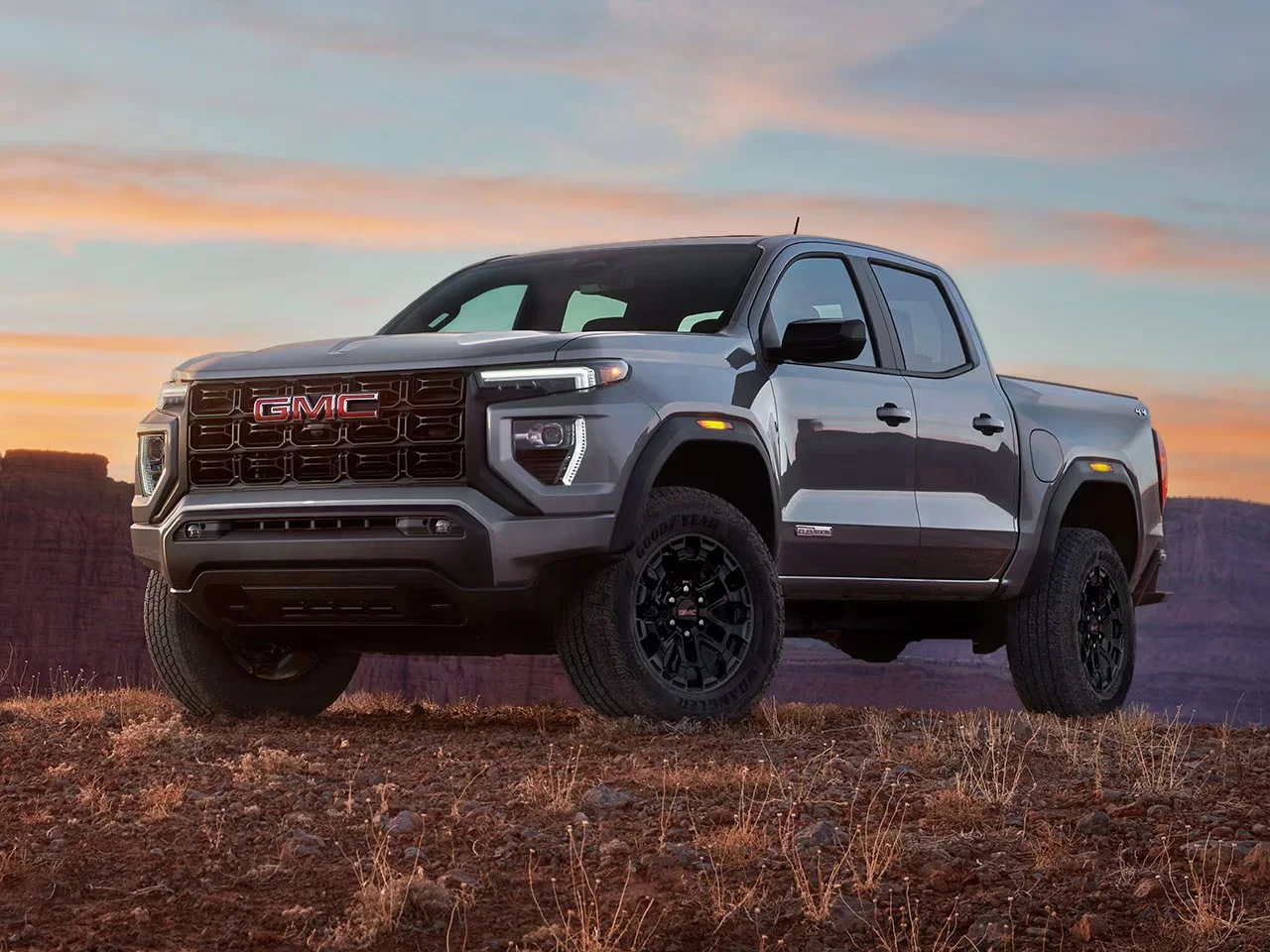
The Canyon is the gateway mode in GMC’s pickup roster.
It’s the cheapest and the smallest, sitting just below the full-size Sierra 1500.
Then you have the heavy-duty Sierra HD family, like the Sierra 2500 and 3500, and then there are the EV trucks.
There’s the GMC Sierra EV, and, if you want to go even more upmarket, the GMC Hummer EV.
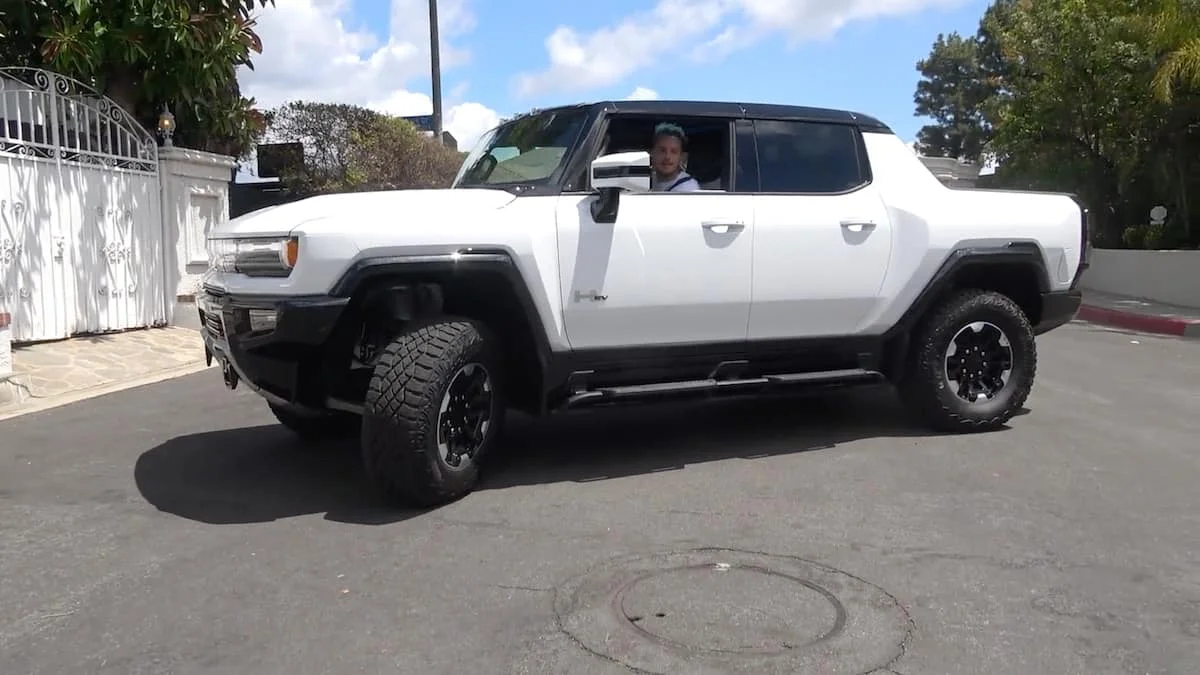
In terms of MSRP, they’re all less expensive than the entry-level Cybertruck apart from the GMC Hummer EV, which costs a fortune.
The electric Hummer starts at a hair under $100,000.
Ouch.
Alessandro is an automotive journalist with 10 years of experience covering supercars, automotive history, emerging vehicle technology, and luxury transportation. He wrote the first article published on SupercarBlondie.com when the website launched in 2022 and has since built a reputation for insightful reporting across the automotive and transportation industries. His expertise is grounded in hands-on experience. Alessandro has driven every Tesla model ever produced, from the original Roadster to the Cybertruck, and regularly covers the latest developments in electric vehicles and automotive innovation. His passion for transportation extends beyond cars, he has even flown a Boeing 787 Dreamliner simulator in Addis Ababa, Ethiopia. His reporting spans everything from classic American muscle cars and rare automotive discoveries to luxury yachts, private aircraft, high-end watches, and cutting-edge vehicle technology. Known for his deep knowledge of automotive history and ability to uncover the stories behind iconic vehicles, Alessandro brings readers a blend of historical context, technical expertise, and first-hand experience.