The gap between the monthly cost of charging a Tesla Cybertruck vs filling a Hyundai Santa Cruz in the US is genuinely wild
Published on Sep 12, 2026 at 4:02 PM (UTC-4)
by Alessandro Renesis
Last updated on Sep 12, 2026 at 4:02 PM (UTC-4)
Edited by
Ben Thompson
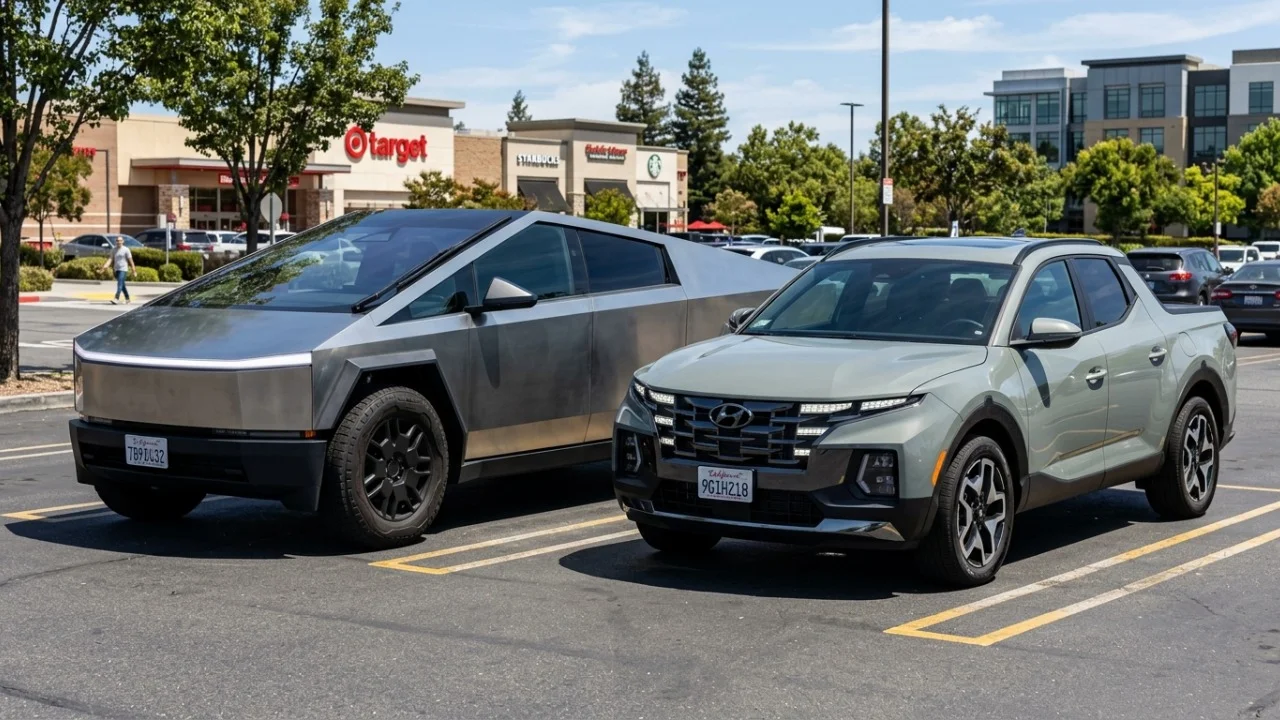

We decided to compare two admittedly very different vehicles, the Tesla Cybertruck and the Hyundai Santa Cruz, and the result was not what we expected.
The ongoing debate over whether electric trucks save drivers money compared to internal combustion vehicles often comes down to the pump versus the power grid.
But when comparing a high-tech EV like the Tesla Cybertruck against a simple and compact pickup like the Hyundai Santa Cruz, the financial story goes beyond monthly fuel bills.
That’s why it isn’t exactly as straightforward as we expected.
Upfront cost makes a difference
In general, electric cars are cheaper to run but with a few ifs and buts.
The first if and/or but is the MSRP.
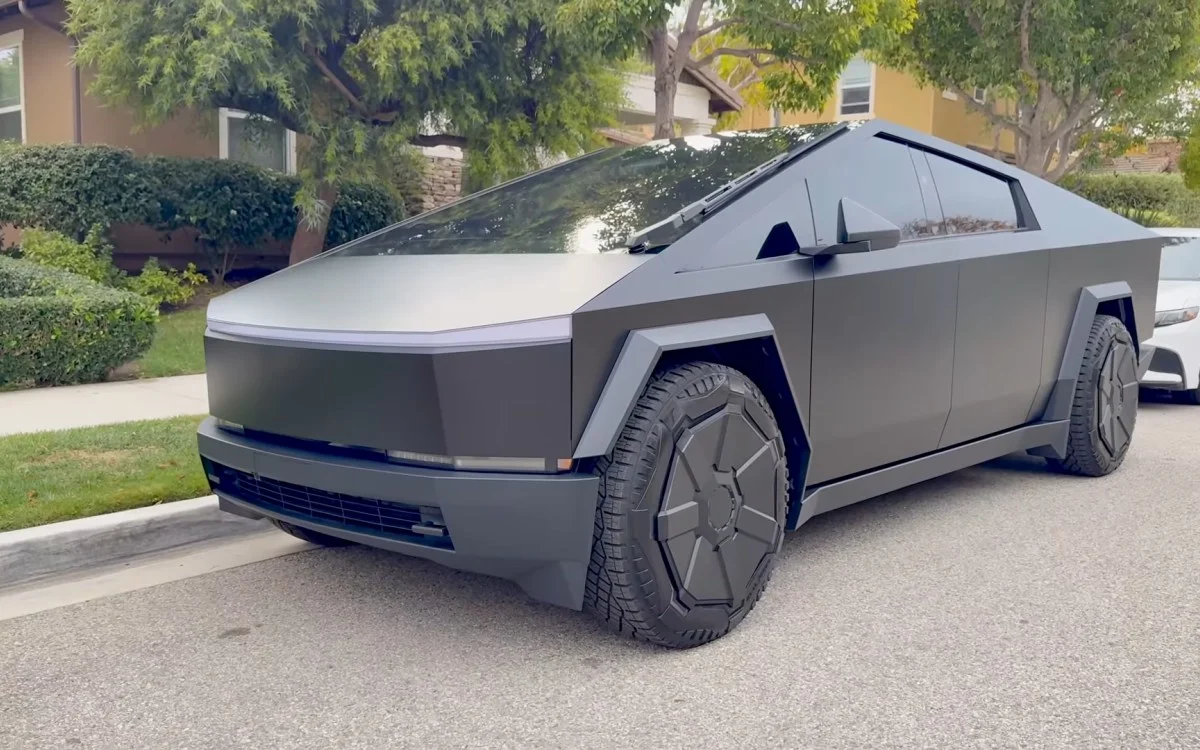
There’s a massive price gap between the Tesla Cybertruck and the Hyundai Santa Cruz.
The entry-level Cybertruck starts at $69,990, while the Santa Cruz starts at just $29,750.
That means there’s a gap of around $40,000, which is enough to buy another Santa Cruz and you’d have enough to left to buy a five-star holiday to the Maldives.
So, precisely because the Cybertruck costs well over double the entry-level Santa Cruz, you must cover substantial mileage before fuel savings begin to bridge the initial price gap.
Related
When it comes to monthly costs, the Tesla Cybertruck wins
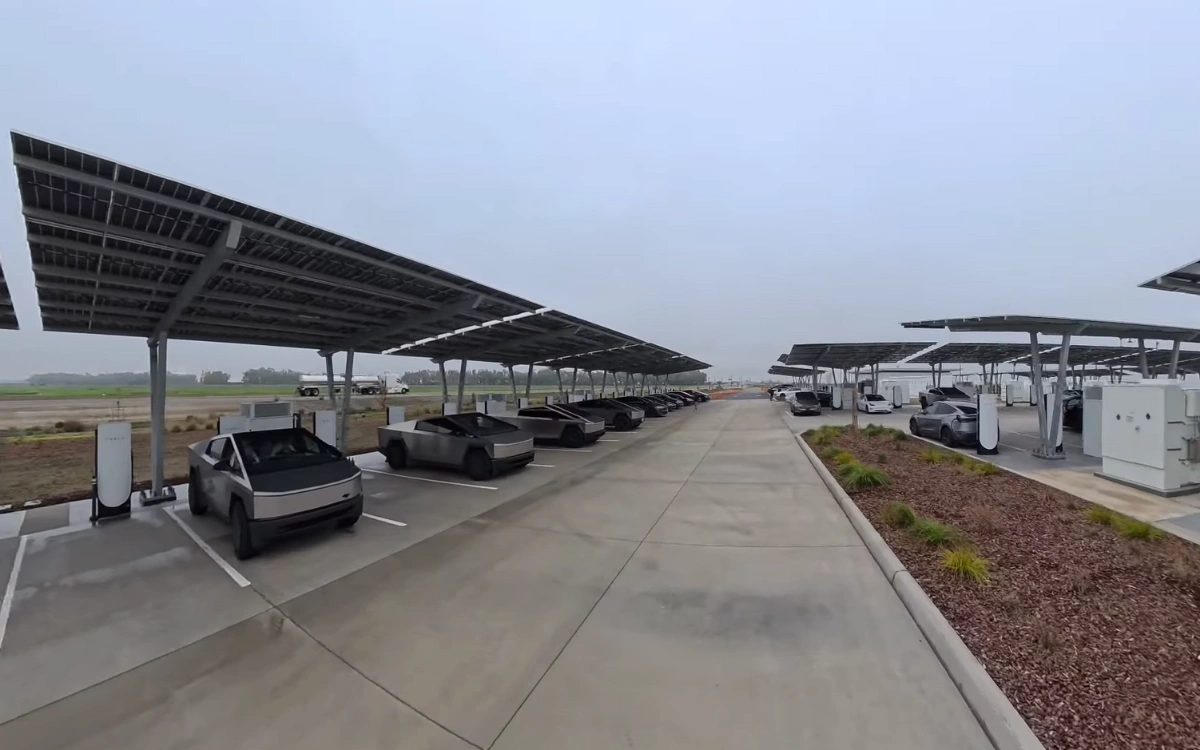
Assuming an average driving distance of 15,000 miles per year – almost exactly the national average in the US – home charging a Cybertruck will cost its owner around $1,150 per year, or $97 per month.
As for the Santa Cruz, it has an EPA-estimated fuel consumption of 25 MPG, which means you’d need $2,100 per year, or $175 per month in fuel.
The Cybertruck saves roughly $78 per month or $940 per year.
In theory, it would take the average driver over 40 years of driving to offset the $40,000 starting price difference based on fuel alone.
Regional factors and ownership caveats make a difference
The main problem with national averages is that they obscure key variables that affect real-world ownership costs.
In high-cost energy states such as California, high residential rates or using Tesla Superchargers a bit too frequently reduces the monthly savings margin over gas-powered vehicles.
Also, unlike full-size gas trucks that consume significantly more fuel, compact pickups like the Santa Cruz deliver up to 30 MPG on the highway, keeping gas bills relatively modest.
While EVs eliminate routine oil changes, higher insurance premiums and repair costs can offset maintenance savings over time.
And there’s perhaps the most important factor – we should probably add that the Cybertruck isn’t a good example for this comparison.
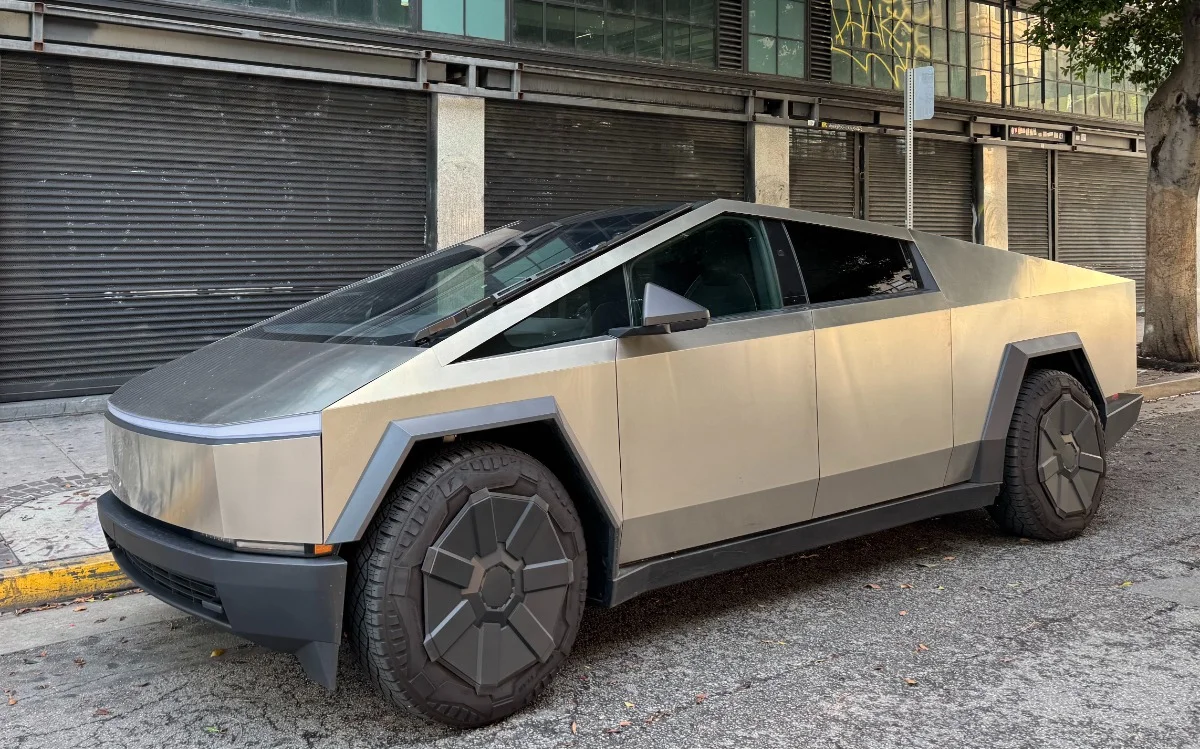
The Cybertruck is a statement vehicle.
Something people buy because they want it.
We have no access to their tax records, but we can safely assume that the average Tesla Model Y owner – i.e., virtually anybody considering this is one of the world’s best-selling vehicles – cares about energy prices.
By contrast, a Cybertruck owner may not care as much, especially if they bought the ultra-expensive Cyberbeast.
Alessandro is an automotive journalist with 10 years of experience covering supercars, automotive history, emerging vehicle technology, and luxury transportation. He wrote the first article published on SupercarBlondie.com when the website launched in 2022 and has since built a reputation for insightful reporting across the automotive and transportation industries. His expertise is grounded in hands-on experience. Alessandro has driven every Tesla model ever produced, from the original Roadster to the Cybertruck, and regularly covers the latest developments in electric vehicles and automotive innovation. His passion for transportation extends beyond cars, he has even flown a Boeing 787 Dreamliner simulator in Addis Ababa, Ethiopia. His reporting spans everything from classic American muscle cars and rare automotive discoveries to luxury yachts, private aircraft, high-end watches, and cutting-edge vehicle technology. Known for his deep knowledge of automotive history and ability to uncover the stories behind iconic vehicles, Alessandro brings readers a blend of historical context, technical expertise, and first-hand experience.