The astonishing amount of money the Tesla Cybertruck has lost as it's killed off after just three years
Published on Nov 16, 2026 at 5:22 AM (UTC-5)
by Ben Thompson
Last updated on Nov 16, 2026 at 5:22 AM (UTC-5)
Edited by
Mason Jones
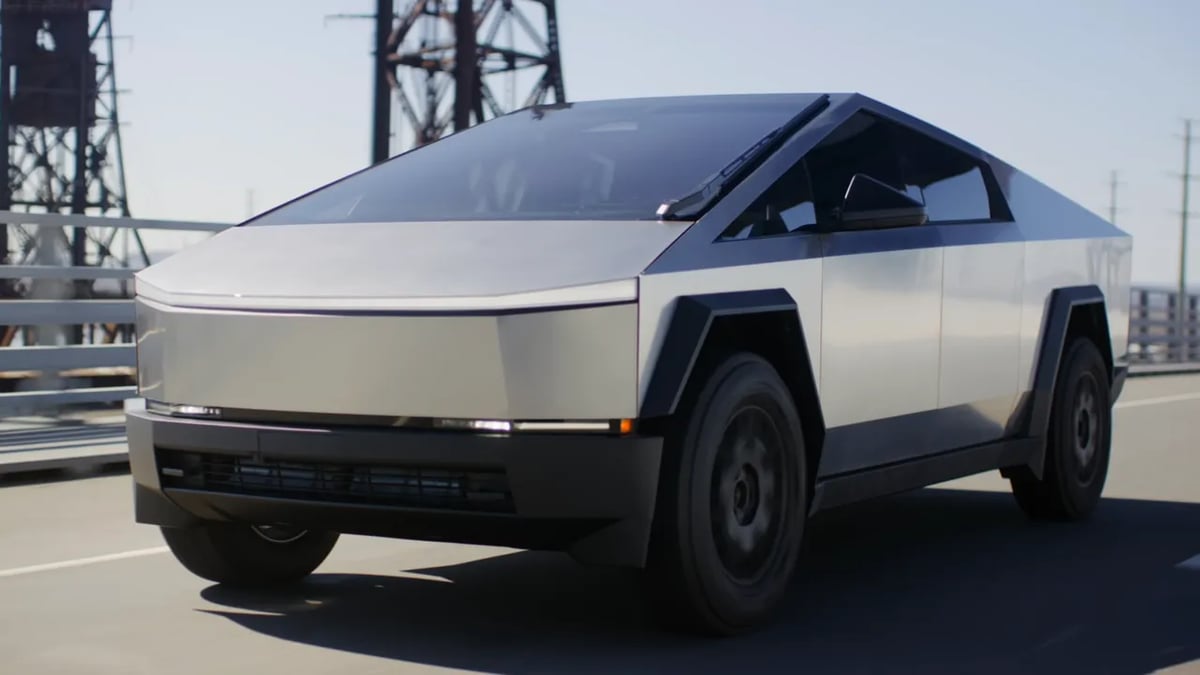

The Tesla Cybertruck has lost an awful lot of money for its maker in the three years it’s been on the market.
In light of the recent news that the Cybertruck is being retired, people are looking back on the electric truck’s legacy.
If a recent post from actor Mark Ruffalo is anything to go by, he won’t be sad to see it go.
But just how much money has this cost Tesla? We know the Cybertruck is divisive, but is it really deadwood to the company?
Why is the Tesla Cybertruck being canceled?
It was news that shook the automotive world.
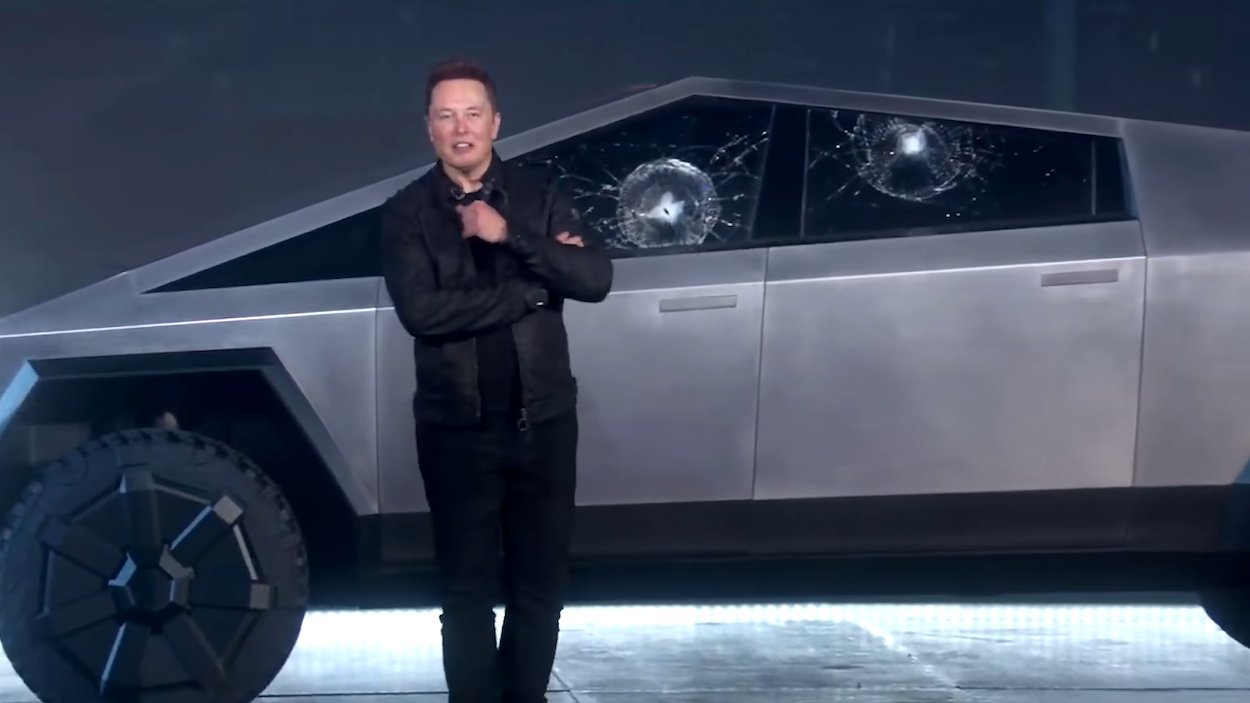
When word got out that Tesla was pulling the plug on the Cybertruck, everyone sat up and took notice.
Sure, people had a love-hate relationship with the truck, but it’d only been around for three years.
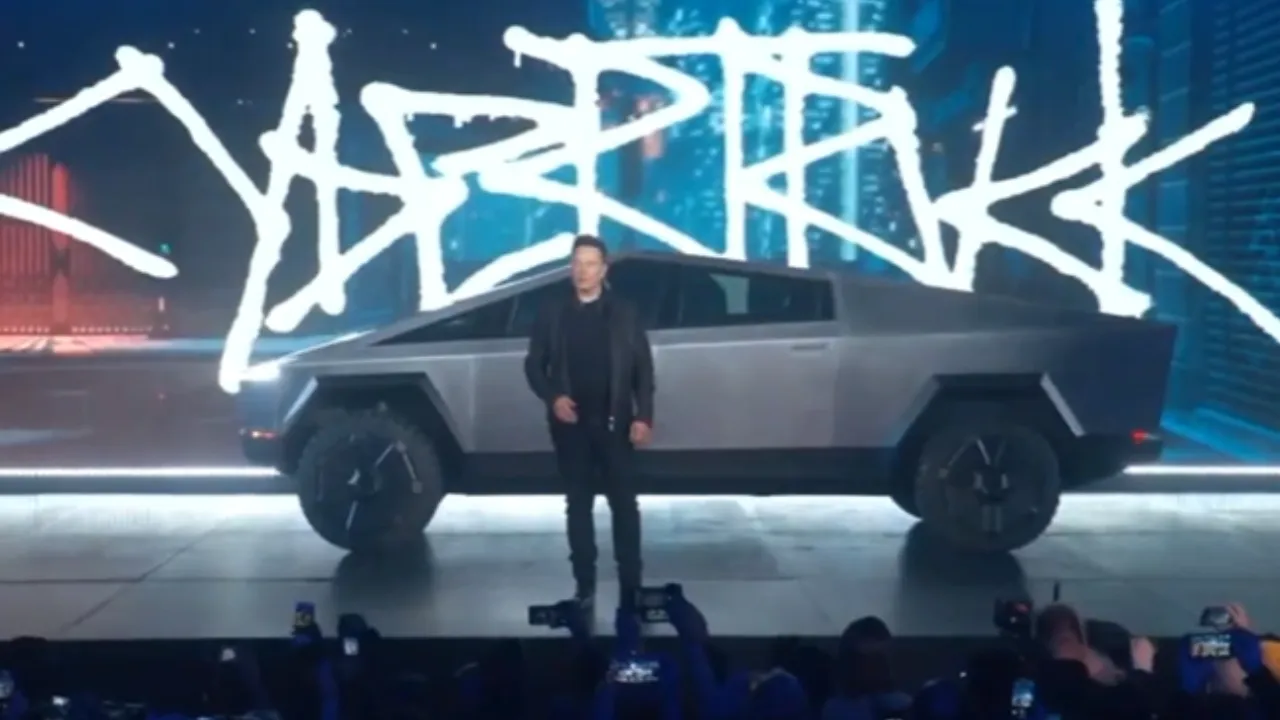
People were surprised to see it go so soon – and then there were those who didn’t buy Elon Musk’s explanation for why it was being canned.
But regardless of the ‘hows and whys’ behind the situation, there is one thing people are still curious about.
Was the Cybertruck bad for Tesla? Was it losing them money?
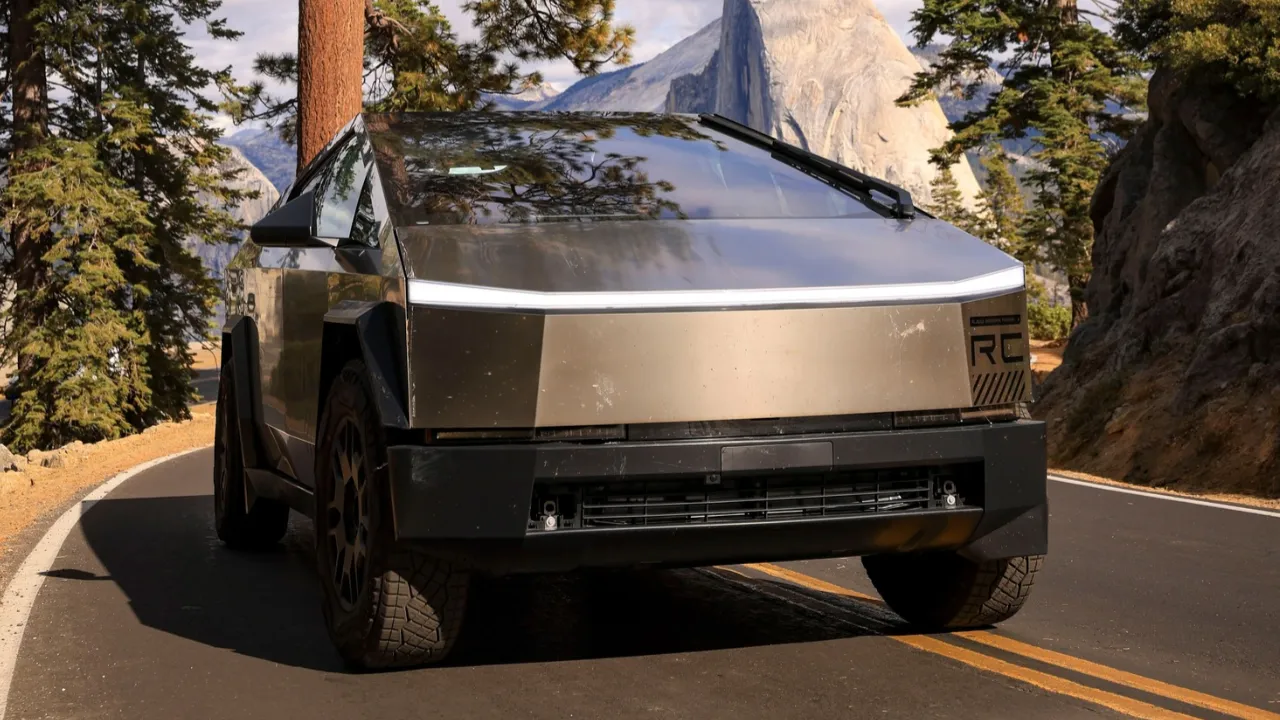
It’s certainly an argument we’ve heard before – experts once ran the numbers and determined it was the biggest flop in automotive history.
And that was before any news of cancellation.
Now Mark Ruffalo, perhaps best known for playing Bruce Banner/The Hulk in the Marvel Cinematic Universe, has added his two cents.
What did Mark Ruffalo say about the Cybertruck?
If you know anything about Mark Ruffalo, you’ll know that he’s not shy about voicing his views.
In a post on X, he let rip on the Cybertruck, blasting it as ‘eccentric and overhyped’.
He went on to say: “Like so many of [Elon Musk’s] projects, it was massively promoted, heavily delayed, and ultimately fell short: Musk once predicted he could sell 250,000 a year, but ultimately only sold 70,000 in three years, losing $1.9 billion in the process.”
Eccentric and overhyped, the Cybertruck became a kind of automotive stand-in for Musk himself amid his political ascent. Like so many of his projects, it was massively promoted, heavily delayed, and ultimately fell short: Musk once predicted he could sell 250,000 a year (https://t.co/K3u5H8XOqB)but ultimately sold 70,000 in three years (https://t.co/Vpo2ppy4Vr), losing $1.9bn in the process, according to Quartz. https://t.co/tr1AGUoXIC
— Mark Ruffalo (@MarkRuffalo) November 13, 2026
Is there any truth to this idea that the Cybertruck was a flop?
Let’s take a closer look at the numbers.
How much money has the Cybertruck cost Tesla?
Ruffalo is certainly right about the Tesla Cybertruck under-delivering in sale figures.
Musk’s projections of 250,000 sales a year were certainly an ambitious aim – one that didn’t line up with what was to come.
Back in May, we reported that sales had dropped by 48.1 percent in 2025, with only 20,237 units being sold that year.
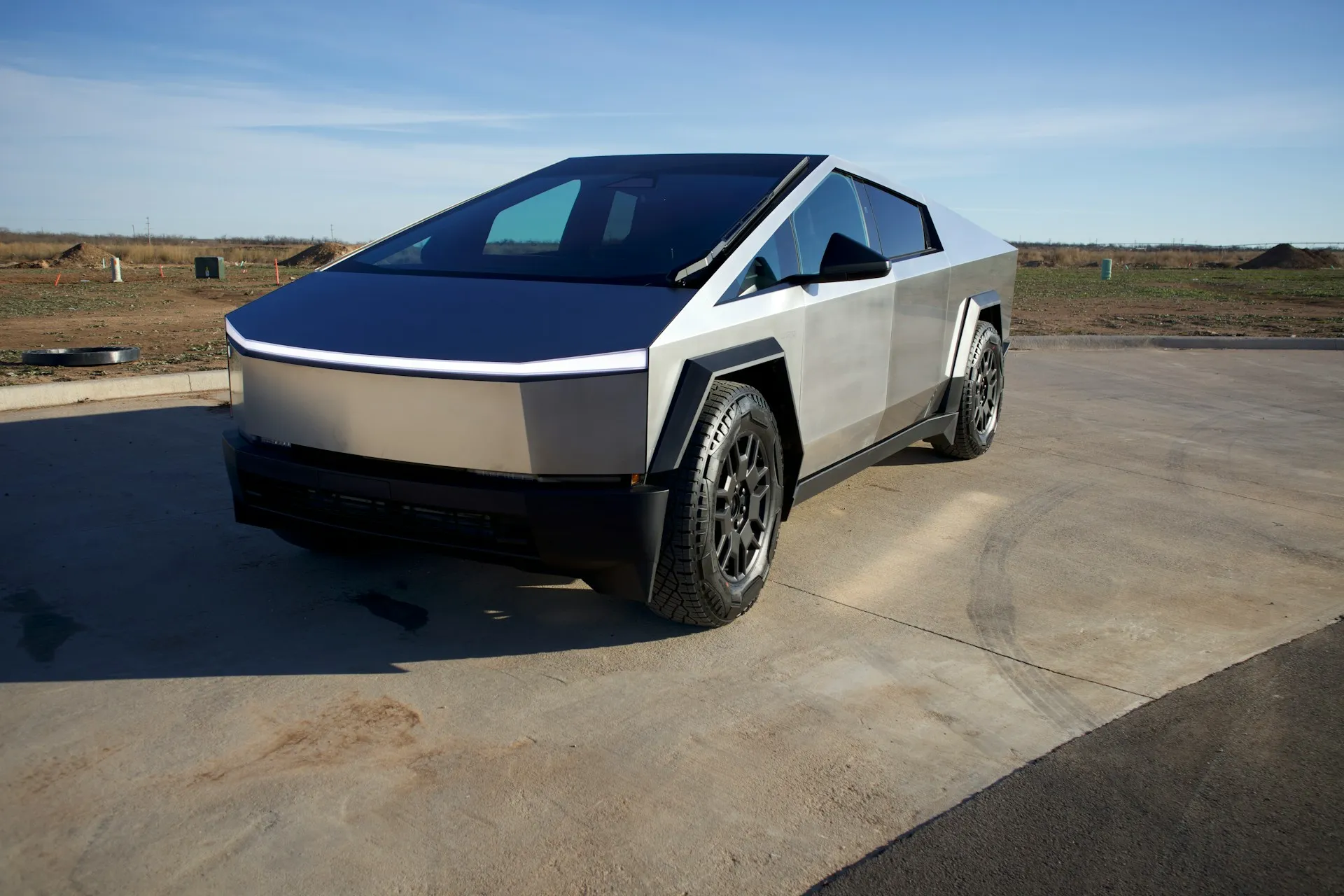
It didn’t help matters that 20 percent of those vehicles were going to Musk’s other companies.
But it’s not just sales figures we have to take account of here – what about costs?
Musk himself said that $2 billion was spent on research and development, with $100 million being made in gross profit from sales.
That represents a net project loss of $1.9 billion, Quartz reported.
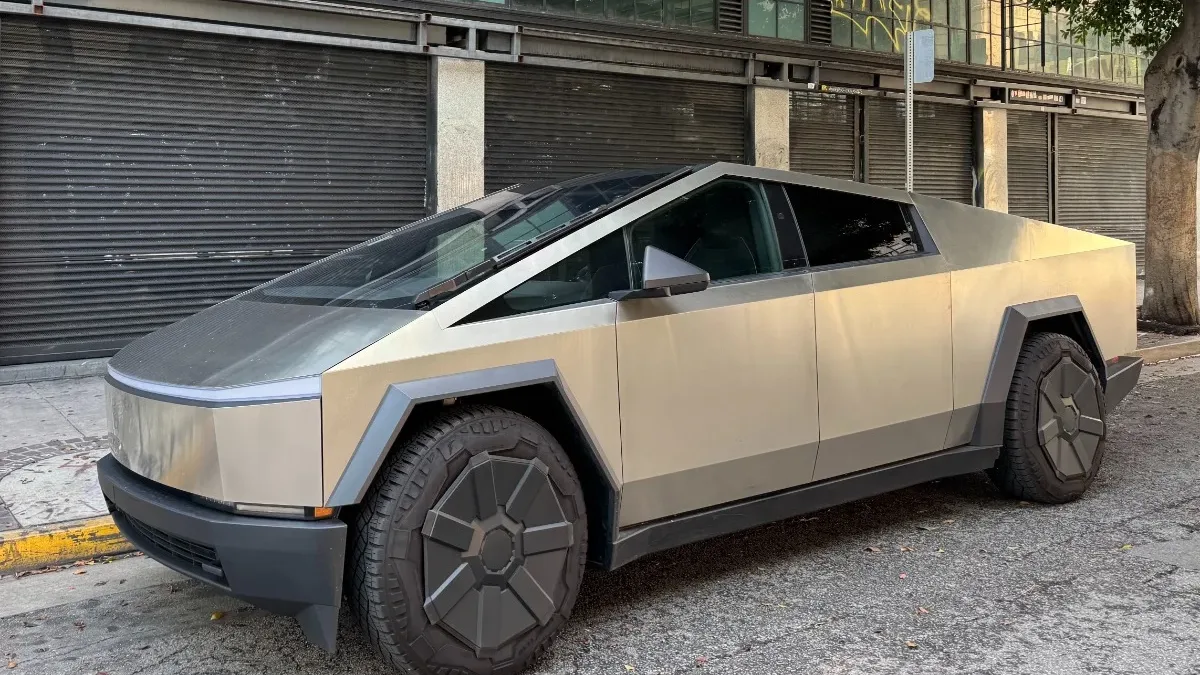
That is a bruising figure.
But numbers aside, the truck does have its fan out there – and one company is willing to keep production going.
Will the Tesla Cybertruck see new life? We’ll just have to wait and see.
One thing’s for sure, though – you won’t be seeing Mark Ruffalo in the queue to get one.
The best of Supercar Blondie, every Sunday
The week's best car stories, straight to your inbox. Free.
Ben joined Supercar Blondie in February 2025 after being published by international organizations including LADbible, The Sun, the New York Post, and the Daily Mail. He covers supercars, rare and collectible vehicles, aviation, luxury assets, and the fascinating people behind them. His reporting has explored everything from seven-figure supercars and historic Ferrari collections to unusual aircraft adventures and extraordinary automotive discoveries from around the world. Ben has also gained first-hand insight into vehicle craftsmanship and customization, including visiting specialist workshops to see bespoke vehicles up close.