Tesla explains the real reason it's getting rid of the Model S and Model X and it's left people surprised
Published on May 28, 2026 at 7:40 AM (UTC-4)
by Ben Thompson
Last updated on May 29, 2026 at 6:10 AM (UTC-4)
Edited by
Mason Jones
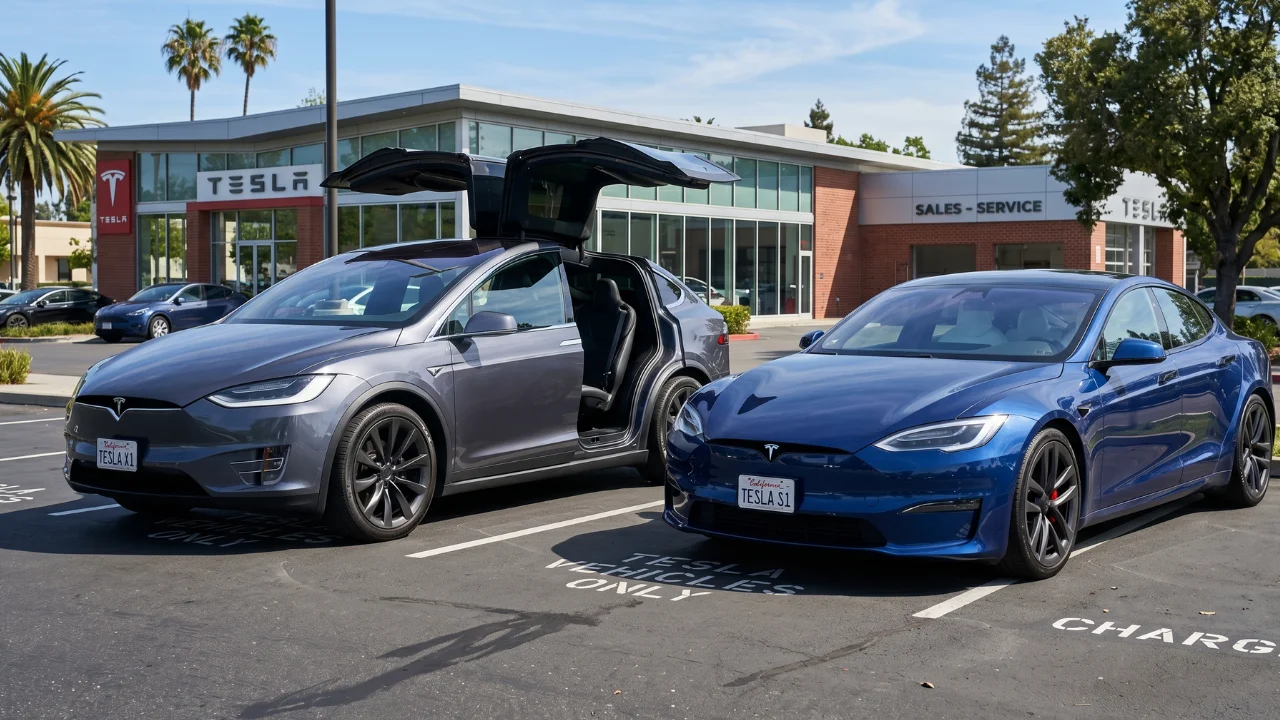

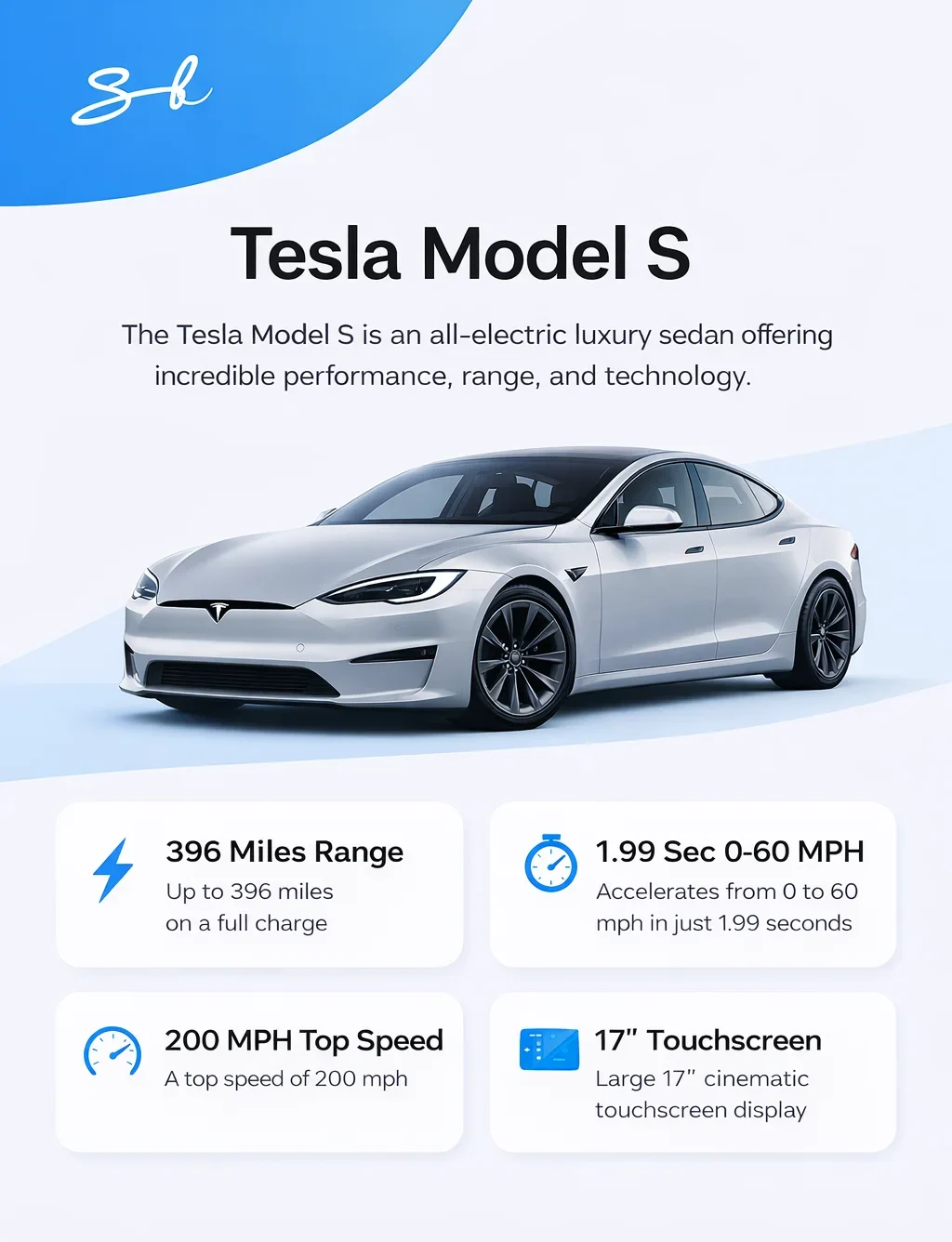
Tesla has lifted the lid on the surprising reason why the Model S and Model X are being retired.
When news broke that the two models would cease production, many Tesla fans drew up their own theories.
The natural assumption would be to link it to declining sales, as is often the case in the automotive world.
But higher-ups at Tesla have now clarified the truth of the matter.
Here’s the real reason why the Model S and Model X are being retired
In the lineup of Tesla vehicles, the Model S and the Model X have been mainstays for a long while.
While the Cybertruck has proved to be divisive over the years, these two were seen as the go-to for buyers who didn’t want to deviate too much in terms of design, but still wanted a reliable daily driver.
So it undoubtedly came as a shock when it was announced that both models would be retired.
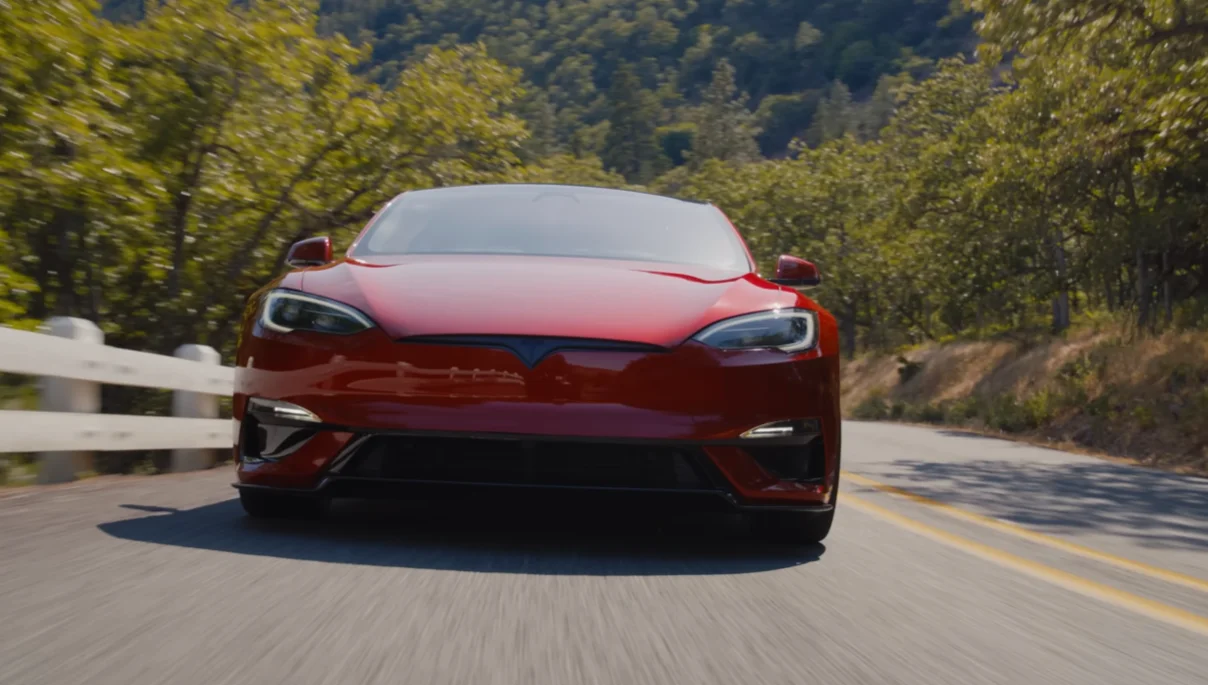
At the time of the announcement, Tesla spoke sentimentally of the two cars.
“These vehicles made it possible for Tesla to develop the technology that would move our world toward autonomy,” the company’s statement read.
“As we make way for this autonomous future, Model S and Model X production will be ending. If you’d like to bring home a new Model S or Model X, order yours soon from our limited inventory.”
But this still left open one question – why?
Well, Tesla’s Chief Designer, Franz von Holzhausen, and Vice President of Engineering, Lars Moravy, have set the record straight.
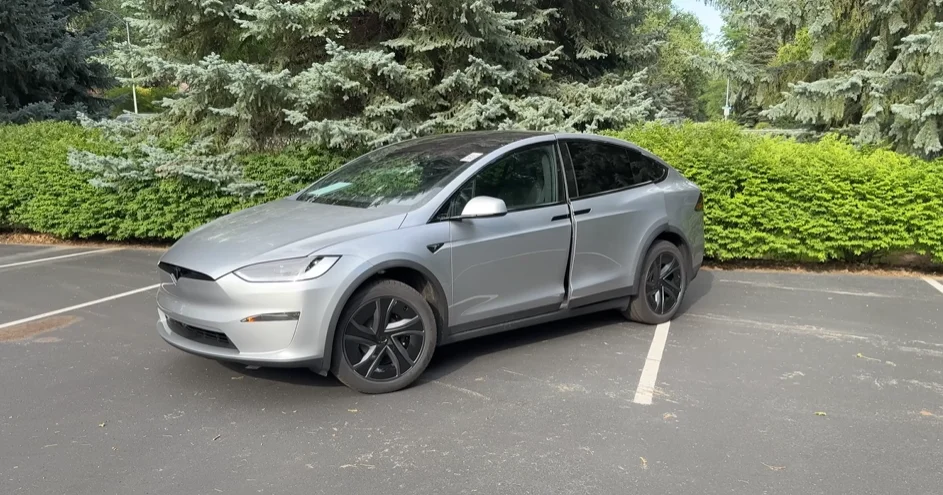
On a recent episode of the Ride the Lightning podcast, the two revealed that the retirement decision had been made more than a year and a half ago.
And it wasn’t based on popularity, but on aging safety architecture and a need for more manufacturing space.
“We want to make the safest cars on the road, and that means always making structural updates,” Moravy stated.
Related
There’s been a lot of change at Tesla over the years
Companies can’t afford to be stationary and never-changing, and that is most certainly true in the car world.
Tesla has had to roll with the punches, while also ensuring it stays ahead of the curve.
Its foray into robotics has been particularly notable, with the Optimus entering mass production last year.
A brief history of Tesla
July 2003: Martin Eberhard and Marc Tarpenning incorporate the business to challenge the automotive status quo and advance clean vehicle technology.
April 2004: Elon Musk joins as chairman of the board.
March 2008: The first production vehicle, the Roadster, officially launches to prove electric cars can offer high performance without compromising design.
June 2010: The EV manufacturer debuts on the NASDAQ through an Initial Public Offering that successfully raises over $226 million.
June 2012: The Model S luxury sedan is introduced, fundamentally shifting global consumer perception of battery-powered transport.
July 2017: Production of the mass-market Model 3 commences just as the brand broadens its corporate scope to include large-scale solar and battery storage.
March 2020: The Model Y compact SUV enters the market, and cumulative global car production soon surpasses the one million milestone.
November 2023: First deliveries for the highly anticipated, stainless-steel Cybertruck officially begin in North America.
2025: The energy division achieves record financial growth as Megapack and Powerwall deployments reach unprecedented capacity levels globally.
2026: Strategic focus expands heavily toward physical AI and autonomous driving infrastructure, with the continued development of the Cybercab platform.
Ben joined Supercar Blondie in February 2025 after being published by international organizations including LADbible, The Sun, the New York Post, and the Daily Mail. He covers supercars, rare and collectible vehicles, aviation, luxury assets, and the fascinating people behind them. His reporting has explored everything from seven-figure supercars and historic Ferrari collections to unusual aircraft adventures and extraordinary automotive discoveries from around the world. Ben has also gained first-hand insight into vehicle craftsmanship and customization, including visiting specialist workshops to see bespoke vehicles up close.