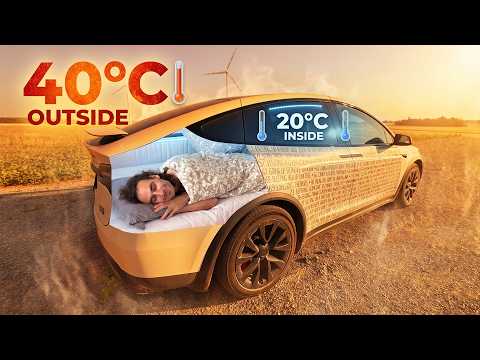
Man sleeps in his Tesla Model X Plaid during 104°F heatwave to see what it's like and how much energy it uses and he's left surprised
Published on Jul 18, 2026 at 2:03 PM (UTC-4)
by Alessandro Renesis
Last updated on Jul 18, 2026 at 2:03 PM (UTC-4)
Edited by
Mason Jones


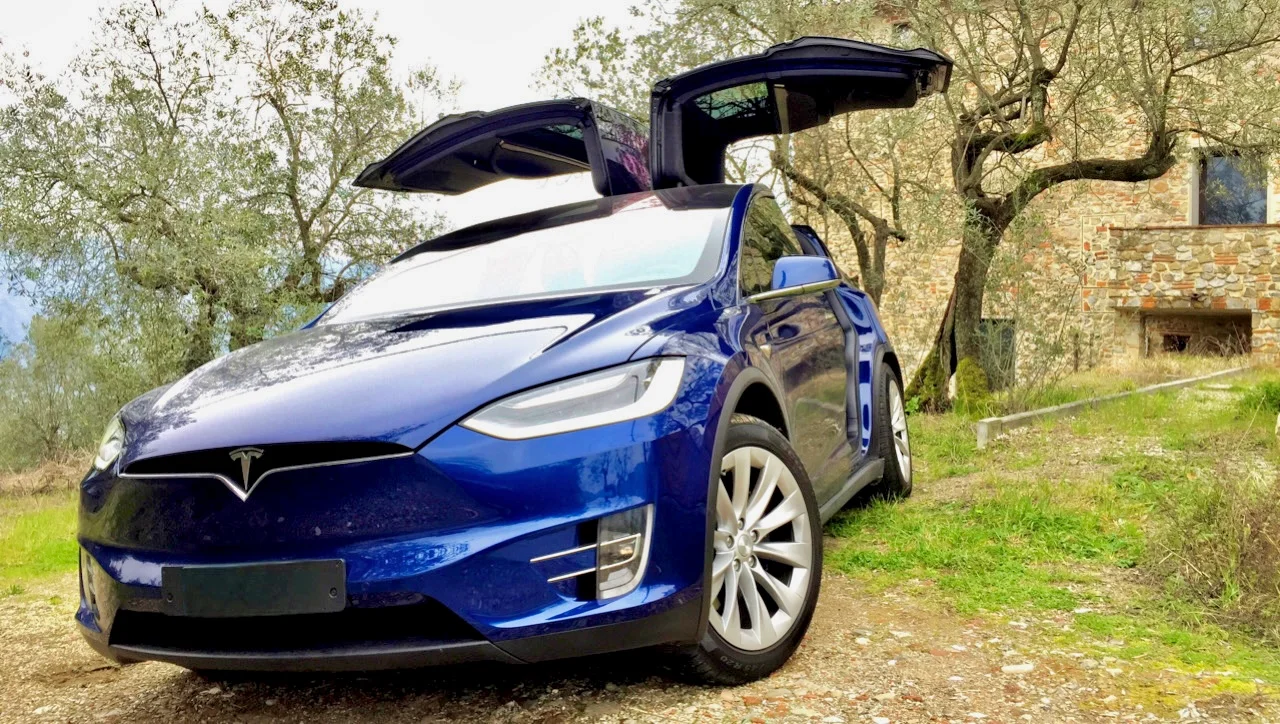
This Tesla Model X Plaid owner in Austria conducted an interesting experiment.
Parts of Europe are currently suffering from massive heat waves, and that’s why people are resorting to desperate measures.
In his case, the guy decided to sleep in Tesla to see how the car would react.
The result was surprising for two different reasons.
Europe’s heat waves accidentally created memes
Several countries in Europe, including alpine countries like Austria, have suffered from unbearable heat waves over the last few weeks and months.
At which point, people outside of Europe went: ‘Well, why don’t you just turn on the A/C?’
This is an interesting question because it accidentally led to the revelation that the A/C adoption rate in European homes is surprisingly low.

This led to viral memes that, inevitably and like anything else these days, also spilled over into political discourse about historical architecture, energy grids, climate change policies, and so on.
But, more relevantly for car people, it also gave EV owners the chance to hammer a point home.
A point they’ve been trying to make for a while.
Related
This is what EV owners have been saying for a long time
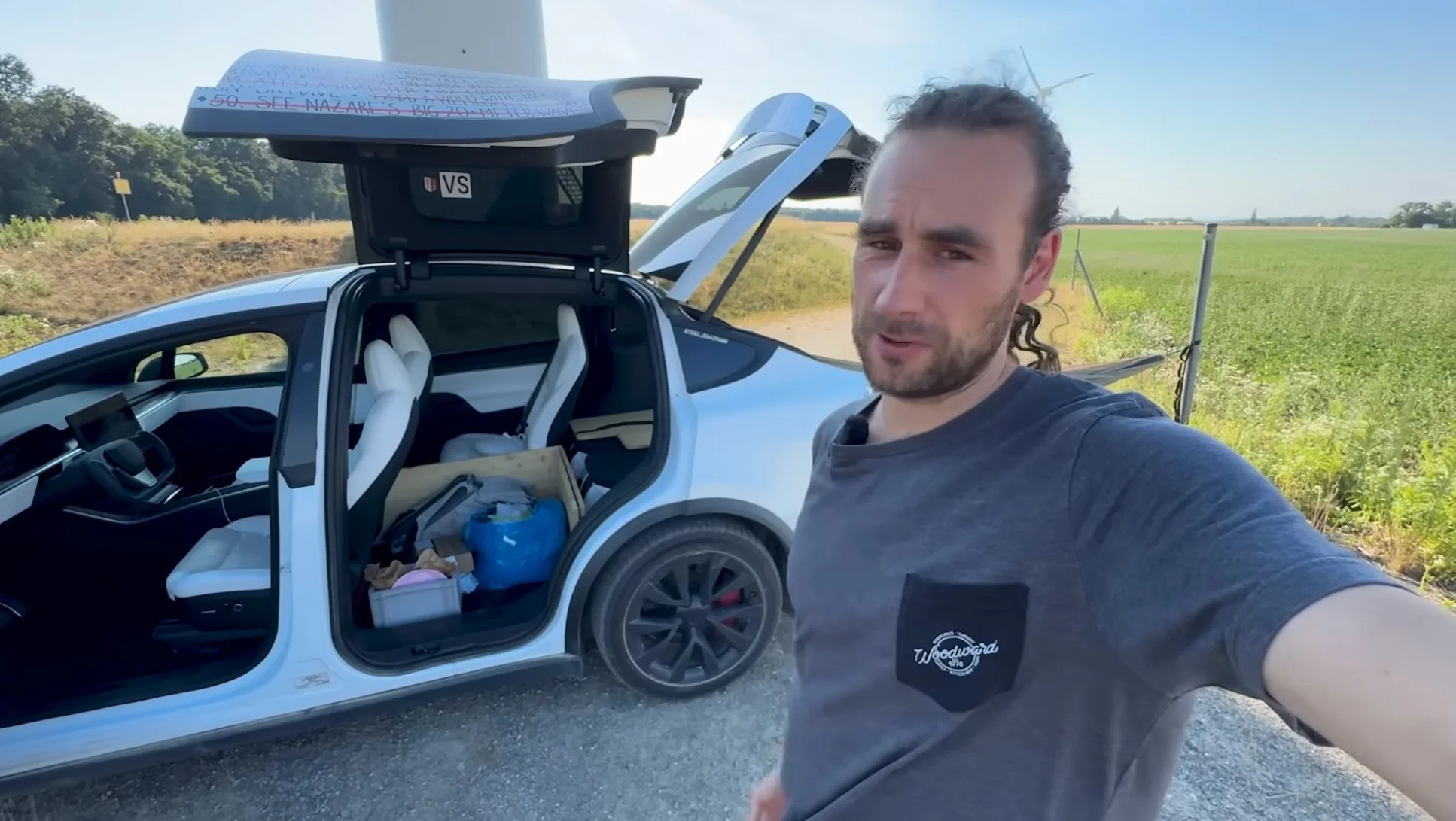
Electric car owners have long argued that EVs are better at regulating cabin temperature while consuming less energy.
Translated, an air-conditioned (or heated) cabin in an EV feels better, while also consuming less battery than a gas car needs fuel.
It is practically impossible to do an apples-to-apples comparison for technical reasons, but there’s plenty of anecdotal evidence and one key engineering component to support the claim that this is true.
That’s because the massive difference is stationary efficiency.
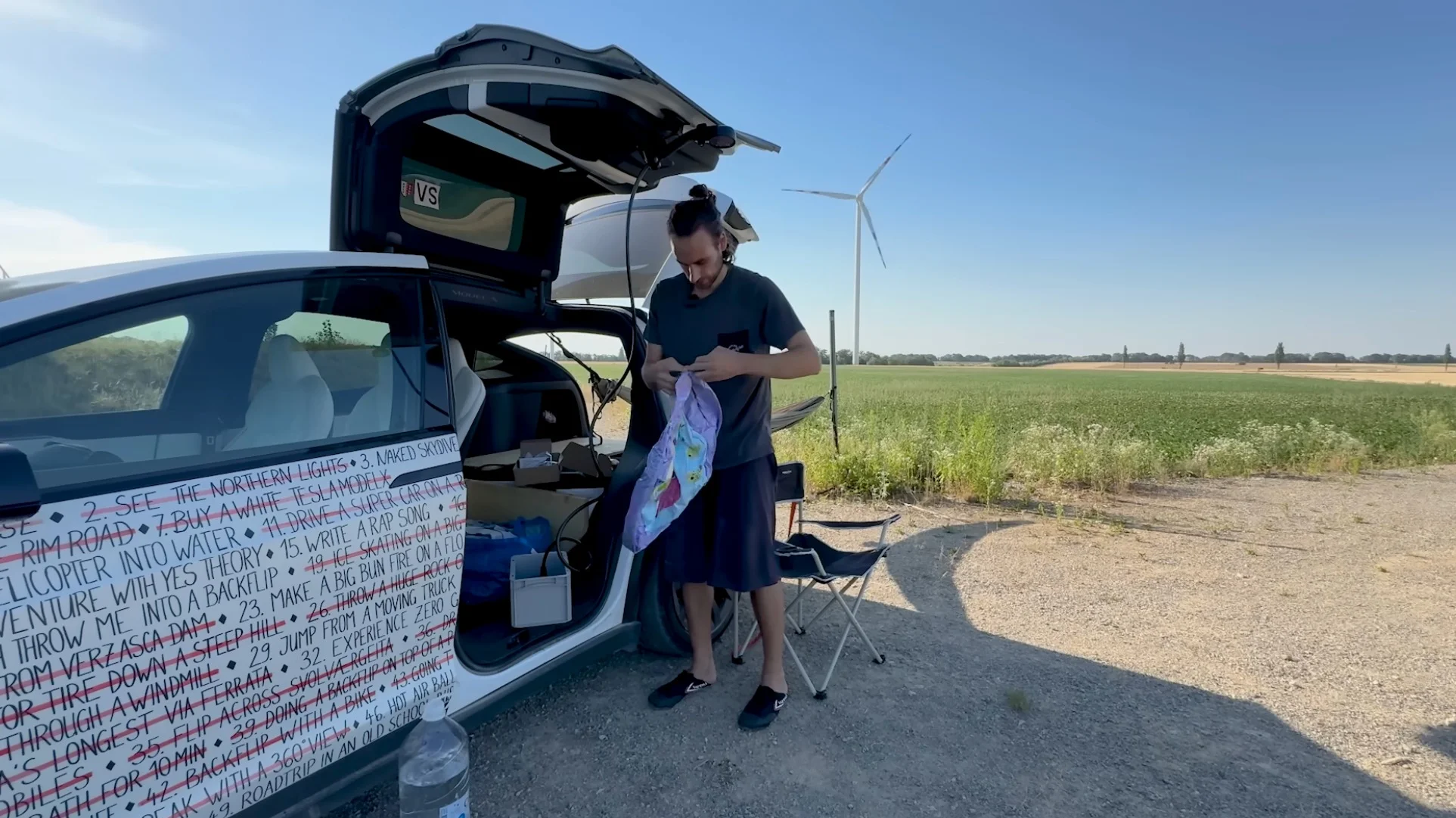
To run the AC or heater in a gas car while parked, the internal combustion engine must idle continuously – burning roughly 0.2 to 0.5 gallons of fuel per hour.
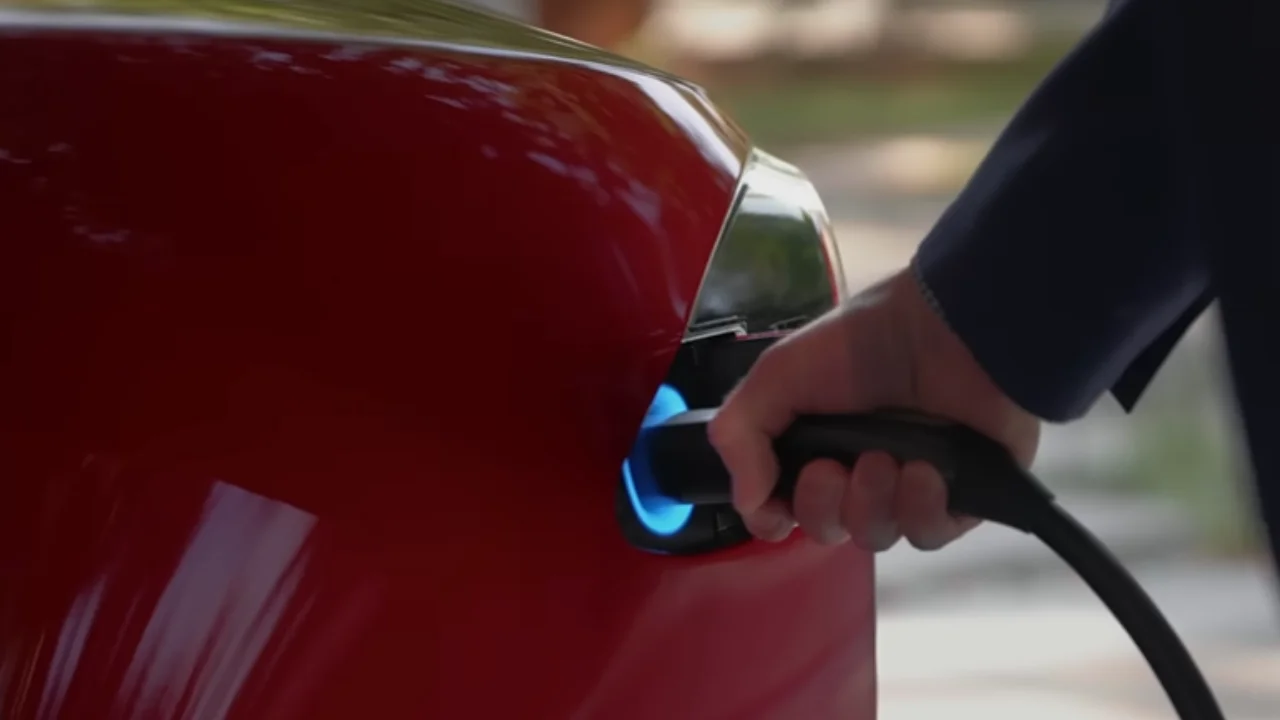
An EV just runs a small, quiet electric compressor directly off the main battery pack.
And in this guy’s case, his point definitely landed.
Here’s how much his Tesla Model X Plaid consumed
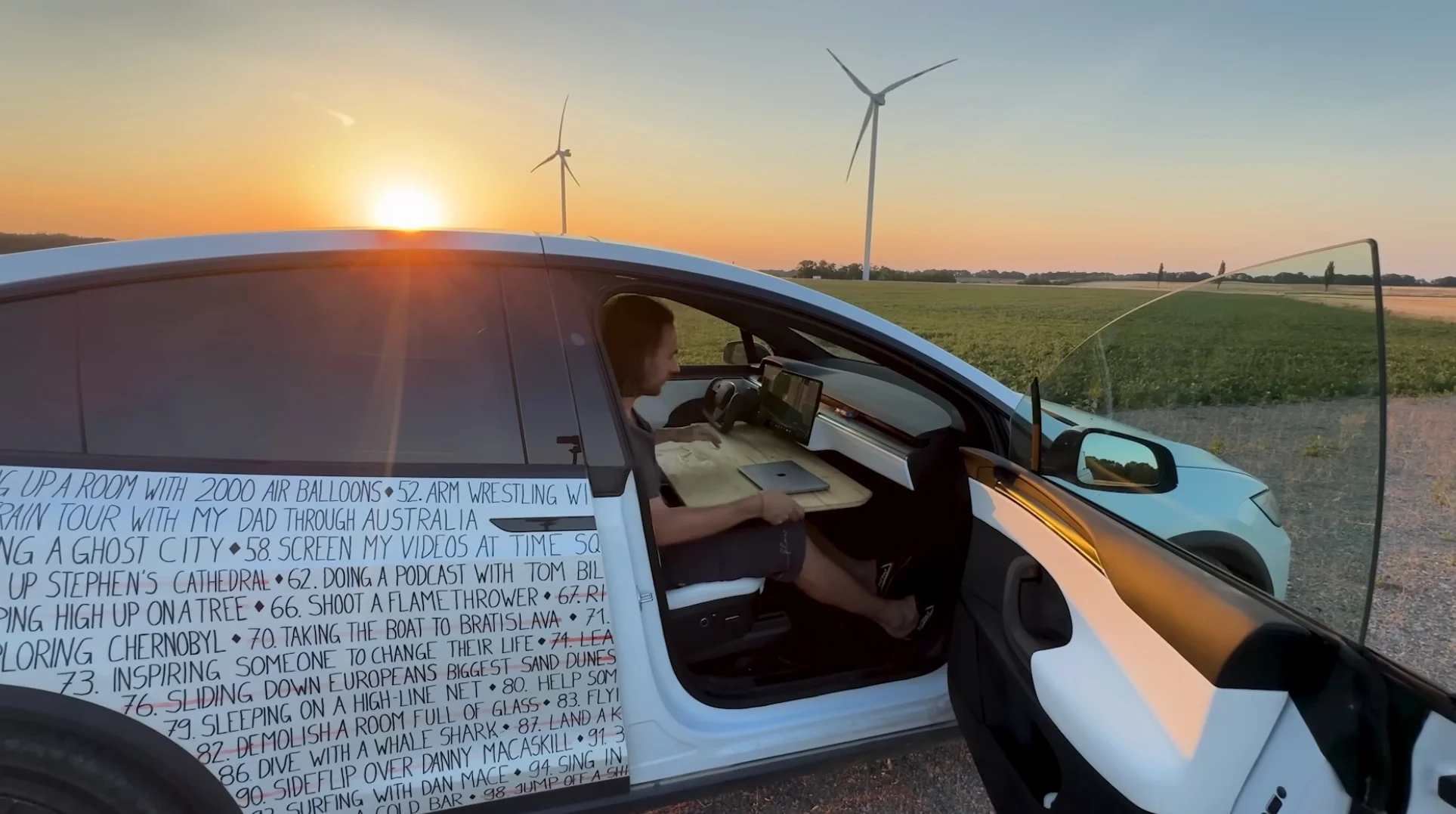
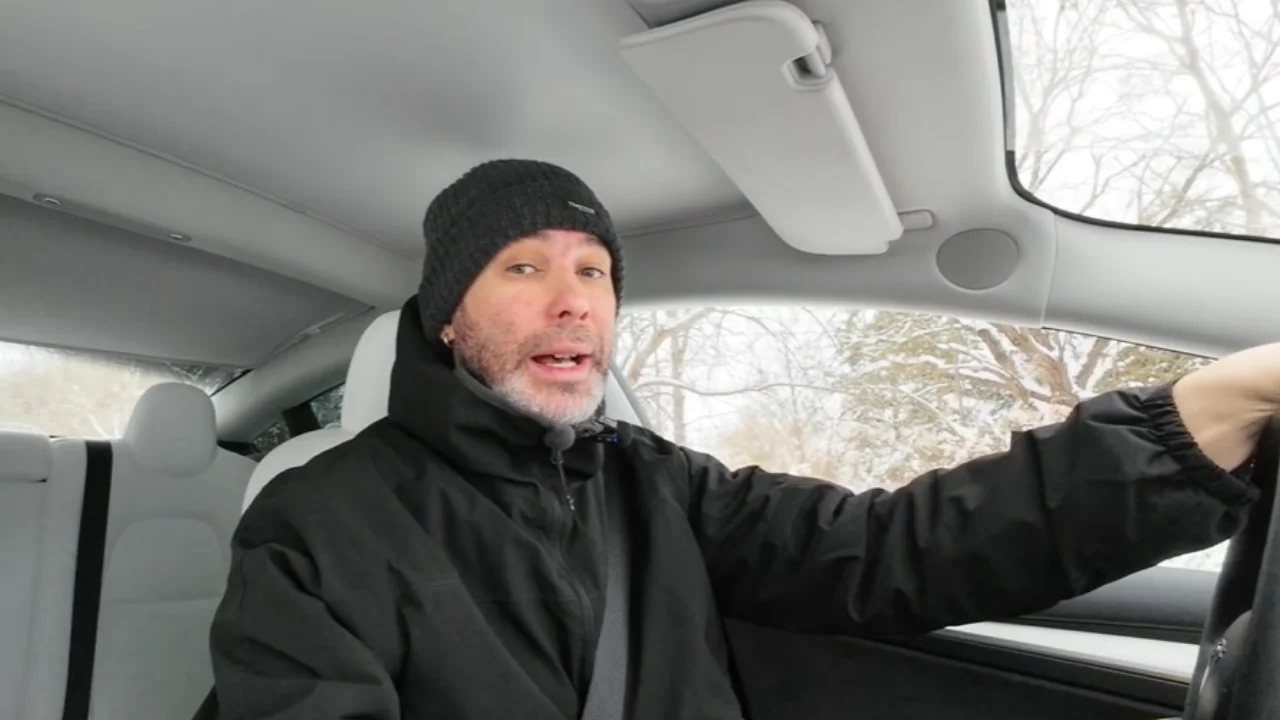
In his video, the creator behind the Tesla Camper channel tested his Tesla Model X Plaid during a 40°C (104°F) heat wave in Austria to see how much battery Camp Mode uses overnight compared to winter heating.
The task ahead was massive if you think about it.
The car had to stay powered on, protect its own battery from overheating, and simultaneously cool down the entire cabin.
And by ‘cooling down’ we mean it would have to literally slash the temperature in half – from 40°C to 20°C – for eight straight hours.
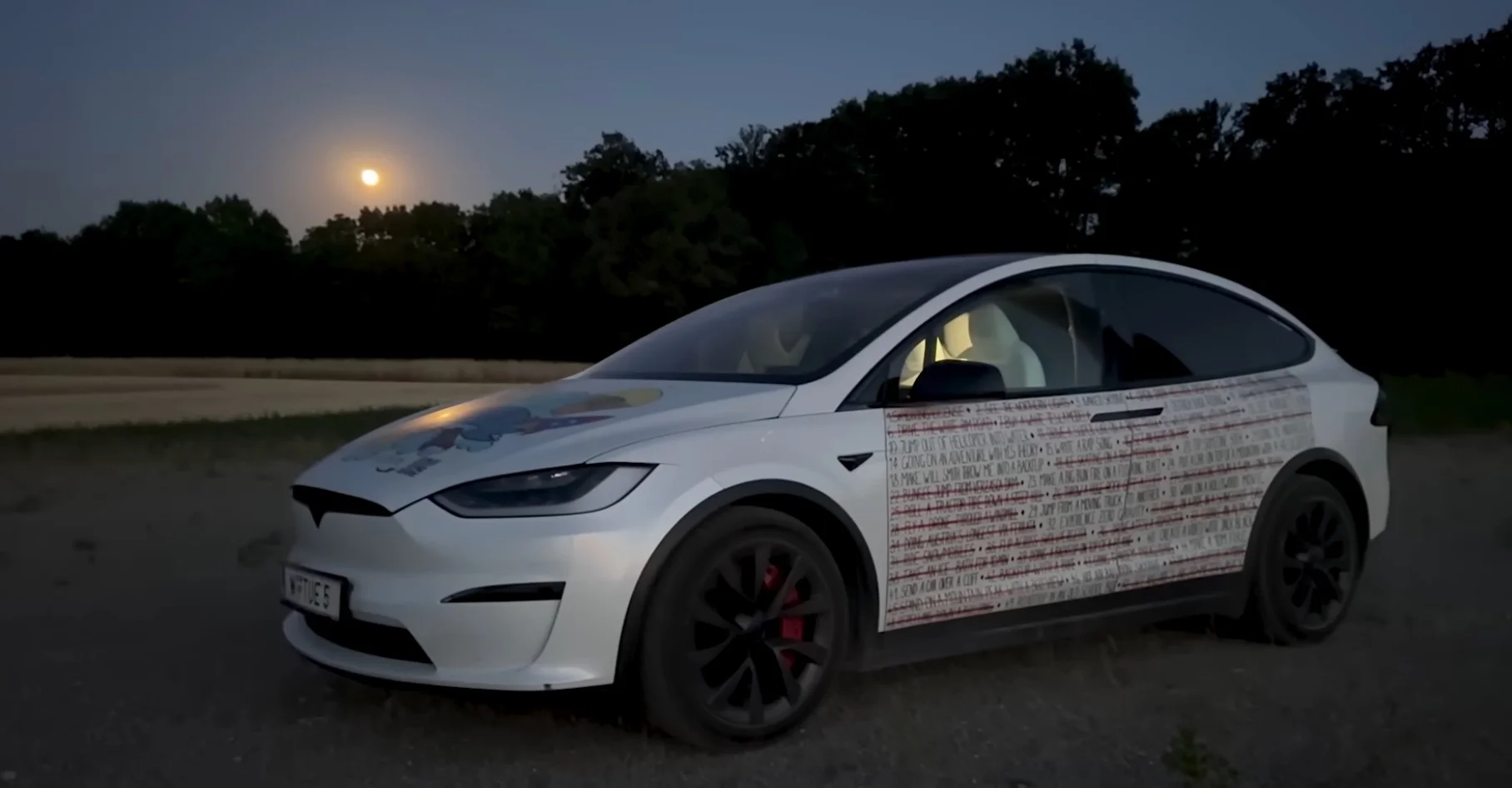
The car ended up burning (yep, the pun is deliberate) through 55 km of range (around 34 miles) – equivalent to 12 percent of the car’s current battery capacity.
This was slightly higher than typical winter heating consumption, but still pretty good, and still cheaper than actually using A/C in the house.
So we guess the moral of the story is: if you live in Europe with no A/C, buy a Tesla.
Maybe.
Alessandro is an automotive journalist with 10 years of experience covering supercars, automotive history, emerging vehicle technology, and luxury transportation. He wrote the first article published on SupercarBlondie.com when the website launched in 2022 and has since built a reputation for insightful reporting across the automotive and transportation industries. His expertise is grounded in hands-on experience. Alessandro has driven every Tesla model ever produced, from the original Roadster to the Cybertruck, and regularly covers the latest developments in electric vehicles and automotive innovation. His passion for transportation extends beyond cars, he has even flown a Boeing 787 Dreamliner simulator in Addis Ababa, Ethiopia. His reporting spans everything from classic American muscle cars and rare automotive discoveries to luxury yachts, private aircraft, high-end watches, and cutting-edge vehicle technology. Known for his deep knowledge of automotive history and ability to uncover the stories behind iconic vehicles, Alessandro brings readers a blend of historical context, technical expertise, and first-hand experience.