Two 'identical' Tesla Model Xs sitting on a lot hide a massive price gap under the hood and this is why
Published on Nov 27, 2026 at 9:02 PM (UTC-5)
by Alessandro Renesis
Last updated on Nov 27, 2026 at 9:02 PM (UTC-5)
Edited by
Mason Jones
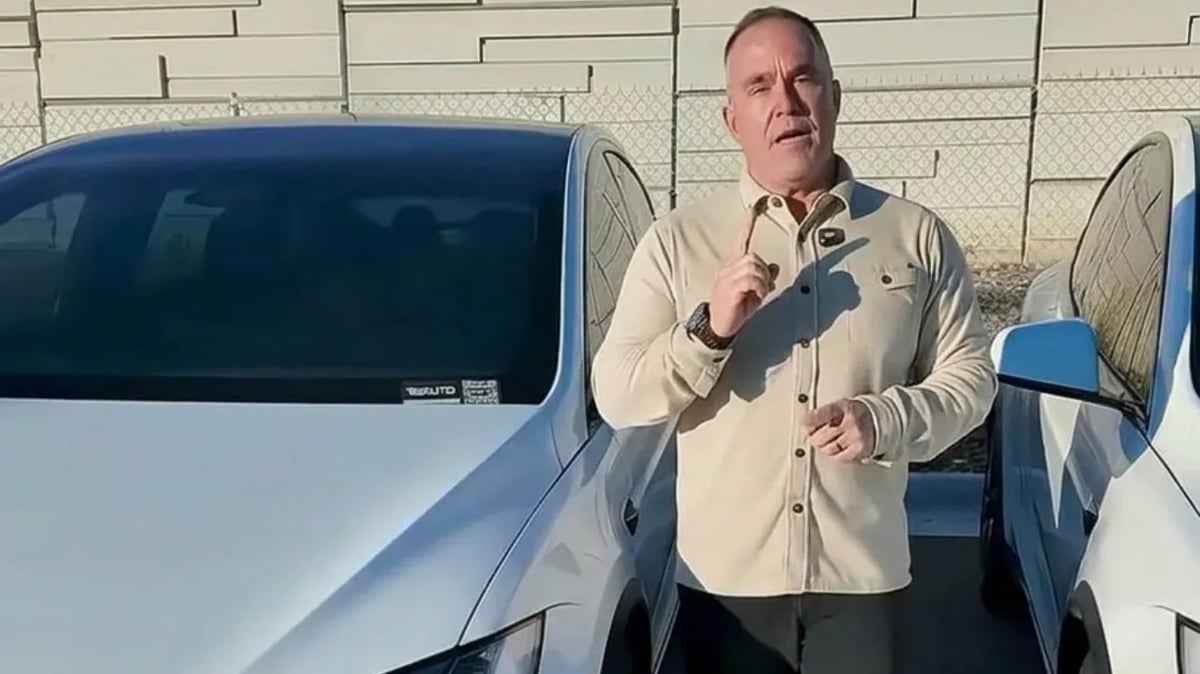

These two Tesla Model Xs are virtually identical, and yet they’re priced very differently.
They’re roughly the same age, same mileage, same condition – and yet one of them is significantly more valuable.
This isn’t a one-off, by the way, because there’s a specific reason why this is a recurring theme.
And the reason leads to a point people have been making for years.
Two identical Tesla models can be priced differently
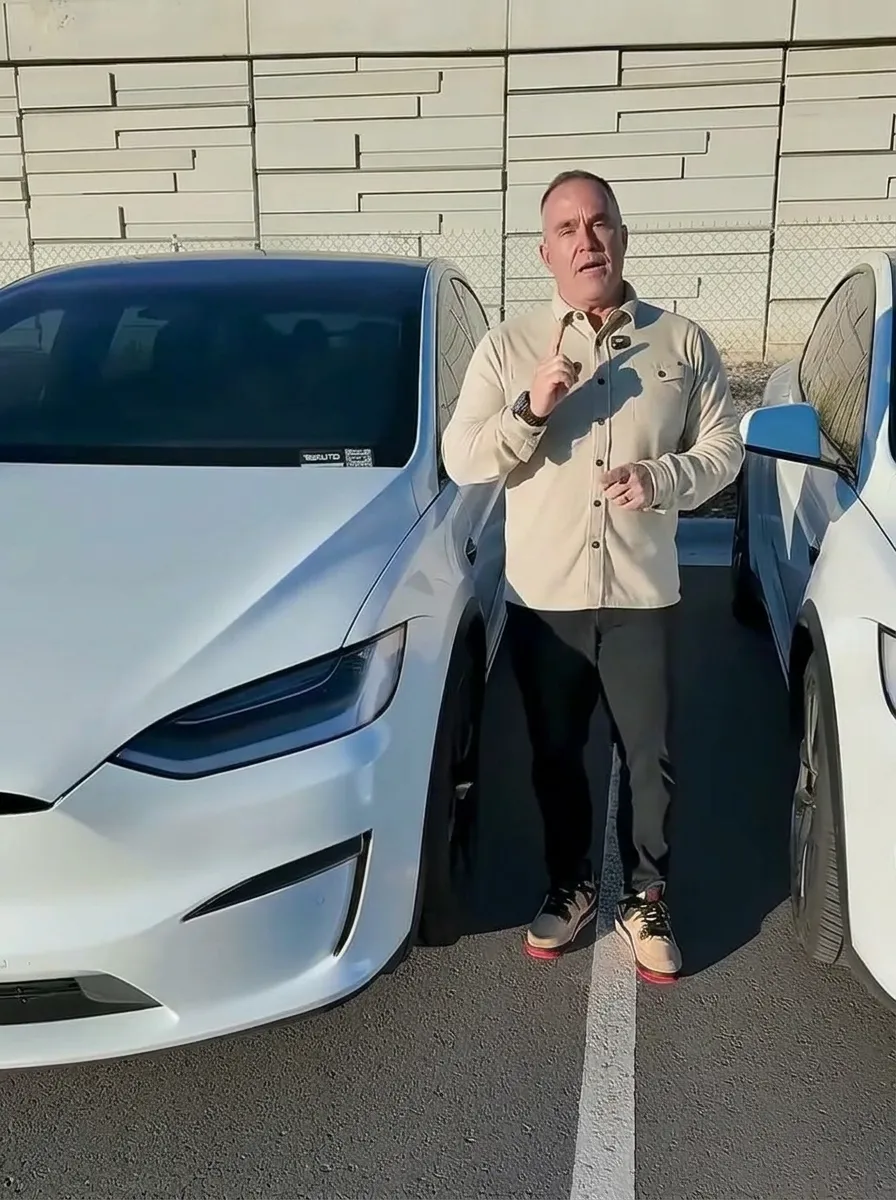
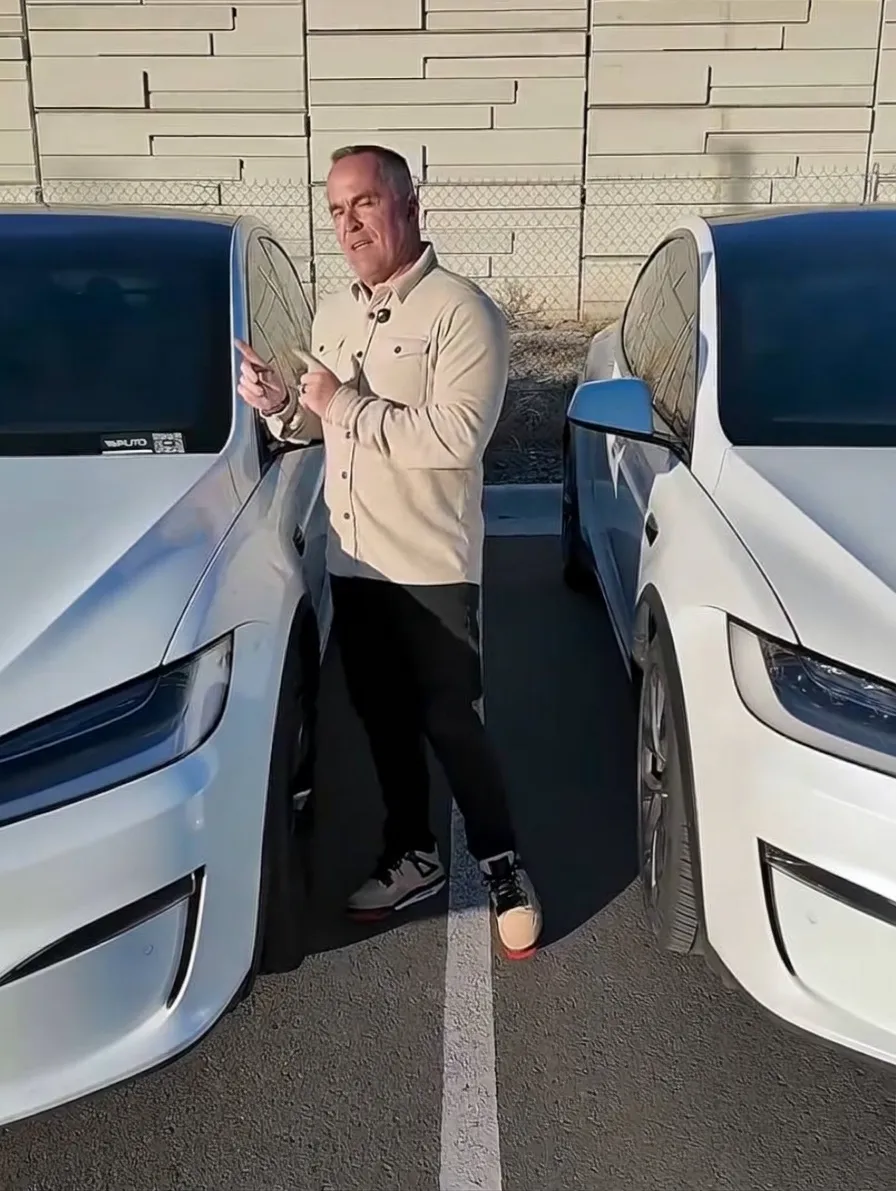
In his latest video, YouTuber and EV dealer EV Auto Alex highlighted the huge difference in price between two virtually identical Model Xs.
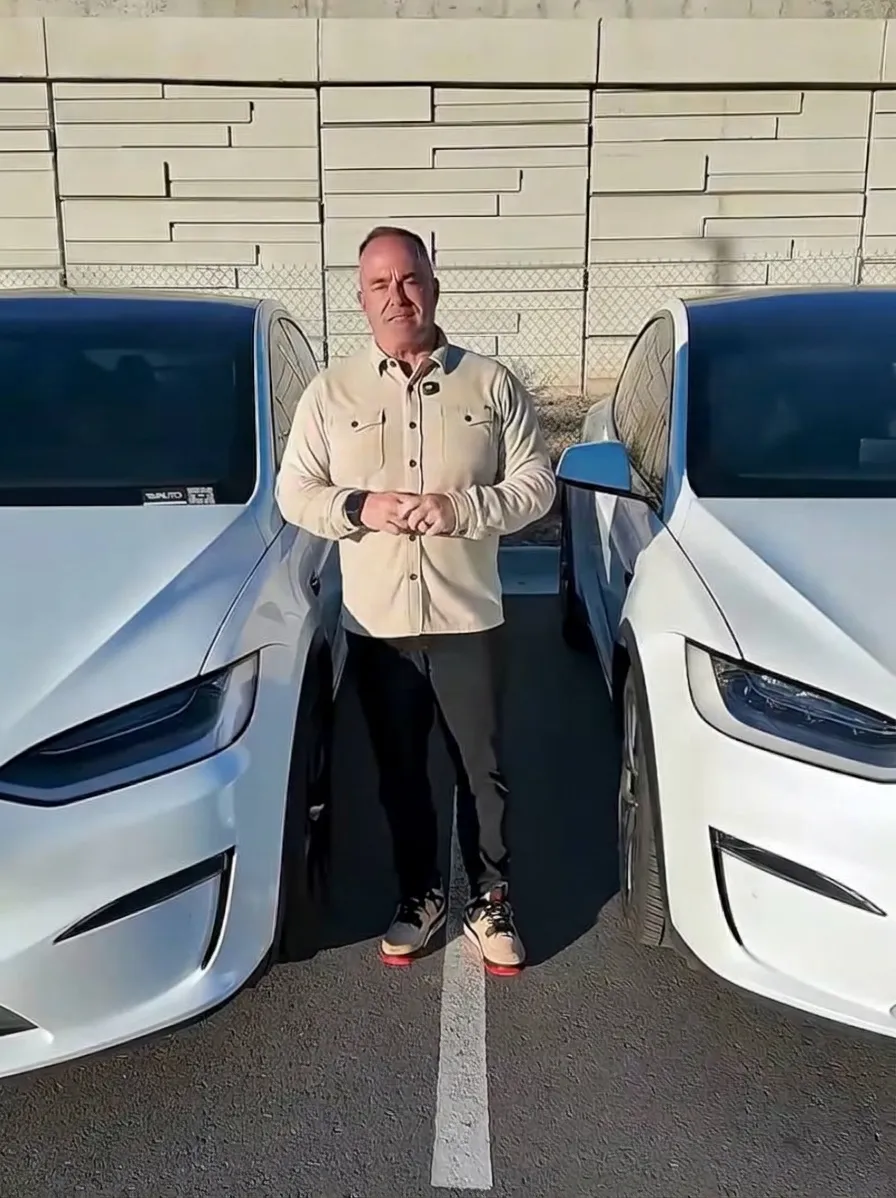
On the surface, these two vehicles are exactly the same.
They’re even painted in the same color.
On this occasion, the price gap isn’t determined by mileage, age, or condition.
Instead, it’s something else entirely.
Alex used two Model Xs for this example, but he could have used (nearly) any other Tesla model as an example.
Because this isn’t about the car; it’s about a specific feature.
The reason for the price difference
The key difference is FSD, Tesla’s Full Self-Driving.
They both have it, but as Alex pointed out, one of these two cars can’t ‘lose’ it, while the other one can.
“This one has Full Self-Driving paid for, and this one, you have to subscribe to Full Self-Driving,” Alex noted.
It may not sound like a big difference, but built-in FSD adds value.
“When somebody bought this car, they paid probably $6,000-$8,000 – maybe even more because Tesla changed their pricing a lot – to own the Full Self-Driving forever,” Alex explained.
To be clear, Full Self-Driving is tied to the car, not the buyer, but that does mean that buying the FSD Tesla Model X means you’ll get free FSD for as long as you keep car, and you can forget about the $99-per-month subscription.
And rarity plays a key role, too.
That’s because, according to Alex, finding Teslas that have FSD included as a permanent feature rather than an optional one is getting harder, mostly because Tesla removed that option a while back.
Why some people criticize the subscription model
Some people aren’t too happy about this, and they argue that the second option – the subscription-only model that so many automakers seem to love at the moment – removes the ownership element.
This is a recurring theme across several industries, as companies transition to business models that favor subscribing to something rather than owning something outright.
The price is one reason.
Whatever you paid for FSD, you now own it and won’t have to worry about it.
And yes, it is true: it still technically belongs to Tesla because anything that needs servers depends entirely on who owns the servers.
But, apart from that, it’s yours, and you don’t have to worry about it.
With a subscription system, you never know when or how the price can go up.
The Tesla Cybercab, for example, costs a whopping $299 per month rather than the conventional $99.
Why are FSD Teslas getting harder to find

There are two main reasons why Teslas with paid for FSD are getting hard to find.
First, to a lot of people, it wasn’t that cheap.
“Buying FSD cost the customer originally as little as $8K one time and as much as $15K one time – depending upon when they bough it – and that transfers with the car. Without this option, FSD is $99/month forever,” Alex Lawrence, owner of EV Auto Alex, told Supercar Blondie.
In other words, it represents added value to the car, but back then it cost the original owner a significant amount of money that most didn’t want to spend back then – and that’s why most Teslas don’t have it.
This leads to the second reason: statistically, Model Y and Model 3 owners used to favor the subscription option, whereas Model S and X owners preferred to buy it outright.
But since the Model X and S are older models and they’re no longer available as new, this means that paid for FSD is very hard to find on the two Tesla models that are still popular today.
The best of Supercar Blondie, every Sunday
The week's best car stories, straight to your inbox. Free.
Alessandro is an automotive journalist with 10 years of experience covering supercars, automotive history, emerging vehicle technology, and luxury transportation. He wrote the first article published on SupercarBlondie.com when the website launched in 2022 and has since built a reputation for insightful reporting across the automotive and transportation industries. His expertise is grounded in hands-on experience. Alessandro has driven every Tesla model ever produced, from the original Roadster to the Cybertruck, and regularly covers the latest developments in electric vehicles and automotive innovation. His passion for transportation extends beyond cars, he has even flown a Boeing 787 Dreamliner simulator in Addis Ababa, Ethiopia. His reporting spans everything from classic American muscle cars and rare automotive discoveries to luxury yachts, private aircraft, high-end watches, and cutting-edge vehicle technology. Known for his deep knowledge of automotive history and ability to uncover the stories behind iconic vehicles, Alessandro brings readers a blend of historical context, technical expertise, and first-hand experience.