Ohio man drives Tesla Model Y 2,200 miles across the US and reveals the exact cost to charge it compared to a gas car
Published on Nov 19, 2026 at 3:07 PM (UTC-5)
by Alessandro Renesis
Last updated on Nov 19, 2026 at 3:07 PM (UTC-5)
Edited by
Alessandro Renesis
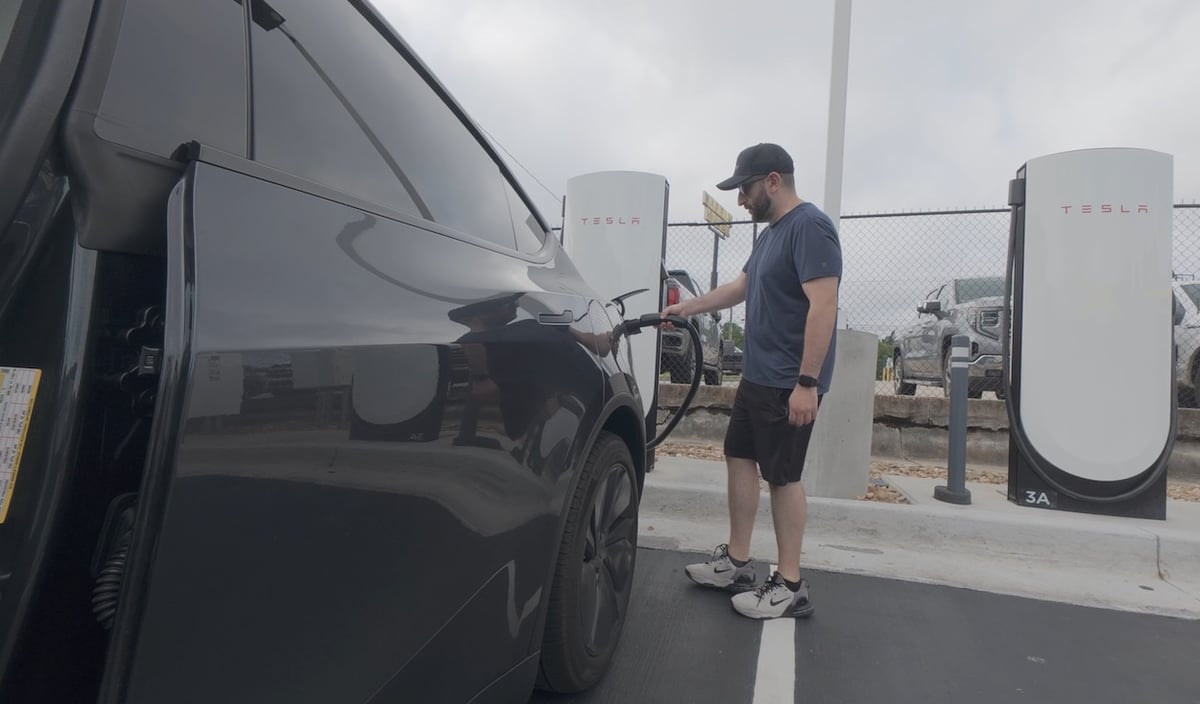

This guy drove his Tesla Model Y from Ohio to Florida for over 2,200 miles and then revealed exactly how much it cost him.
The result was surprising.
Partly because the savings compared to a gas car were nothing to sneeze at.
But also because of another reason.
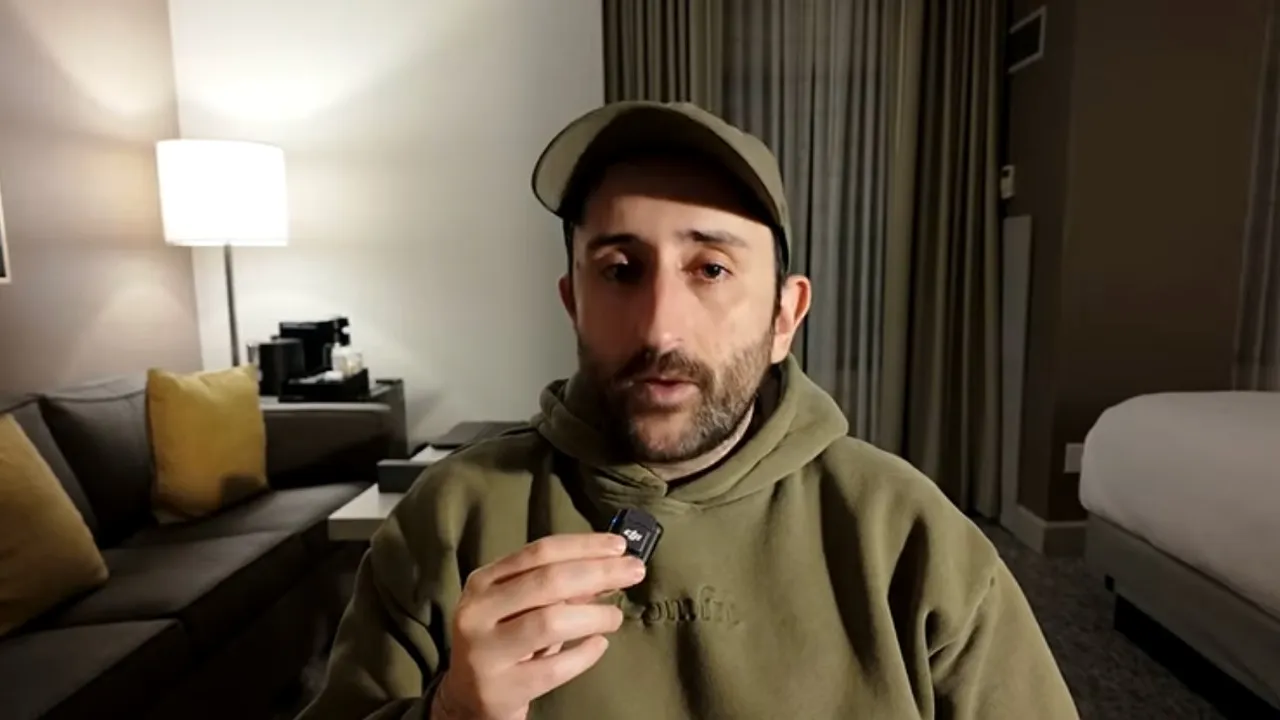
This 2,200-mile road trip cost less than you can imagine
The guy behind the Drive Electric Today YouTube channel drove his Tesla Model Y from Ohio to Florida just to test how much he’d spend on charges.
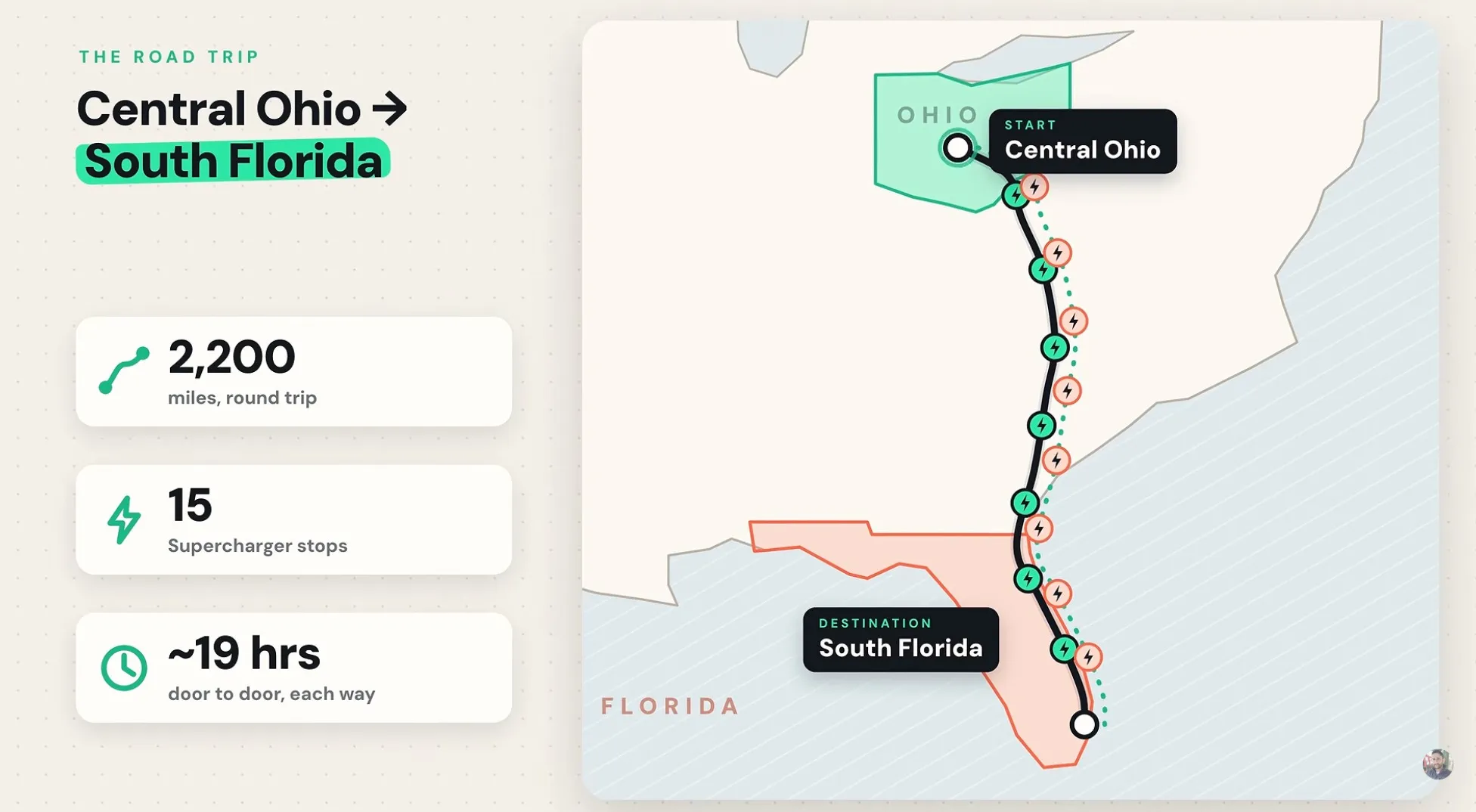
Over the course of the 2,200-mile interstate journey, the 2026 Model Y required 15 Supercharger stops, resulting in a total energy cost of $262.75.
By comparison, an equivalent (30mpg) gas car would’ve cost anywhere between $310 and $320.
Even though the result was impressive, there are two caveats to bear in mind.
This is further proof that Superchargers can be expensive
Although the Tesla Model Y still came out ahead financially, saving just under $50 over more than two thousand miles demonstrates that public DC fast charging is priced much closer to retail gasoline than home electricity rates.
And that’s true across the board, not just in Ohio or Florida.
In theory, the cheapest way to charge a car is with a home charger, but not everyone can rely on that.
And if you have to use public infrastructure, or fast DC charger from Tesla’s Supercharger network, the bill will go up quite quickly.
And there’s another element that we have to bear in mind.
This is still one of the biggest drawbacks of owning an EV
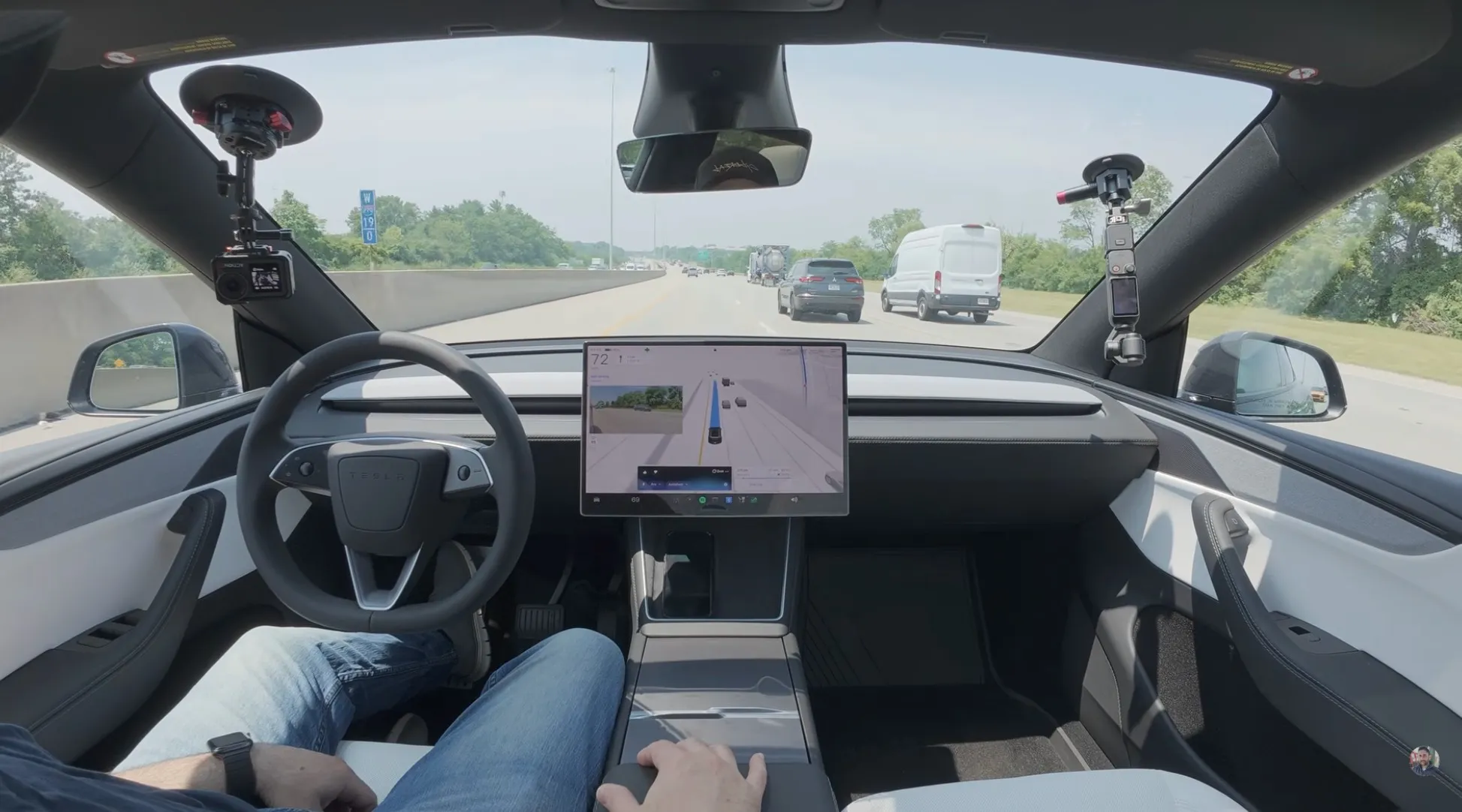
Spending an average of 22 minutes per plug-in added roughly two hours of total travel time compared to a conventional combustion vehicle.
Beyond the raw cost, the trip highlighted how heavily modern EV road-tripping relies on onboard software rather than manual planning.
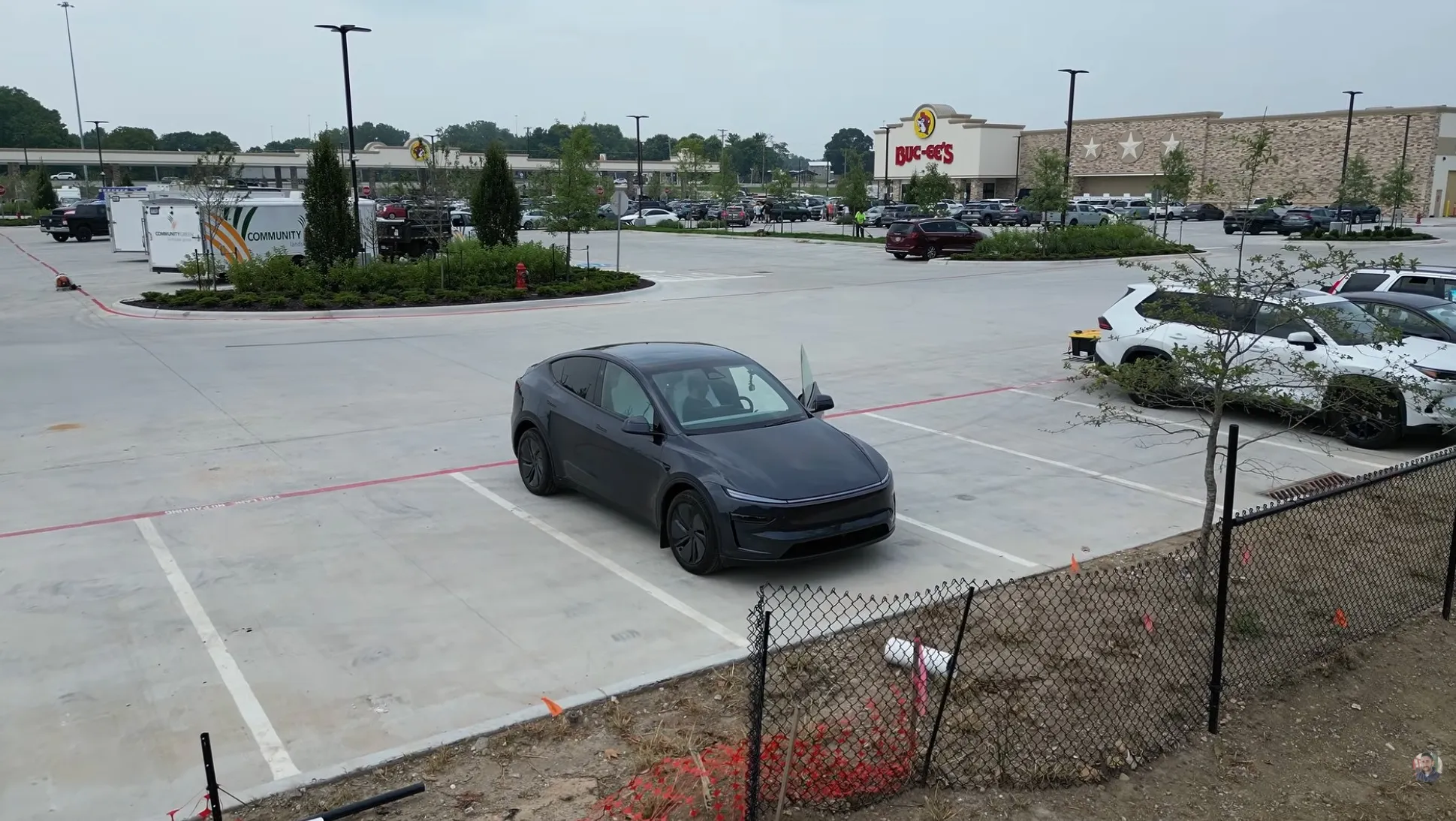
The test vehicle – equipped with Full Self-Driving (FSD) – relied entirely on Tesla’s native navigation system to manage the route.
The driver also advised against using third-party charging route planners, because Tesla’s system is more intuitive, and then you also have to work out when and where to stop.
In other words, it’s a bit of a chore.

Even today, in 2026, a road trip with an EV does require extra ‘mental’ work and planning that you simply don’t have with gas cars.
The good news is this is getting better by the minute.
Sooner or later, charging an EV will require less than 10 or maybe five minutes.
And hopefully you won’t need to plan ahead at all.
The best of Supercar Blondie, every Sunday
The week's best car stories, straight to your inbox. Free.
Alessandro is an automotive journalist with 10 years of experience covering supercars, automotive history, emerging vehicle technology, and luxury transportation. He wrote the first article published on SupercarBlondie.com when the website launched in 2022 and has since built a reputation for insightful reporting across the automotive and transportation industries. His expertise is grounded in hands-on experience. Alessandro has driven every Tesla model ever produced, from the original Roadster to the Cybertruck, and regularly covers the latest developments in electric vehicles and automotive innovation. His passion for transportation extends beyond cars, he has even flown a Boeing 787 Dreamliner simulator in Addis Ababa, Ethiopia. His reporting spans everything from classic American muscle cars and rare automotive discoveries to luxury yachts, private aircraft, high-end watches, and cutting-edge vehicle technology. Known for his deep knowledge of automotive history and ability to uncover the stories behind iconic vehicles, Alessandro brings readers a blend of historical context, technical expertise, and first-hand experience.