These are the key differences between FSD and the original Tesla Autopilot and which is better
Published on Oct 11, 2026 at 11:42 AM (UTC-4)
by Alessandro Renesis
Last updated on Oct 11, 2026 at 11:42 AM (UTC-4)
Edited by
Mason Jones
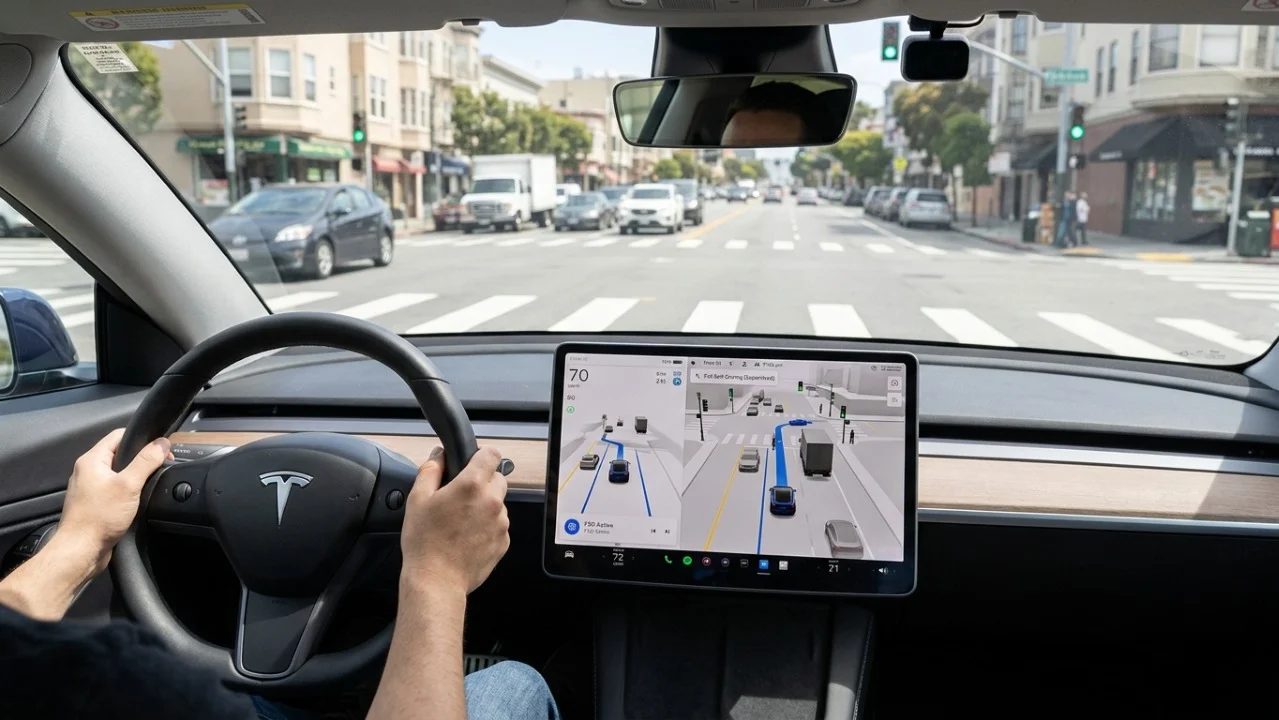

Tesla FSD is the evolution of Autopilot, and both represent different versions of self-driving.
But it’s not that simple.
There are a few key differences to highlight, especially now that Autopilot has been phased out.
Crucially, there’s also a key similarity.
The evolution of self-driving
Autopilot was first introduced in 2014 and it was very rudimentary back then.
It was basically a small collection of ADAS (advanced driver-assistance systems) that were useful, but it wasn’t something you could realistically call ‘self-driving’.
However, through the years, Tesla began adding features, and more importantly it got better at integrating existing features.
The result was a system that could be reasonably called autonomous, at least in practical terms.
Then, for about seven years starting in 2019, Autopilot and FSD coexisted.
As standard, you’d get Autopilot or, alternatively, FSD was offered as an outright purchase or a monthly subscription.
Not long ago, Tesla removed the option to buy FSD outright – you can only lease it as a subscription.
Then, just a few weeks ago, Autopilot disappeared completely, leaving Tesla owners with two choices.
They can either have ‘zero’ self-driving, or full self-driving.
Related
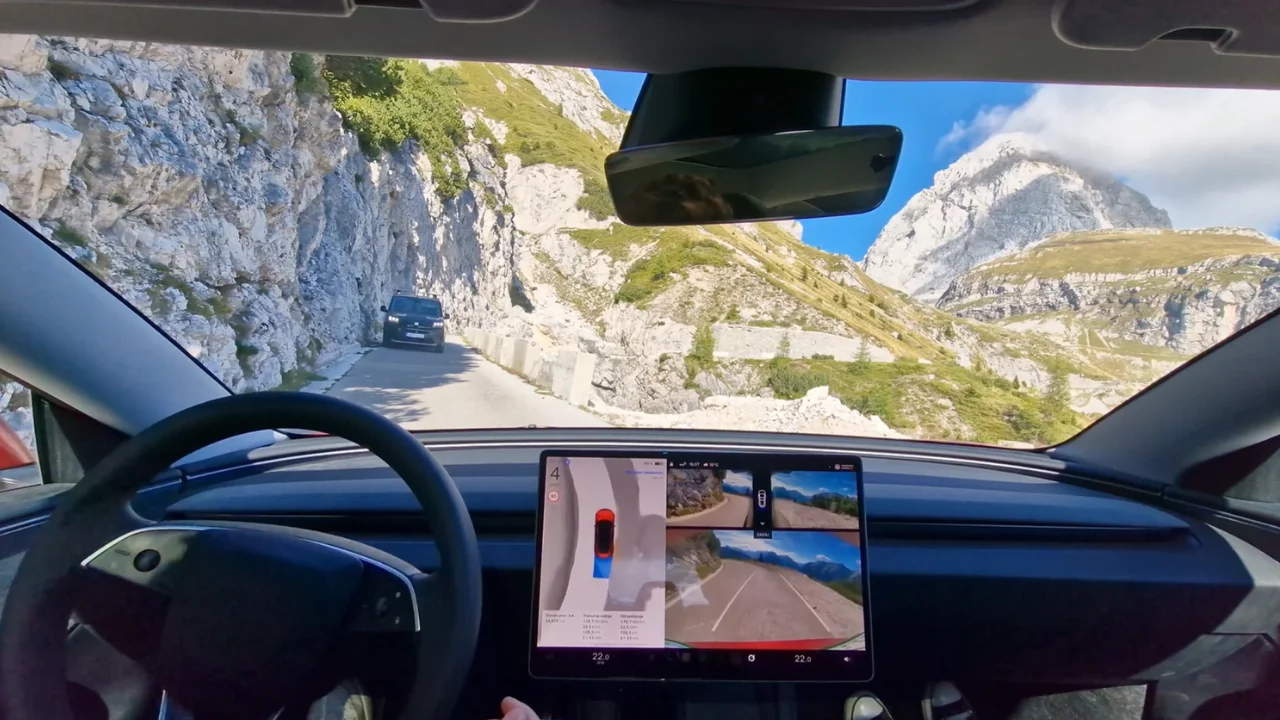
The main difference between Tesla Autopilot and FSD isn’t just technical
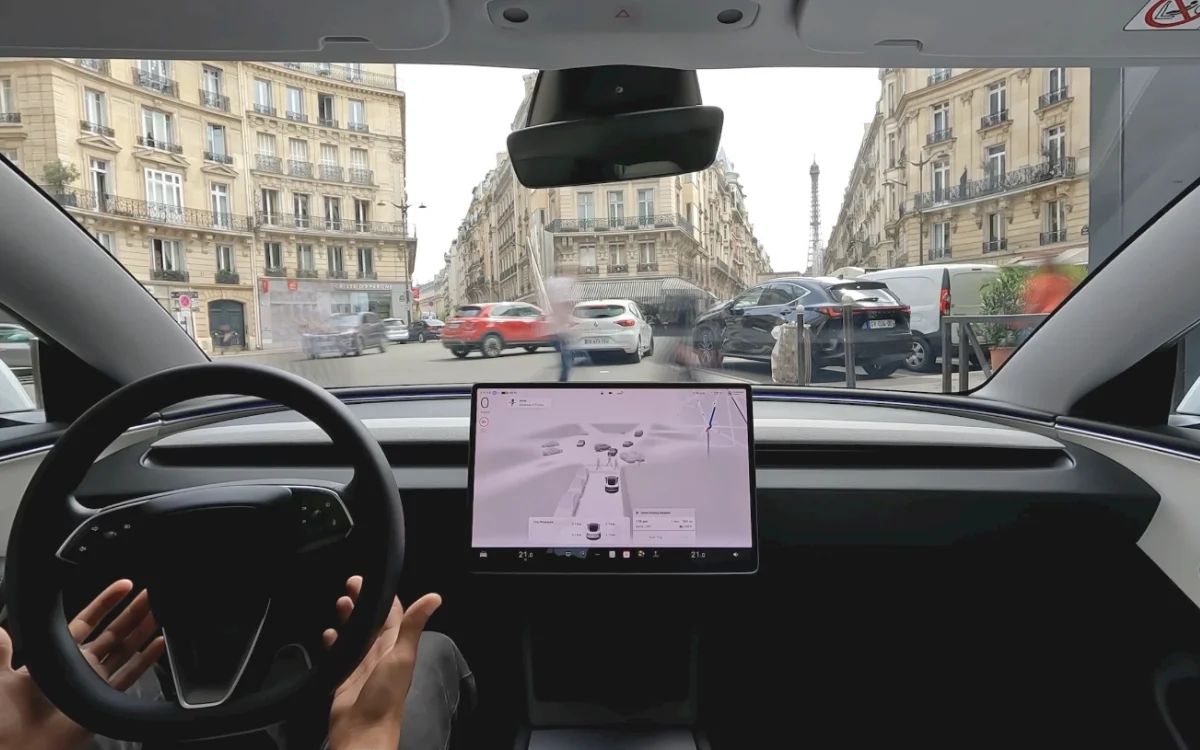
On paper, Autopilot and Tesla FSD are massively different.
In practice, there’s a legal bottleneck that precedes any technical discussions.
In several regions, including most European countries, it doesn’t really matter whether you’ve got FSD or Autopilot because neither is fully approved.
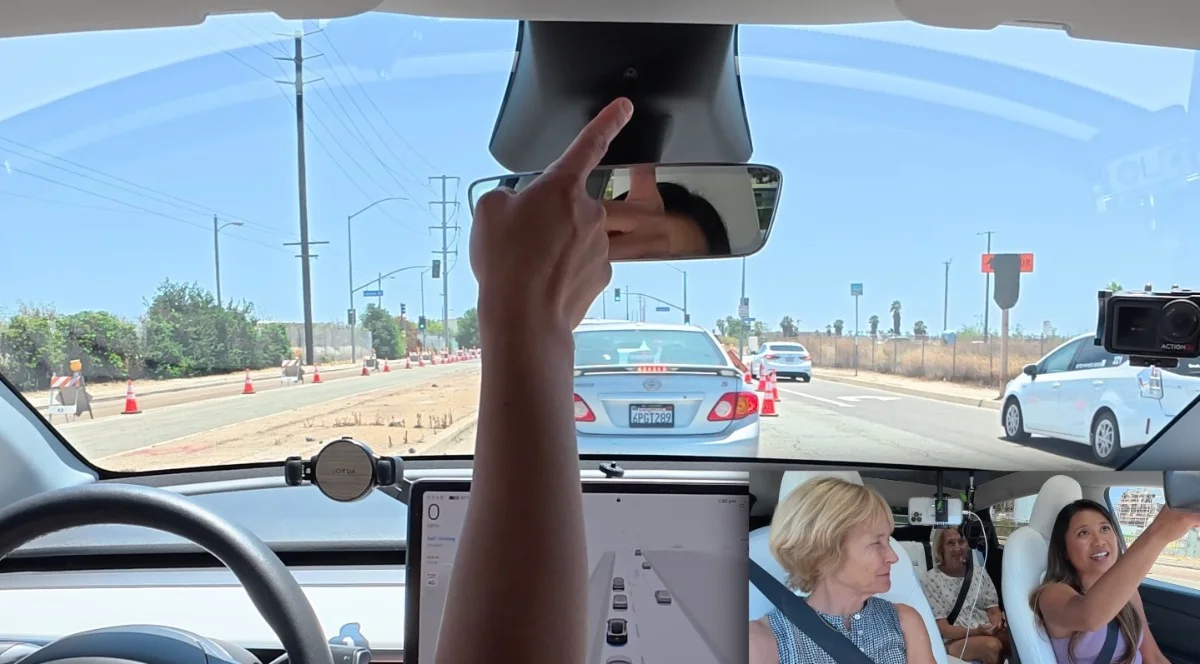
The technical part is sound, but Tesla is legally required to ‘force’ you – i.e., the driver – to nudge the steering wheel every few seconds to tell the car you’re there and awake.
I’ve driven autonomous Teslas both in the US and Europe and it’s night and day.
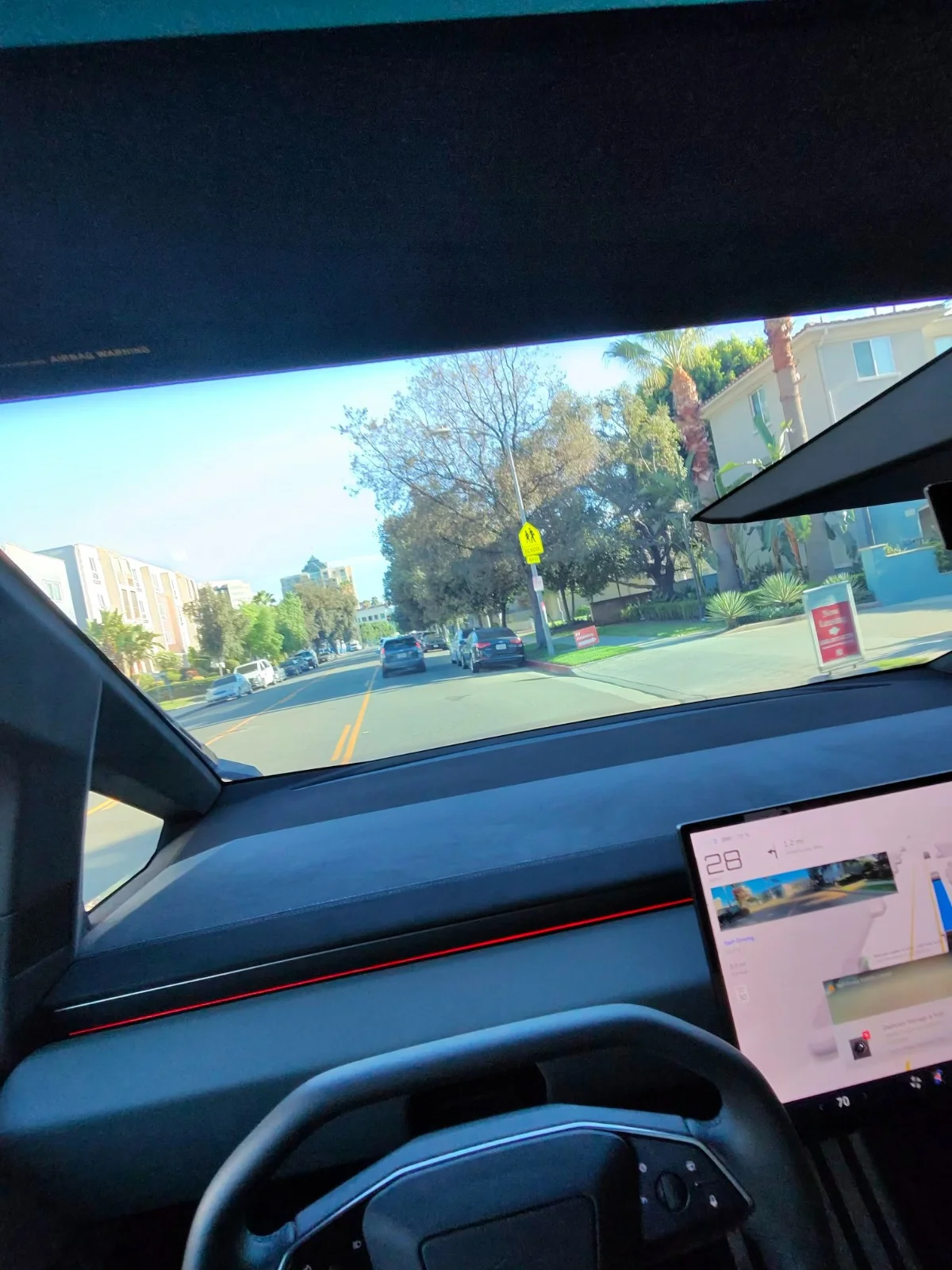
In the US, you engage FSD and the vehicle will theoretically drive itself.
In Europe, the car will be nagging you every few seconds.
It’s so annoying it’s counterproductive.
The good news is that this problem is going away, albeit quite slowly.
At the time of writing, FSD is fully approved in only eight out of 27 EU countries.
The key differences between Autopilot and FSD
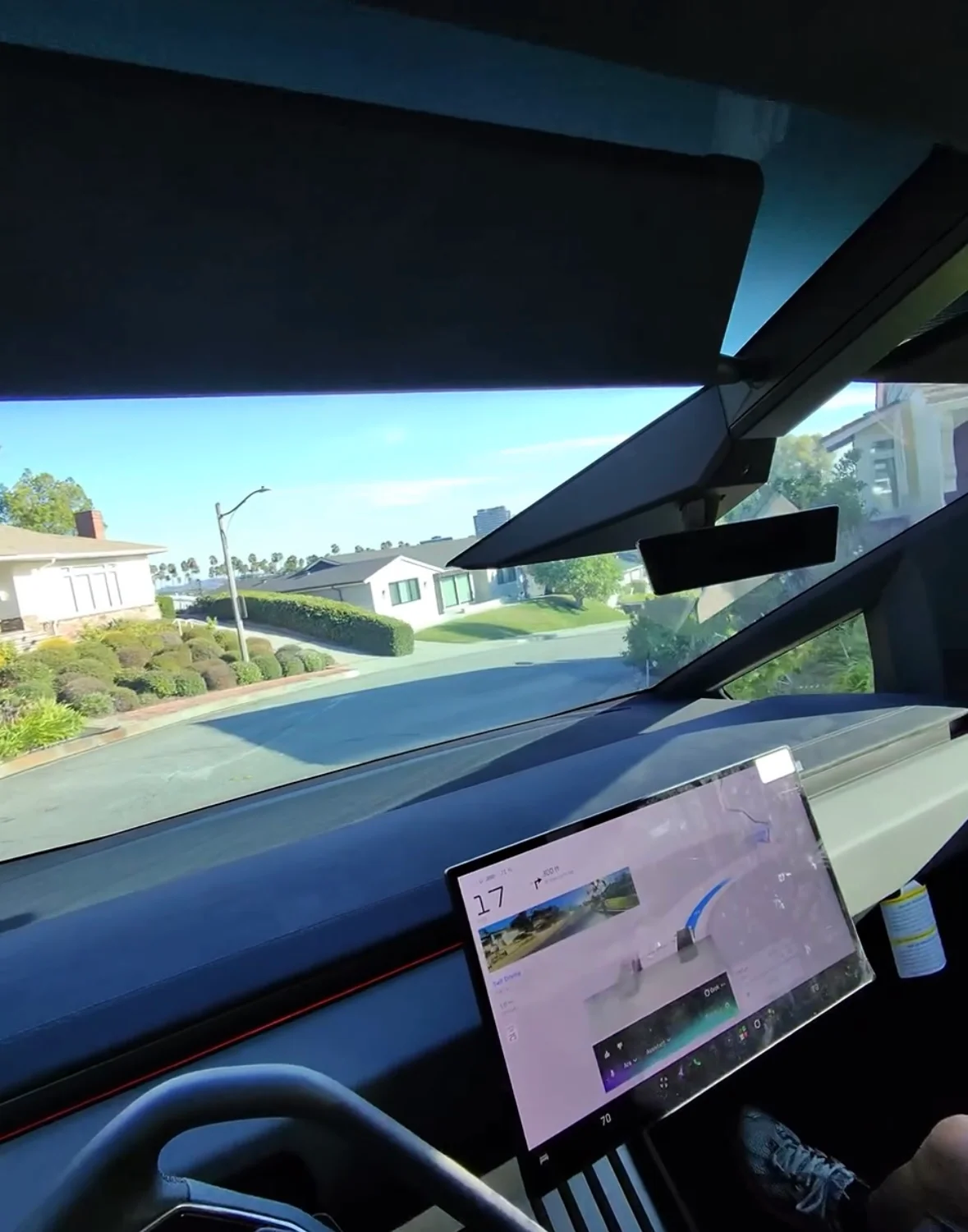
There are several key differences between Tesla FSD and Autopilot.
The first one is the environment.
In general, Autopilot is designed for highways or freeways.
By contrast, FSD can also navigate complex intersections and city streets.
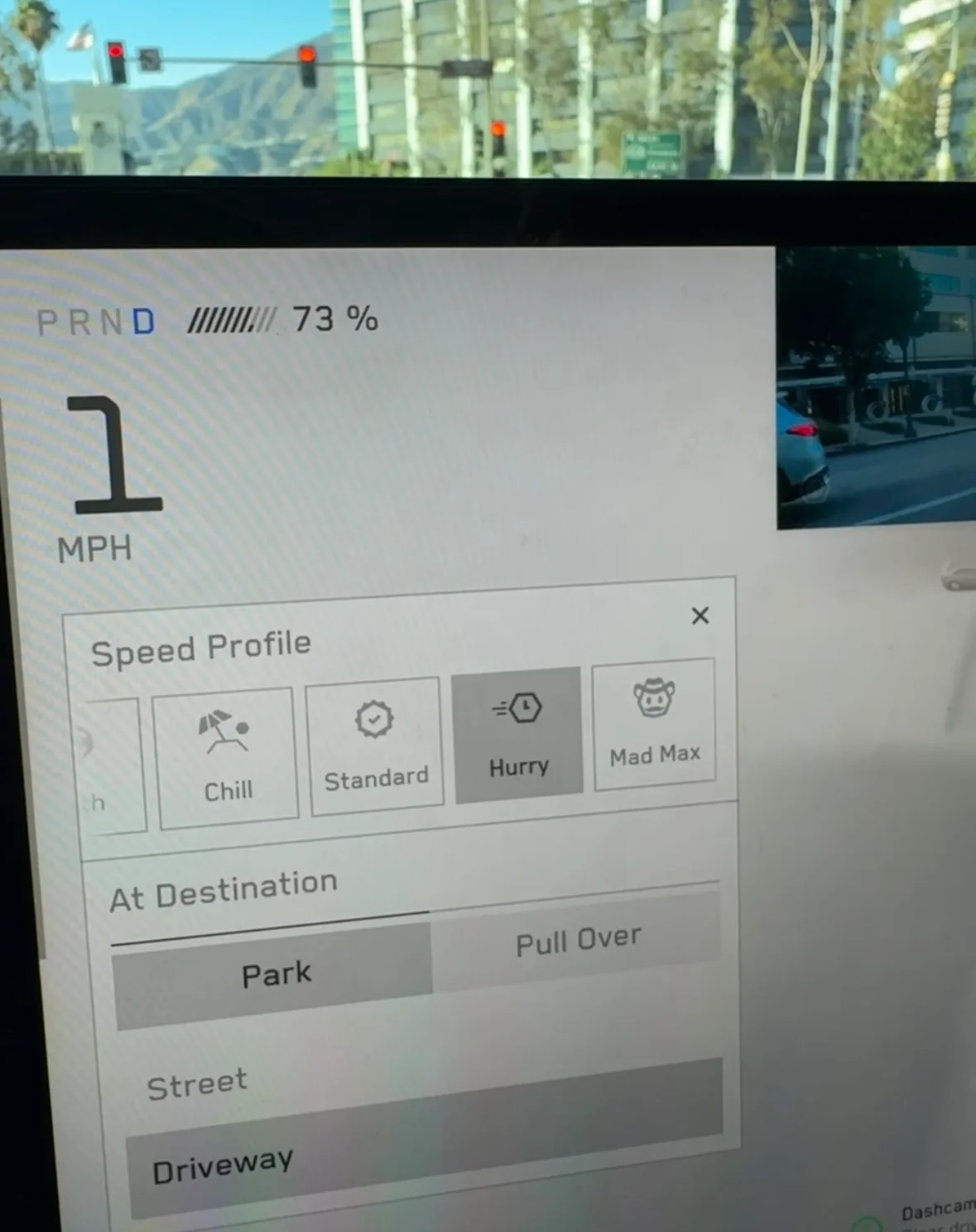
Also, Tesla FSD is highly automated.
Lane changes, traffic light and stop sign control – all of that is done automatically.
With Autopilot, it isn’t.
Put simply, FSD is a significant step towards full autonomy, whereas Autopilot is more like a glorified cruise control system.
There’s one thing these Tesla features have in common
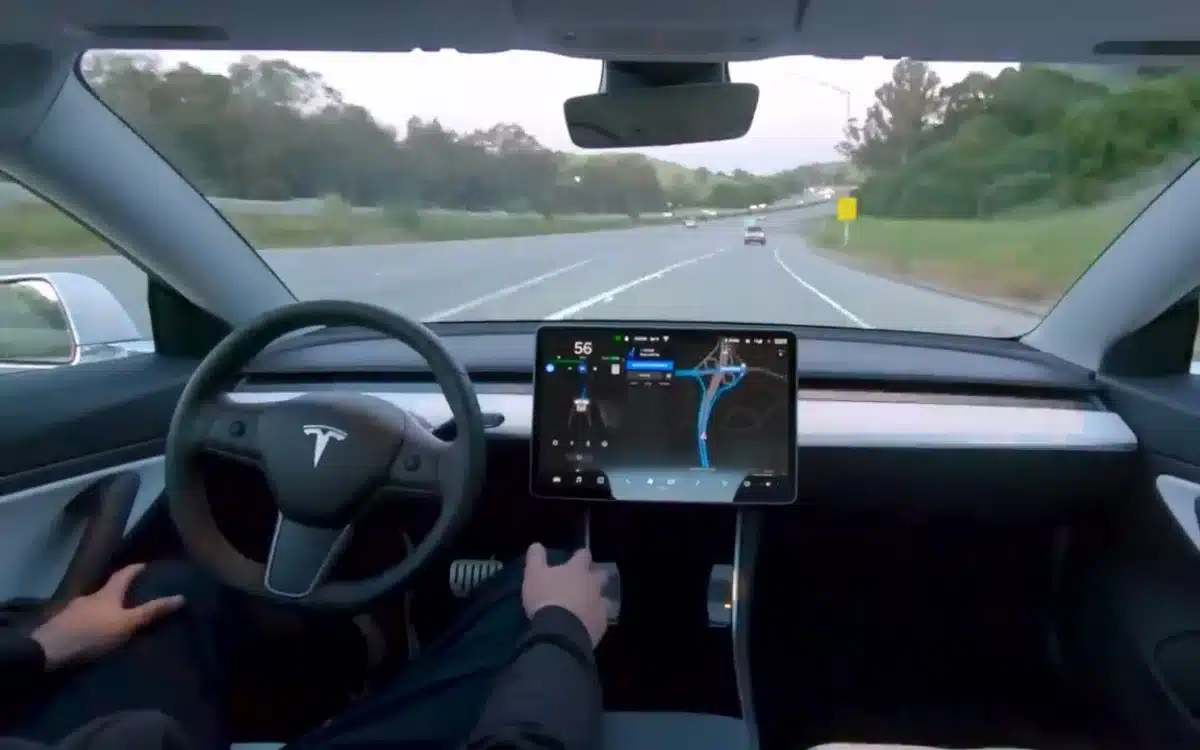
What’s interesting is that both features are actually Level 2 systems.
Autopilot is Level 2 because its feature set is technically limited; FSD is designated as Level 2 mainly because of legal constraints and driver supervision requirements.
By maintaining Full Self-Driving as a Level 2 system, Tesla ensures the driver remains legally responsible for the vehicle’s operation.
If the software were classified as Level 4 or higher, the company would inherit legal liability in the event of a crash.
The only exception is Cybercab (where available) and Robotaxis, which are certified as Level 4 – like Waymo.

Tesla’s goal has always been Level 5.
The difference between Level 4 and 5 is not insignificant.
While both represent full autonomy Level 4 operates within a restricted geofenced areas and specific weather conditions.
Level 5, by contrast, removes all operational limitations, allowing the vehicle to drive autonomously on any road, anywhere in the world, under any weather condition.
We may have watched the movie I, Robot one too many times, but that doesn’t sound reassuring.
Alessandro is an automotive journalist with 10 years of experience covering supercars, automotive history, emerging vehicle technology, and luxury transportation. He wrote the first article published on SupercarBlondie.com when the website launched in 2022 and has since built a reputation for insightful reporting across the automotive and transportation industries. His expertise is grounded in hands-on experience. Alessandro has driven every Tesla model ever produced, from the original Roadster to the Cybertruck, and regularly covers the latest developments in electric vehicles and automotive innovation. His passion for transportation extends beyond cars, he has even flown a Boeing 787 Dreamliner simulator in Addis Ababa, Ethiopia. His reporting spans everything from classic American muscle cars and rare automotive discoveries to luxury yachts, private aircraft, high-end watches, and cutting-edge vehicle technology. Known for his deep knowledge of automotive history and ability to uncover the stories behind iconic vehicles, Alessandro brings readers a blend of historical context, technical expertise, and first-hand experience.