Man drives 1,500 miles in a Tesla and shows the incredible savings he made using Superchargers compared to other cars' costs
Published on Nov 24, 2025 at 8:07 AM (UTC-5)
by Alessandro Renesis
Last updated on Nov 24, 2025 at 8:39 AM (UTC-5)
Edited by
Emma Matthews


This Tesla owner drove 1,500 miles in the UK using nothing but Superchargers and still saved a fortune.
It’s interesting because using a Supercharger is arguably the most expensive way of charging your EV.
But even so, that was still infinitely cheaper than using gas.
Although his experience indirectly confirmed something we all know by now.
DISCOVER SBX CARS: The global premium car auction platform powered by Supercar Blondie
This is how much this Tesla owner saved by using an EV and not a gas car
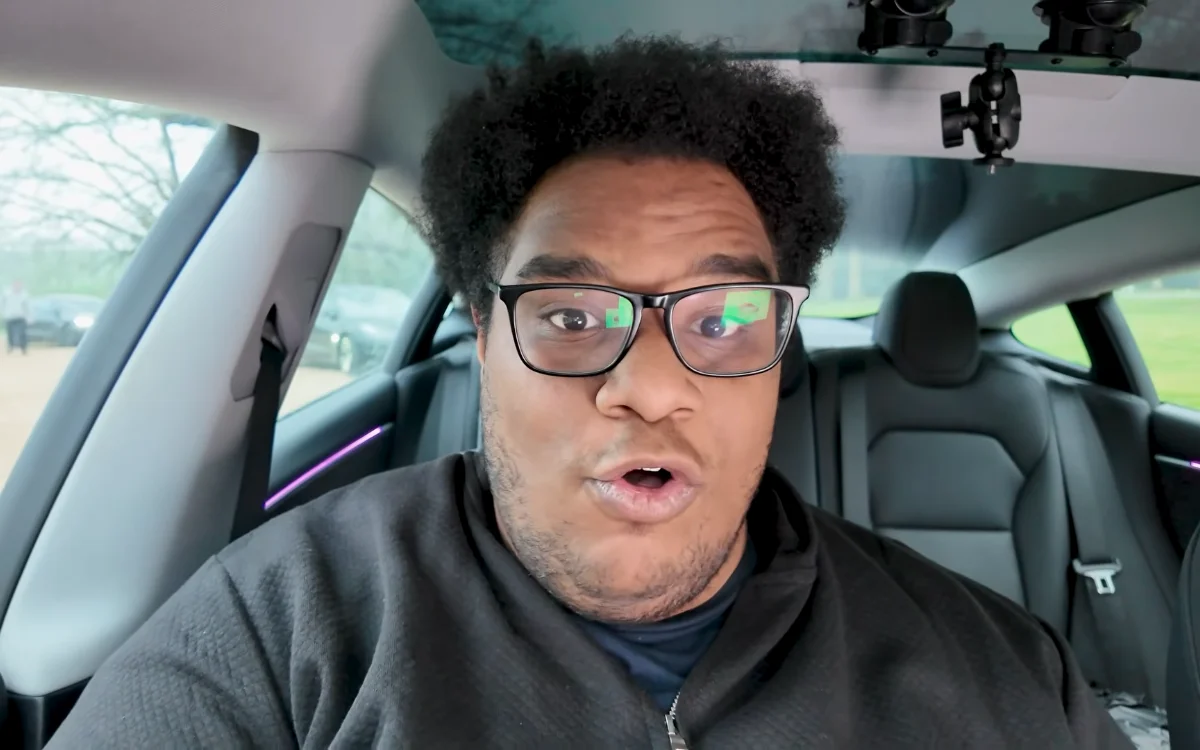
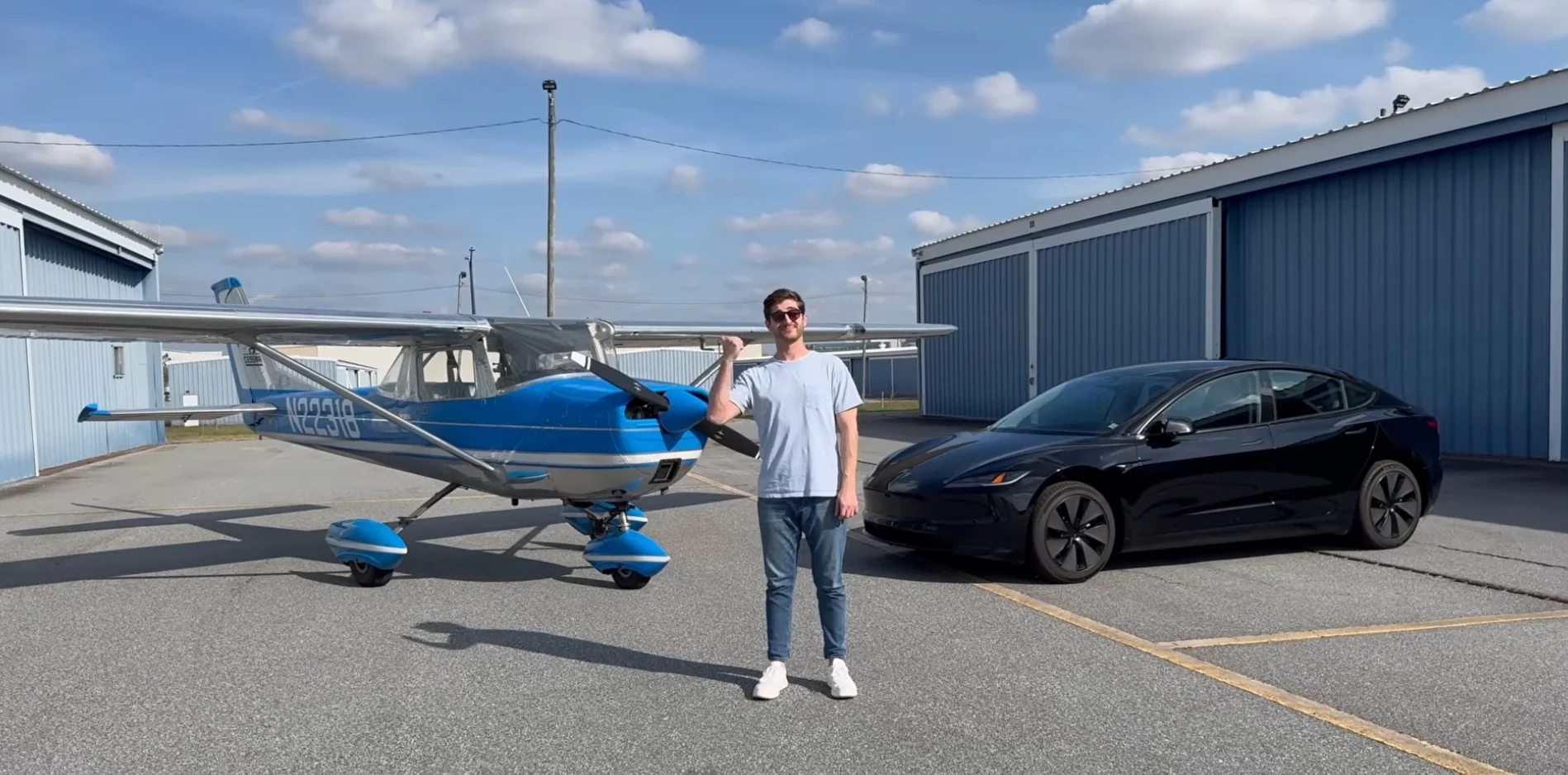
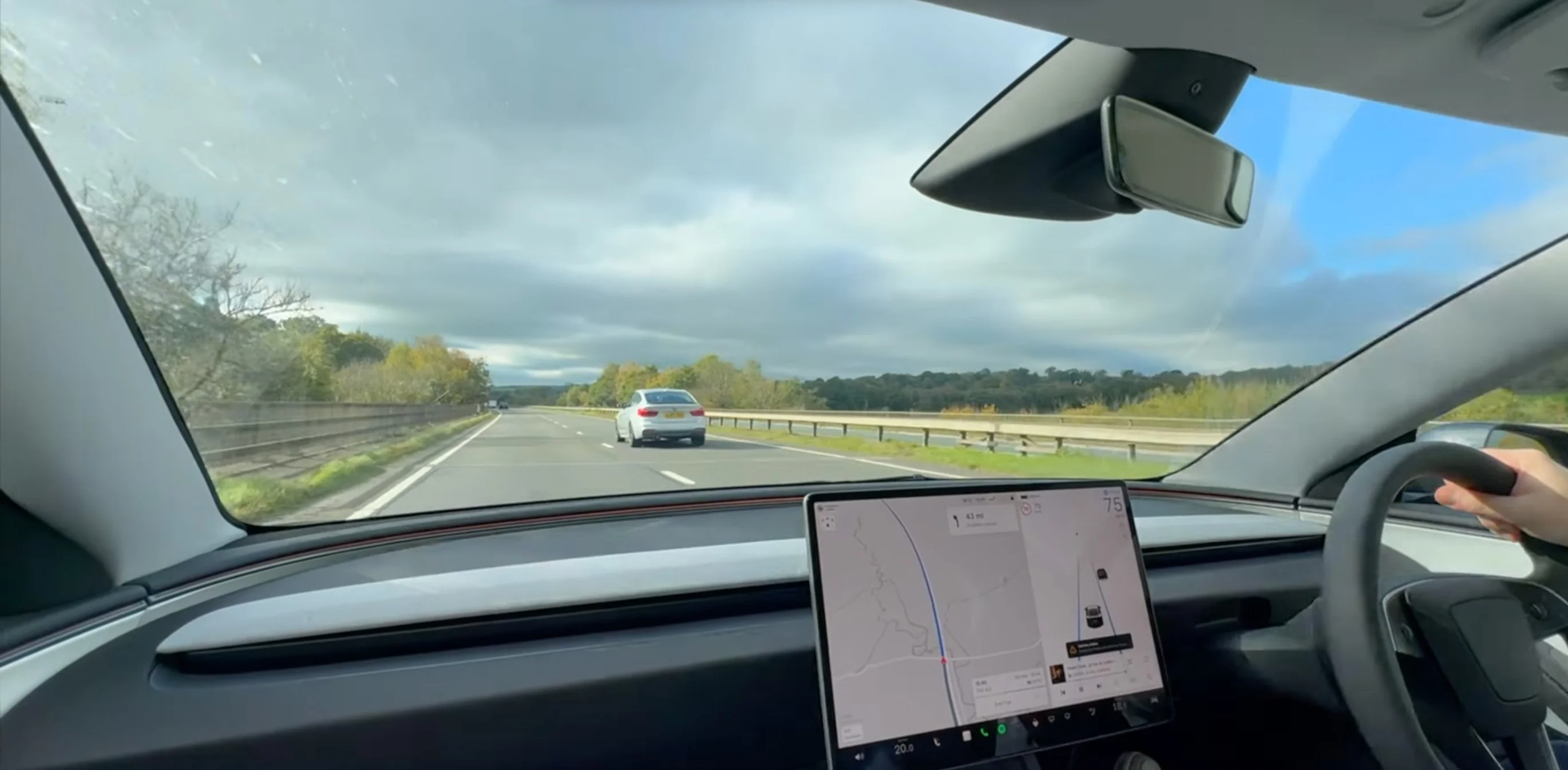
Tesla owner and YouTuber Dan Latham drove 1,500 miles in the UK using nothing but Superchargers.
Tesla Superchargers are efficient, fast, and convenient, but they’re generally more expensive than other charging points, and definitely more expensive than home charging.
Even so, Latham said he ended up spending £113.61 (approx. $149) for his trip – roughly the same as getting 157 miles from a gas car.

Translated into plain English, the same exact trip with an average internal combustion car would’ve cost him between £230 and £300 ($262-$393).
It gets better when we remember that, broadly speaking, EVs tend to be cheaper to run across the board, mainly because they’ve got fewer parts, which means there are fewer things that can go wrong.
Related

He also indirectly confirmed something we already suspected
Latham did save a lot of cash by using an EV instead of a gas car, but still overspent when you compare the cost of a Supercharger versus the cost of a home charger.
The rate varies depending on a few factors, including the energy provider, off-peak or regular rate, etc., but you can expect between £0.10 and £0.24/kWh (13c-31c).
For reference, his trip using Superchargers cost him £0.359/kWh.
Then again, Superchargers aren’t necessarily designed to maximize savings.
There are two reasons why people use them.
The first is convenience.
Tesla has had Supercharger maps baked into the infotainment centers for a while, and now they’re available in Google Maps, which makes it a lot easier to plan your trip.
Superchargers are also usually close to a restaurant or a cafe, which gives you something to do while you wait.
Admittedly, that’s no longer exclusive – other charging stations follow the same tactic – but Tesla sort of pioneered this idea.
The second reason is efficiency.
Superchargers are much faster than home charging, and generally also faster than other public chargers available, thus allowing you to fully use the capacity of the car’s battery.
Alessandro is an automotive journalist with 10 years of experience covering supercars, automotive history, emerging vehicle technology, and luxury transportation. He wrote the first article published on SupercarBlondie.com when the website launched in 2022 and has since built a reputation for insightful reporting across the automotive and transportation industries. His expertise is grounded in hands-on experience. Alessandro has driven every Tesla model ever produced, from the original Roadster to the Cybertruck, and regularly covers the latest developments in electric vehicles and automotive innovation. His passion for transportation extends beyond cars, he has even flown a Boeing 787 Dreamliner simulator in Addis Ababa, Ethiopia. His reporting spans everything from classic American muscle cars and rare automotive discoveries to luxury yachts, private aircraft, high-end watches, and cutting-edge vehicle technology. Known for his deep knowledge of automotive history and ability to uncover the stories behind iconic vehicles, Alessandro brings readers a blend of historical context, technical expertise, and first-hand experience.