Tesla will fine you $50,000 if you try to sell this 1-of-350 car too soon and could even blacklist you
Published on Apr 27, 2026 at 8:01 AM (UTC-4)
by Alessandro Renesis
Last updated on Apr 29, 2026 at 1:25 AM (UTC-4)
Edited by
Emma Matthews
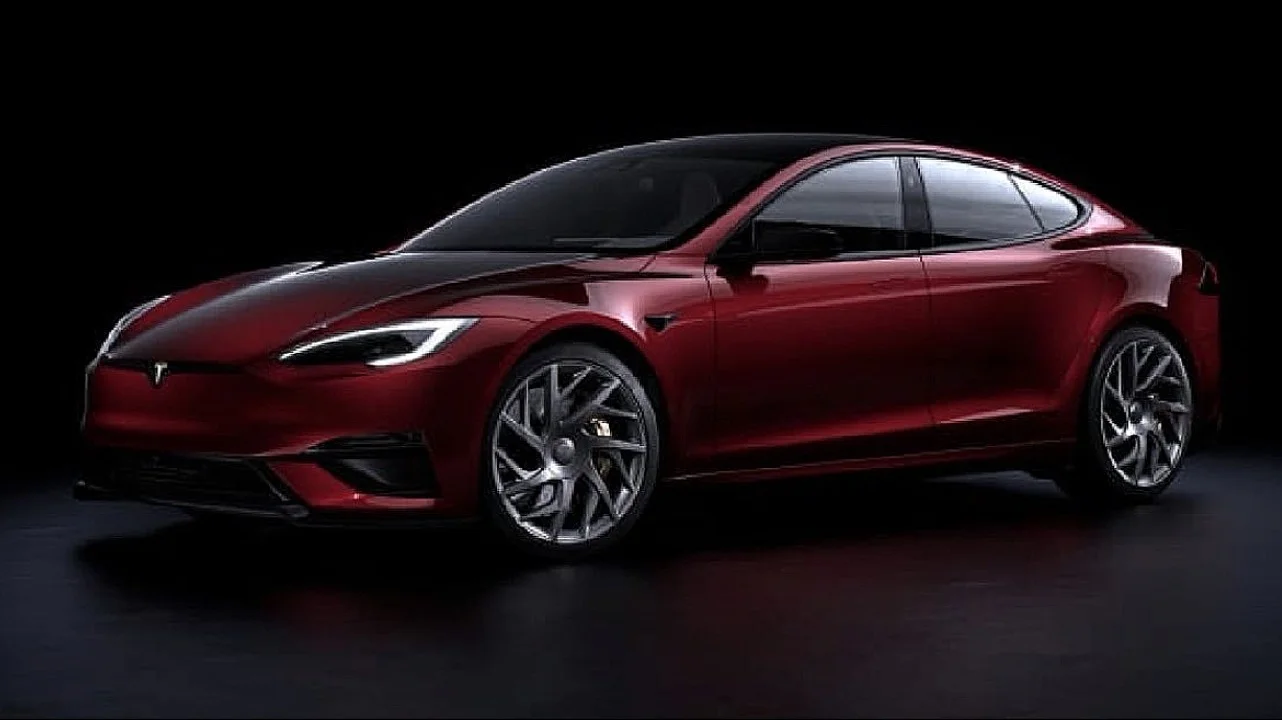

Tesla isn’t new to no-resale clauses on its vehicles, but the one that applies to Signature Edition Model S and Model X is quite strict.
Translated from legalese, people who buy these cars and then ‘flip’ them are in a world of trouble.
Aside from the ban, there are financial consequences.
And we’re talking about consequences with a lot of ‘zeros’ in them.
No one is exempt
No-resale clauses generally apply to supercars and supercar makers, but no one is truly exempt.
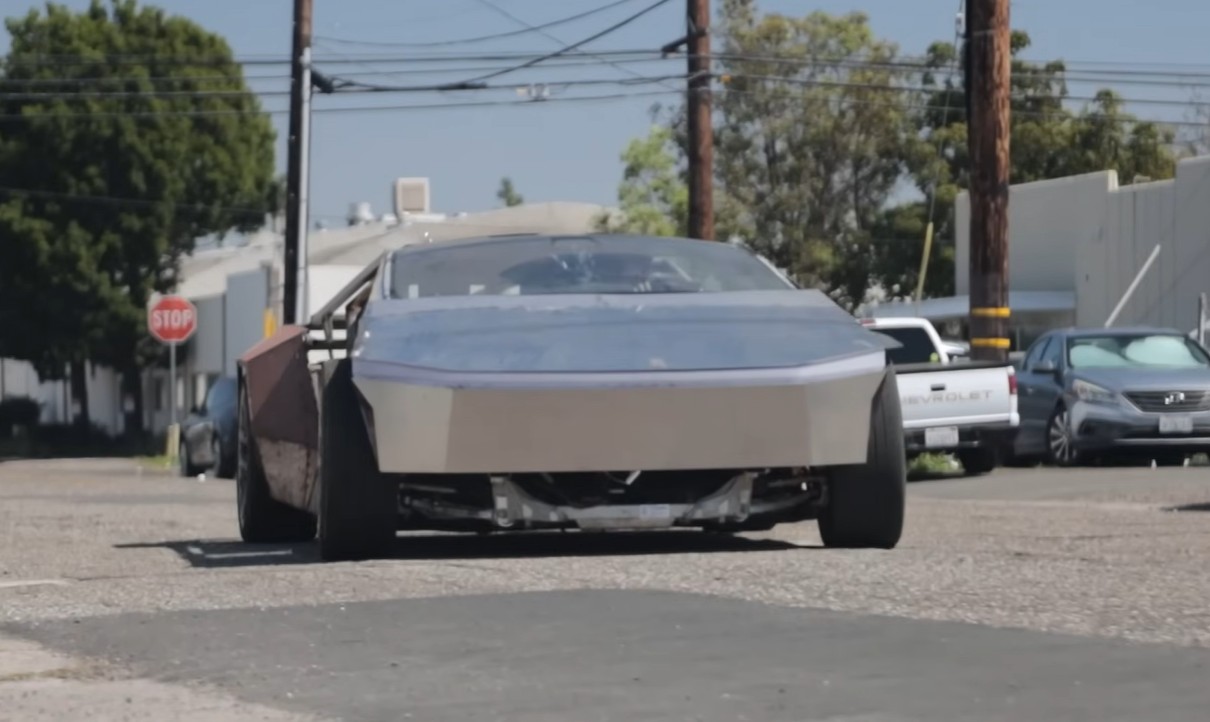
A while back, Tesla briefly imposed such a clause on the Cybertruck.
Ford does this, too.
And a lot more often than people realize.
Then, of course, we have brands like Ferrari and Lambo, which generally have no-resale clauses on everything.
The reason they do it is simple: they want to retain full control over who buys those cars, and they want to discourage buyers from becoming sellers and profiting from this.
In corporate jargon, they believe that brand equity, AKA the profit, should belong to the company, not third-party speculators.
And the ‘weapons’ at their disposal are actually very effective.
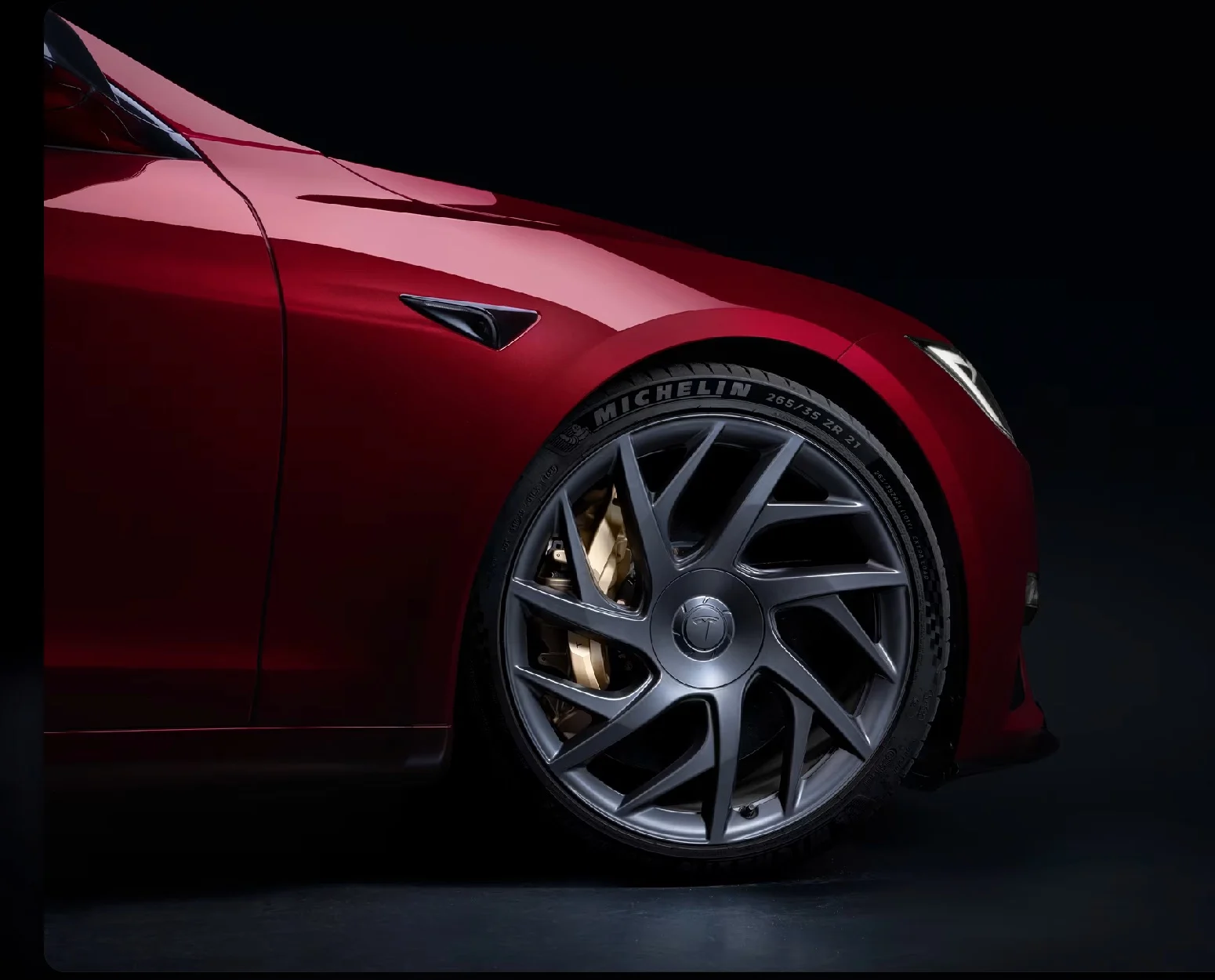
The worst-case scenario is quite dire, as owners can get sued.
And the best case isn’t attractive either: at the very least, they’ll be blacklisted from buying new cars in the future.
The latest no-resale clause applies to a swan song from Tesla
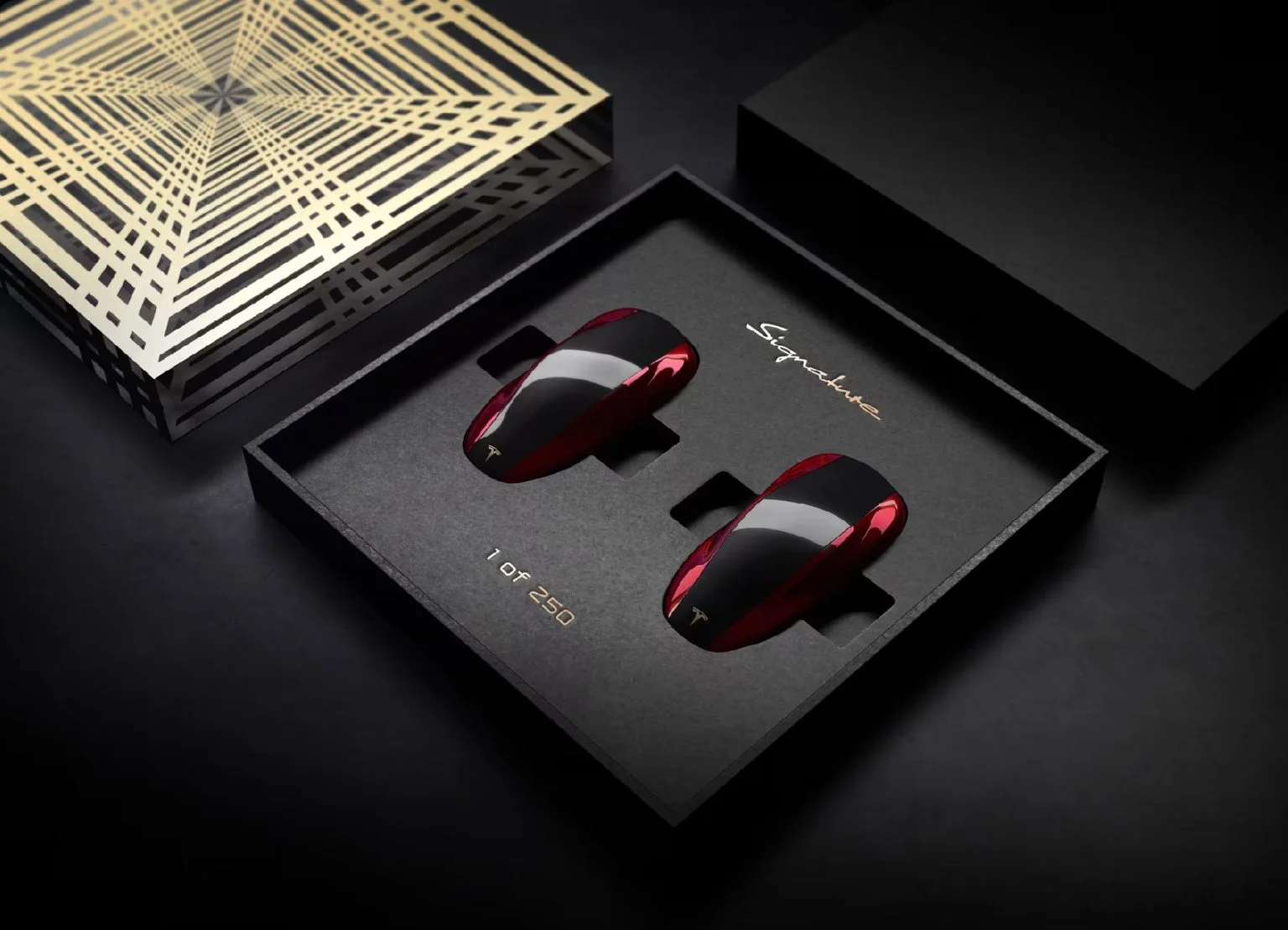
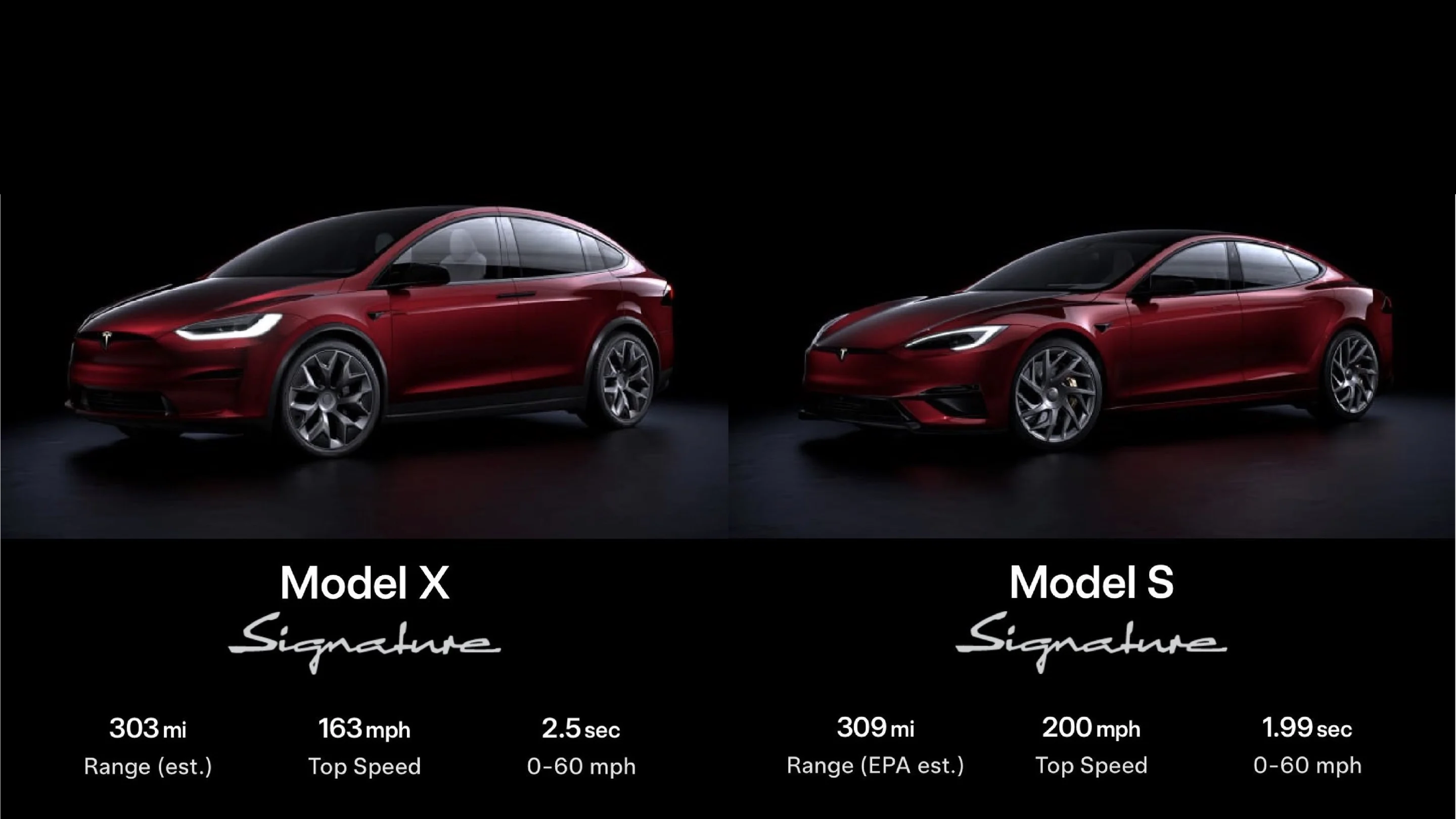
Tesla has opted for an aggressive legal strategy to prevent ‘flipping’ of its ultra-limited Signature Edition Model S and Signature Edition Model X Plaid.
These two vehicles are swan songs for the Model S and Model X, both discontinued, and they start at around $159,420.
They’re not cheap, but, more importantly, they’re not available to just anyone.
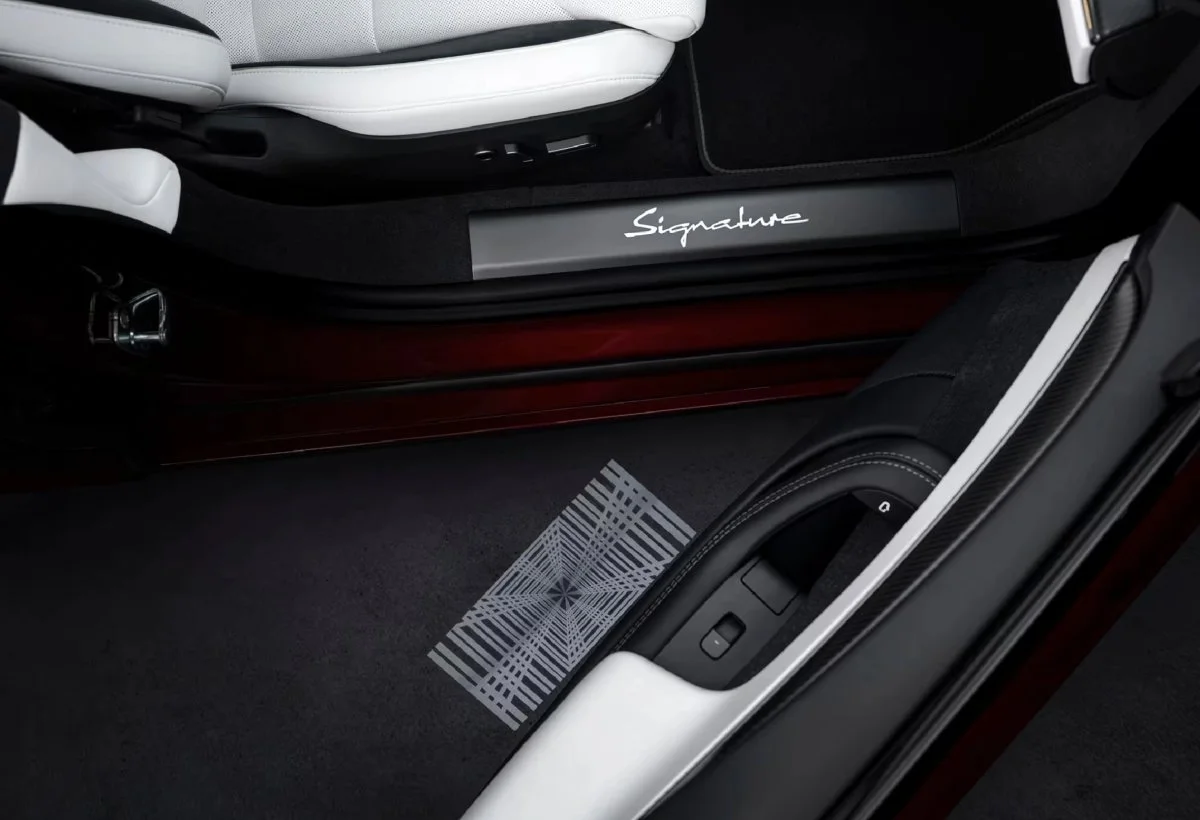
Only 350 units will be made – 250 Model S and 100 Model X – which is the whole point of the no-resale clause.
The EV maker requires buyers to sign a strict No Resale Agreement, which forbids them from selling the car within the first 12 months of delivery.
Should they fail to comply with this requirement, the company will sue them for ‘liquidated damages’ of $50,000 or the value received, whichever is greater.
Also, Tesla reserves the right to permanently ban the buyer from ever purchasing a new vehicle, which is potentially a big deal if the buyer in question is also a Roadster reservation holder.
Still, there’s a silver lining.
Tesla might offer to buy back the car in case there’s a ‘legitimate unforeseen reason to sell’ – for example, financial hardship.
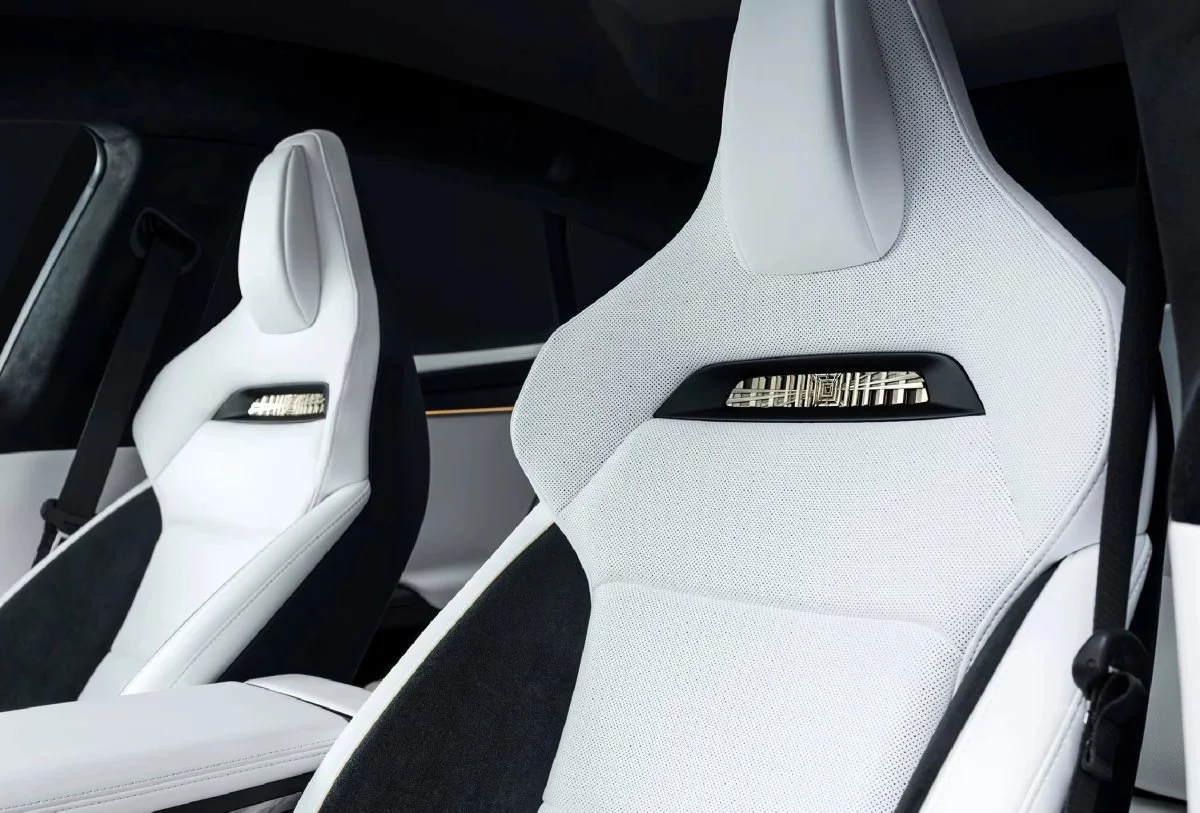
And, should the manufacturer refuse to buy it back, the owner can then sell the car to a third party with the company’s written consent.
It sounds super complicated.
The sort of stuff you need a law degree to deal with.
And maybe that’s by design, because this is the company telling its customers: ‘don’t buy this car unless you’re absolutely sure you actually want it for yourself.’
Alessandro is an automotive journalist with 10 years of experience covering supercars, automotive history, emerging vehicle technology, and luxury transportation. He wrote the first article published on SupercarBlondie.com when the website launched in 2022 and has since built a reputation for insightful reporting across the automotive and transportation industries. His expertise is grounded in hands-on experience. Alessandro has driven every Tesla model ever produced, from the original Roadster to the Cybertruck, and regularly covers the latest developments in electric vehicles and automotive innovation. His passion for transportation extends beyond cars, he has even flown a Boeing 787 Dreamliner simulator in Addis Ababa, Ethiopia. His reporting spans everything from classic American muscle cars and rare automotive discoveries to luxury yachts, private aircraft, high-end watches, and cutting-edge vehicle technology. Known for his deep knowledge of automotive history and ability to uncover the stories behind iconic vehicles, Alessandro brings readers a blend of historical context, technical expertise, and first-hand experience.