This is the effect cruise control actually has on your car's fuel consumption
Published on Sep 21, 2025 at 6:00 PM (UTC-4)
by Daisy Edwards
Last updated on Sep 21, 2025 at 6:00 PM (UTC-4)
Edited by
Amelia Jean Hershman-Jones

Have you ever wondered what effect adaptive cruise control actually has on your car’s fuel consumption?
A recent study had results that show that the effect of adaptive cruise control is actually incredibly small, and context matters a whole lot.
While cruise control tends to smooth out acceleration and deceleration, this can actually cause less efficient gear or throttle usage than a skilled driver could do.
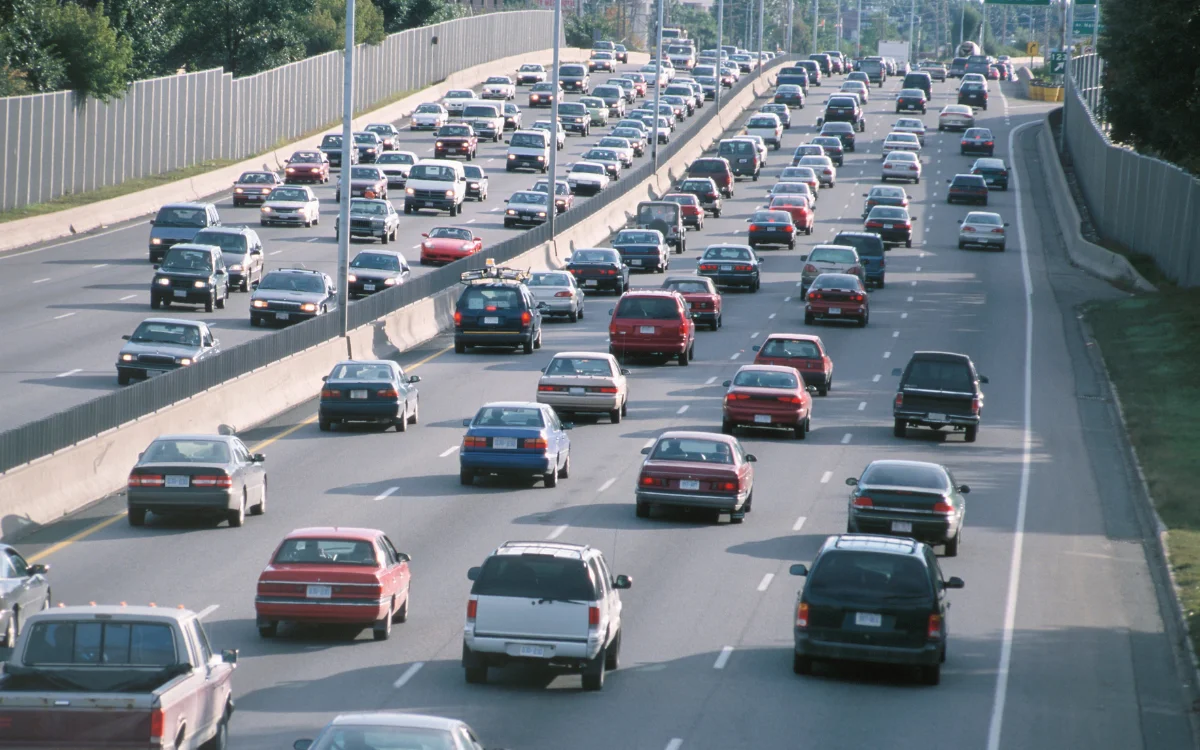
It turns out that in traffic, Adaptive Cruise Control can help fuel economy by reducing wasted surging through constant acceleration or deceleration.
EXPLORE SBX CARS – Supercar auctions starting soon powered by Supercar Blondie
The effect cruise control actually has on your car’s fuel consumption
A recent study in Nature Communications has shocked a lot of people with what it showed about the effect of Adaptive Cruise Control (ACC) on their car’s fuel economy.
The study revealed that ACC doesn’t dramatically improve fuel economy, and in many cases can actually slightly worsen it.
That doesn’t mean it’s useless; the effect is small both ways, and the context as to where you’re driving matters a lot; it’s not quite as black and white as you might think.
The study showed that when ACC was engaged, fuel consumption increased by 0.26 liters per 100km on average, which translates to about a two percent fuel-economy penalty across a mixed fleet.
Related

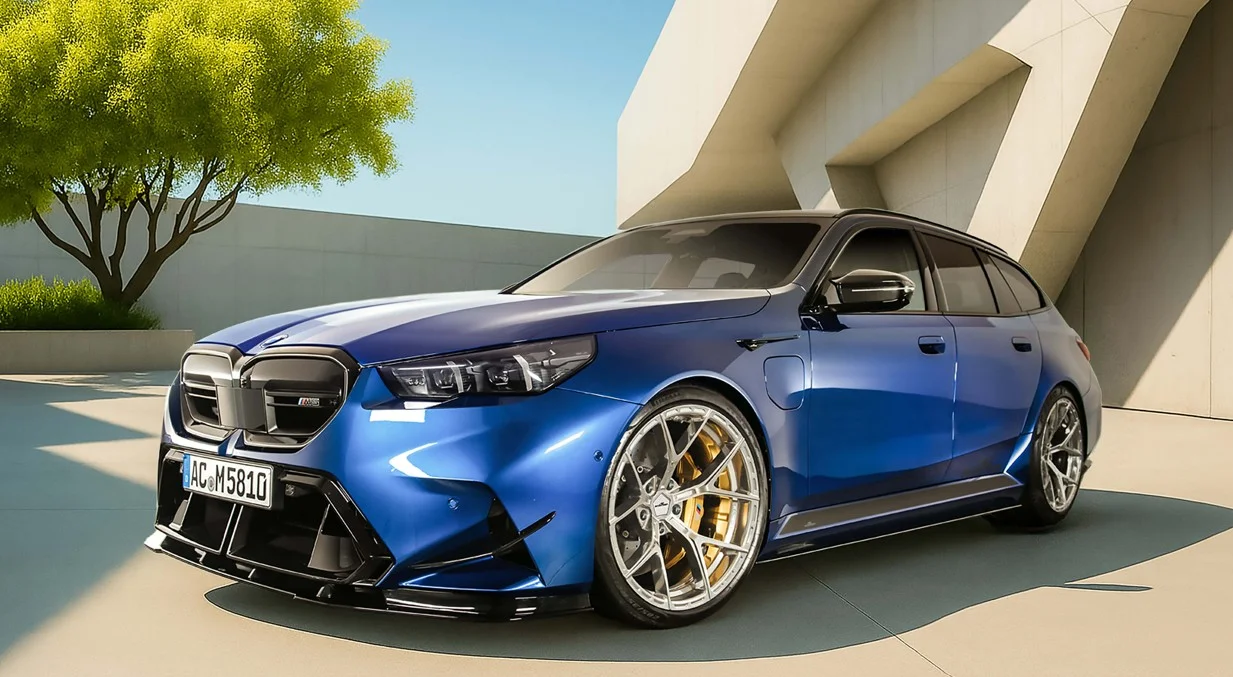
ACC can ‘hurt’ your car’s economy
While cruise control can make journeys smoother, you can also use it to smooth out acceleration and deceleration.
This smoothing-out process can also mean less efficient gear or throttle usage than what a skilled driver in the same driving context can do.
Cruise control can ignore slight fluctuations in grade, wind, or traffic that an attentive human might respond to more optimally.
In traffic, however, ACC can help by reducing wasted surging, especially in the case of constant acceleration or deceleration.
That makes the ‘adaptive’ part of ACC more beneficial than standard cruise control.
In the overall scheme of things, the fuel hit is small and you probably won’t notice it in everyday driving; however the benefit of it will be more obvious in stop-start traffic or when your ride is smoothed out.
If you just want safer, more comfortable rides, then ACC may be for you.
Daisy is a technology and automotive journalist covering artificial intelligence, consumer tech, Apple news, cryptocurrency, emerging technologies, and transportation innovation. Since joining the team in 2025, she has reported on everything from AI-powered startups and major iOS updates to viral car stories and the latest developments shaping transportation and the digital economy. Drawing on her background in automotive journalism and a degree in History and Journalism from Goldsmiths, University of London, Daisy specializes in breaking down complex topics into clear, engaging reporting for a global audience. Her work spans cutting-edge technology, innovative vehicles, and the people driving change across both industries. Daisy has gained first-hand access to some of the world's most talked-about technologies and innovators, including meeting Tesla's Optimus humanoid robot during its first European appearance in London. She has also discussed the future of space exploration with an astronaut, bringing unique insights and real-world perspectives to her coverage of emerging technology.