This robot has 31 skin sensors, can beat you in chess and has a face engineered to give you emotional reassurance
Published on Jan 08, 2026 at 11:13 AM (UTC+4)
by Jason Fan
Last updated on Jan 08, 2026 at 1:45 PM (UTC+4)
Edited by
Mason Jones

A humanoid robot called GR-3 is how Fourier decided to introduce itself to the US, and it made sure the debut was anything but subtle.
Making its first US appearance at CES 2026, the full-size Care-bot danced, chatted, and calmly outplayed humans at chess.
GR-3 isn’t built to intimidate with cold efficiency or sci-fi bravado.
Instead, it’s designed to feel friendly, expressive, approachable.
SBX CARS – View live supercar auctions powered by Supercar Blondie
The GR-3 is programmed to interpret intent
Visitors to the Fourier booth didn’t just watch GR-3 from behind a rope.
They spoke with it, touched it, played games, and even joined in scheduled dance performances that showed off its balance and fluid whole-body movement.
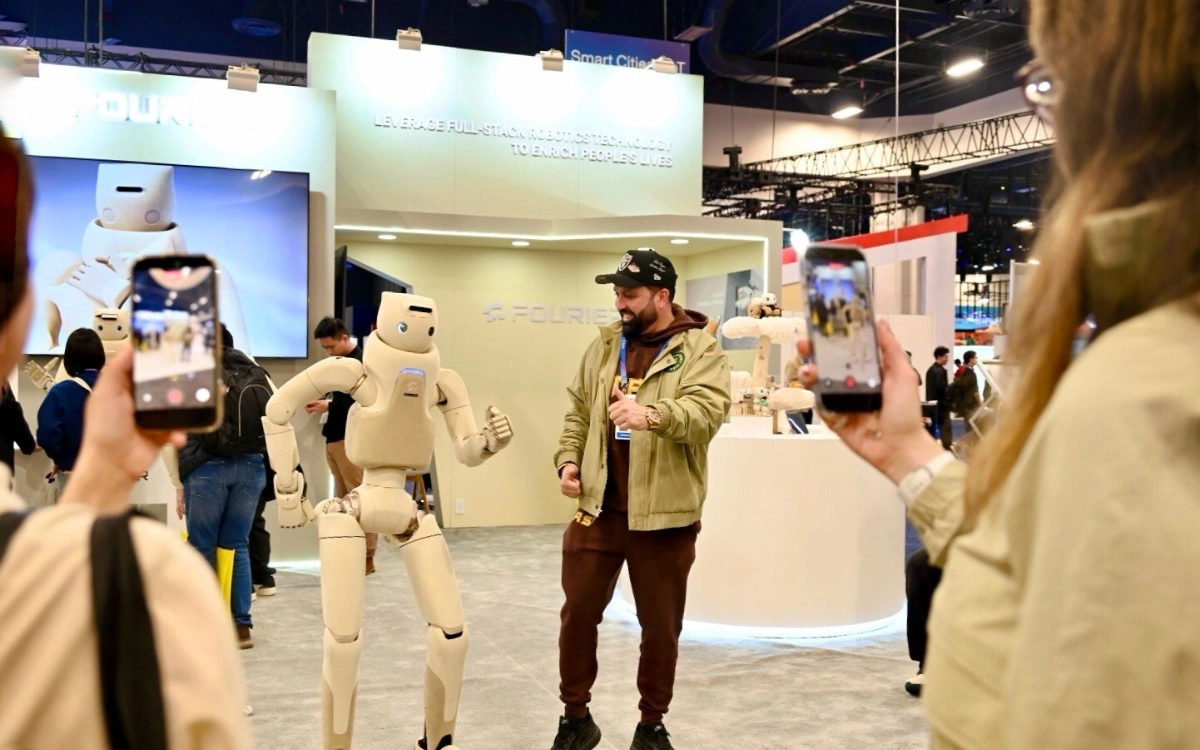
GR-3 can track people as they move, localize voices in a crowded space, and respond in real time, whether that means planning its next chess move or reacting to a gentle tap on the arm.
The goal isn’t spectacle for spectacle’s sake, but to demonstrate how natural human-robot interaction can feel when done right.
Standing roughly 165 cm tall and packing 55 degrees of freedom, GR-3 walks a careful line between advanced engineering and soft, friendly design.
Beneath its approachable exterior sits a sophisticated multimodal perception system that blends vision, audio, and tactile input.
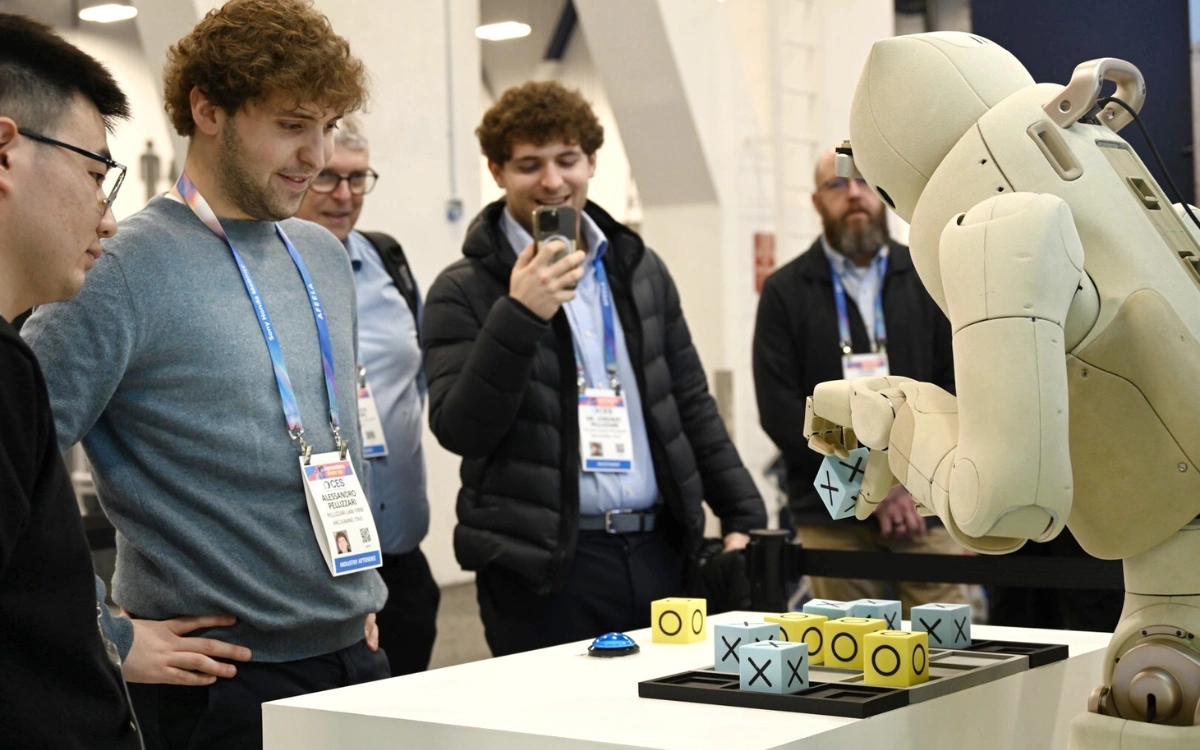
Those 31 skin sensors allow the robot to detect subtle touch, helping it respond appropriately to physical interaction rather than treating humans like obstacles to avoid.
A hybrid control system combines fast reflexes with higher-level language-model reasoning, allowing GR-3 to interpret intent instead of just commands.
The company’s ambitions go beyond a single robot
Alongside GR-3, the company also showcased a doll-sized companion robot concept built around the same personality and design language.
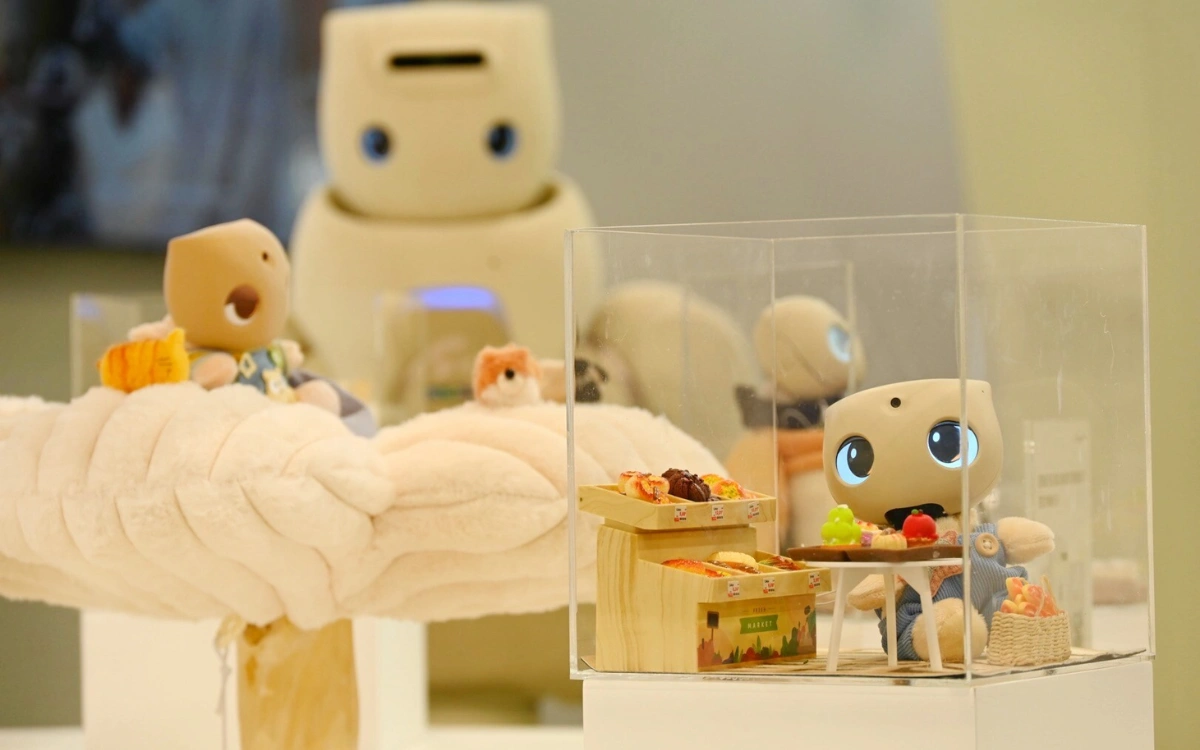
Smaller, customizable, and playful, it hints at a future where AI companionship can live on a desk or bedside table as easily as it can walk across a room.
While still in development, the concept underscores Fourier’s belief that emotional connection doesn’t depend on size.
More broadly, GR-3 represents a shift in how humanoid robots are being positioned.
While other companies are developing robots to focus solely on industrial or factory tasks, Fourier is aiming for its robots to function in everyday environments, like homes and public spaces.
If GR-3 is any indication, the next generation of robots won’t just help us do things.
They’ll be designed to understand us, reassure us, and maybe even beat us at chess along the way.
DISCOVER SBX CARS: The global premium car auction platform powered by Supercar Blondie