Toyota's crab-walking hydrogen concept car that never saw the light of day was strangely ahead of its time
- This Toyota concept was unveiled in 2005
- It had gull-wing doors, rotating seats, and it could crabwalk
- The car was powered by hydrogen fuel cells
Published on Mar 21, 2025 at 3:22 PM (UTC-4)
by Alessandro Renesis
Last updated on Mar 21, 2025 at 3:22 PM (UTC-4)
Edited by
Emma Matthews
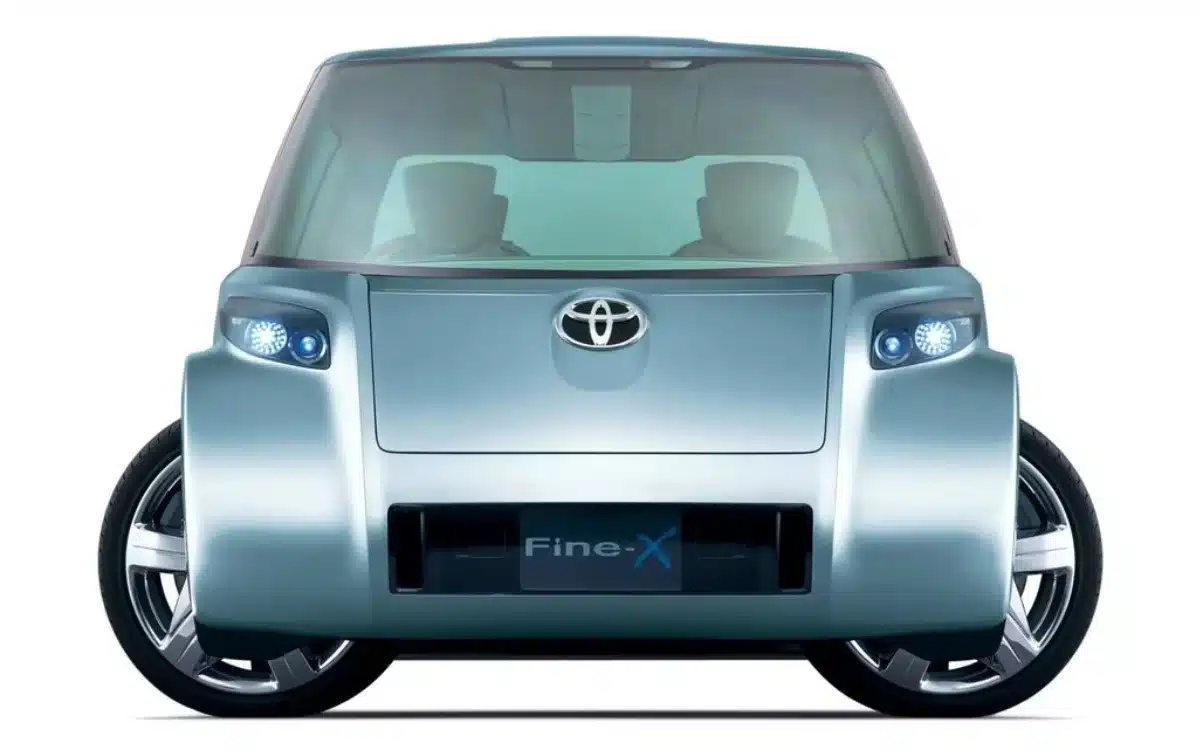

This is the Toyota Fine-X, a quirky and futuristic hydrogen concept car unveiled in Tokyo exactly 20 years ago.
The car could ‘crab walk’ thanks to four independent motors, and it was powered by hydrogen fuel cells.
It was way ahead of its time.
Some might say it was too ahead of its time.
DISCOVER SBX CARS – Bid now on supercar auctions powered by Supercar Blondie
Toyota’s hydrogen concept was ahead of its time
The Fine-X was the third of four experimental prototypes unveiled by Toyota in the early 2000s, the other three being the Fine-S, Fine-N, and Fine-T.
The name ‘Fine’ was actually just an acronym, and it stood for Fuel cell INnovation Emotion-eXperiment – and they spelled it exactly like that.
If you can gloss over the silly name, the Fine-X was actually ingenius.
It was tiny, just 3.8 meters, or 152 inches, long, and each wheel could move independently thanks to its crab-walking feature, kind of like the GMC Hummer.
It would’ve been perfect for the narrow and crowded city streets of Tokyo.
But there’s more.
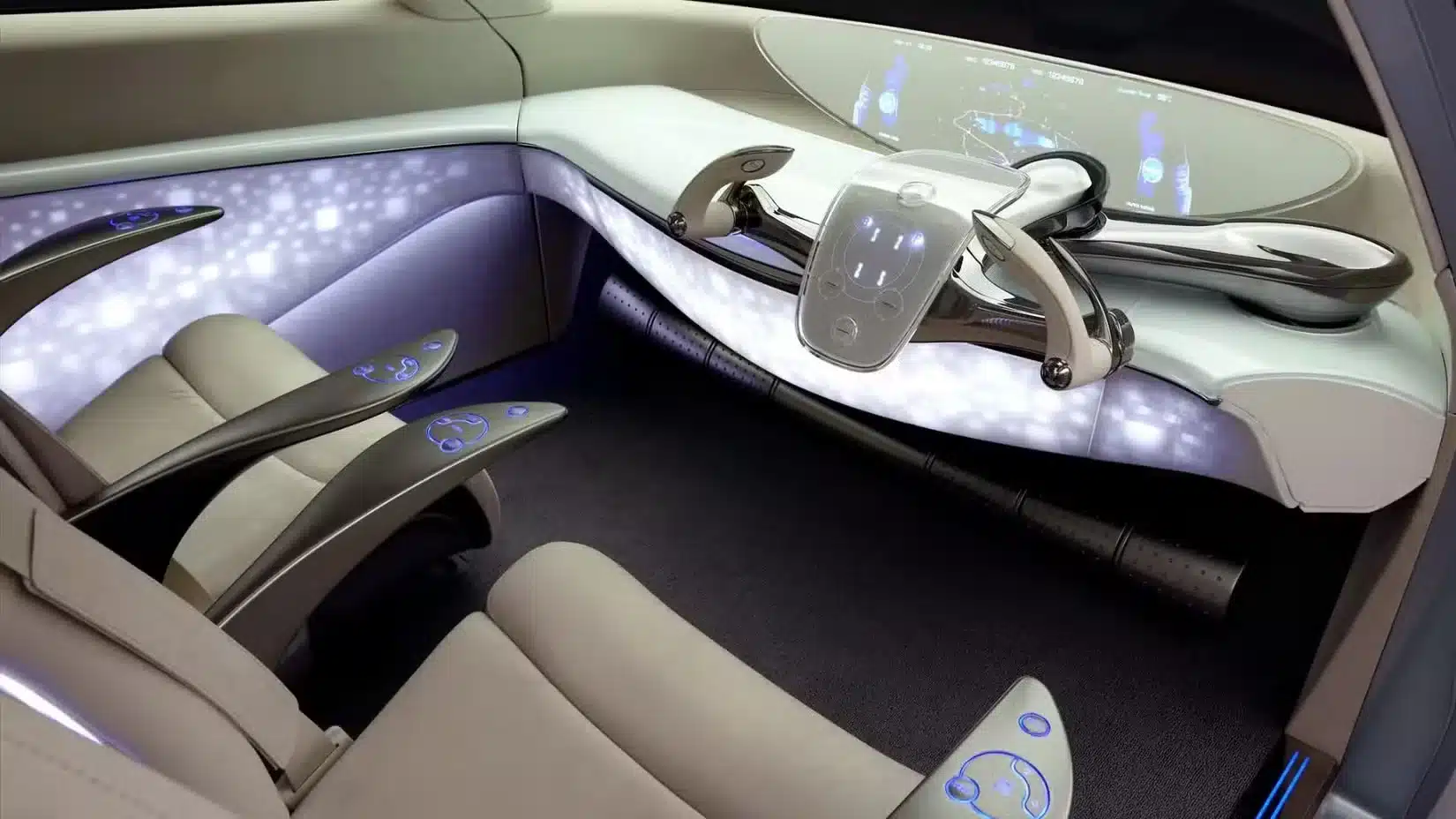
The Fine-X also used gull-wing doors, and was fitted with seats that could rotate and shift sideways.
The powertrain comprised four electric motors, one in each wheel, powered by a fuel cell system, like a modern-day Mirai.
Like so many other equivalent prototypes, it never saw the light of day because it was probably too much, too soon.
Related

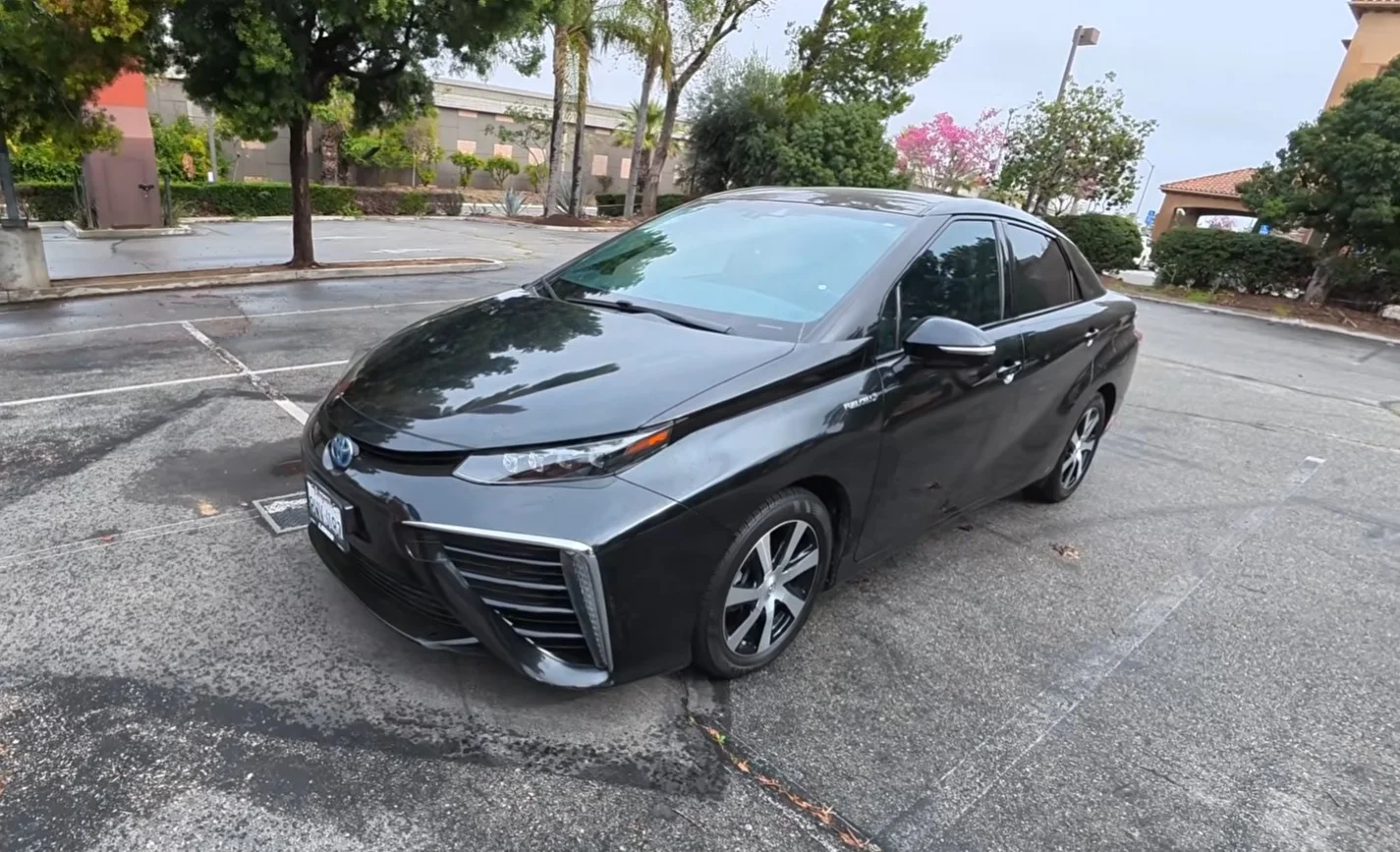
When automakers do the right thing but at the wrong time
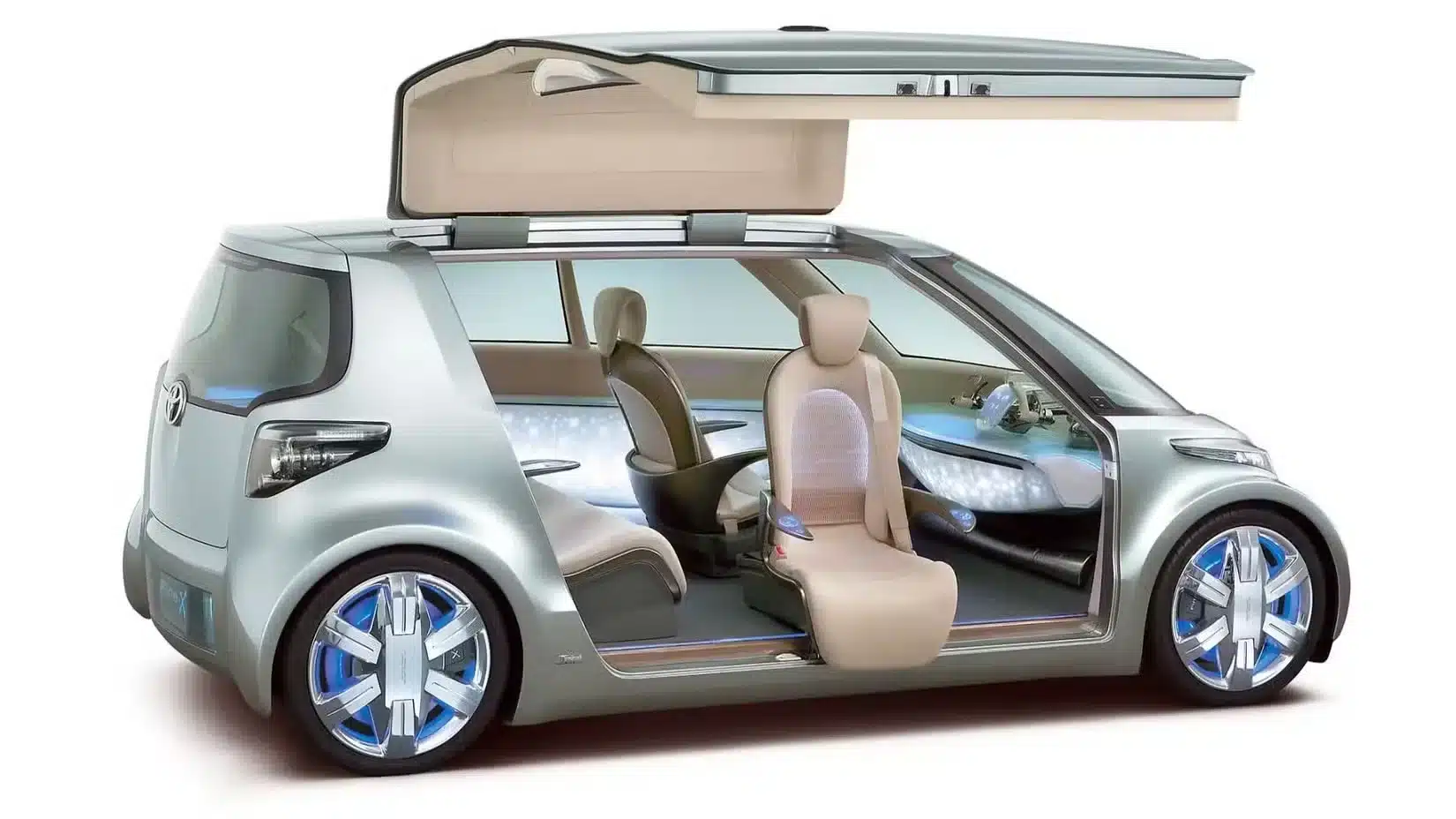
The Toyota Fine-X would probably get made today, but it was way too complicated for the market to understand back then.
In the early 2000s, everyone thought internal combustion engines would be used forever, and the financial recession hadn’t started yet.
As a result, a small and frugal city car powered by hydrogen was something people were not really interested in.
Just a few years later, the world economy collapsed, ending a bunch of amazing but badly timed concepts in the process, including, for example, the Jaguar C-X75.
Pity.
Alessandro is an automotive journalist with 10 years of experience covering supercars, automotive history, emerging vehicle technology, and luxury transportation. He wrote the first article published on SupercarBlondie.com when the website launched in 2022 and has since built a reputation for insightful reporting across the automotive and transportation industries. His expertise is grounded in hands-on experience. Alessandro has driven every Tesla model ever produced, from the original Roadster to the Cybertruck, and regularly covers the latest developments in electric vehicles and automotive innovation. His passion for transportation extends beyond cars, he has even flown a Boeing 787 Dreamliner simulator in Addis Ababa, Ethiopia. His reporting spans everything from classic American muscle cars and rare automotive discoveries to luxury yachts, private aircraft, high-end watches, and cutting-edge vehicle technology. Known for his deep knowledge of automotive history and ability to uncover the stories behind iconic vehicles, Alessandro brings readers a blend of historical context, technical expertise, and first-hand experience.